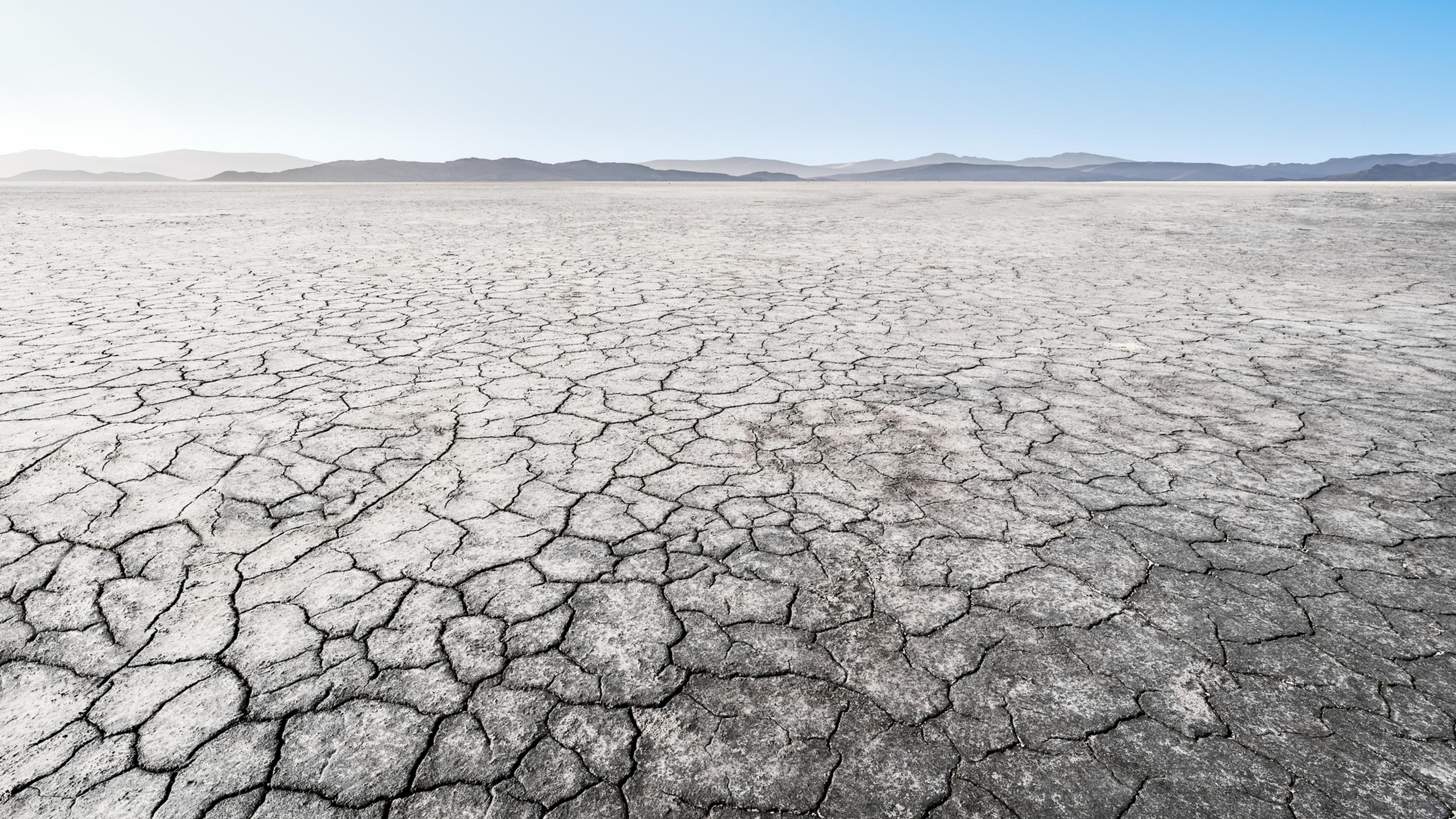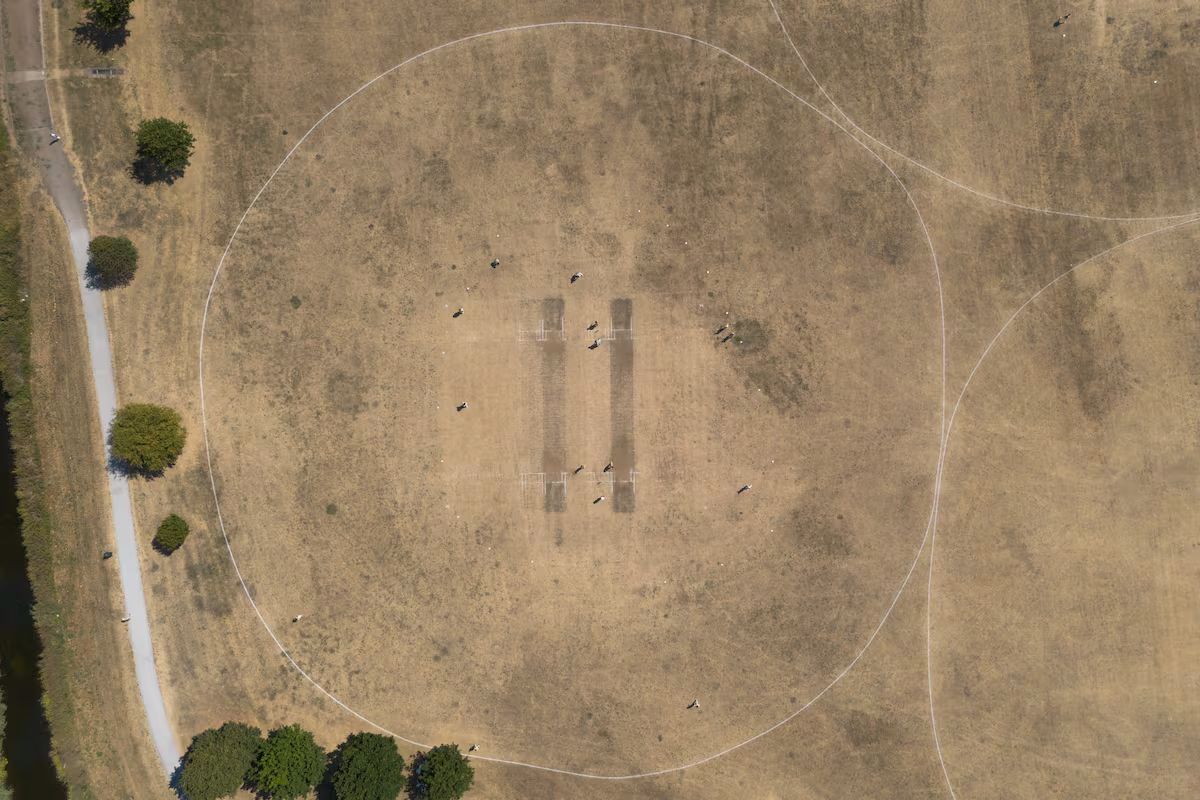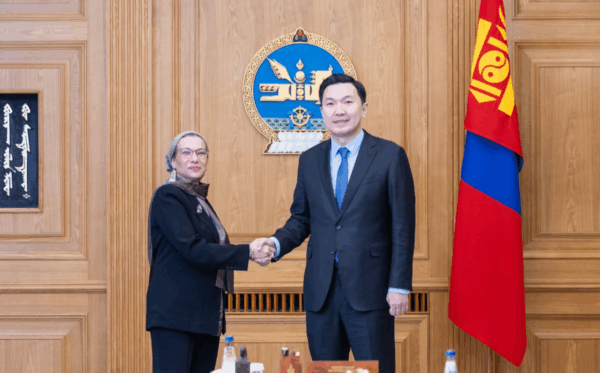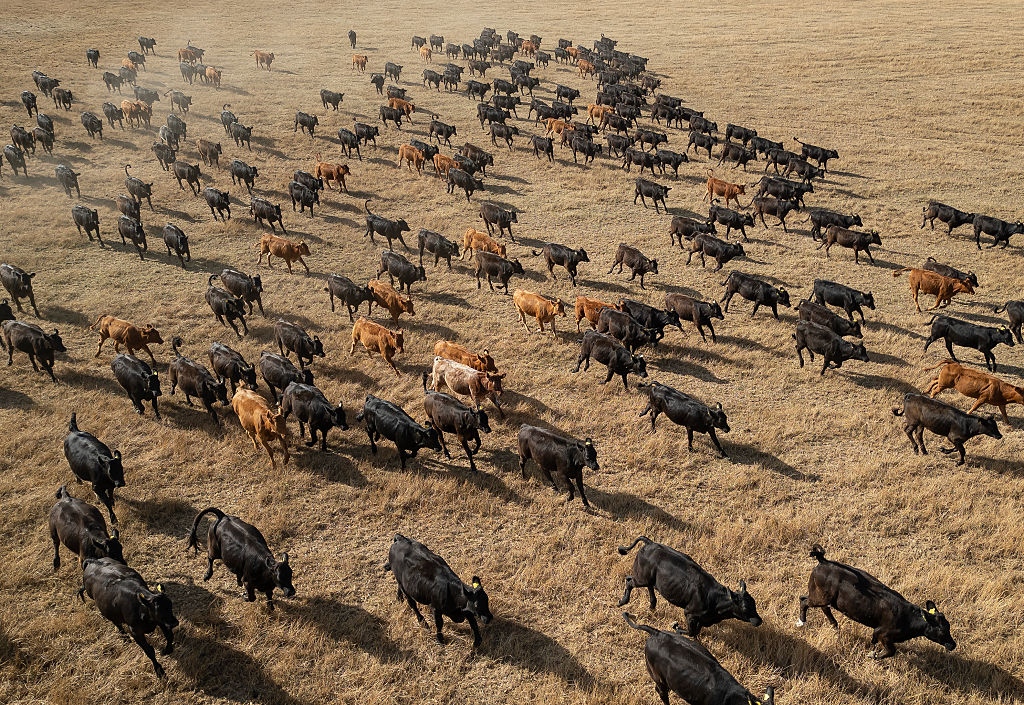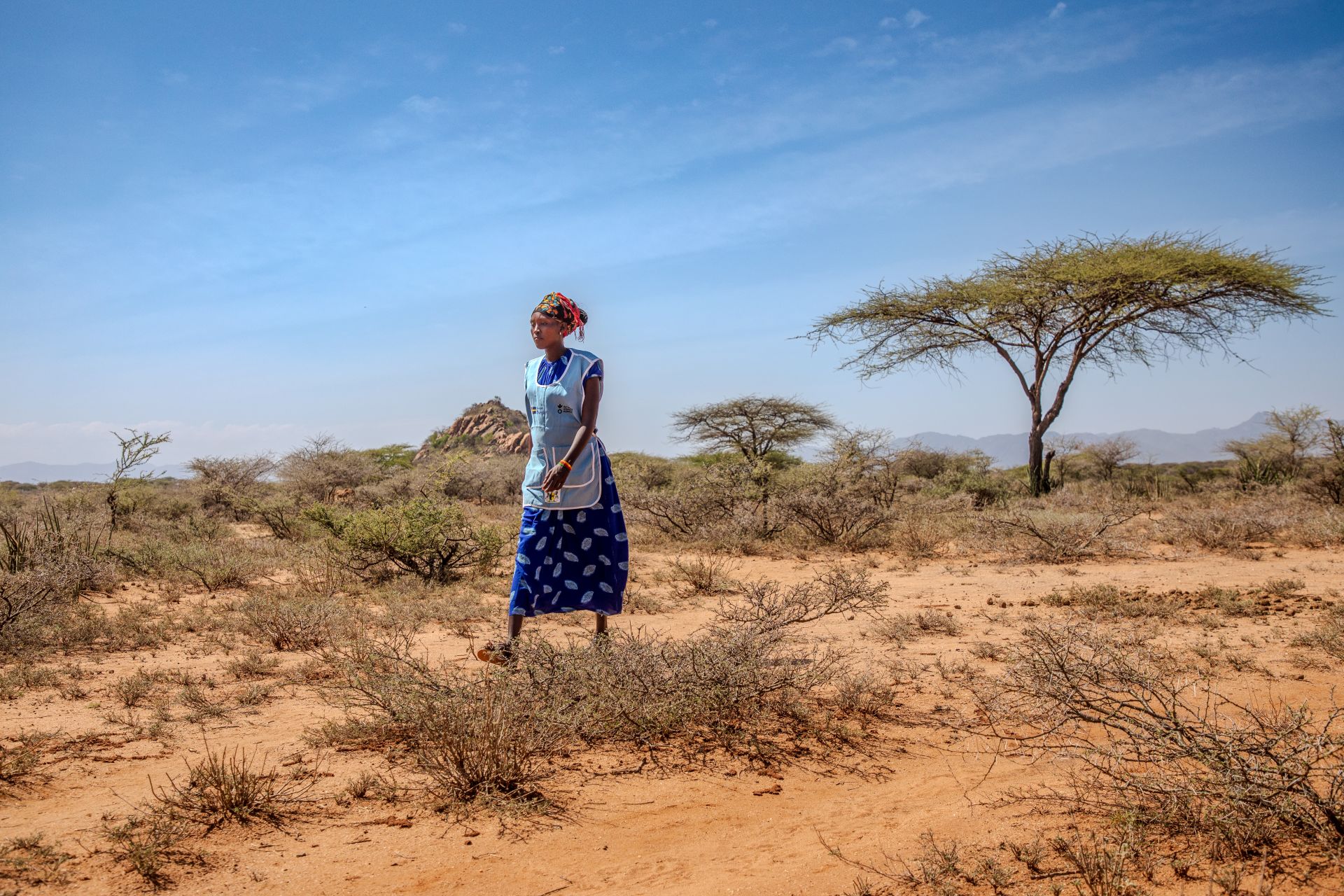
Inger Andersen is Executive Director of the United Nations Environment ProgrammeWhen you live on the edge, you become acutely aware of balance.As a young woman straight out of university in 1982, I had the privilege of teaching English at a Sudanese girls' high school. After a couple of years, I landed a job supporting the emergency and relief work during the Sudanese drought and associated famine. Those communities in Sudan knew very well that their two most precious assets were the acacia trees on their lands and the seeds saved for next year’s planting season.Acacia fixes nitrogen in the soil - a natural fertiliser - while the gum Arabic from the trees is an income source. But when drought hits and all animals are sold, and the last of the food is eaten, the only thing left is to cut and sell the trees for firewood and charcoal. Once the trees are gone, the last thing left is the seeds. And once the seeds have been sacrificed for food, nothing is left.
How safeguarding land protects our future
We can turn our growing vulnerability into a source of innovation and hope at COP17 in Mongolia, writes UNEP executive director Inger Andersen
172 words~1 min read