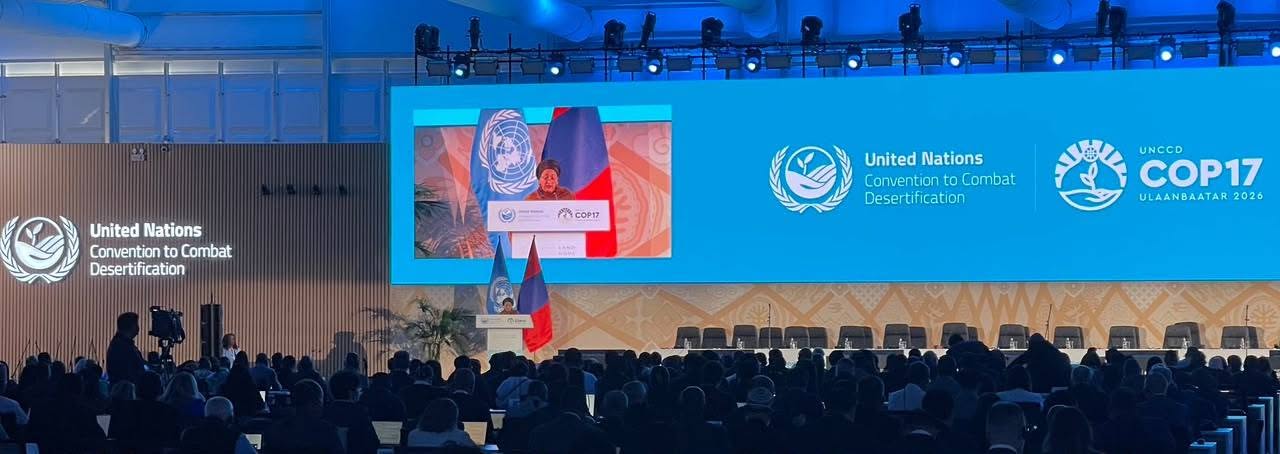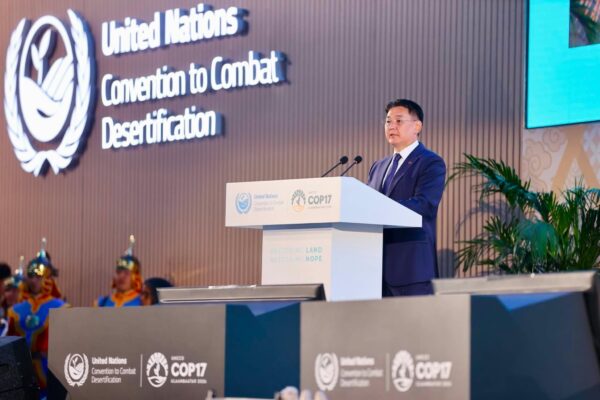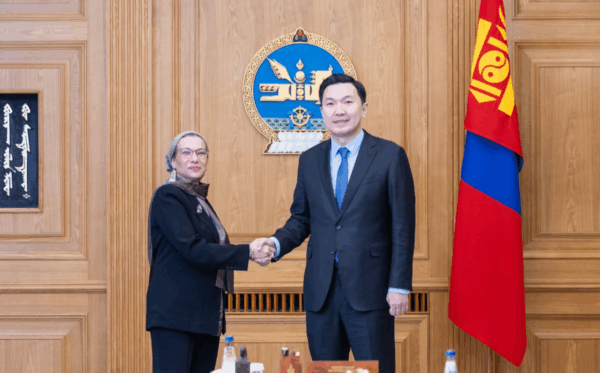
This year, Mongolia will host the 17th Session of the Conference of the Parties (COP17) to the United Nations Convention to Combat Desertification (UNCCD) from August 17-28. COP17 includes segments on finance, water, land and people, and food systems, which are all crucial elements for Mongolia’s fight against desertification – and also issues that intertwine with the country’s economic goals and policies.
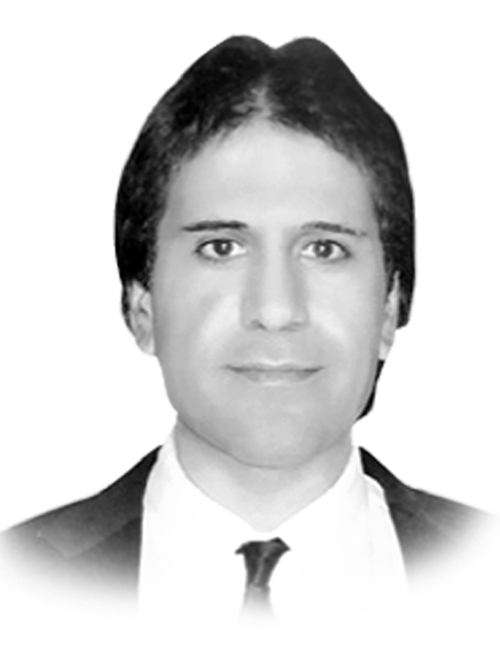
In an exclusive interview, The Diplomat’s Bolor Lkhaajav spoke with UNCCD Executive Secretary Dr. Yasmine Fouad on range of issues facing Mongolia, the significance of Mongolia hosting COP17, and what policy recommendations UNCCD has for the country’s policymakers.
What do countries, leaders, and participants hope to get out of COP17? What outcomes Mongolia should expect?
COP17 comes at a pivotal moment for global action on land. Across the world, countries increasingly recognize that desertification, land degradation, and drought are no longer solely environmental concerns. They affect economies, food production, water security, biodiversity, and the resilience of communities.
I believe countries will come to Mongolia with a shared understanding that the challenge is no longer understanding the problem – we know what is at stake. The priority now is implementation. Countries have already committed to ambitious goals, including restoring around one billion hectares of degraded land by 2030. The focus now is on translating those commitments into action through stronger partnerships, increased investment and practical solutions. COP17 represents an opportunity to move from ambition to implementation by scaling finance, innovation and partnerships that deliver measurable results on the ground.