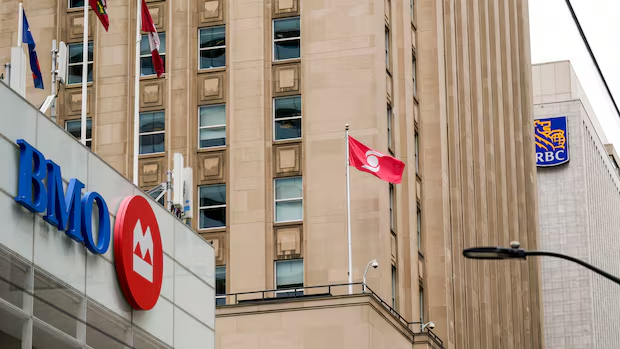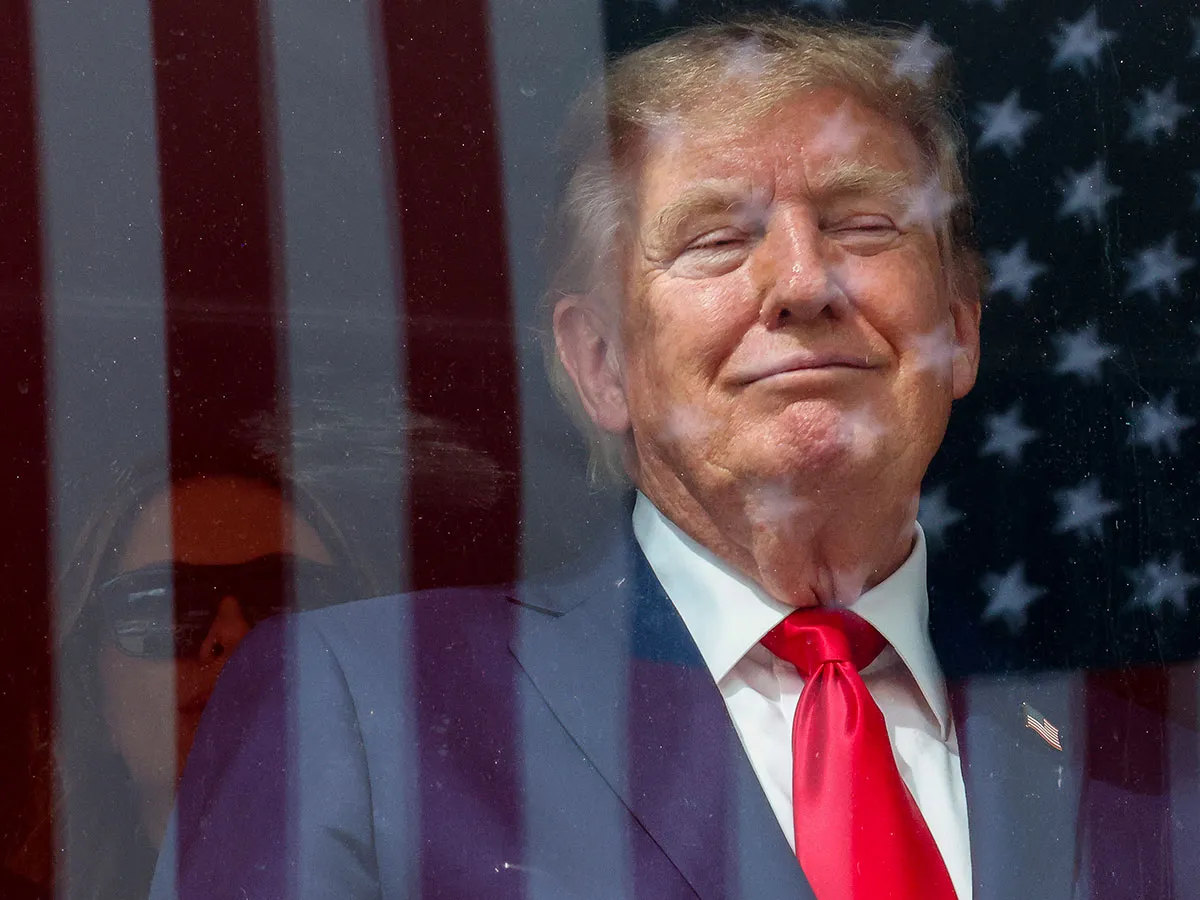
Skip to Content News Archives Economy Energy Oil & Gas Renewables Electric Vehicles Mining Commodities Agriculture Real Estate Mortgages Mortgage Rates Finance Banking Insurance Fintech Cryptocurrency Work Wealth Smart Money Wealth Management Investor Personal Finance Family Finance Retirement Taxes High Net Worth FP Comment Executive Women Puzzmo Newsletters Financial Times Business Essentials More Innovation Information Technology FP500 Podcasts Small Business Lives Told Tails Told Shopping Financial Post Store Obituaries Place a Notice Advertising Advertising With Us Advertising Solutions Postmedia Ad Manager Sponsorship Requests Classifieds Place a Classifieds ad Working Profile Settings My Subscriptions My Offers Newsletters Customer Service FAQ News Economy Energy Mining Real Estate Finance Work Wealth Investor FP Comment Executive Women Puzzmo Newsletters Financial Times Business Essentials HomeFinanceBankingScotia, BMO CEOs say Trump's latest tariffs are manageable, urge Ottawa to accelerate economic change'There is an opportunity for the Canadian federal and provincial governments to recognize the moment for what it is and use it to drive transformational policy change'Trump's trade threats should encourage Canada to make changes in its own economy, say bank CEOs. Photo by HYUNGCHEOL PARK/Postmedia)The heads of two of Canada’s largest banks say that United States President Donald Trump’s latest tariffs and threats should further encourage Ottawa to break down interprovincial trade barriers and accelerate the growth of key energy projects.Subscribe now to read the latest news in your city and across Canada.Exclusive articles from Barbara Shecter, Joe O'Connor, Gabriel Friedman, and others.Daily content from Financial Times, the world's leading global business publication.Unlimited online access to read articles from Financial Post, National Post and 15 news sites across Canada with one account.National Post ePaper, an electronic replica of the print edition to view on any device, share and comment on.Daily puzzles, including the New York Times Crossword.Subscribe now to read the latest news in your city and across Canada.Exclusive articles from Barbara Shecter, Joe O'Connor, Gabriel Friedman and others.Daily content from Financial Times, the world's leading global business publication.Unlimited online access to read articles from Financial Post, National Post and 15 news sites across Canada with one account.National Post ePaper, an electronic replica of the print edition to view on any device, share and comment on.Daily puzzles, including the New York Times Crossword.Create an account or sign in to continue with your reading experience.Access articles from across Canada with one account.Share your thoughts and join the conversation in the comments.Enjoy additional articles per month.Get email updates from your favourite authors.Create an account or sign in to continue with your reading experience.Access articles from across Canada with one accountShare your thoughts and join the conversation in the commentsEnjoy additional articles per monthGet email updates from your favourite authorsSign In or Create an AccountorBoth Darryl White, chief executive of the Bank of Montreal and Scott Thomson, CEO of the Bank of Nova Scotia, said on Tuesday that while the impacts of the latest tariffs would create some uncertainty, they were manageable.“I think it is important to remove the emotion from the topic and have a clinical lens,” White said on a call with analysts. “There is an opportunity for the Canadian federal and provincial governments to recognize the moment for what it is and use it to drive transformational policy change… and not let this moment go to waste.”Breaking business news, incisive views, must-reads and market signals. Weekdays by 9 a.m.By signing up you consent to receive the above newsletter from Postmedia Network Inc.A welcome email is on its way. If you don't see it, please check your junk folder.The next issue of Posthaste will soon be in your inbox.We encountered an issue signing you up. Please try againTrump imposed 50 per cent tariffs on billions of dollars’ worth of Canadian goods last weekend after the two countries failed to agree on a trade deal. The tariffs are expected to impact five per cent of Canada’s annual exports to the U.S.The U.S. president has also threatened to double tariffs on some autos from Canada from next year onwards. Prime Minister Mark Carney, meanwhile, has vowed to enforce retaliatory tariffs.In order to reduce its reliance on the U.S. the federal government created the Major Projects Office last year, an agency that focuses on speeding up the building of key projects that are likely to boost Canada’s economy.For example, Ottawa approved the construction of a nickel mine in Ontario last month that’s expected to be the largest nickel sulphide operation in the west. Nickel is a key metal that’s used to build stainless steel and batteries of electrical vehicles.Mark Selby, who heads the company running the project, said last month that the federal government’s approval took a fraction of the time required by most big mining projects.Both White and Thomson believe that the latest tariffs suggest that the government needs to continue taking steps like these.“We should use this moment to accelerate further the prime minister’s agenda,” Thomson said. “(By) getting big things done and continuing to diversify trade while also continuing the great trade relationship we have with the United States … Of course, there’s uncertainty, but it does feel like a manageable force to get through as a country.”Thomson also said that the impact of the latest tariffs on the country’s gross domestic product is expected to be small, and that support from the government could help lessen the blow.White said that the Canada-U.S. relationship has been going through a period of adjustment and that some of the assumptions that businesses have relied on for decades have been tested in the last year and a half.“We are closely monitoring the effect on our clients and our portfolios and we are working with them on liquidity investment decisions, supply chain adjustments and market diversifications,” he said.BMO relies on its U.S. business segment for about 40 per cent of its earnings. Join the Conversation This website uses cookies to personalize your content (including ads), and allows us to analyze our traffic. Read more about cookies here. By continuing to use our site, you agree to our Terms of Use and Privacy Policy.
Scotia, BMO CEOs say Trump's latest tariffs are manageable, urge Ottawa to accelerate economic change
Trump’s latest tariffs should further encourage Ottawa to break down interprovincial trade barriers and accelerate energy projects. Read on
1,002 words~5 min read