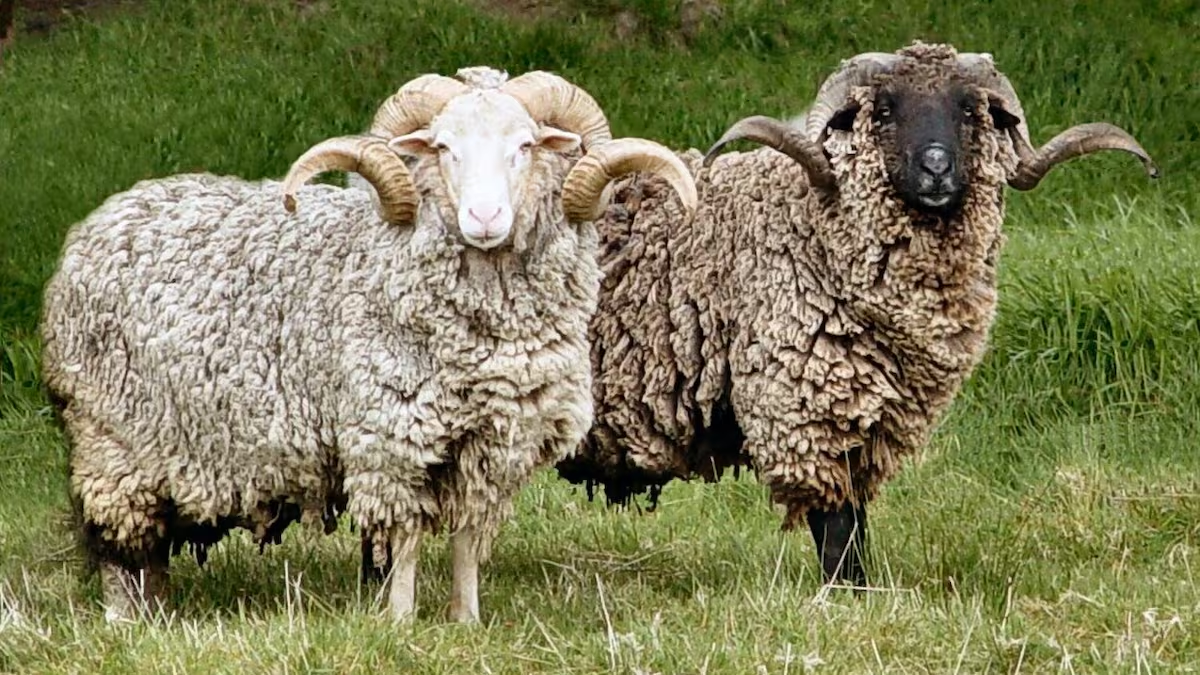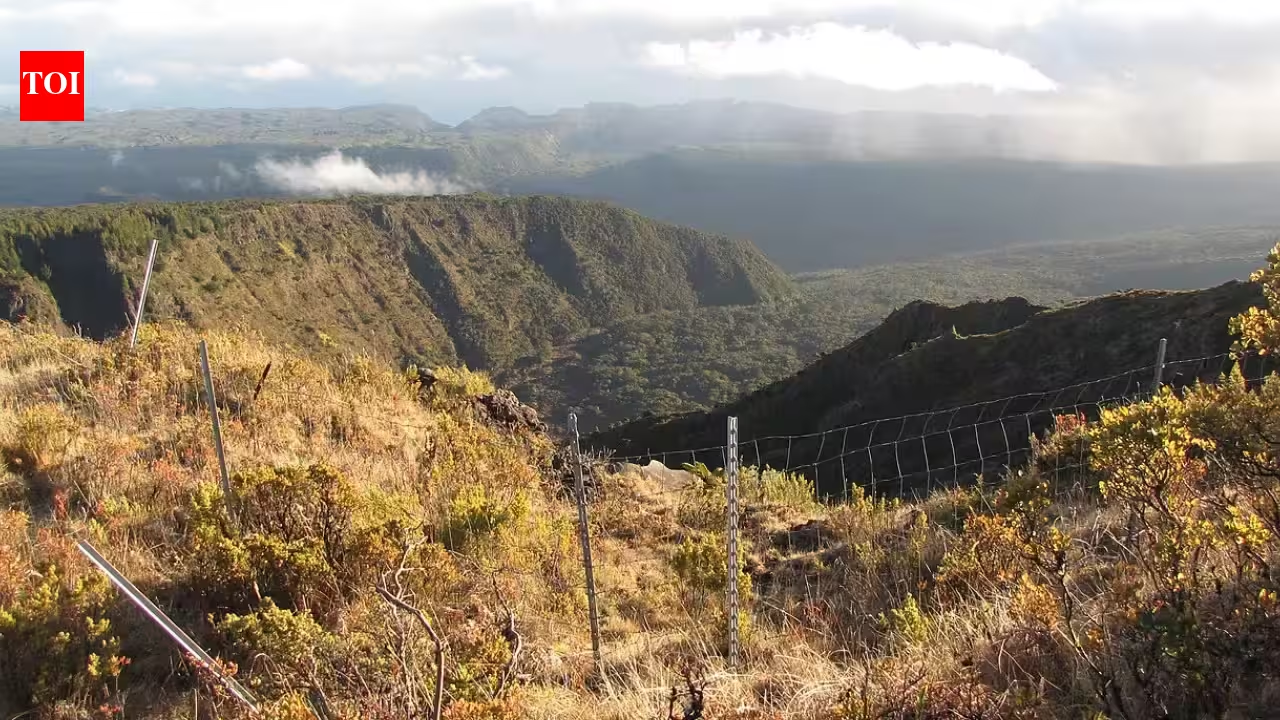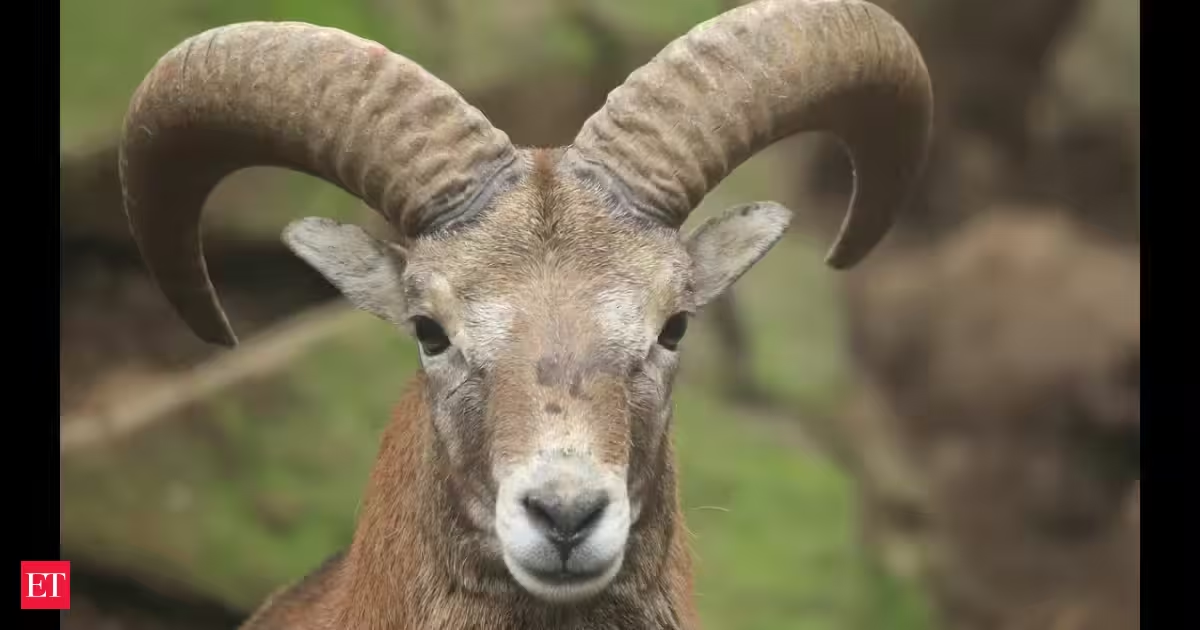
What began as a small trophy-hunting project on Hawaii Island eventually became a major conservation challenge.In 1968, eight mouflon sheep were introduced to Kahuku Ranch on the island for trophy hunting. Three more were added in 1974. By 2004, an estimated 2,586 mouflon were living in the area, according to a U.S. Geological Survey report.The population had grown rapidly despite hunting efforts, with an estimated annual growth rate of about 21%. At that pace, the herd could double roughly every three to four years.The mouflon thrived because Hawaii offered a wide range of suitable habitats. The animals spread through forests, pastures, subalpine shrublands and barren lava flows, including remote and steep terrain around Mauna Loa.That adaptability also made them difficult to control.MORE STORIES FOR YOU✕« Back to recommendation storiesI don't want to see these stories becauseThey are not relevant to meThey disrupt the reading flowOthersSUBMITBy 2004, about 44% of the estimated population was found in forested areas near ranching operations, while the rest was spread across shrublands and lava flows. Managers were therefore dealing with animals distributed across a large and challenging landscape rather than a contained game herd.The bigger concern was what the sheep were doing to the vegetation.Mouflon are both grazers and browsers. They feed on plants, strip bark from trees and shrubs, and trample vegetation as they move. Their repeated activity can also create trails and contribute to soil compaction.That pressure is particularly significant in Hawaii, where many native plants evolved without native mammalian herbivores.The effects can build slowly. Repeated browsing can prevent young plants from reaching maturity, while bark stripping can damage woody vegetation. Trampling and soil disturbance can further change the structure of the landscape.The USGS report, Wild Sheep and Deer in Hawai‘i: A Threat to Fragile Ecosystems, described how these pressures contributed to changes in native vegetation, including shifts in some areas from native rainforest toward grassy scrubland.The Kahuku story shows how quickly a small introduction can become an ecosystem-management problem. Eleven animals released over several years may have seemed insignificant at the time, but favorable conditions allowed the population to multiply and spread.By 2004, the estimated 2,586 animals represented a dramatic change from the original game herd.The number is a historical benchmark rather than a current population estimate. But it illustrates the scale of the transformation: a handful of sheep introduced for hunting had, within 36 years, become thousands of free-ranging animals placing sustained pressure on Hawaii Island's native forests and shrublands.
In 1968, Hawaii introduced 8 mouflon sheep for trophy hunting. 36 years later, thousands were threatening native vegetation
In 1968, eight mouflon sheep were introduced into Hawaii Island for hunting purposes. By 2004, their numbers soared to over 2,500, causing dire consequences for the native vegetation. Their relentless grazing and trampling affected trees and various plants across multiple ecosystems, presenting a significant conservation dilemma as managing this rapidly multiplying herd proved challenging. A once-admired game source quickly morphed into a serious ecological concern.
409 words~2 min read