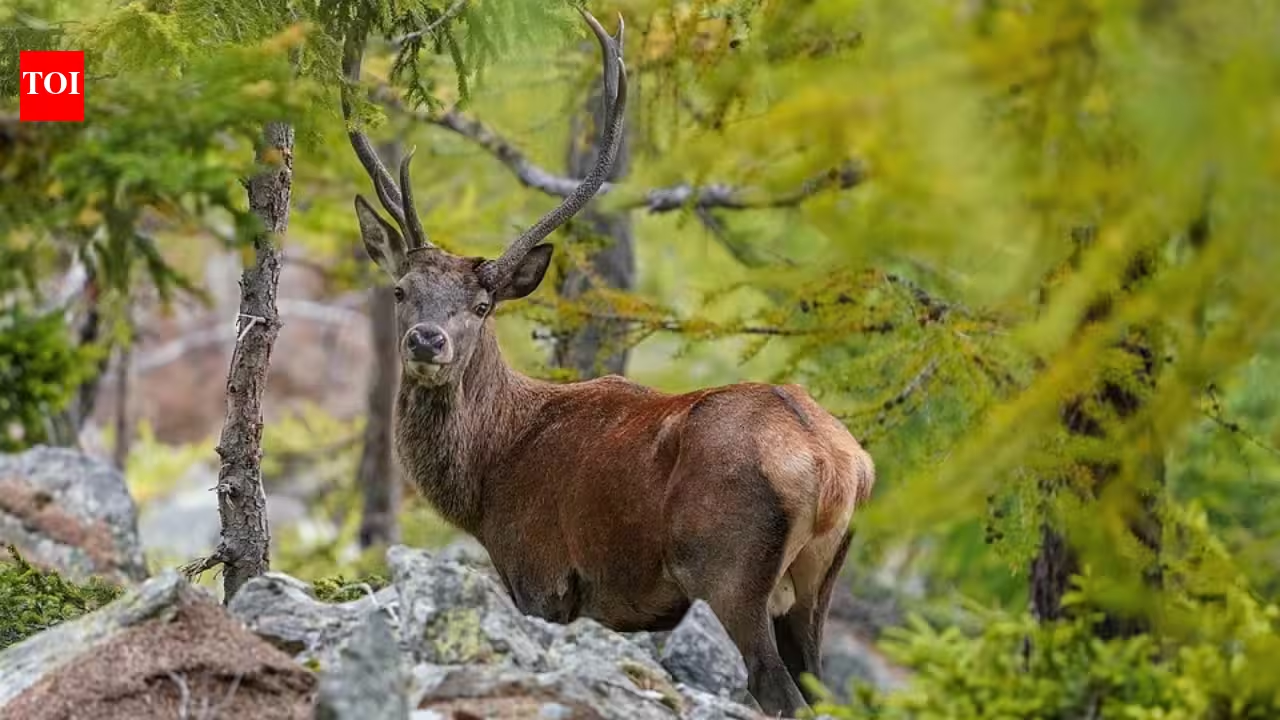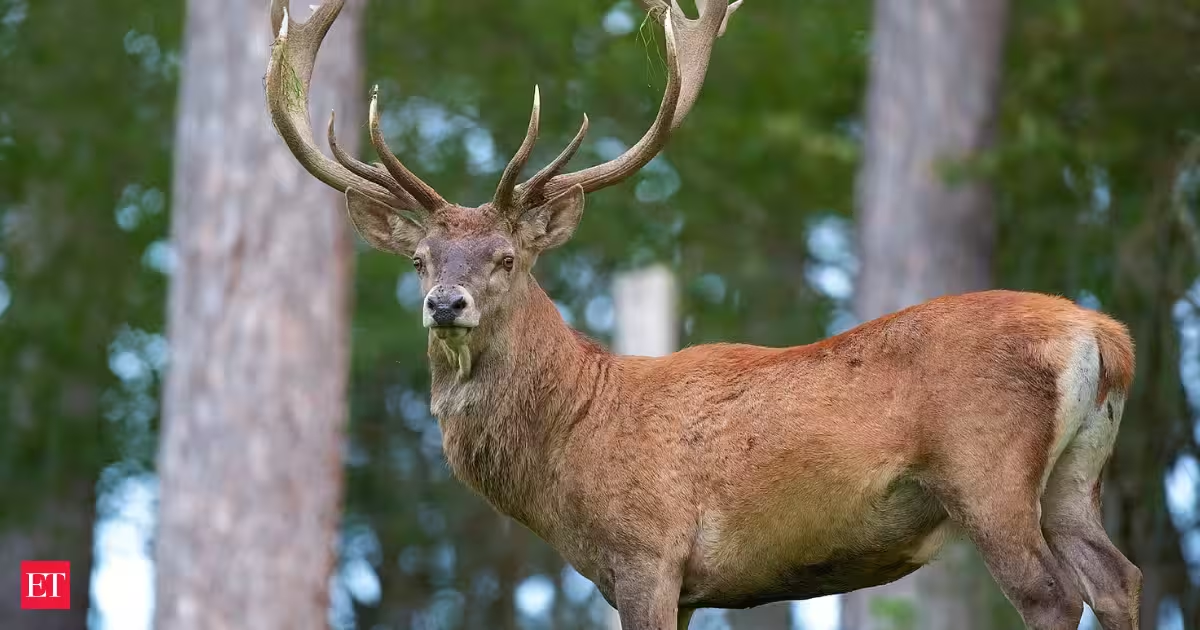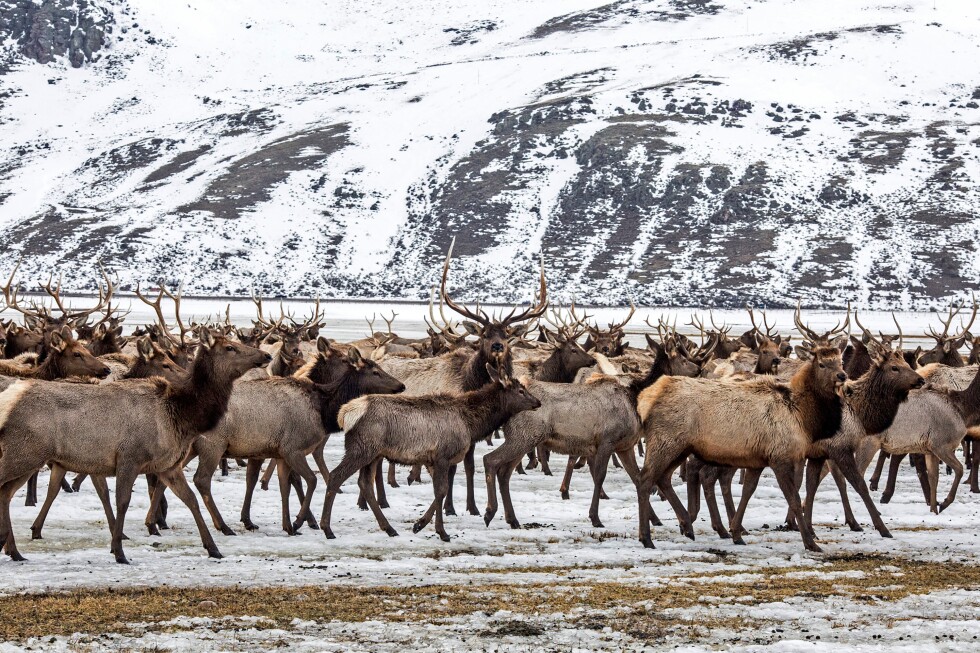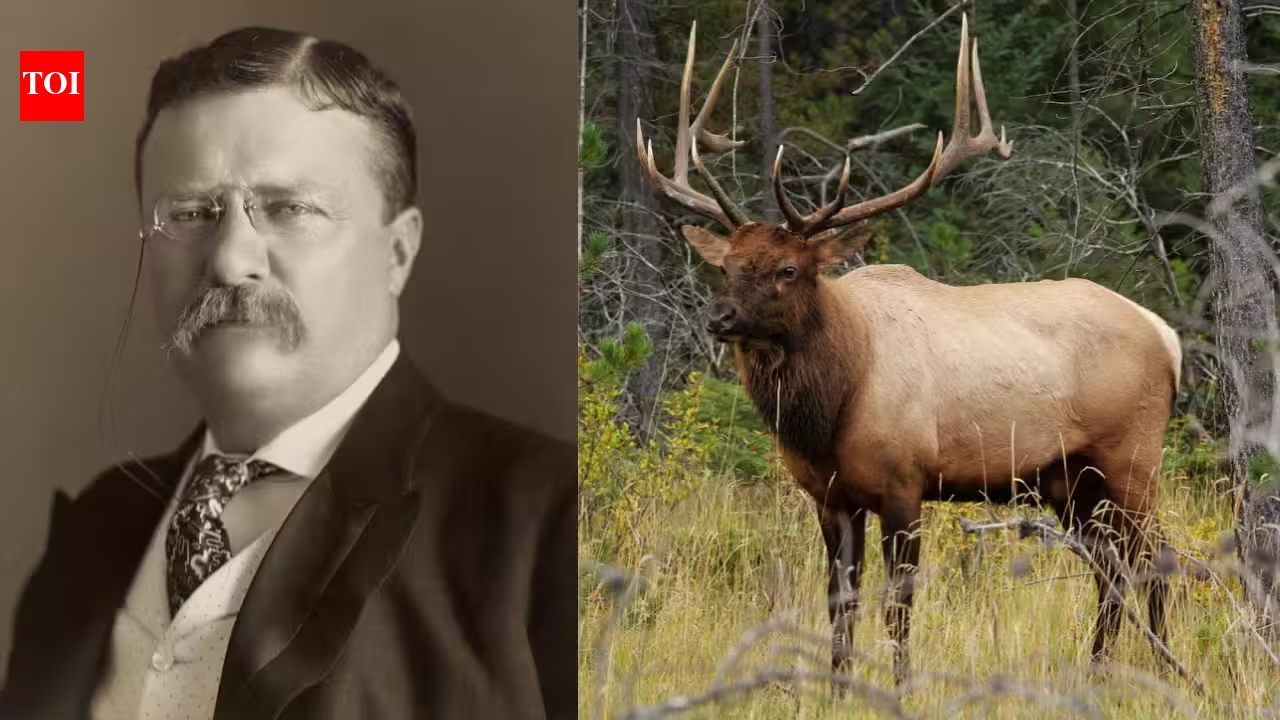
A small group of American wapiti, known in the United States as elk, was sent to New Zealand as a gift from President Theodore Roosevelt in 1905 | Wikimedia CommonsA small group of American wapiti, known in the United States as elk, was sent to New Zealand as a gift from President Theodore Roosevelt in 1905. The animals were released in Fiordland, where their descendants eventually established one of the world's unusual free-ranging wapiti populations outside the species' native North American range. The Department of Conservation says the Fiordland herd now largely comprises wapiti-red deer hybrids. That fact sits at the center of a long-running management question: how should an introduced herd valued by hunters be maintained inside one of New Zealand's largest national parks while protecting native ecosystems?A small group of American wapiti, known in the United States as elk, was sent to New Zealand as a gift from President Theodore Roosevelt in 1905 | Wikimedia CommonsFrom Roosevelt's gift to a Fiordland herdThe animals were introduced during a period when several deer species were being established in New Zealand for recreational hunting. An official Department of Conservation record on the proposed Fiordland Wapiti Herd of Special Interest says 10 wapiti bulls and eight cows were released at the head of George Sound in 1905, with 10 of those animals having been gifted by Roosevelt. The same record states that the animals were initially protected to give the population time to establish, and that the first hunting licence was issued in 1923.The herd developed a strong following among hunters over the decades. Official New Zealand records describe the Fiordland wapiti as having historical significance because of their early trophy reputation, commercial exploitation, and later genetic management and research. The Department of Conservation now describes the herd as largely made up of wapiti-red deer hybrids, noting that wapiti and red deer freely mix and breed.The animals in Fiordland today are descendants of an introduced population that has been shaped by more than a century of hunting, population control and hybridisation. The herd is still unusual in geographical terms. DOC describes it as the only free-range wapiti herd in the Southern Hemisphere, which was distributed across a defined part of Fiordland between Charles and Sutherland Sounds and inland toward Lake Te Anau.Hunting and biodiversity pulled management in different directionsDeer are not native to New Zealand, which is the main challenge. They can browse native vegetation, which is why their numbers and impacts have long been a conservation issue. At the same time, Fiordland's wapiti have significant value to recreational hunters. That produced competing management priorities, which were protecting native biodiversity and retaining a herd that hunters want to preserve.The issue became the subject of a formal public process in 2025, when the Department of Conservation sought submissions on a draft plan to manage the Fiordland herd as a Herd of Special Interest, or HOSI. DOC said the proposal aimed to maintain deer numbers at levels that would support the hunting experience while also improving natural biodiversity and preventing the loss of native species from their current range. The consultation received 352 submissions.The debate concerned how an introduced population should be actively managed inside a national park. The draft plan included recreational hunting, professional deer control, monitoring and measures intended to track environmental impacts. The hybrid nature of the herd added another layer to the discussion because the population being managed is no longer genetically identical to Roosevelt's original introduction.Fiordland, New Zealand | Wikimedia CommonsThe debate reached a new stage in 2026On July 13, 2026, the Fiordland wapiti population in the designated Wapiti Area of Fiordland National Park became New Zealand's first Herd of Special Interest under the Game Animal Council Act 2013. DOC says the designation covers approximately 190,700 hectares and requires ongoing management and monitoring to reduce browsing impacts on native ecosystems. DOC remains responsible for management of the area, while the Fiordland Wapiti Foundation continues to manage hunting and herd operations on the ground under the approved management plan. The Department says vegetation conditions and hunting outcomes will be monitored to inform future management.The original wapiti introduced to Fiordland produced a population that became part of New Zealand's hunting culture, mixed genetically with red deer and survived through major changes in wildlife policy. Its descendants are now managed under a legal framework designed to balance hunting with ecological protection. The animals that began as a presidential gift for sport remain in Fiordland, but their future is being decided through active population control, environmental monitoring and an ongoing attempt to reconcile two competing priorities inside a national park.
In 1905, Theodore Roosevelt sent New Zealand 20 elk for sport, and their hybrid descendants are still at the centre of a conservation debate
A small group of American wapiti, known in the United States as elk, was sent to New Zealand as a gift from President Theodore Roosevelt in 1905. The animals were released in Fiordland, where their descendants eventually established one of the world's unusual free-ranging wapiti populations outside the species' native North American range.
767 words~3 min read