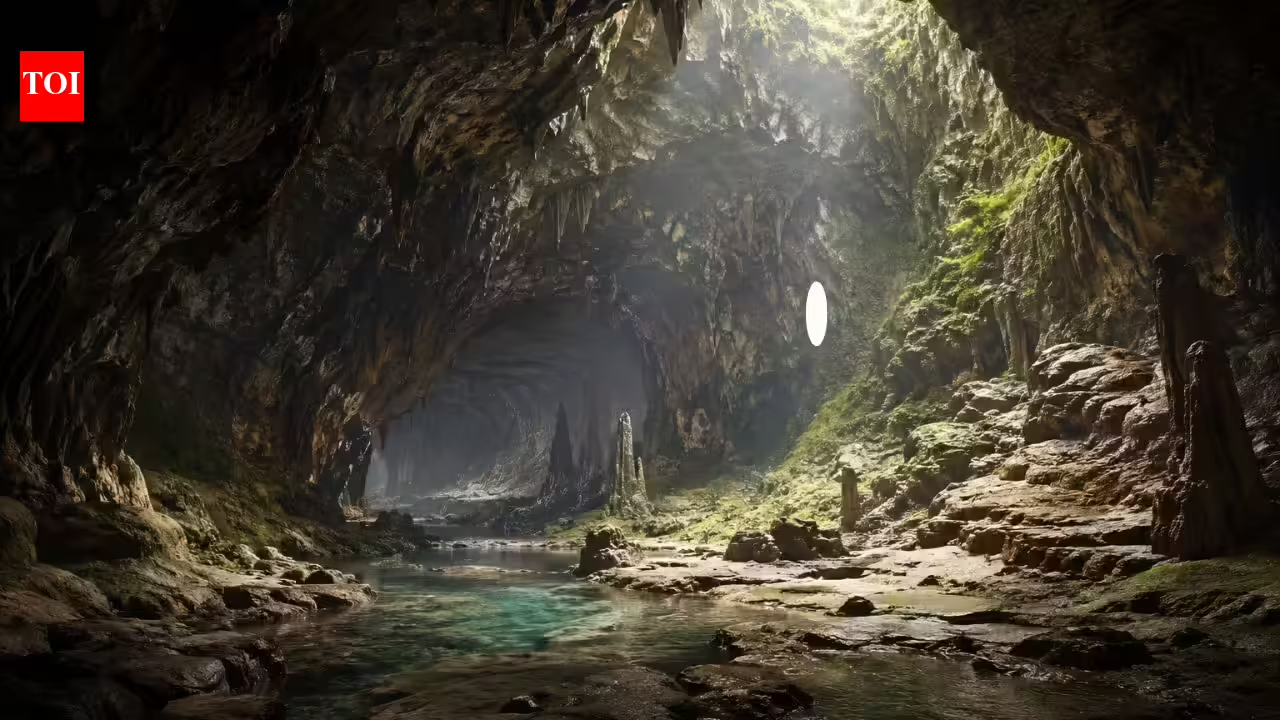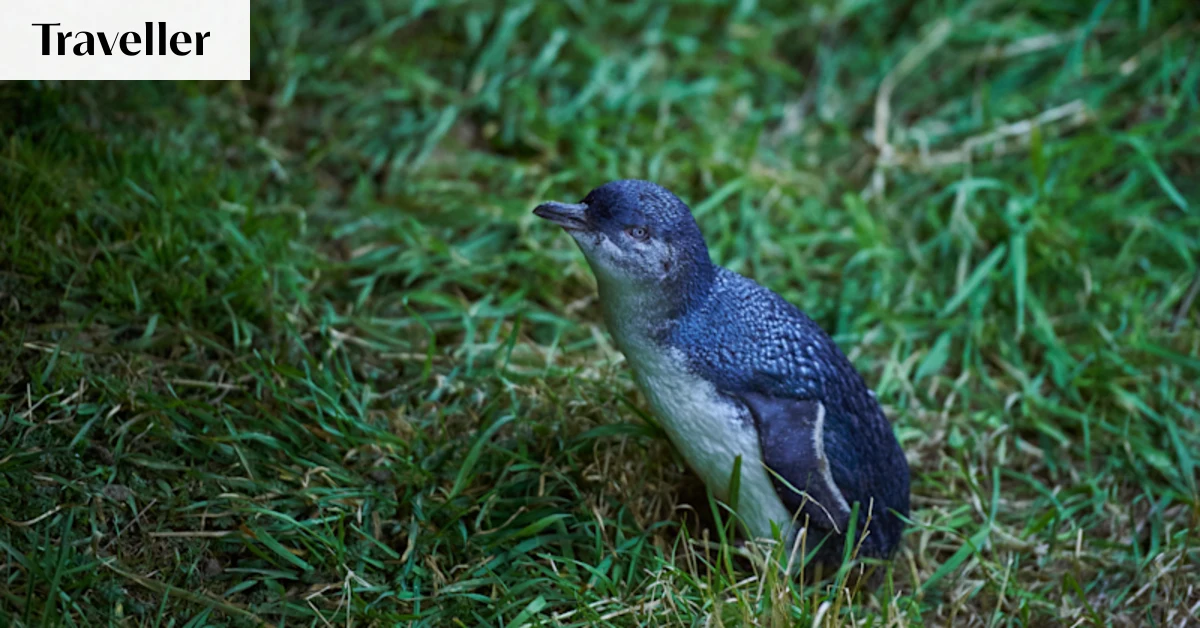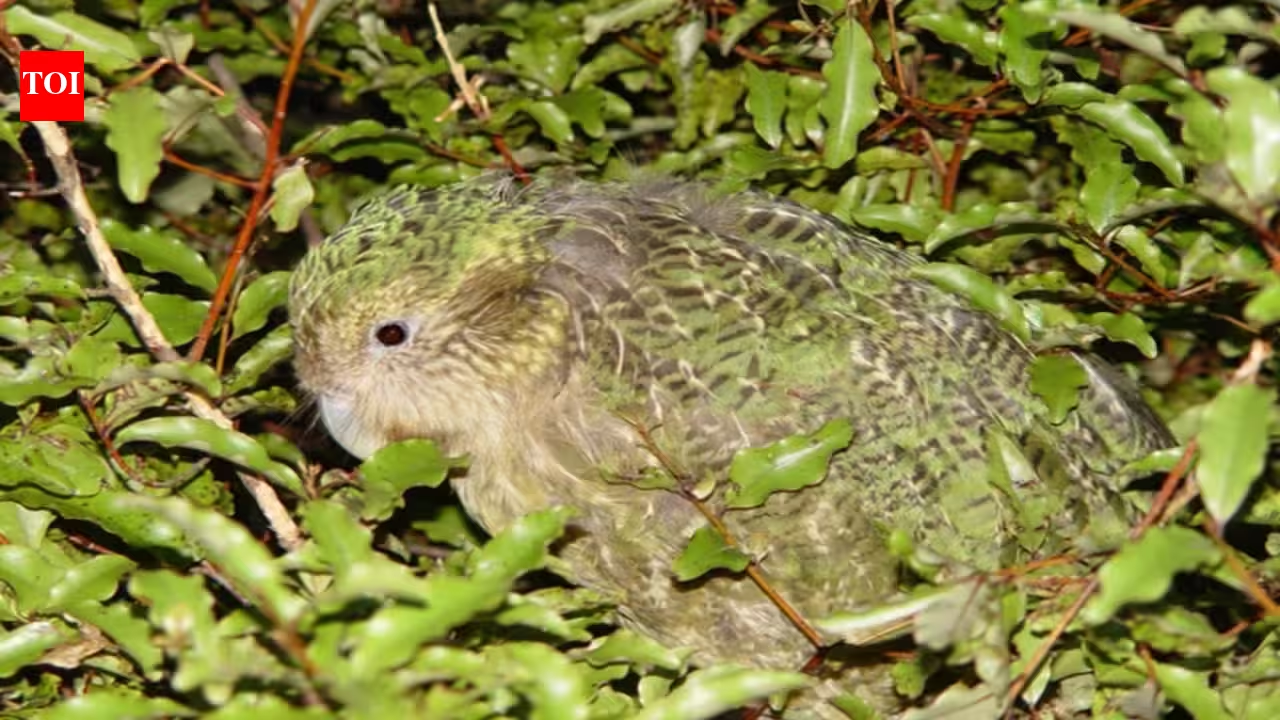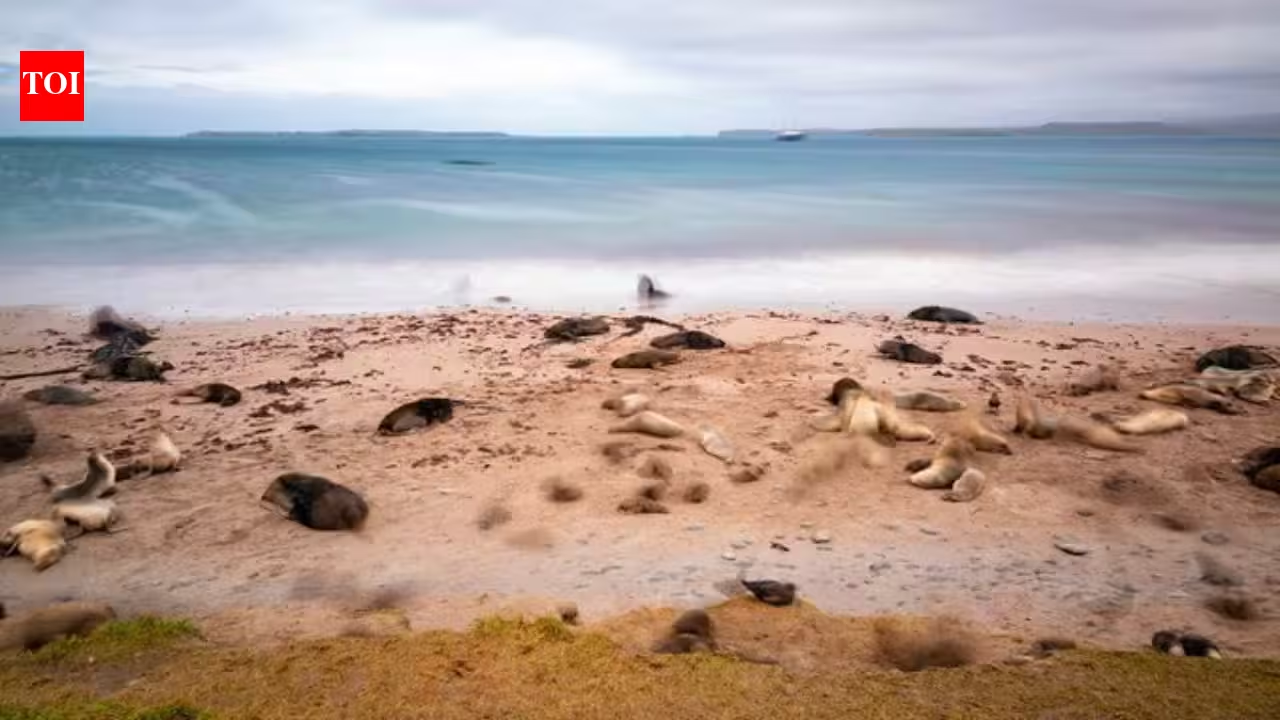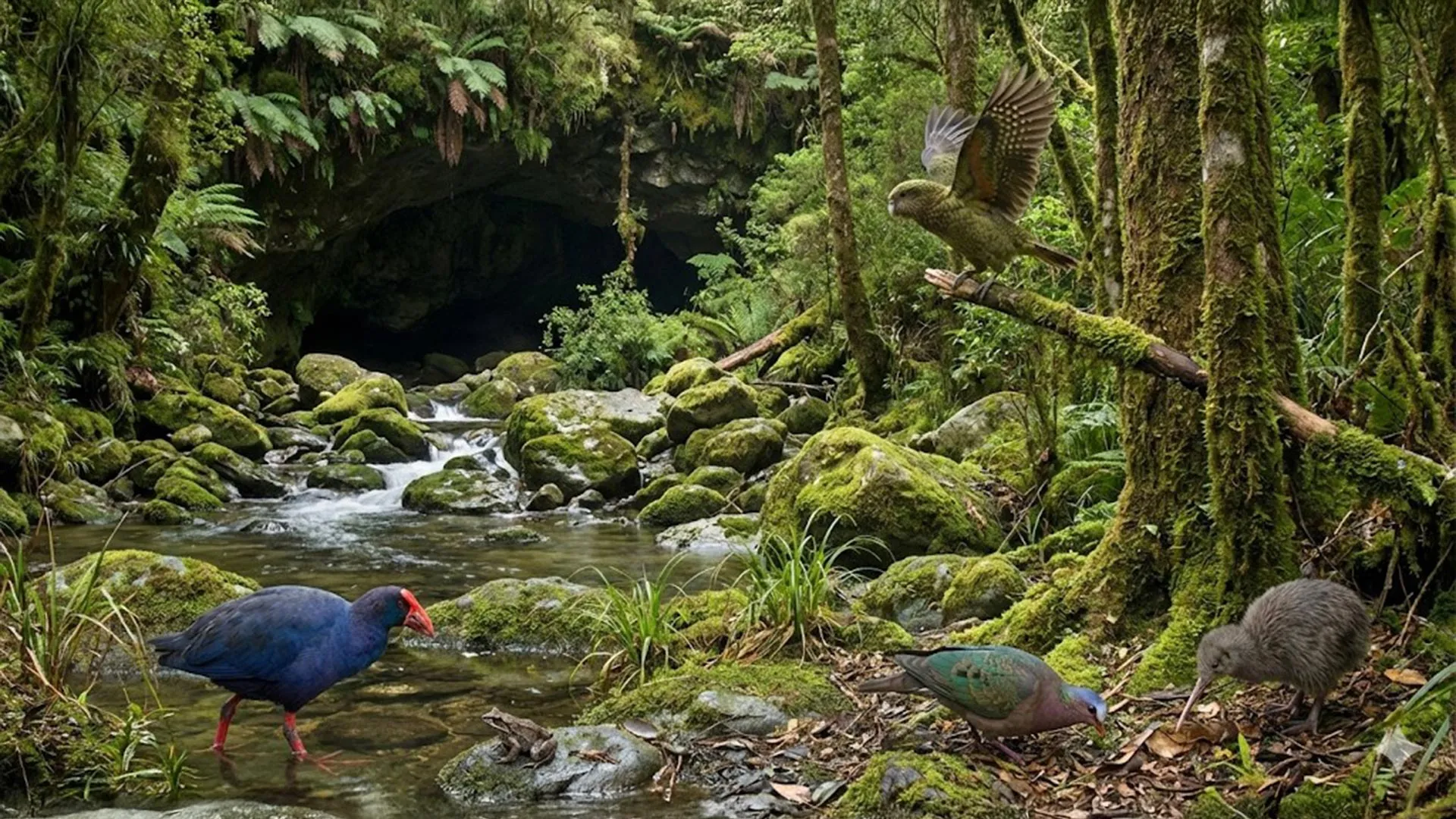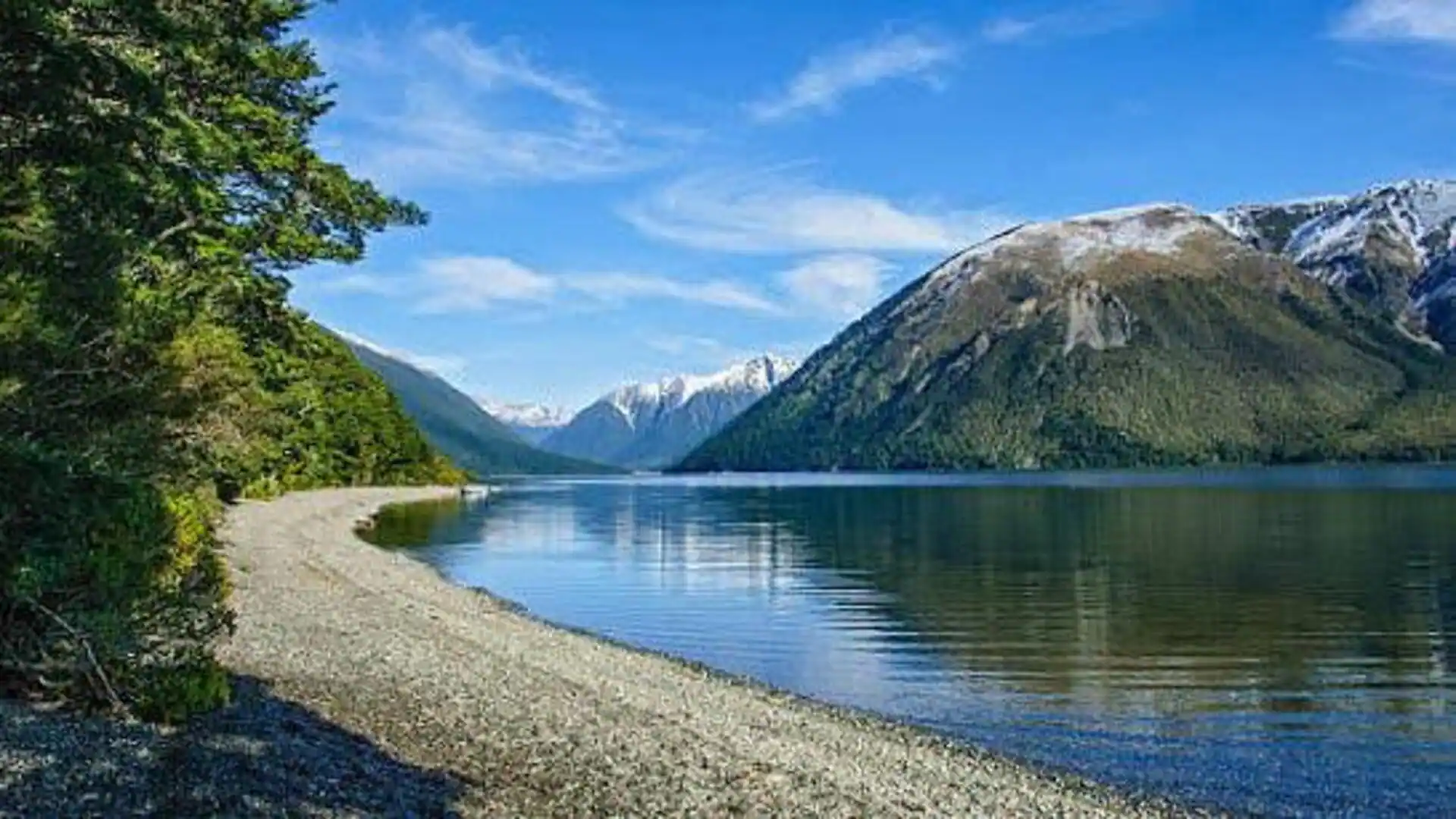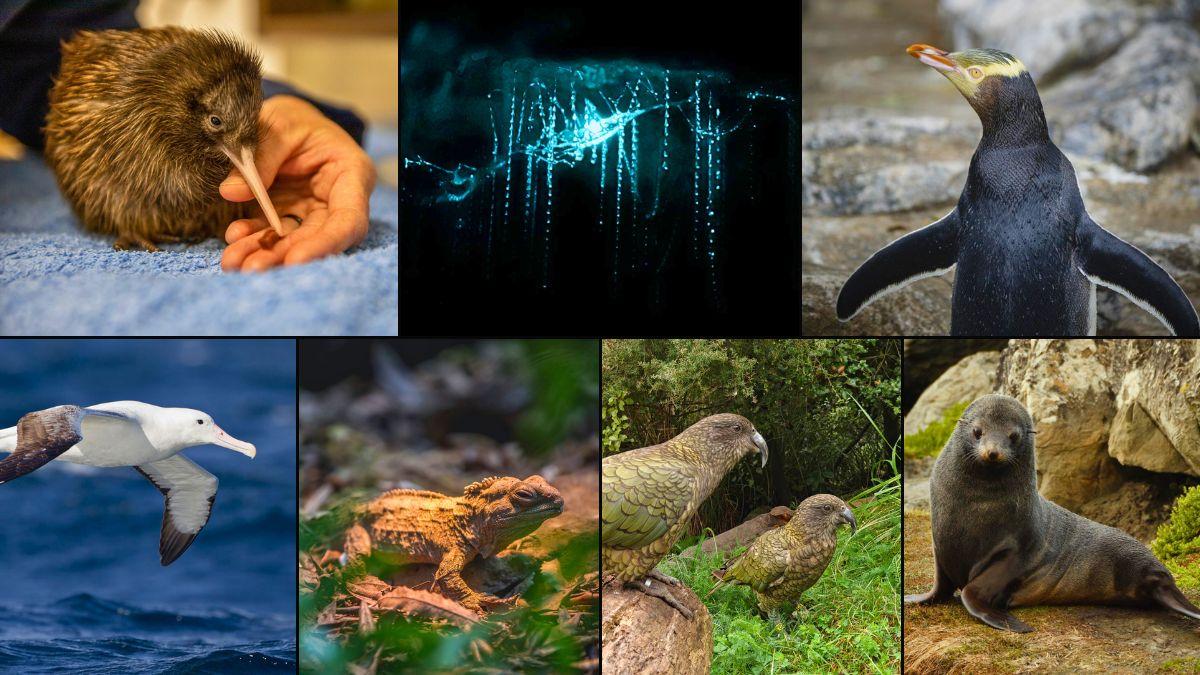
New Zealand’s wildlife evolved in prolonged isolation after the ancient supercontinent Gondwana broke apart roughly 85 million years ago, leaving the islands without terrestrial mammals for millions of years and allowing birds, reptiles and insects to take up ecological roles that elsewhere belonged to predators, grazers and scavengers. They survive today in fragments across the country.“Anyone that comes here, there’s an innate desire and aspiration for Nature to thrive. Or you wouldn’t be here.” Bodie Tihoi Taylor says this while standing inside Sanctuary Mountain Maungatautari, a 3,400-hectare ecological sanctuary in the Waikato region of the North Island, where native birds now outnumber invasive predators because humans built a 47-kilometre fence around an extinct volcano and removed nearly every mammalian threat inside it.Bodie, a cultural educator and iwi representative who leads the sanctuary’s Moa Hunter tours, speaks about conservation as a consequence of history. For Māori communities, the country’s wildlife is inseparable from the memory of what was already lost, and the moa remains central to that history.
Bodie Tihoi Taylor, cultural educator and iwi representative, enters Sanctuary Mountain Maungatautari, New Zealand