There is likely no nation more enamoured with birds than New Zealand; bird song marks 7 a.m. on public radio, its people describe themselves as Kiwis (after the native flightless bird), and every year one species is crowned the Bird of the Year in a popular vote.
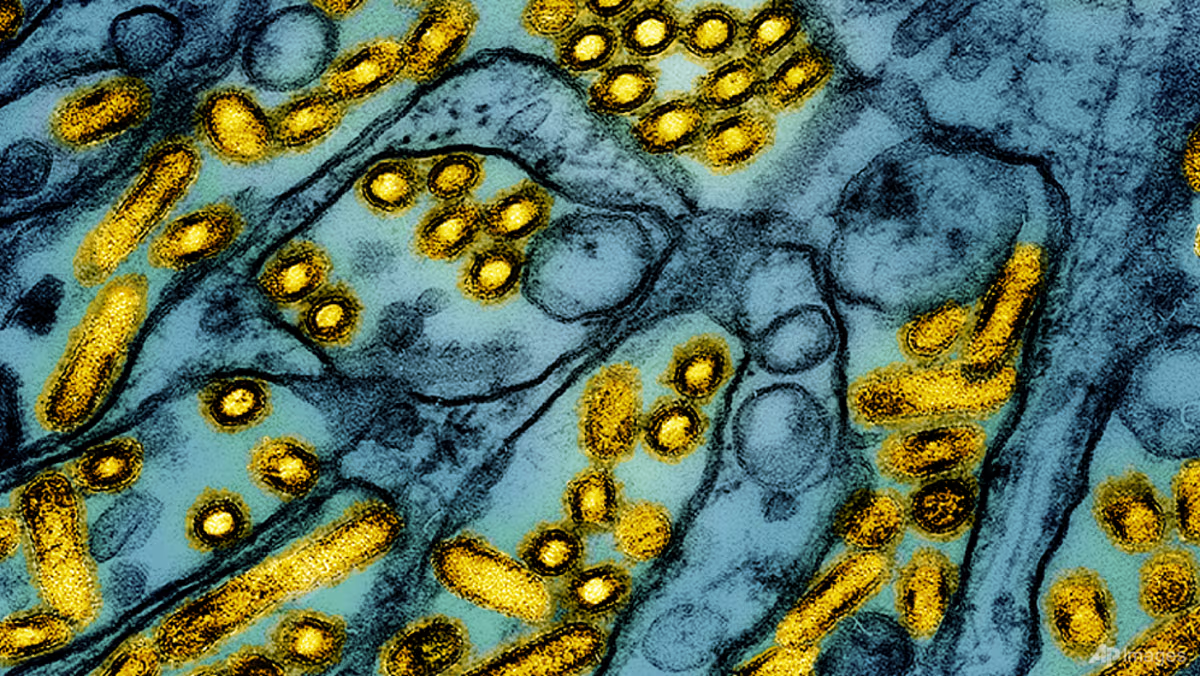
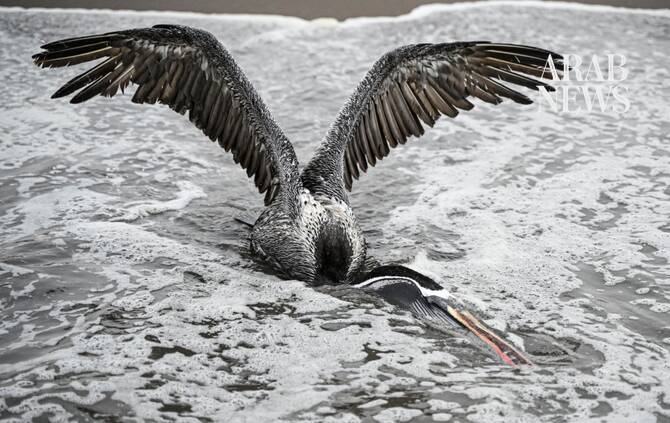
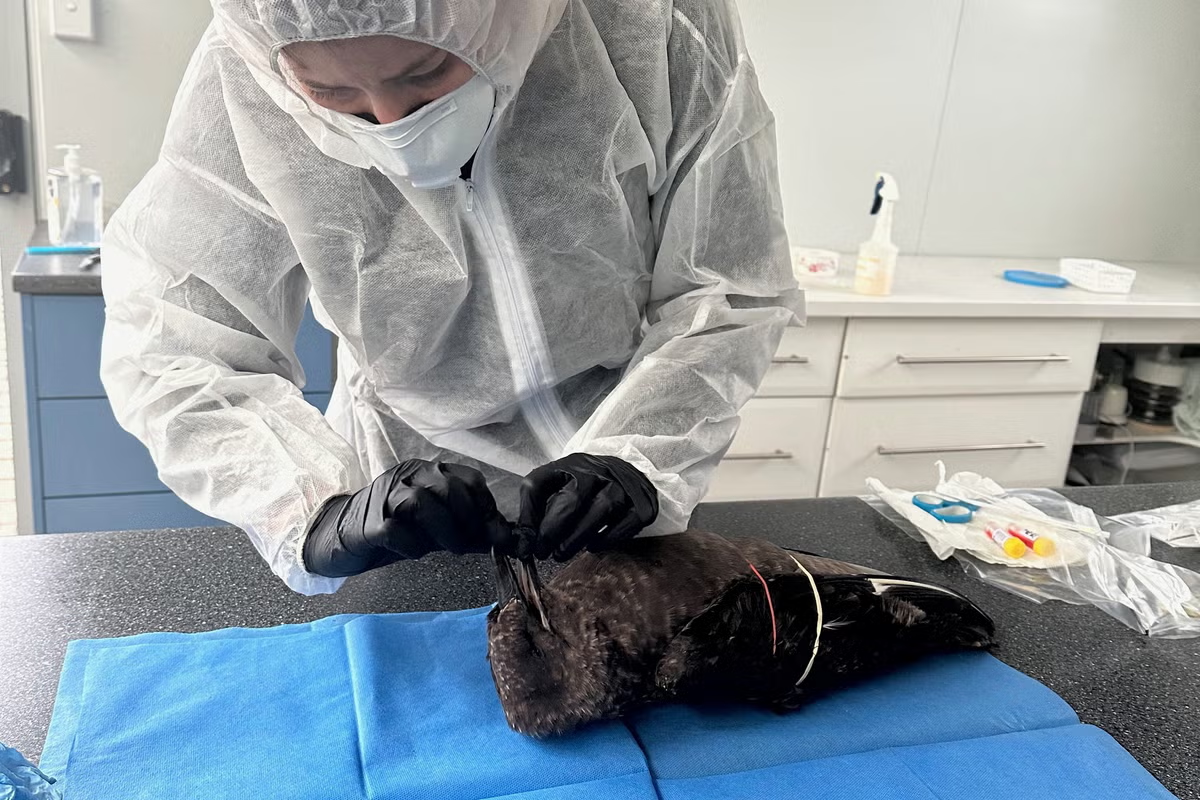
So, the discovery last week of two birds infected with the deadly H5N1 strain of bird flu has rattled nerves. Millions of birds worldwide have died after becoming infected with the strain, and bird lovers worry it could pose an extinction risk to some of the South Pacific nation’s most prized natural treasures.
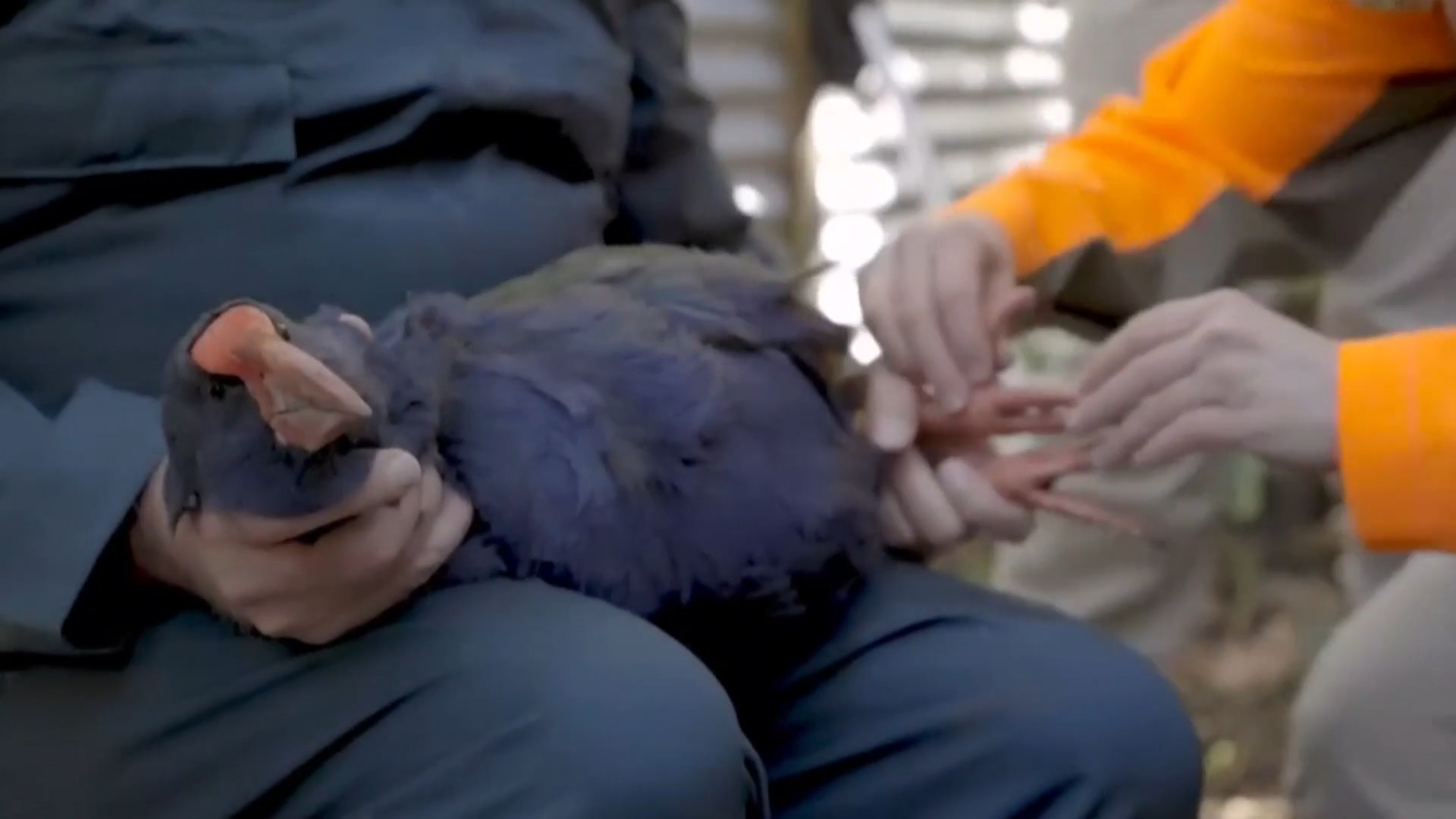
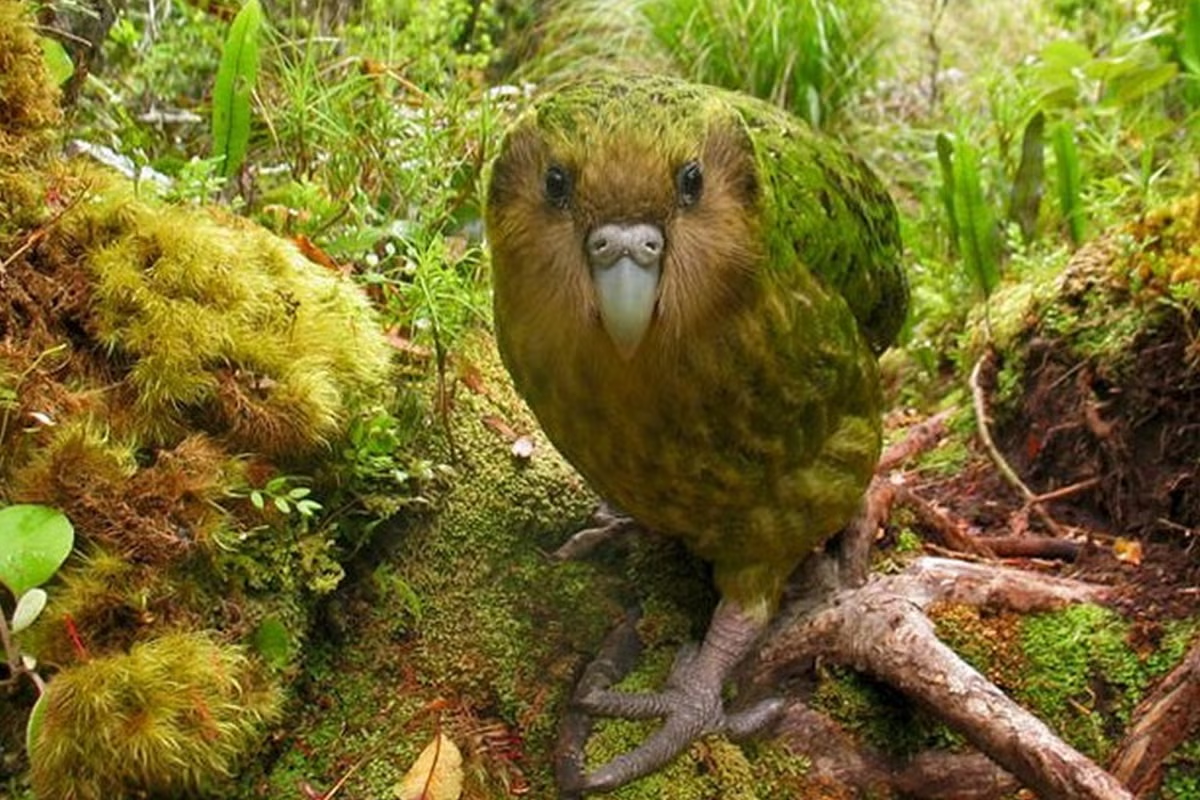
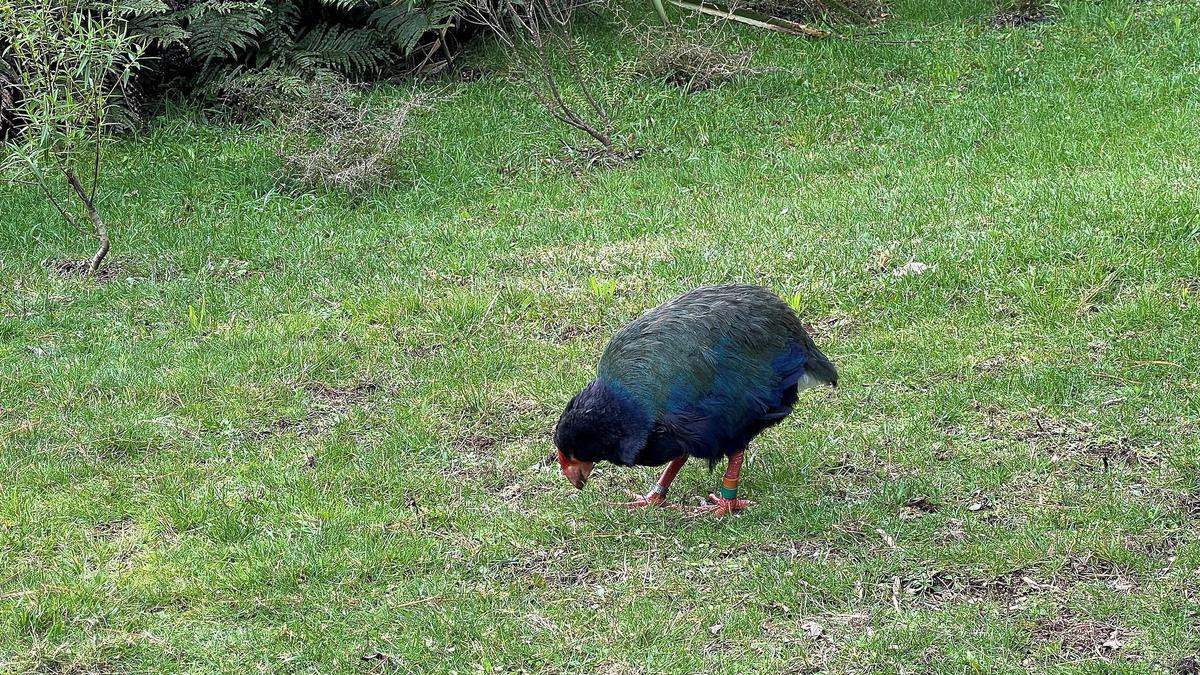
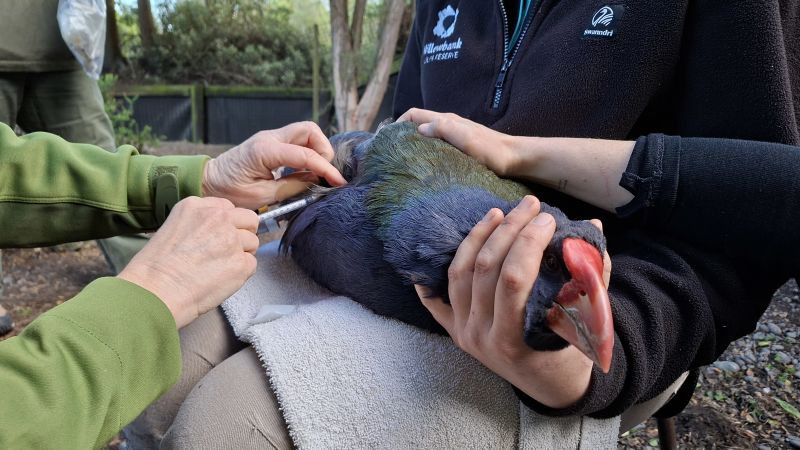
One of the last large landmasses inhabited by humans, New Zealand’s isolated islands had no predatory mammals for millions of years. It was a bird’s paradise that gifted the country a raft of striking unique species, from the kākāpō, a cheeky flightless and nocturnal parrot, to the takahē –– a colourful, almost dinosaur-looking, ground-dwelling creature.
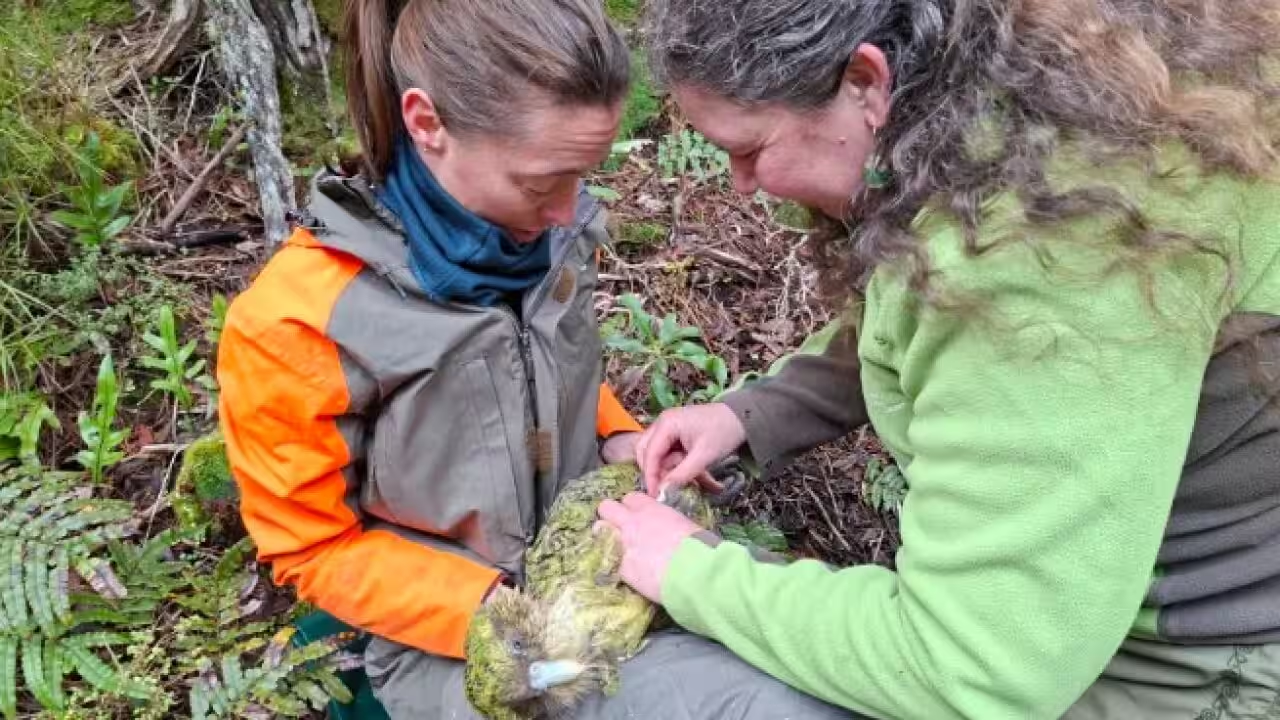
In a rare step few countries have tried, New Zealand is now rushing to vaccinate 300 breeding pairs of five critically endangered native species to protect them from the virus.
“These birds are only found in New Zealand; they’re not found anywhere else in the world, so it’s important to us.” said the country’s biosecurity minister Andrew Hoggard last week.