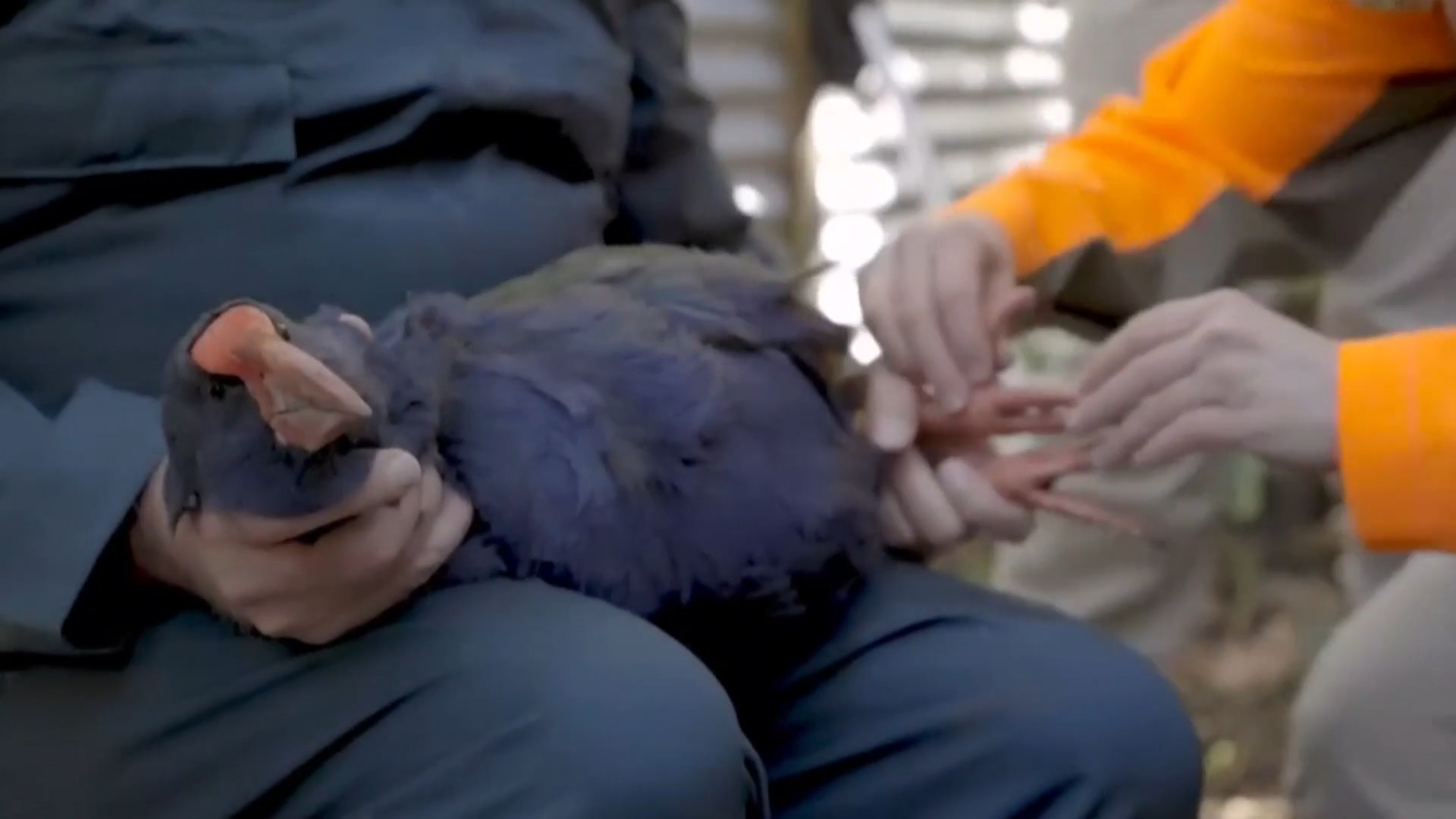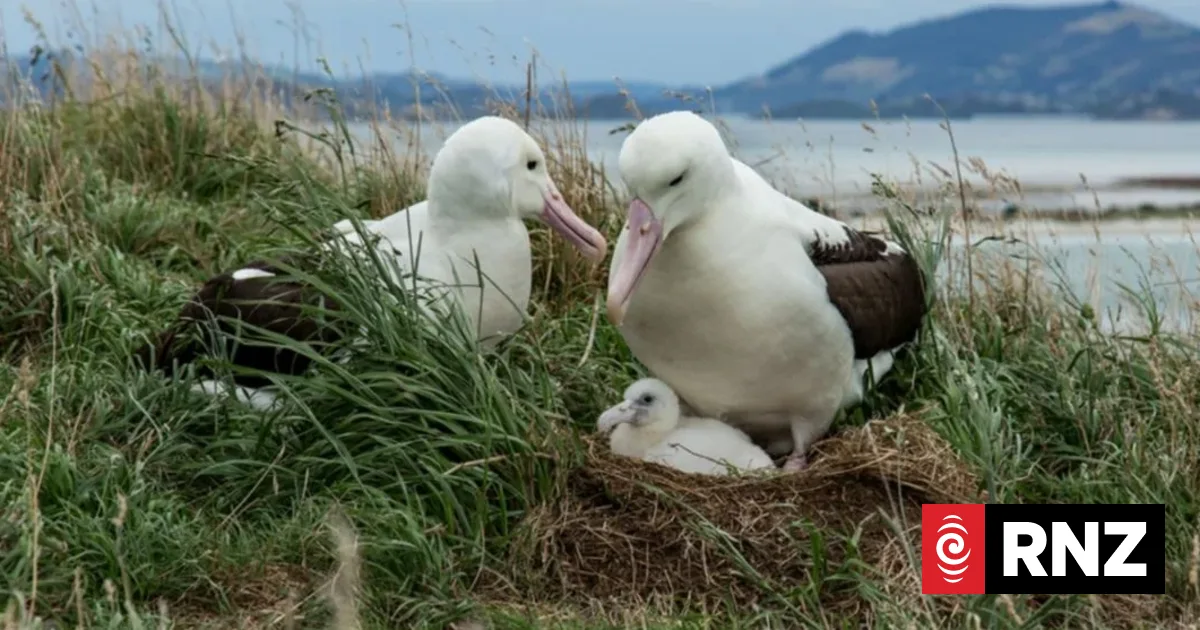
Wildlife tourism businesses say they are not panicking, but they are prepared for bird flu to spread south.A second case of the deadly H5N1 strain has been confirmed in the Wairarapa.While the South Island currently has no cases, one Dunedin operator feared bird flu could wipe out one of the country's taonga species that was already on the brink.Dunedin is known as the country's wildlife capital, home to toroa, hoiho and sea lions among many other native taonga.Otago Peninsula Trust ecotourism manager Hoani Langsbury was worried the city could be the first place to discover avian influenza from birds travelling across the Tasman.He oversees the Royal Albatross Centre, and said they had developed special environmental monitoring system with local scientists to alert them when it arrived.He expected bird flu might arrive via the thousands of red-billed gulls that breed near the centre each year.They have set up water troughs that are tested daily for bird flu."And before they even start dying, we have the potential to understand what's happening," he said.He was worried about what it would mean for native species."I'm a trustee of the Yellow-eyed Penguin Trust, and we were looking at functional extinction of hoiho in less than 10 years. The arrival of bird flu means it's probably imminent," he said."Another iconic species lost from our city and the rest of New Zealand."An albatross at Otago Peninsula Trust (file image).Supplied / Otago Peninsula TrustVaccination was on the cards for royal albatross, but he said that would not be feasible for every species they wanted to protect.It could also have an impact on the country's wildlife capital."Wildlife tourism brings in $300 million to the local economy. And a lot of that money, the ecotourism operators and charitable trusts goes back into looking after the environment and the wildlife," he said.There would be consequences if they could not generate that revenue, but they would not know the full extent until bird flu arrived and settled in, he said.Langsbury did not rule out closing the business temporarily if needed, and hoped the government might consider financial assistance as it could take a couple of years of disruption to reach a new normal with bird flu.In Queenstown, Kiwi Park wildlife curator Todd Jenkinson said the industry had been speaking with countries that already had bird flu about their experiences, what worked and what did not."We knew it wasn't if it hit our shores, it was when it hit our shores. I think we've dodged a bullet for a couple of years, but it's here now," he said."Thankfully we've had at least two years of planning."A brown teal at Kiwi Park in Queenstown (file image).123RFThey wanted to protect native wildlife and keep their doors open."But also to ensure that we've got business continuity as well so that we don't need to close our facilities and we still have our visitors and our tourists coming through ... and they're safe and our wildlife's safe," he said.Possible ramp up steps could include temporarily removing walk through access of the kiwi aviary, but people would still be able to view them, he said.Ōamaru Penguins has a thriving colony of 700 little blue penguins with 200 eggs already laid.Science and environmental manager Dr Philippa Agnew said they already had a multi-stage plan in place and have added wash stations and signage."Each day, a staff member is going to walk through the entire colony and space that we're in and just check for anything that looks suspicious, sick or injured birds or seals," she said.Ōamaru Little Blue Penguins returning to their nests at the colony at dusk (file image).Tourism Waitaki/Cindy MotteletThey would go to Level 2 if it arrives in the region, with PPE for research and conservation staff working with penguins.But it might also impact where visitors could go."At the moment, during the day people can walk on the ground in the colony itself," Agnew said."So a move to, say, Level 2 would just mean that people simply have to stick to the boardwalks."It was concerning after seeing how bird flu had devastated wildlife in other parts of the world, she said."It's not just the penguins and the seals here. There are Otago shags, red bill gulls, terns. It's a really important space for that wildlife so there's definite concern there."But we're just taking everything in our stride and we'll just deal with it as the situation changes."Its rehabilitation clinic for sick and injured kororā remained open at present.Willowbank Wildlife Reserve director Mark Willis said they had a variety of native birds including takahē and kiwi."The concerns are obviously the unknown and we have to therefore plan to ensure that our biosecurity is as high as possible for those taonga species where the impact is unknown," he said."People need to be sensible. It isn't a time for panic."DOC staff vaccinate a takahē at Willowbank Wildlife Reserve in Christchurch.Supplied / DOCThey were taking precautionary steps at the moment, mostly for staff, he said.That included ensuring staff who had contact with birds outside the park changed their footwear and doing the same thing for some enclosures.The park has walk through enclosures including for kea.He was not ruling out using a bypass path so people could see the kea but not interact with them if needed.Zoo and Aquarium Association Australasia said planning and preparedness had been the focus of its members."These organisations have been preparing for the introduction of the H5N1 virus into Aotearoa for several years, working closely with central and local government, veterinarians, overseas zoos and other experts," a spokesperson said.That meant they were ready to ramp up biosecurity as required."Biosecurity plans are tailored to members' unique contexts: taking into account their location,facilities, and the species they care for," a spokesperson said."Since the virus arrived in Aotearoa, Zoo and Aquarium Association members have responded quickly to activate their biosecurity plans and are prioritising the health and welfare of their animals."While attention was on bird flu cases up north, South Island businesses said they would use whatever time they had to keep preparing.
Tourism businesses brace for bird flu spread after years of planning
Wildlife tourism businesses say they are not panicking, but they are prepared for bird flu to spread south.
1,004 words~5 min read