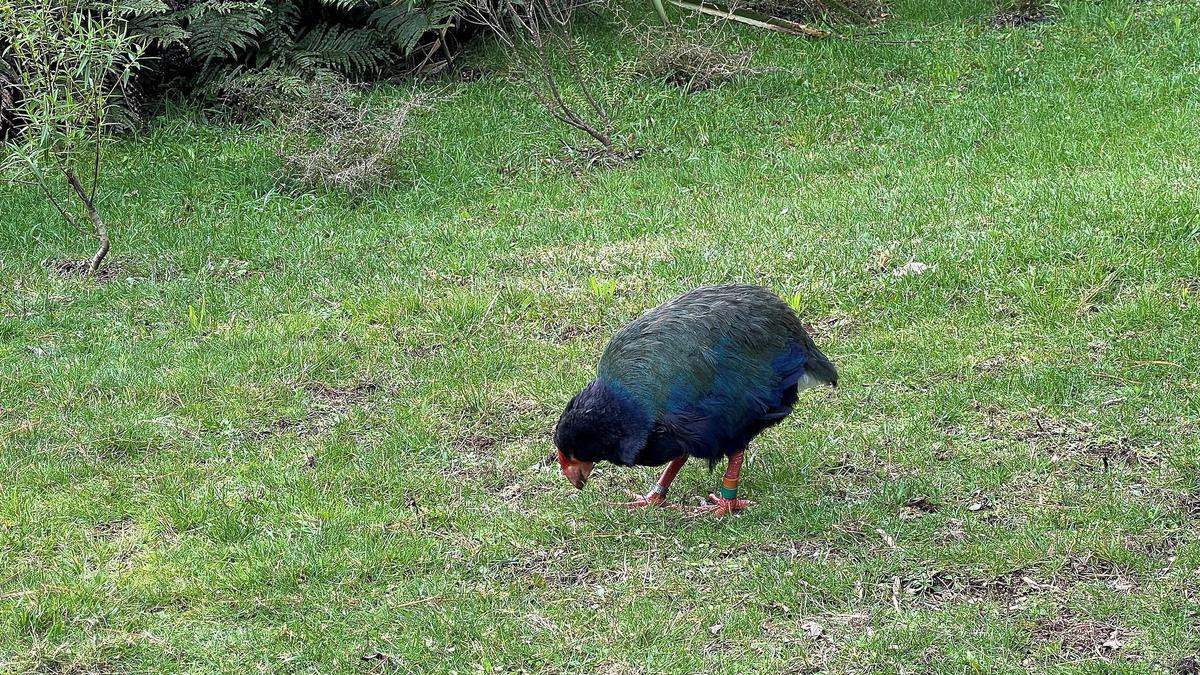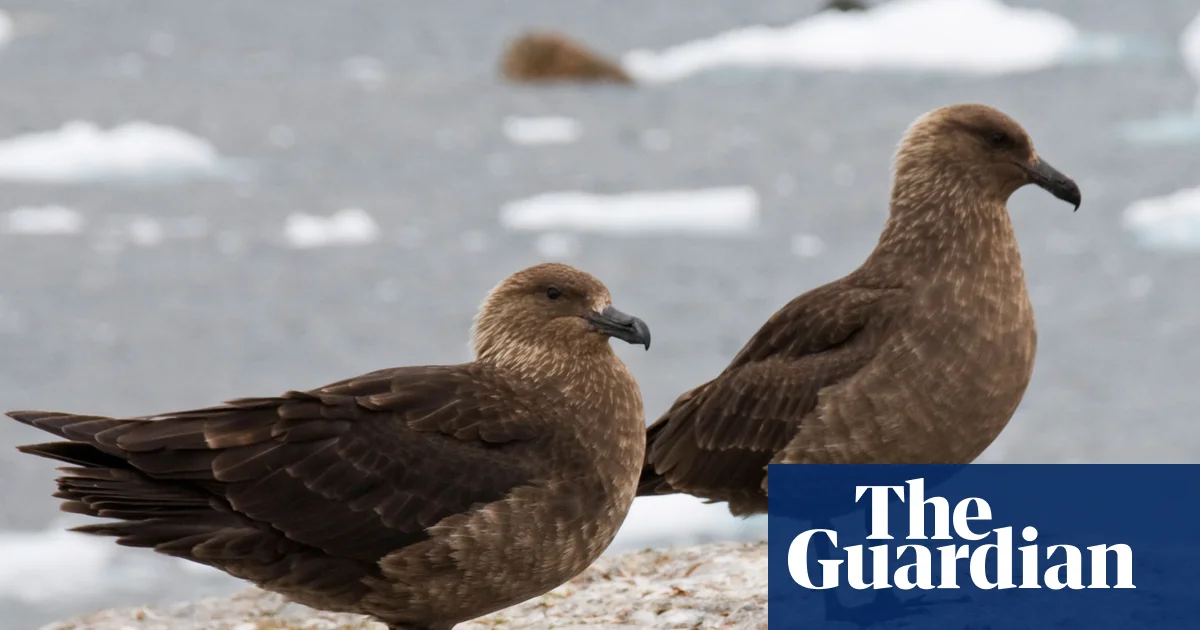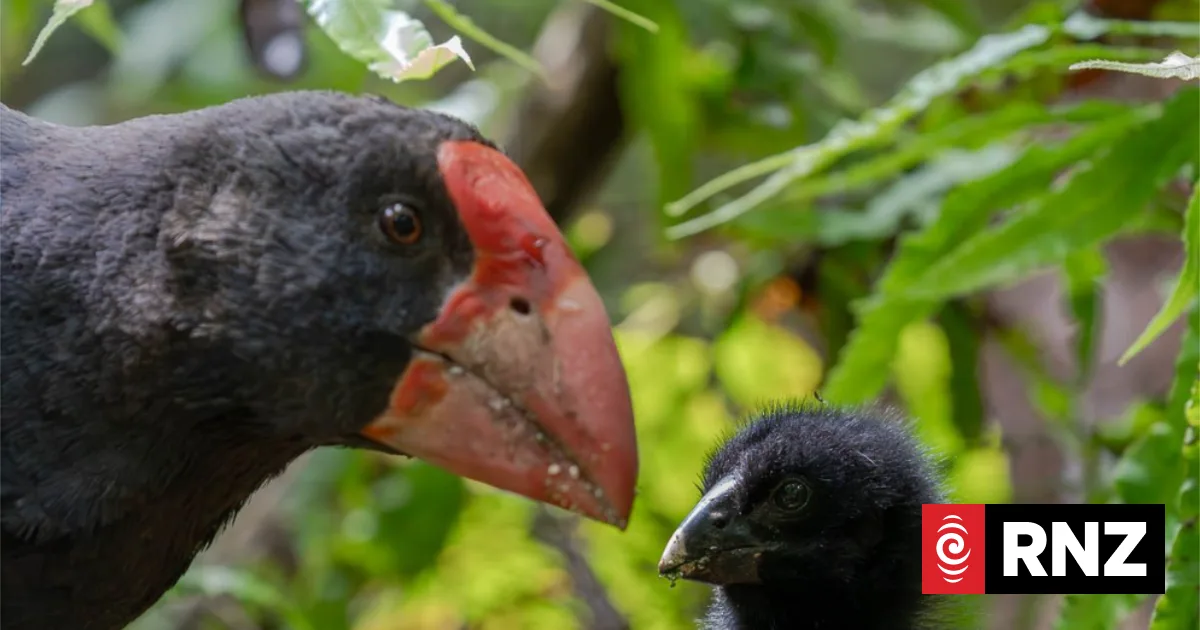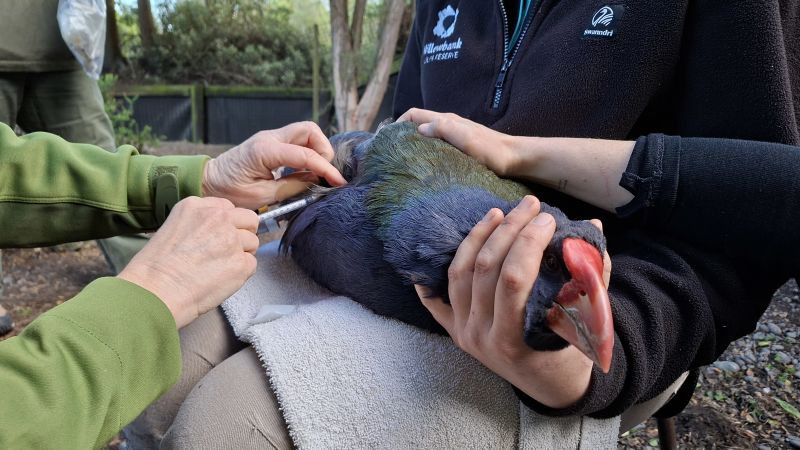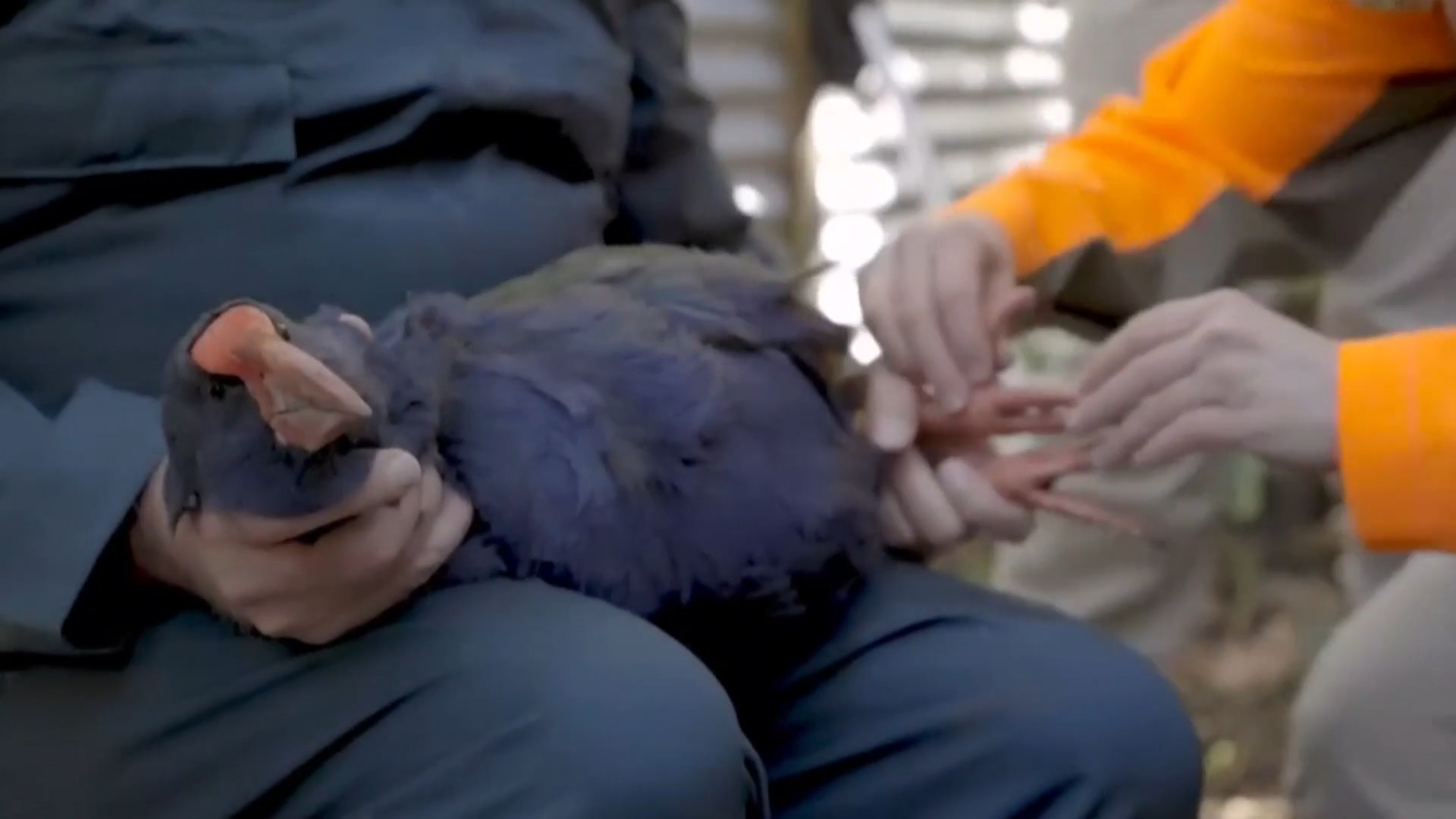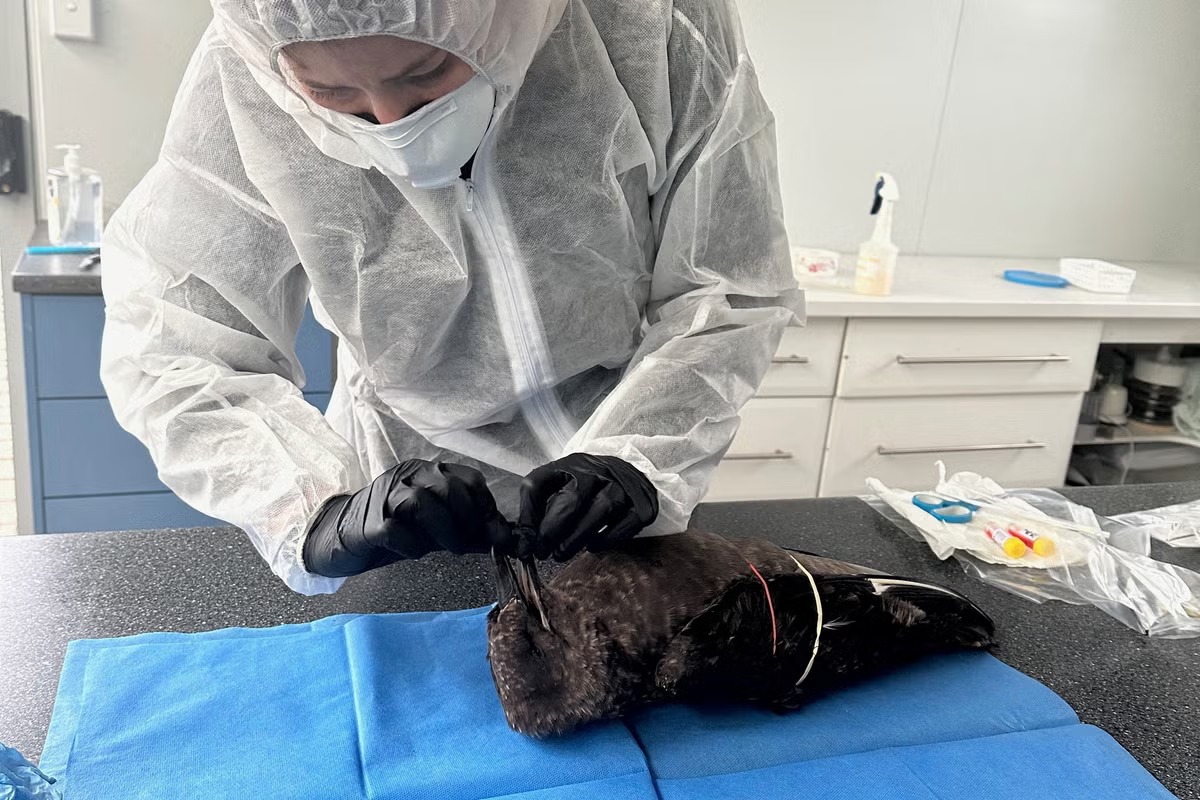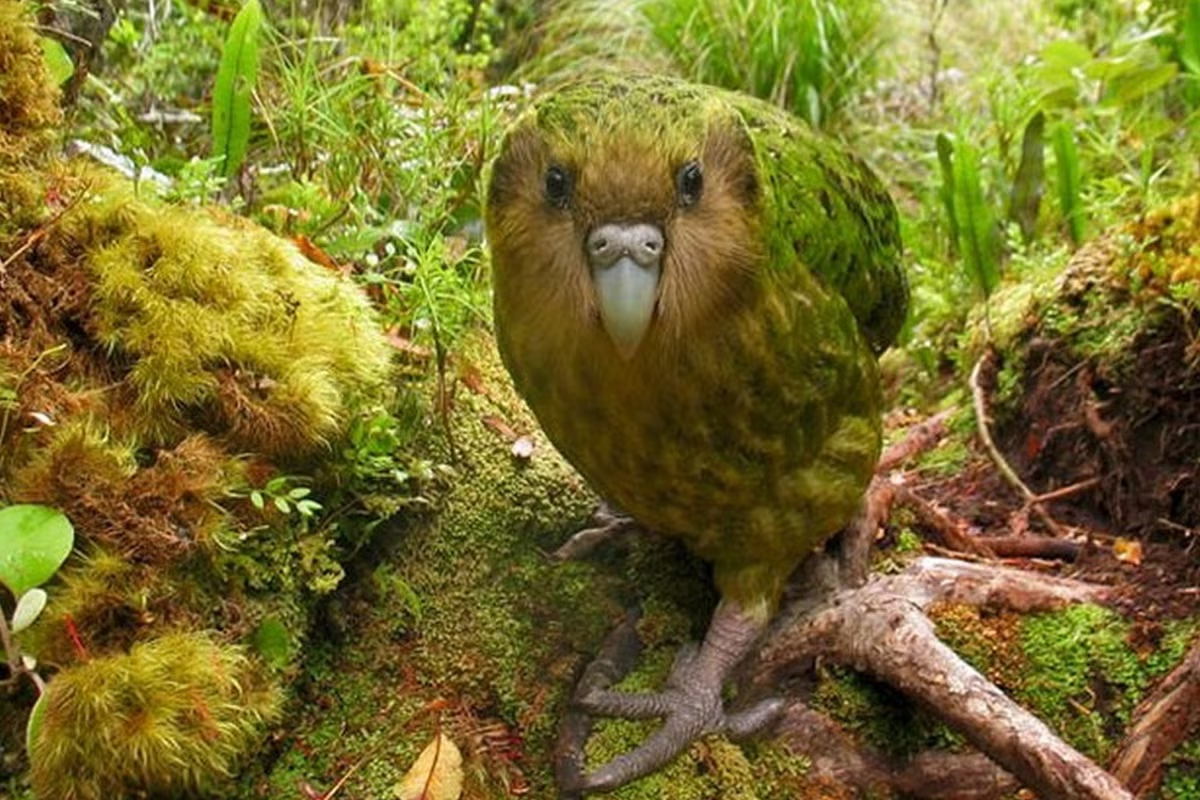
Stay up to date with notifications from The IndependentNotifications can be managed in browser preferences.Jump to contentThank you for registeringPlease refresh the page or navigate to another page on the site to be automatically logged inPlease refresh your browser to be logged inAllNewsSportCultureLifestyleThe kākāpō, the world’s only flightless parrot, is endemic to New Zealand (Creative Commons. Photo: jidanchaomian, via Flickr.)New Zealand has confirmed its first case of the deadly H5N1 bird flu, found in a migratory brown skua near Wellington. This detection follows similar cases in neighbouring Australia and raises concerns for New Zealand's uniquely vulnerable native wildlife, many of which are flightless or ground-nesting. While there is no evidence of mass mortality or poultry infection yet, health officials are closely monitoring the situation and advising the public not to handle sick birds. A vaccination programme has begun for 300 core breeding birds from five of the country's most endangered species, including takahē and kākāpō. Despite preparations, experts express worry that the virus could push some critically endangered species to extinction if it spreads rapidly. In fullNew Zealand confirms first case of deadly H5N1 bird flu: ‘We are very well prepared’More bulletinsThank you for registeringPlease refresh the page or navigate to another page on the site to be automatically logged inPlease refresh your browser to be logged in
NZ rushes to vaccinate beloved native parrots as bird flu reaches shores
Stay up to date with notifications from The IndependentNotifications can be managed in browser preferences.Jump to contentThank you for registeringPlease refresh the page or navigate to another page on the site to be automatically logged inPlease refresh your browser to be logged inAllNewsSportCultureLifestyleThe kākāpō, the world’s only flightless parrot, is endemic to New Zealand (Creative Commons. Photo: jidanchaomian, via Flickr.)New Zealand has confirmed its first case of the deadly H5N1 bird flu, found in a migratory brown skua near Wellington. This detection follows similar cases in neighbouring Australia and raises concerns for New Zealand's uniquely vulnerable native wildlife, many of which are flightless or ground-nesting. While there is no evidence of mass mortality or poultry infection yet, health officials are closely monitoring the situation and advising the public not to handle sick birds. A vaccination programme has begun for 300 core breeding birds from five of the country's most endangered species, including takahē and kākāpō. Despite preparations, experts express worry that the virus could push some critically endangered species to extinction if it spreads rapidly. In fullNew Zealand confirms first case of deadly H5N1 bird flu: ‘We are very well prepared’More bulletinsThank you for registeringPlease refresh the page or navigate to another page on the site to be automatically logged inPlease refresh your browser to be logged in