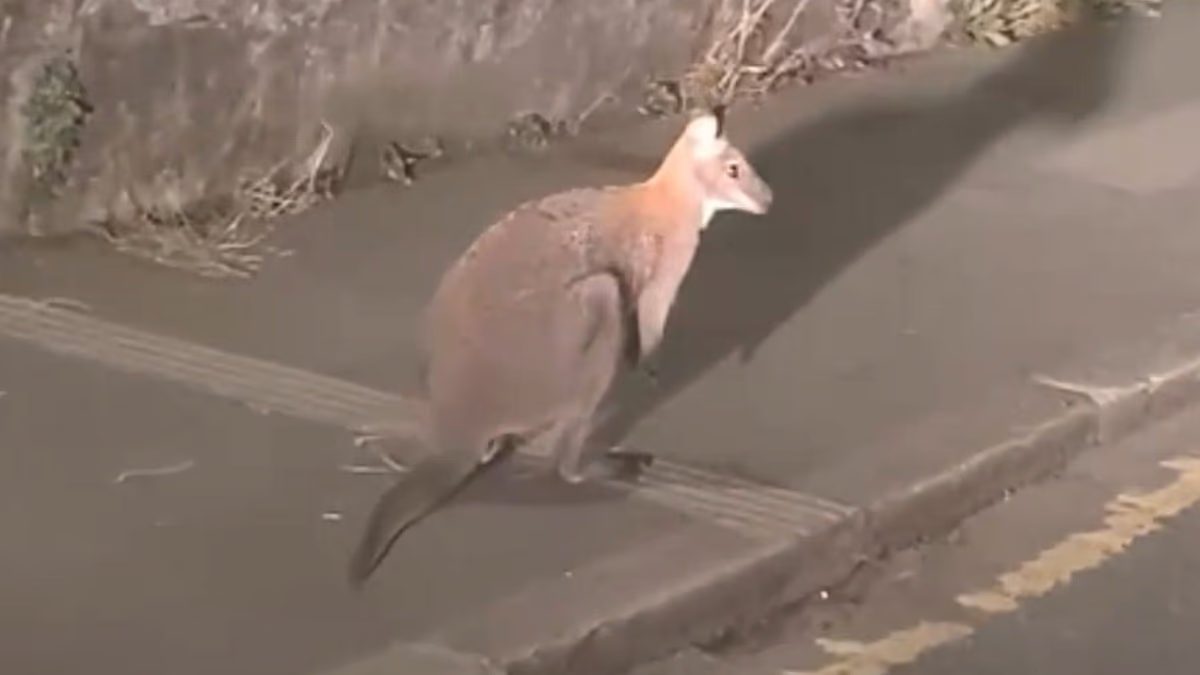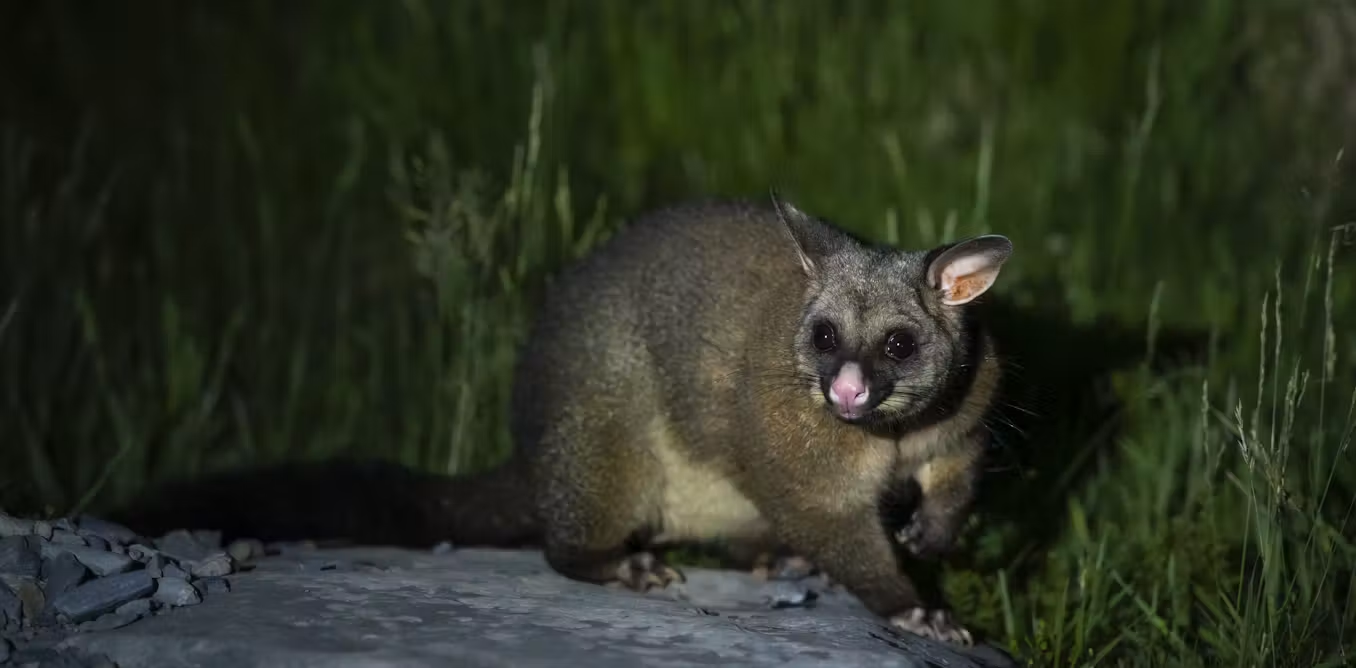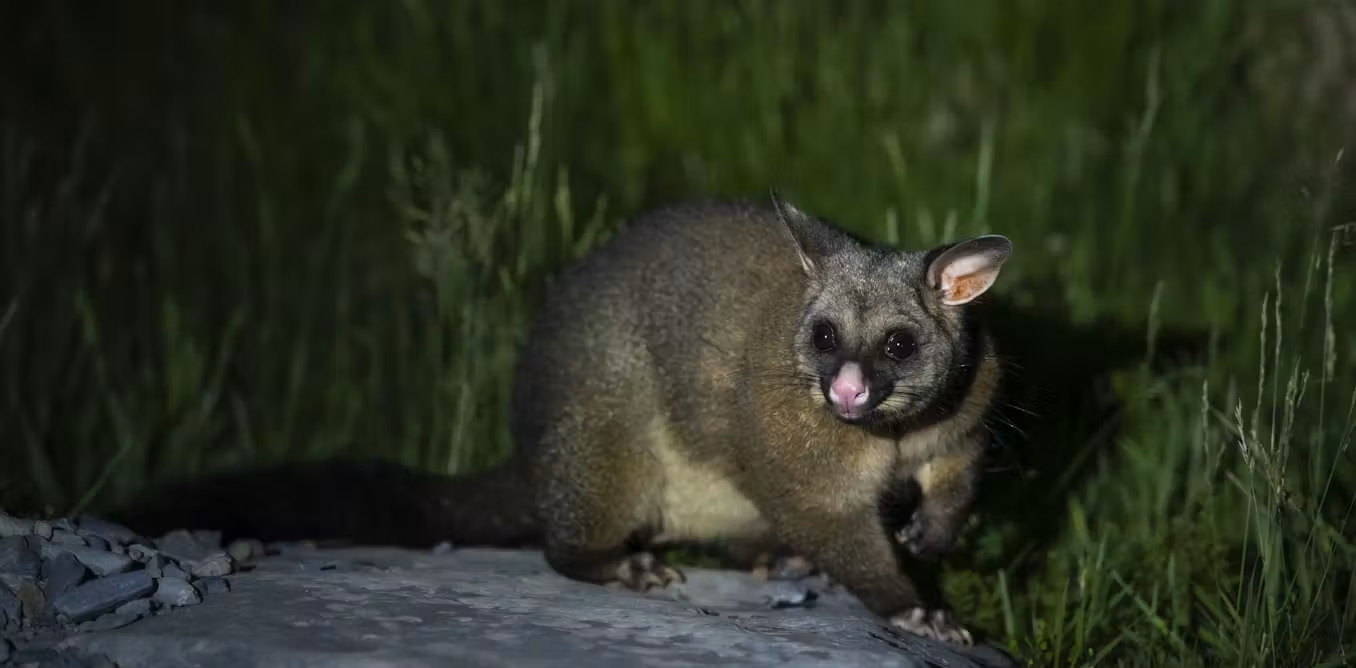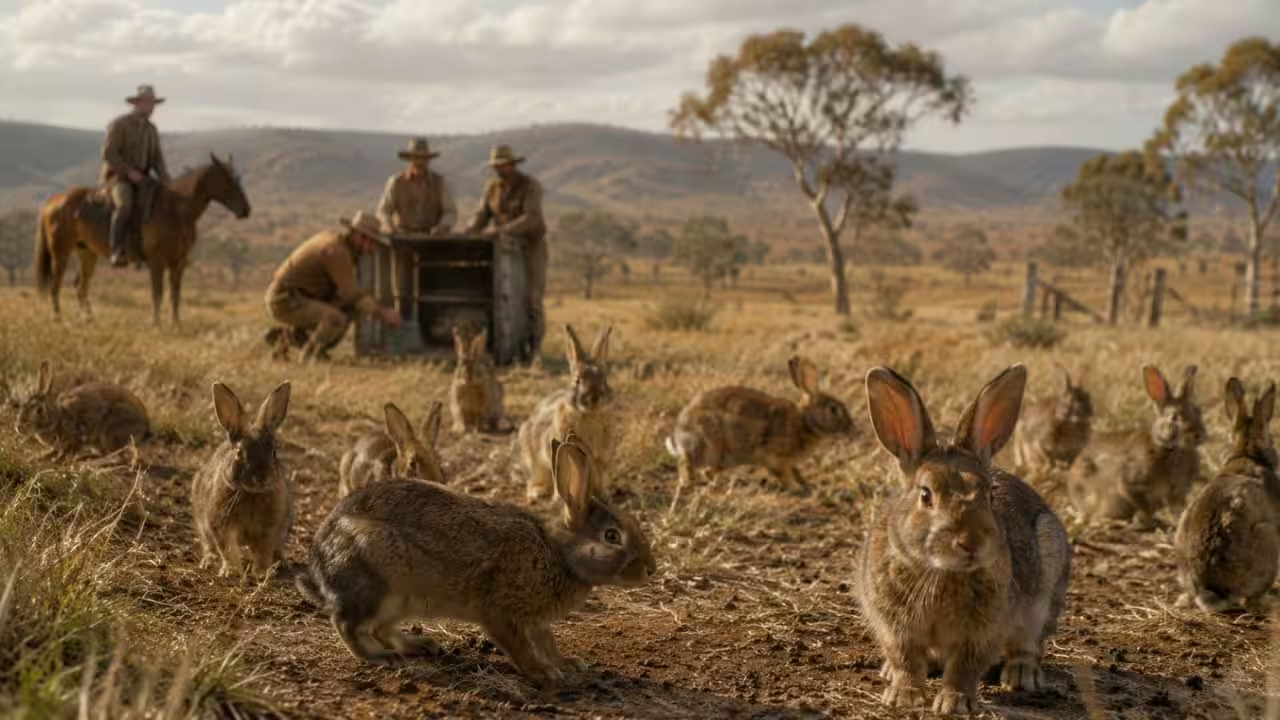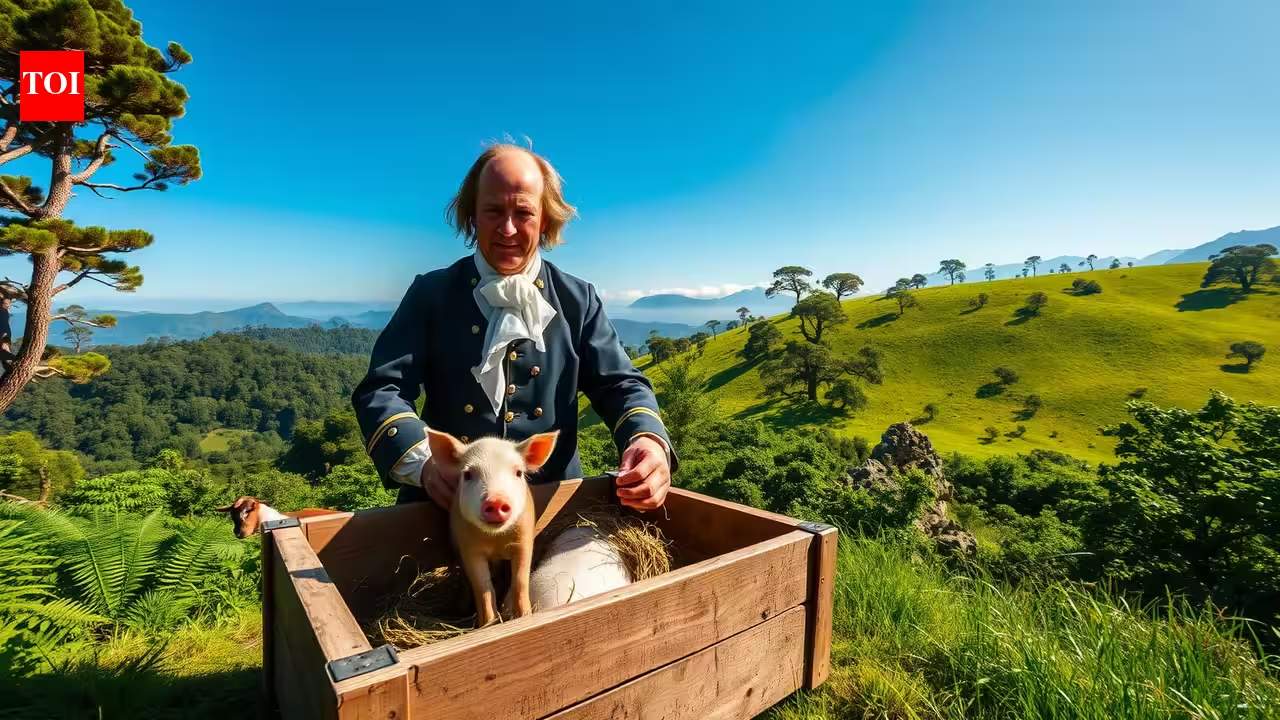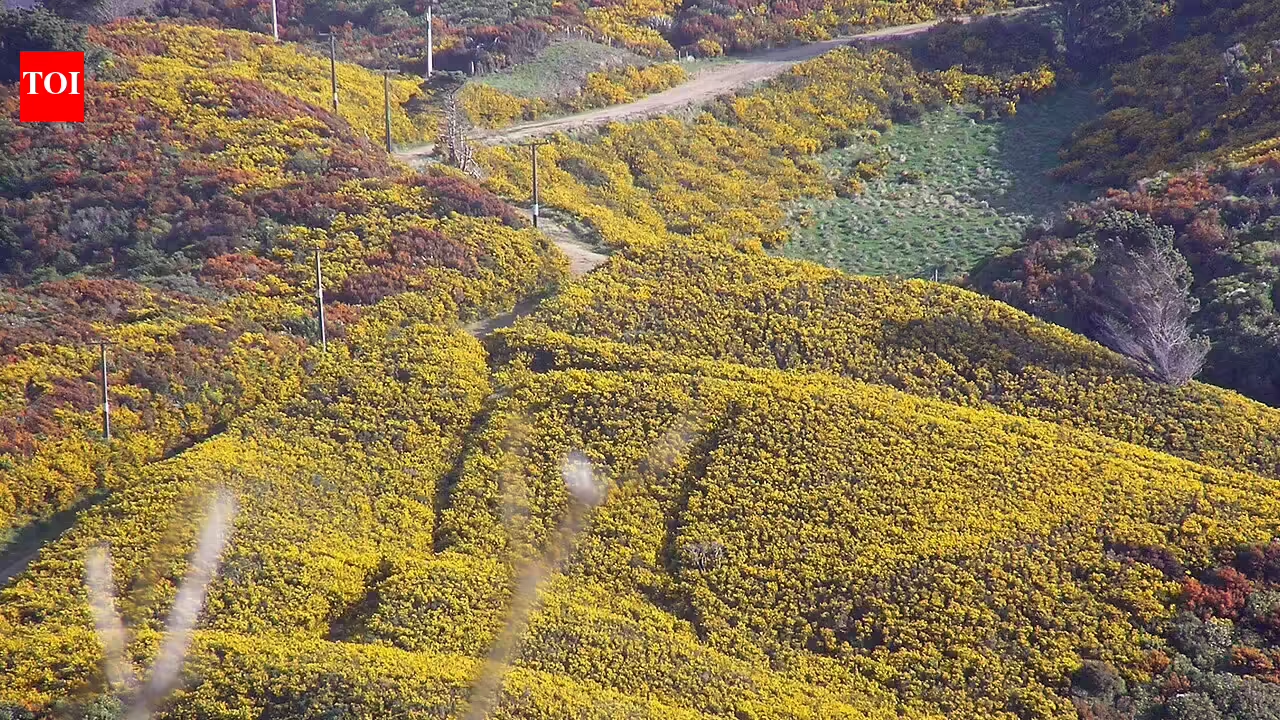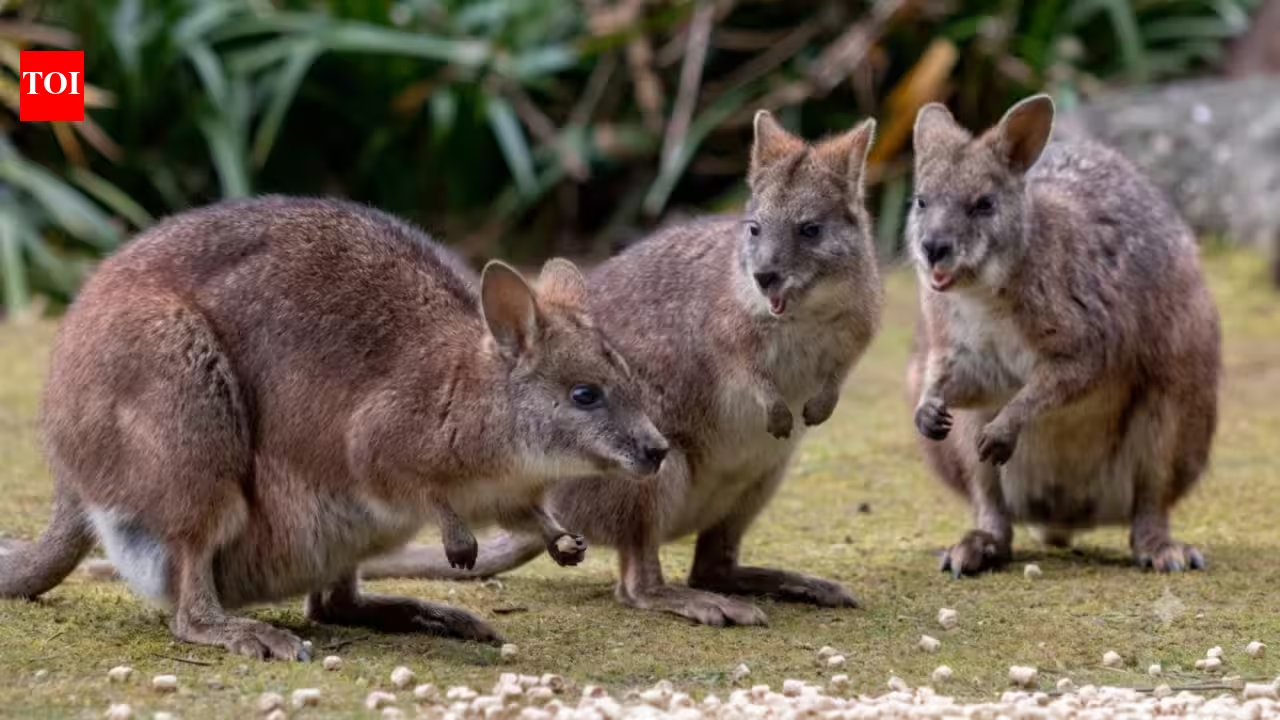
Authorities are asking people to report sightings and signs of the animals. (Photo: WWF Australia)Wallabies introduced to New Zealand more than a century ago have spread across more than 200,000 hectares in the country’s North Island. Authorities are now working to control their population because the animals can damage native forests, compete with farm animals for pasture and harm young trees in plantations.A wallaby is a small or middle-sized macropod native to Australia and New Guinea The wallabies in the Bay of Plenty region were brought from Australia. According to Bay of Plenty region of New Zealand’s North Island, Dama and parma wallabies were introduced to Kawau Island by former Prime Minister of New Zealand Sir George Grey around 1870, along with animals including monkeys, zebra and gnu. In 1912, dama wallabies from Kawau Island were released near Lake Okareka in the Bay of Plenty.Since then, the animals have established themselves across a large area. The Bay of Plenty Regional Council says they are now found across more than 200,000 hectares. Their current range stretches from Rotorua east to Kawerau, and south beyond Maunga Kakaramea, also known as Rainbow Mountain, towards the Paeroa Range between Reporoa and Waikite Valley.The spread is a concern because wallabies are difficult to detect. They are cautious and mainly active at night. During the day, they often shelter in dense forest or scrub. They can live in both native and exotic forests, particularly in places where forest is close to pasture or open, sunny areas.Wallabies can change forestsThe main concern is what the animals eat. Wallabies feed on native tree seedlings, ferns and grasses. If this feeding continues over a long period, it can prevent some native plants from growing and replacing older trees.This can gradually change the structure and composition of native forests. Some plants eaten selectively by wallabies are also important food sources for native birds and other wildlife.Wallabies can also cause problems outside native forests. In exotic plantations, they can damage young pine and eucalyptus seedlings. On farms, they compete with livestock for pasture, reducing the amount of food available to farm animals.The animals prefer areas where they can move between forest cover and open land. They often gather in small family groups. Their spread has been slowed in some places by natural barriers such as lakes and rivers. However, authorities say people have sometimes helped wallabies move beyond these barriers.A sign on the southbound approach to the Waitaki bridge at Kurow. (Photo: New Zealand Geographic)Wallabies can spread quicklyWallabies are highly mobile and estimates their populations can spread by up to 2 kilometres a year on average. If their spread is not controlled, scientists estimate, they could eventually occupy one-third of New Zealand by 2065. Government estimates that the damage caused by wallabies could reach $84 million a year if they are left unchecked. It also says the cost of the damage is expected to increase each year.Wallabies have therefore been classified as an unwanted organism under New Zealand’s Biosecurity Act 1993. According to the law, Wallabies cannot be bred, sold, moved or exhibited without a permit.Effort to controlThe Bay of Plenty Regional Council has different management categories for wallaby species. Dama and parma wallabies are covered by eradication and progressive containment programmes.Under the eradication programme, pests are present but limited enough in their size or distribution for removal to be considered possible and cost-effective. Progressive containment is used where the aim is to stop the pest from spreading, reduce its distribution or remove it from parts of the region over time.Three other wallaby species Bennett’s wallaby, brush-tailed rock wallaby and swamp wallaby are not currently known to be established in the Bay of Plenty. These species are listed under an exclusion programme, which means the Regional Council is responsible for managing new incursions into the region.Night shooting and poisoning One method used on private farmland is night shooting. Wallabies are mostly active at night, making this approach suitable for controlling them in areas where it can be carried out safely.The Bay of Plenty Regional Council says night shooting should only be attempted by licensed and experienced shooters. It also says accurate bullet placement is essential for humane kills.Poisoning is another control option, although only limited pesticides are registered for use against wallabies. The council lists 1080 and Feratox encapsulated cyanide as the two registered pesticides.Their use is regulated, and handlers must hold a Controlled Substances Licence. The use of these pesticides is also subject to requirements from WorkSafe and the Medical Officer of Health.Wallabies can be vulnerable to aerial or hand-broadcast bait, but they do not always use bait stations. The report notes that where wallabies live alongside possums, the smaller but more aggressive possums can prevent wallabies from reaching some bait stations.People are asked to report wallabies whether they are alive or dead. Their tracks and droppings can also provide evidence of their presence.A wallaby footprint has a distinctive shape. The long hind feet can leave tracks in sand or soft soil, with a large central toe extending beyond the outer toe. Their droppings are also distinctive and are slightly larger than individual deer pellets, often with a tear-drop shape.
In 1912, New Zealand released wallabies near Rotorua; they now occupy more than 200,000 hectares and, if left unchecked, could spread across a third of the country by 2065, causing $84 million in damage a year
Wallabies introduced to New Zealand more than a century ago have spread across more than 200,000 hectares in the country’s North Island. Authorities are now working to control their population because the animals can damage native forests, compete with farm animals for pasture and harm young trees in plantations.
860 words~4 min read