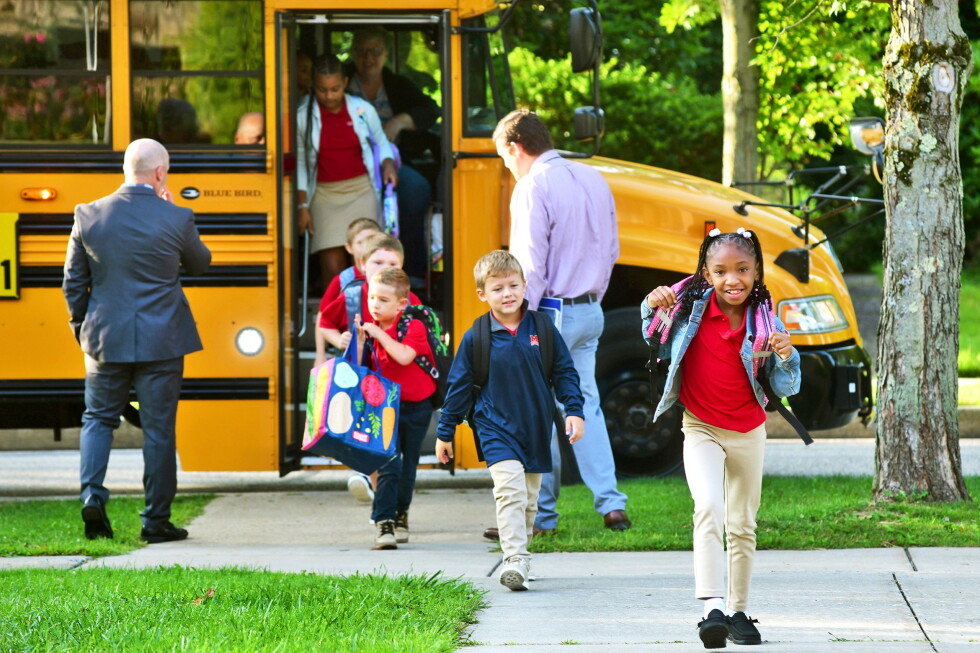
As summer vacations and late nights end, it is time to set morning school alarms again.Adequate rest ensures students remain attentive and focused during class. Experts advise easing children back into a routine as the start of the new academic year approaches."We don't say ‘ get good sleep ’ just because," said pediatrician Dr. Gabrina Dixon with Children's National Hospital. "It really helps kids learn and it helps them function throughout the day."Sleep requirements change as children grow older. Preschoolers should receive up to 13 hours of rest. Tweens need nine to 12 hours, while teenagers function best with eight to 10 hours of sleep.Experts advise easing children back into a routine as the start of the new academic year approaches (Getty Images)Set an earlier bedtimeLate summer routines filled with sleepovers, movie marathons, and long flights frequently cause children's bedtimes to slide. To reset schedules for the return to school, specialists recommend establishing earlier sleep times a week or two in advance, or shifting bedtime back in 15- to 30-minute increments each night.Parents should avoid serving heavy meals close to bedtime and cut off screens two hours before sleep. Replacing devices with soothing activities, like a warm shower or a bedtime story, helps ease the transition to sleep."You're trying to take the cognitive load off your mind," said Dr. Nitun Verma, a spokesperson for the American Academy of Sleep Medicine. "It would be like if you're driving, you're slowly letting go of the gas pedal."Every family can tailor their approach. Nikkya Hargrove moves her twin daughters' bedtime up by 30 minutes in the final week before school resumes.When her children bargain for a few extra minutes to read, Hargrove encourages the conversation as a way for them to practice self-advocacy. She also notes that a tired morning after staying up late offers its own practical lesson."If they're groggy and they don't like how they feel, then they know, ‘OK, I have to go to bed earlier,’" said Hargrove, an author and independent bookstore owner from Connecticut.To start the next day, getting natural daylight by sitting near a window or going outdoors helps prompt the brain to wake up, Verma added.Squash back-to-school sleep anxietyHow well a child sleeps is just as critical as how many hours they spend in bed. Anxiety about the start of the term can make it difficult for children to fall asleep, regardless of how early they go to bed.Dixon recommends that parents speak directly with their children to identify specific worries, whether it involves starting at a new school or making friends. Practicing potentially stressful situations before the academic year begins—such as touring the building or attending an open house to meet peers—can make those experiences feel less daunting.Although chaotic schedules late in the summer can make early preparation challenging, sleep specialists note that children will eventually adapt. Parents are encouraged to simply manage what they can, keeping in mind that adults are also adjusting to the shift in routine."I always say, 'Take a deep breath, it'll be OK,'" Dixon said. "And just start that schedule."
Experts share essential back-to-school sleep tips for children
Adequate rest ensures students remain attentive and focused during class
510 words~2 min read