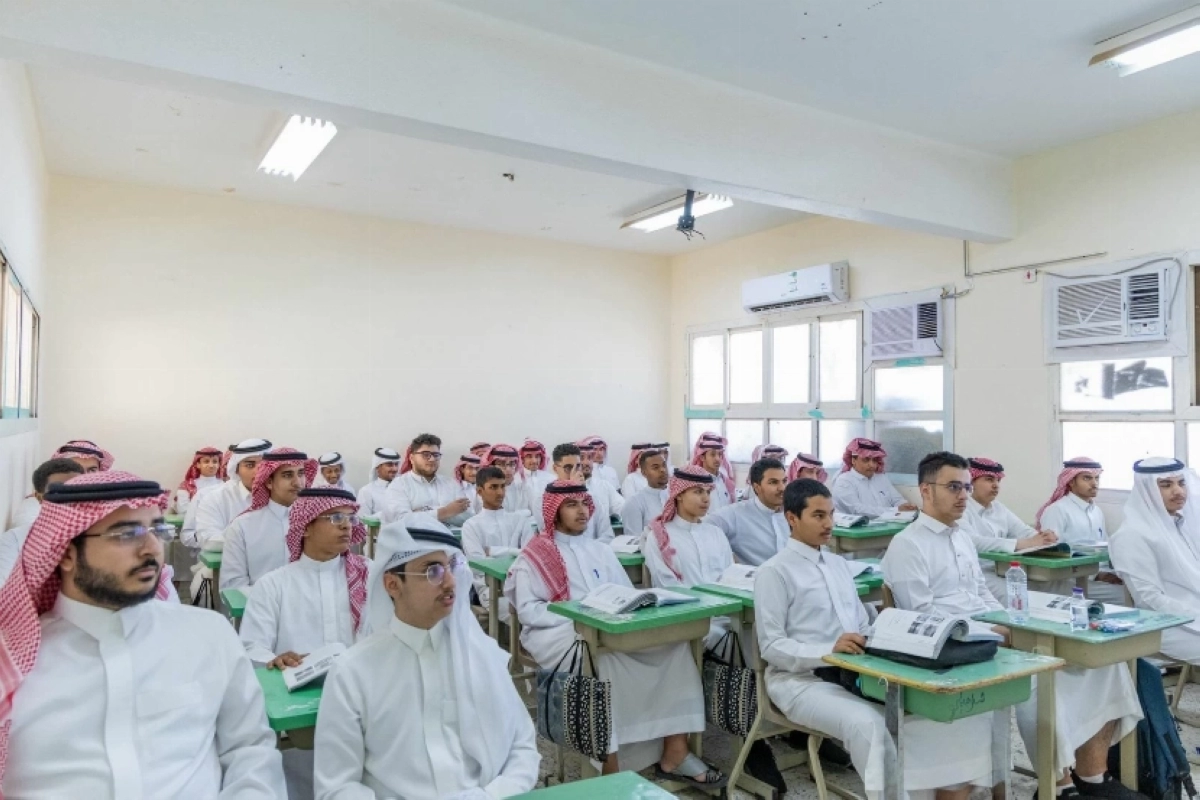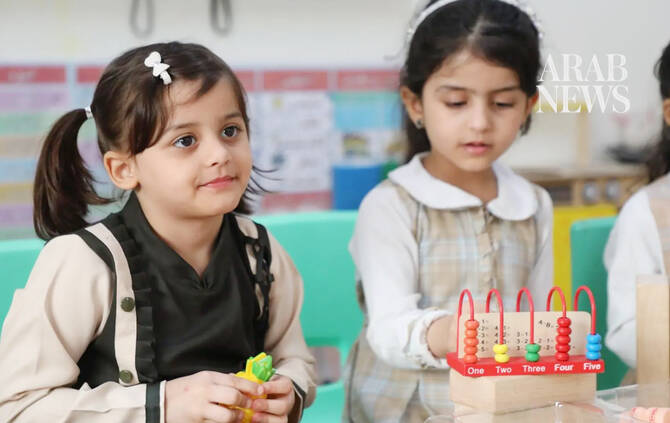
RIYADH: For many students, the school day does not end when the final bell rings.
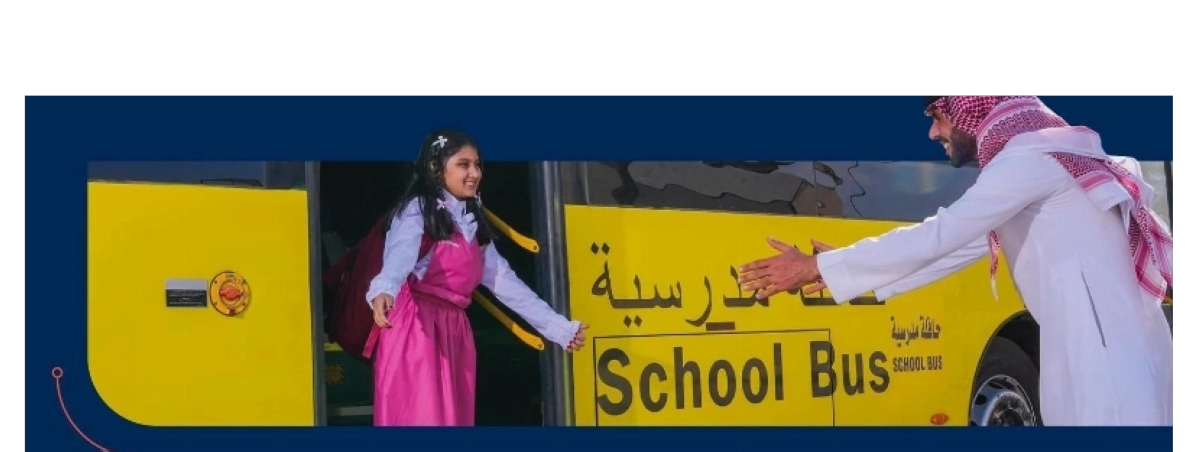
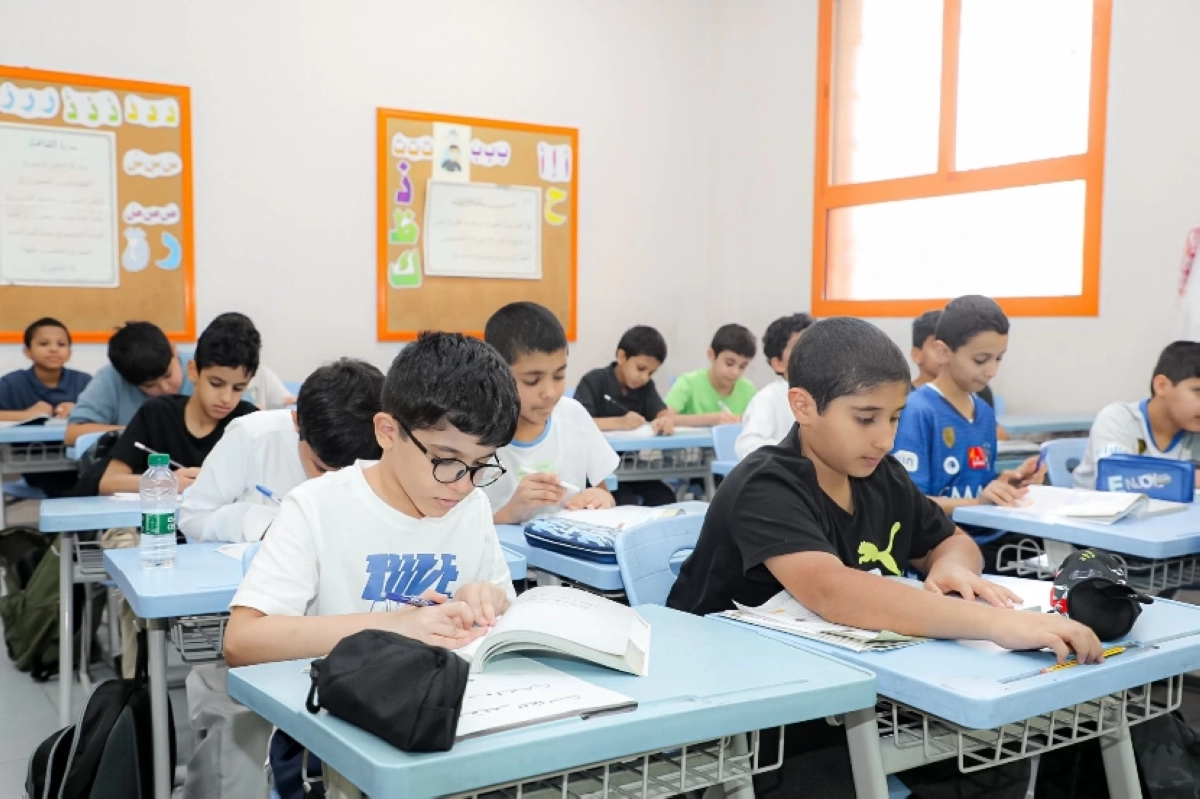
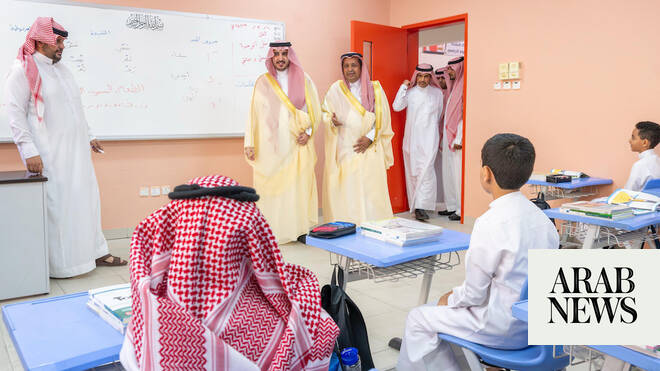
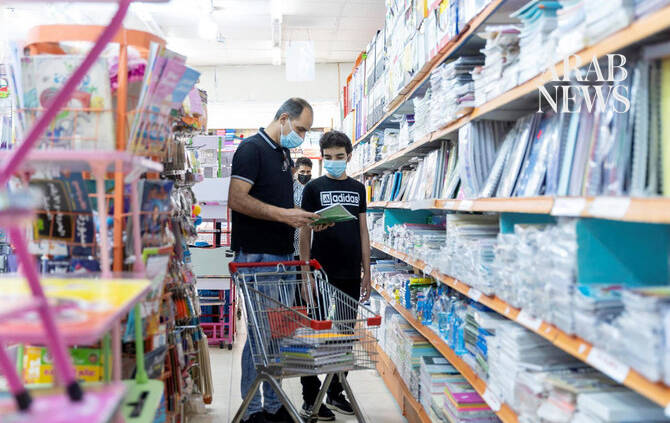
As Saudi families prepare for another academic year starting on Aug. 23, pupils will begin settling back into the rhythm of classrooms, homework and early mornings, but for some, returning to school also means returning to a second academic routine after the school day ends.
Private tutors, online instructors and other forms of supplementary education will once again become part of the weekly schedule, as students seek extra support — or hope to get ahead.
Described as “shadow education” by researchers, this form of supplementary learning exists alongside mainstream schooling rather than replacing it. In their book, “Shadow Education in the Middle East,” researchers Mark Bray and Anas Hajar define the phenomenon primarily as fee-paying academic education that supplements formal schooling. It can take place one-to-one, in groups, in large classes or online.
However, “shadow education” does not always mirror what happens in the classroom. Researchers note that while some students use tutoring to reinforce material they have already learned, others meet a tutor first, giving them a head start before the same topic gets covered at school.