The end of summer means back to school, back to routine and back to reality. Your stress levels are rising and you can't remember the last time you clocked up anything close to 8 hours sleep. No wonder you're tired."You're not alone," says Dr. Pedram Navab, a neurologist and sleep medicine specialist. He's used to seeing patients struggling with a heavy sleep debt and after his own fatigue led to a near-fatal car accident, he's dedicated his life to helping others get decent rest.And as the author of The Alchemy of Sleep (pre-order at Amazon) explains, good sleep can be as simple as three (free) steps. He spoke to us about his top tips for overcoming your 'adjustment insomnia' — starting tonight.3-step routine for better sleep1. Set a consistent wake time“The most important advice that I give to my patients all the time is to keep a consistent schedule," explains Dr. Navab. "Basically, try to wake up at the same time each morning. Try to go to sleep at the same time each night."
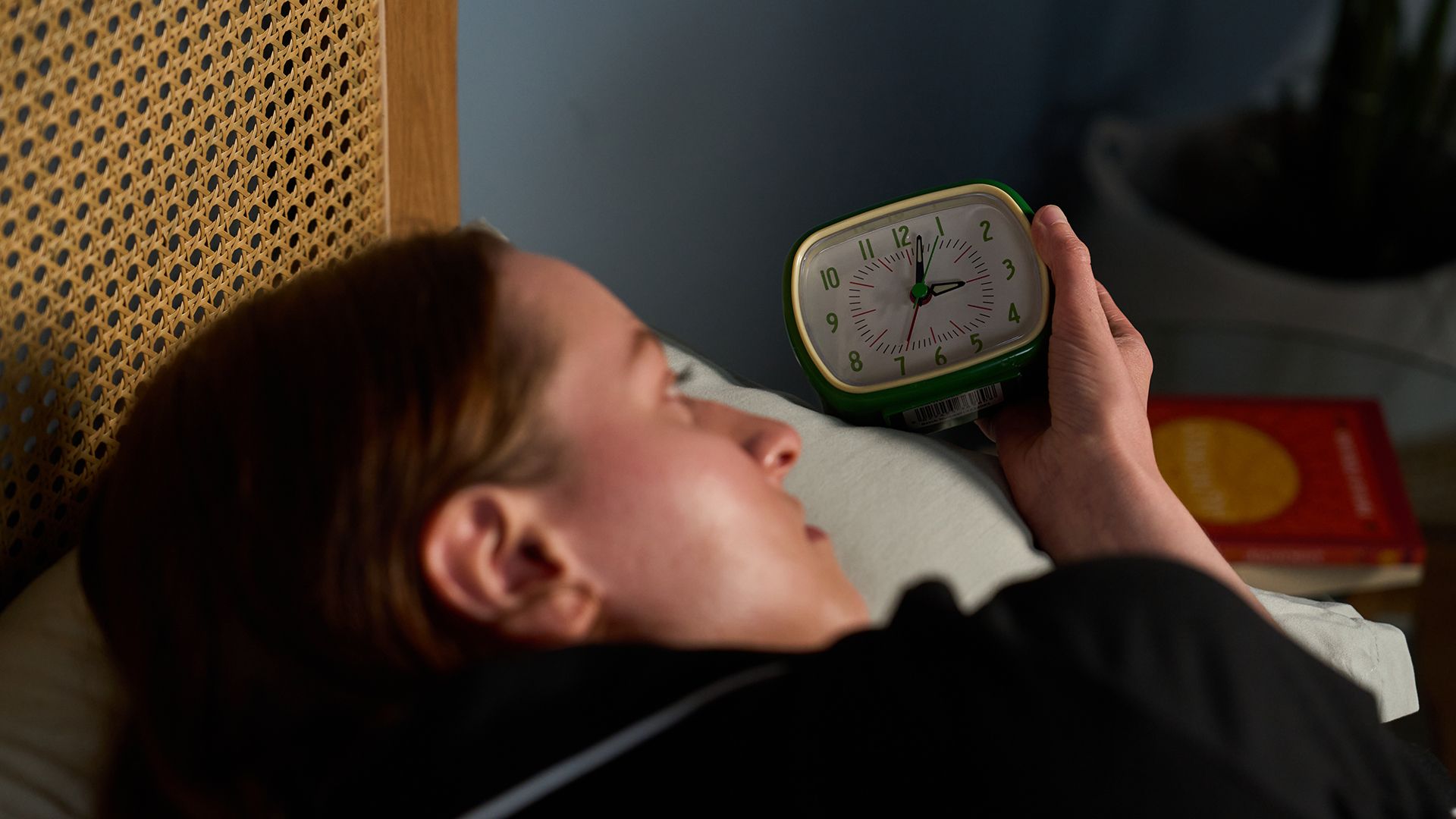
(Image credit: Future)Routine is the foundation of good sleep. It's even been linked to longer lifespans; a study by Vitality found going to sleep within a set one hour time frame five nights a week was a key indicator of mortality."Sleep likes that routine," says Dr. Navab. "That's why we do so well with a sunrise and sunset time. Because our body runs on the circadian rhythm in tune with the natural rhythm of the sun rising and sun setting."He notes that a set wake up time allows you to "start that rhythm again." So no oversleeping, even when you're dog-tired. By getting up early, you leave plenty of time for sleepy-chemical adenosine to build up. As a result, you're more likely to drop off quickly the next night.Get instant access to breaking news, the hottest reviews, great deals and helpful tips."Keeping that consistent schedule as much as you can is probably the biggest factor in helping you sleep better,” explains Dr. Navab.2. Write down 3 things from your day before bedFind yourself waking up at 3 a.m. in a cold sweat over your to-do list? Or unable to go to bed until you've finished that one last task? Dr. Navab has a fix."I tell [my patients], write down one thing that went well today, one thing that could have gone better," he advises.There's a reason why your thoughts start to race when you climb into bed. Without the hustle of day-to-day life to keep you busy, your brain is free to recall all the anxieties normally kept bubbling under the surface.