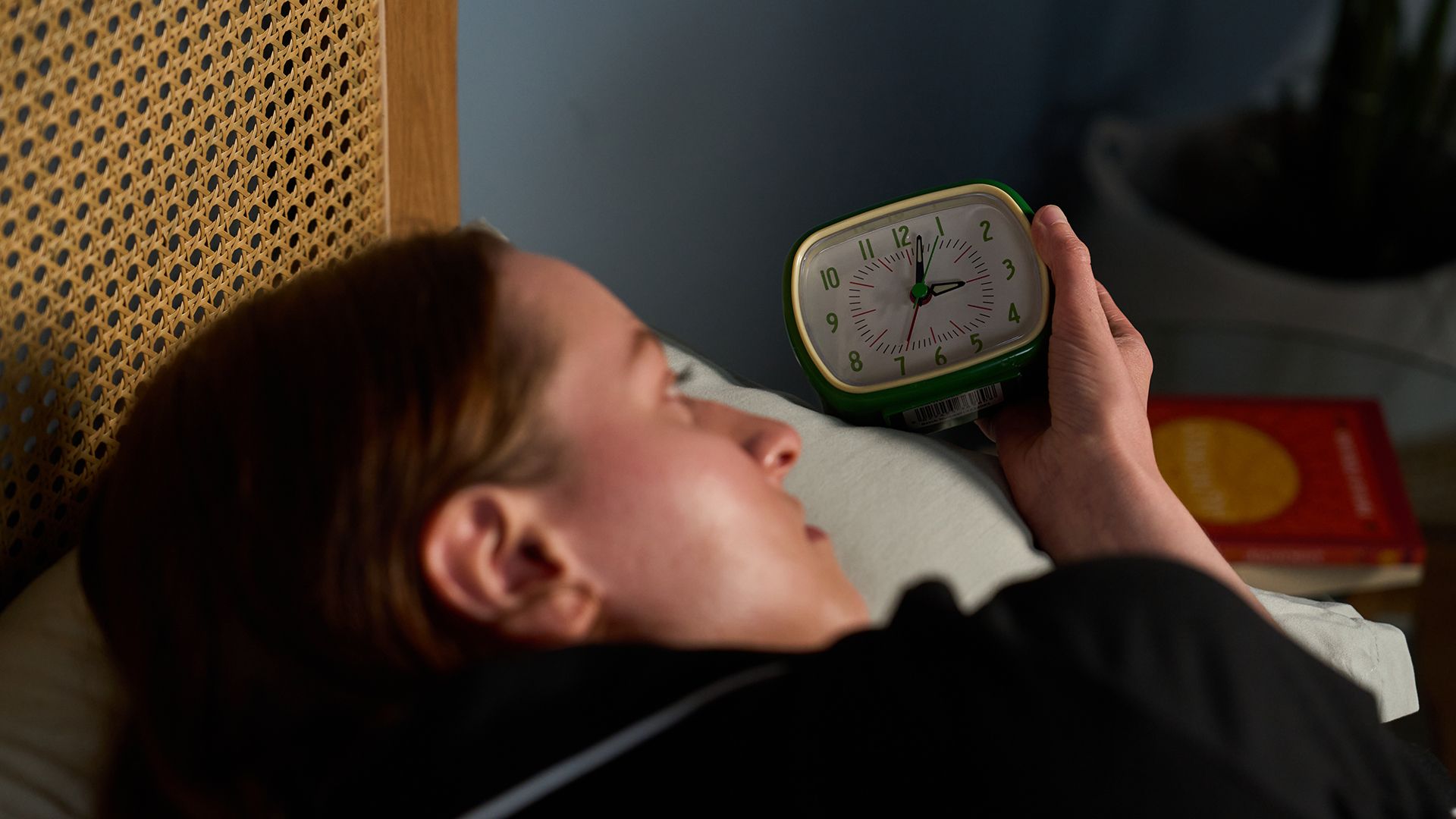
August 25, 2026 — 7:00pmHere’s something many of us don’t consider when we’re stuck in a dark and lonely mental loop in the wee hours of the morning: there’s likely plenty of people in our neighbourhood doing the exact same thing.Ruminating at 3am is something many of us are familiar with, often waking for the loo and crawling back into bed only to catastrophise about everything from career decisions to holiday destinations to remarks we’ve made – only for them to seem completely inane by the next morning.Waking up in the early hours is completely normal, say experts.iStockDr Jemma King, author of Sleep First: Sleep Smarter, Think Sharper, Feel Better, says waking at 2am or 3am is one of the top three complaints from participants in her sleep workshops, and that it’s the combination of stress hormones and natural sleep cycles that cause us to wake and easily spiral into negativity and despair at that time.“In the later part of the night, you engage in REM [rapid eye movement] sleep, which is important for emotional processing and fear conditioning,” she says. “REM sleep is essentially your brain playing the movie of something that happened, so you can learn from it and process it.”King likens the brain during REM to a midnight librarian, sorting memories into folders, chucking out what you don’t need and waking you if it comes upon a stress that needs to be dealt with.But while these wakes can be unpleasant, King says it’s worth trying to worry about them less. “Our ancestors never slept through the night – it’s quite normal for you to wake up in the middle of the night,” she says, noting she often asks her clients to think of their wakes as a natural occurrence.Still, waking up – and staying awake – at 3am isn’t fun. Here’s how to make it feel more manageable.Welcome wakefulnessThe more you worry, the more your brain will produce the stress chemical cortisol, which makes it harder to fall back to sleep. So, King recommends a “welcome practice” that sees you welcome your wakefulness and reframe it from terrible to a quiet gift of solitude.“It [can be] a moment you rarely get where there’s no one to bother you; it’s your own precious time to just be with yourself, so welcome it,” she says. “And what that does is stop you from producing cortisol, and then you’re more likely to go to sleep.”Next time you wake up and start fretting about the future of your industry or whether you’ve got enough childcare for the next school holidays, remind yourself it’s normal to wake up, and that you’re brain can’t be trusted to differentiate between genuine stress and catastrophising at that hour of the day.“The key to the welcome practice is removing anxiety about being awake and replacing it with acceptance and appreciation that this is one of the few times you will be uninterrupted,” she says.Think happy thoughts, fall back asleep faster.iStockLimit your thinking ‘choices’Our thoughts can quickly ricochet from one stressor to another, so King suggests setting some boundaries about what you’ll allow yourself to think about when you wake in the middle of the night.“You’ve got to have preloaded thoughts ready to go – maybe think about making your favourite meal, your jogging path or changing a bike tyre,” King says. Recounting a memorable holiday or tender moment with a loved one can also be useful.“When you lie there at 3am, your thoughts become chemicals and these chemicals keep you awake – the more you lie there in stress, the more you produce cortisol,” King says. “You’ve got to be very diligent and disciplined about what you let run around in.”Set some three-minute daily breathersKnowing that cortisol lingers while we sleep, taking small actions to reduce levels as we go about our days can also translate to better sleep.Performance coach Jess Spendlove, author of For The Long Run, works with elite athletes, military and executives and says one of the best things we can do for our sleep is to schedule a few one- to three-minute breathers to go for a walk, make a herbal tea or do a breathwork exercise.“I call them brain breaks – they are intentional stimulant-free windows each day, away from technology and caffeine,” she says.“When most of us have a break, we go get a coffee and check social media, but for this, you take intentional time away from anything stimulating – these micro moments allow you to decompress and bring down your stress response, which not only helps you get to sleep but stay asleep. It’s incredibly powerful.”Not only does Spendlove say these breaks can reduce midnight ruminating, but they also help us fight fatigue and burnout.“A good night’s sleep starts well before your head hits the pillow,” she says. “I’ve often had people say, ‘When I go for a walk, I just think about all the things’ and I say, ‘Amazing – if you’re doing that then, you’re probably not doing it at 2am’.”Reset with a napIf you’ve had a rough night, King suggests a short daytime nap to prime you for a better sleep that evening.“If you’ve had a crap sleep, a good 10- or 20-minute turbo nap is really good for your brain, and it can reset you,” she says. “Don’t nap after 3pm and make sure you set an alarm because if you nap for 30 minutes or 40 minutes, you wake up in deep slow wave sleep, and you’ll feel like you’ve been hit by a bus.”Set yourself up for successSpendlove recommends creating a “sleep landing protocol”, which is a series of triggers you do at the same time each day to send your body the message that it’s time to rest. “Set a ‘go to bed’ alarm, put pen to paper and do a little brain dump and have a hot shower where you can think about things,” she says.King recommends trying to fall asleep by 10pm so that our deepest sleep comes before midnight, which is optimal for our circadian rhythm.“The first sleep cycles are when you produce most of your growth hormone and do most of your brain ‘cleaning’.”Make the most of your health, relationships, fitness and nutrition with our Live Well newsletter. Get it in your inbox every Monday.Kimberly Gillan is a Melbourne journalist who covers wellbeing, social trends, parenting and travel.From our partners
Three minutes a day could be all it takes to prevent this common sleep issue
Waking up in the middle of the night isn’t necessarily a problem to solve, experts say, but there are ways to make it feel more tolerable.
1,063 words~5 min read