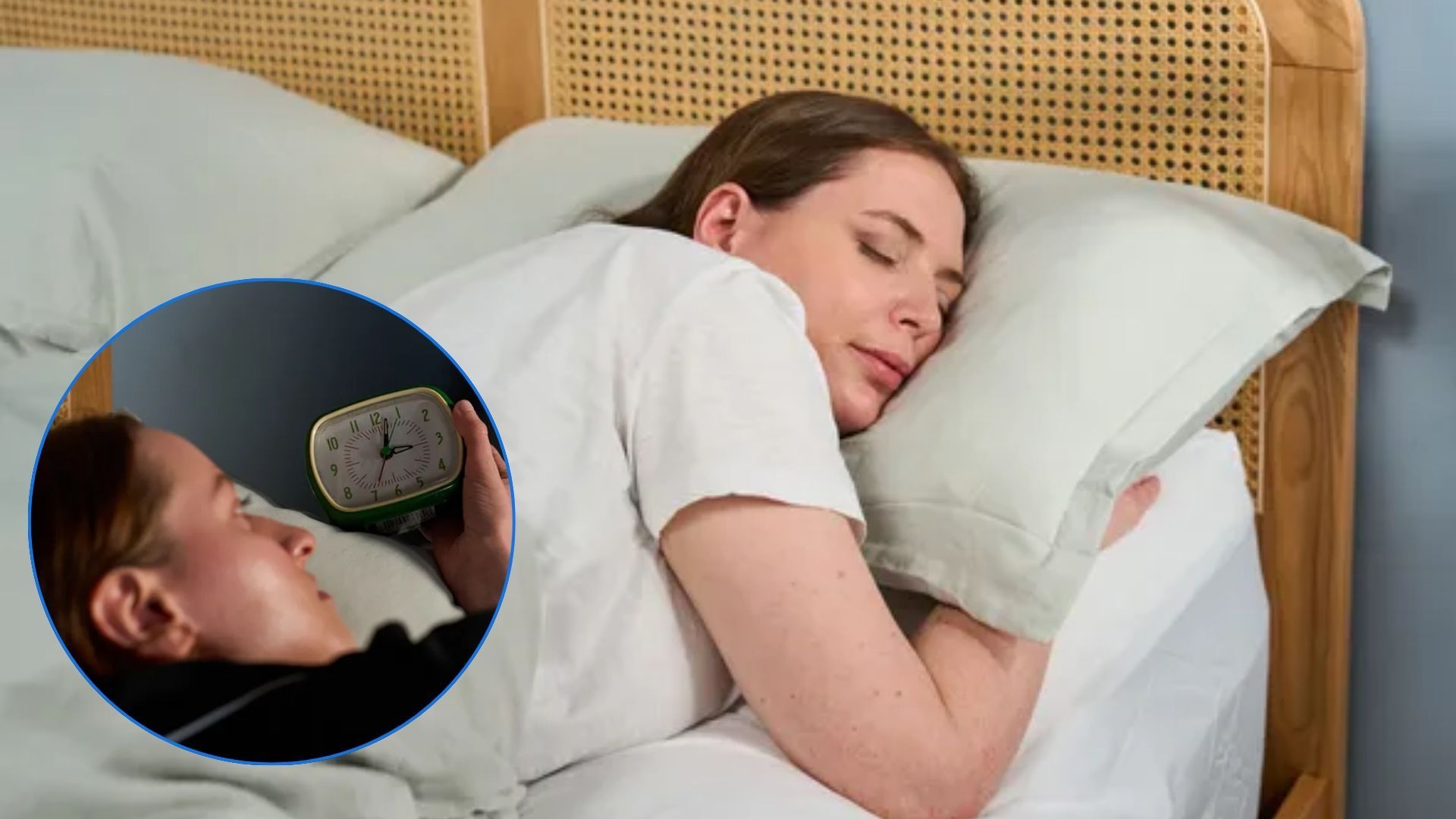
(Image credit: Future)
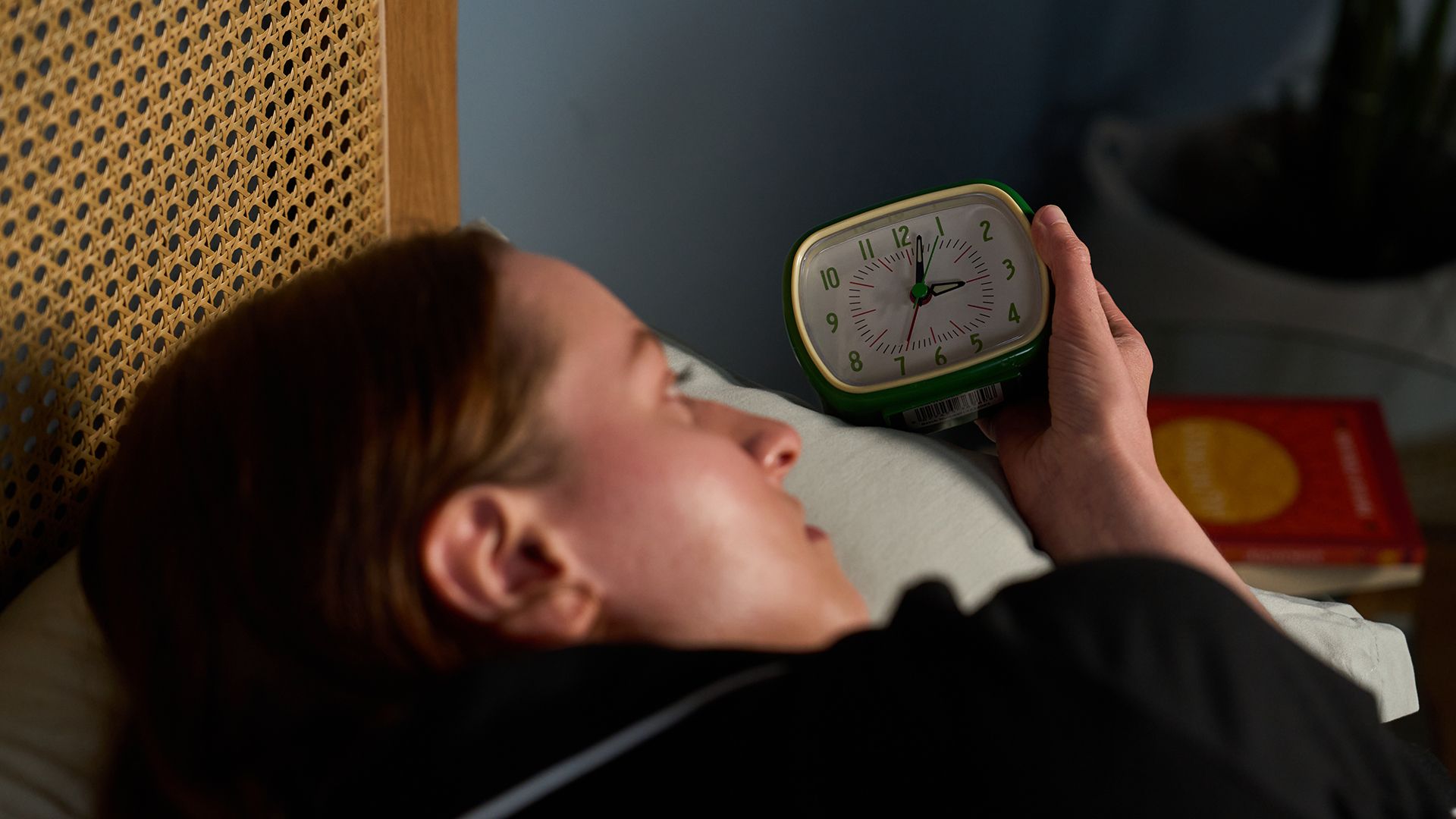
As someone with recurrent nighttime anxiety, I often find myself wide awake at 3 a.m., heart hammering in my chest and staring at the ceiling. Experts refer to this type of sleep disturbance as 'middle insomnia' – the most common type of insomnia and one characterised by waking up in the middle of the night. As a sleep editor, I've interviewed neuroscientists, chartered psychologists and doctors for their expert sleep advice. And there's one tip in particular that always gets mentioned: if you want to sleep better and not wake up so much through the night, go to bed and wake up at the same time each day.The 7:1 sleep rule, which involves getting at least seven hours sleep a night and going to bed within the same one-hour window at least five nights a week, is an expert-recommended way to reduce 3 a.m. wake-ups. After putting it to the test over the course of a week, my nighttime awakenings have eased off. Here's why....Key take-aways: At a glanceThe 7:1 sleep rule recommends getting at least seven hours of sleep a night, and going to bed within the same one-hour window at least five days per week.A consistent sleep schedule helps prevent waking up at 3 a.m. in three specific ways: it regulates your circadian rhythm (so your body knows when to release melatonin, a sleep hormone), it regulates your sleep pressure (so you feel drowsy at the right time), and reduces how much you wake-up through the night.A consistent sleep schedule is one of the best ways to manage insomnia.What is the '7:1 sleep rule'?