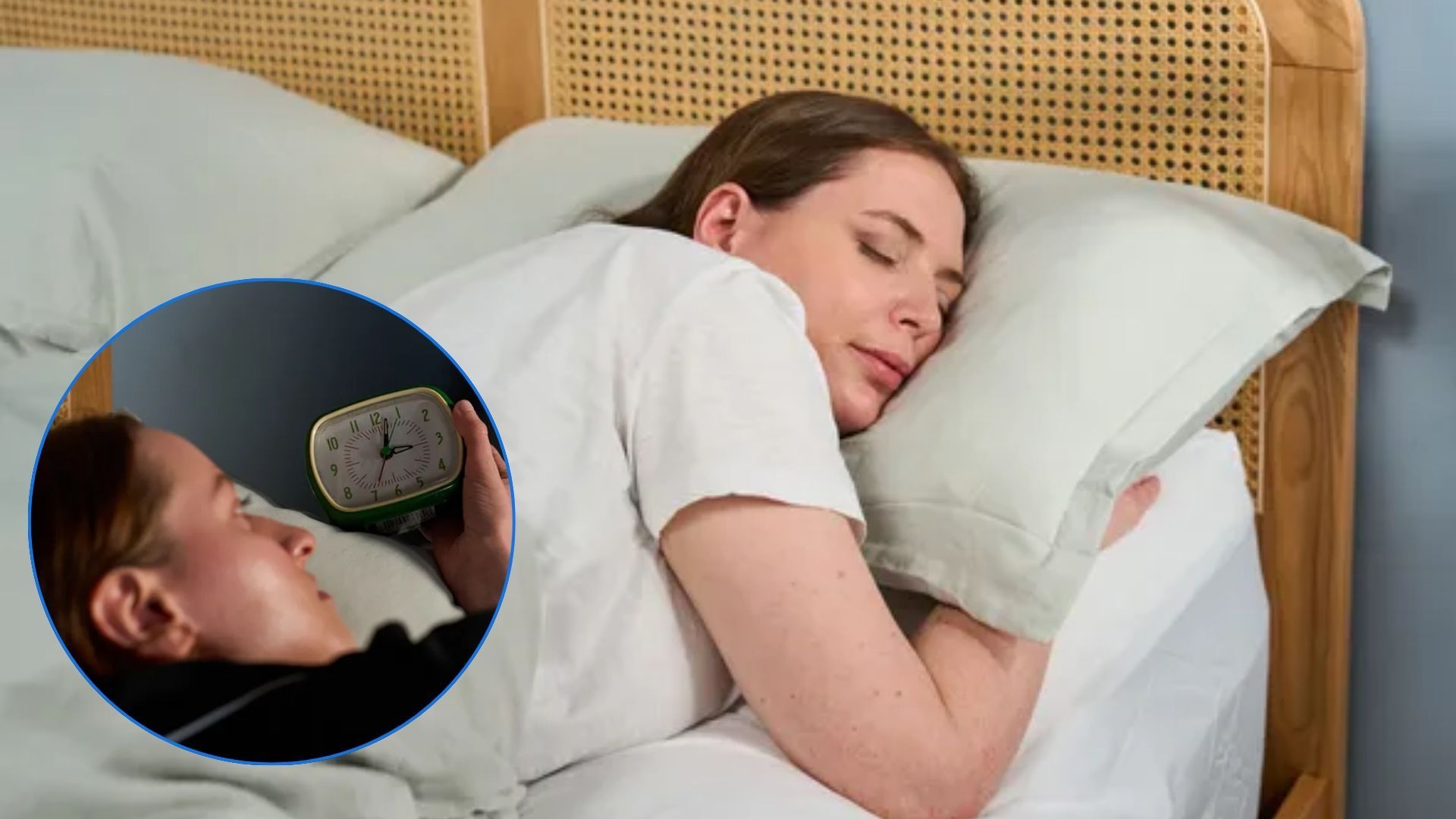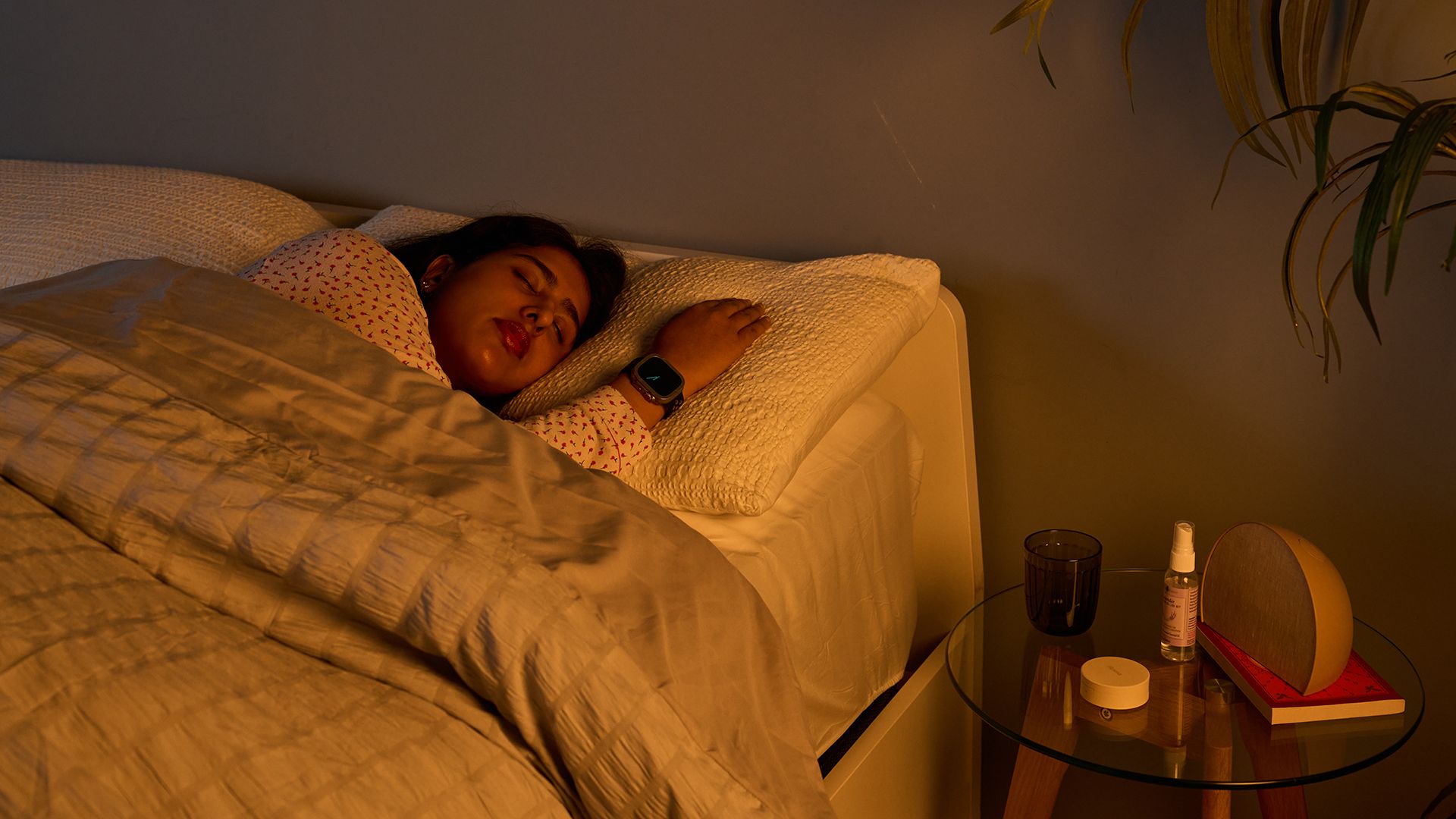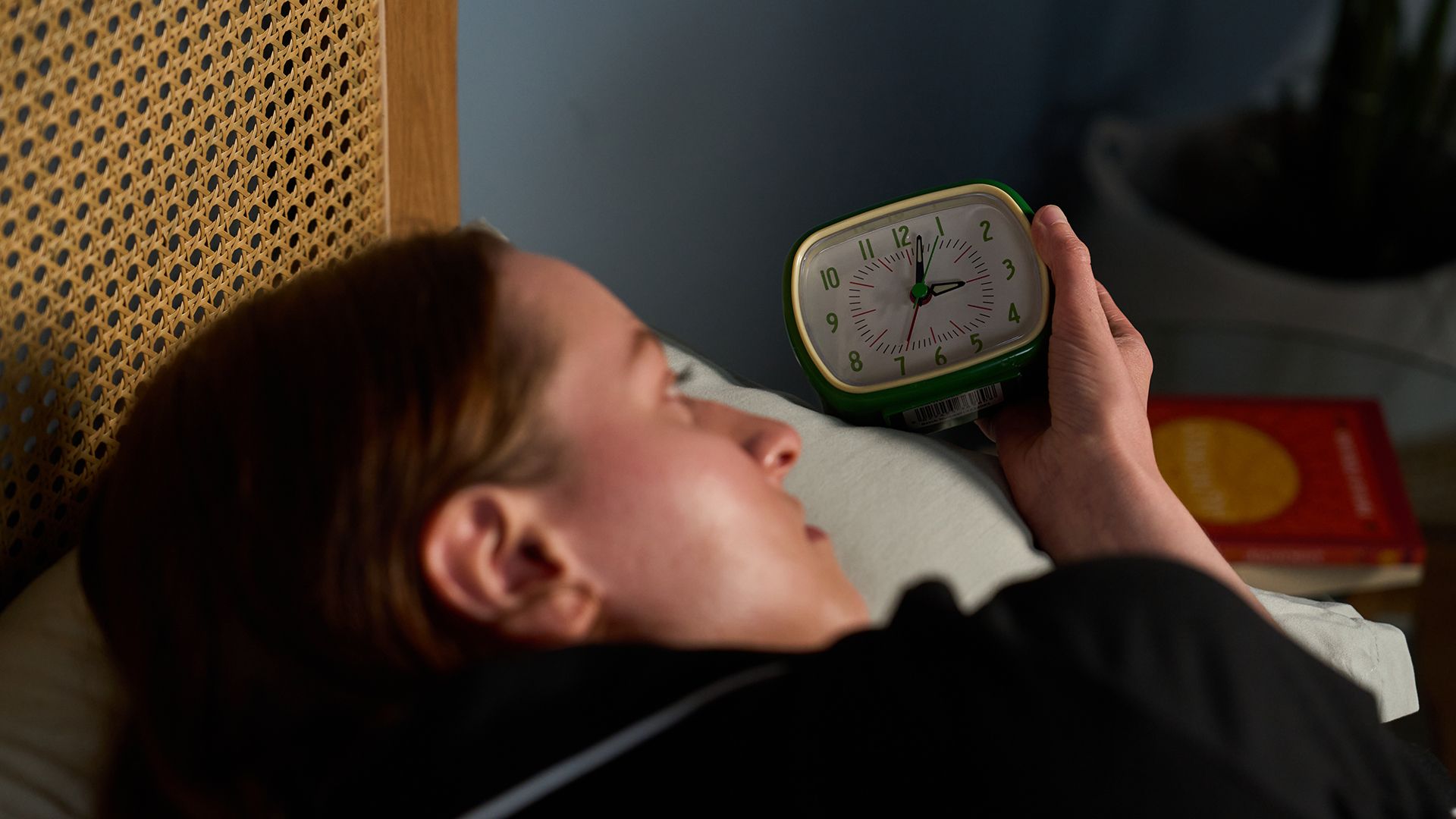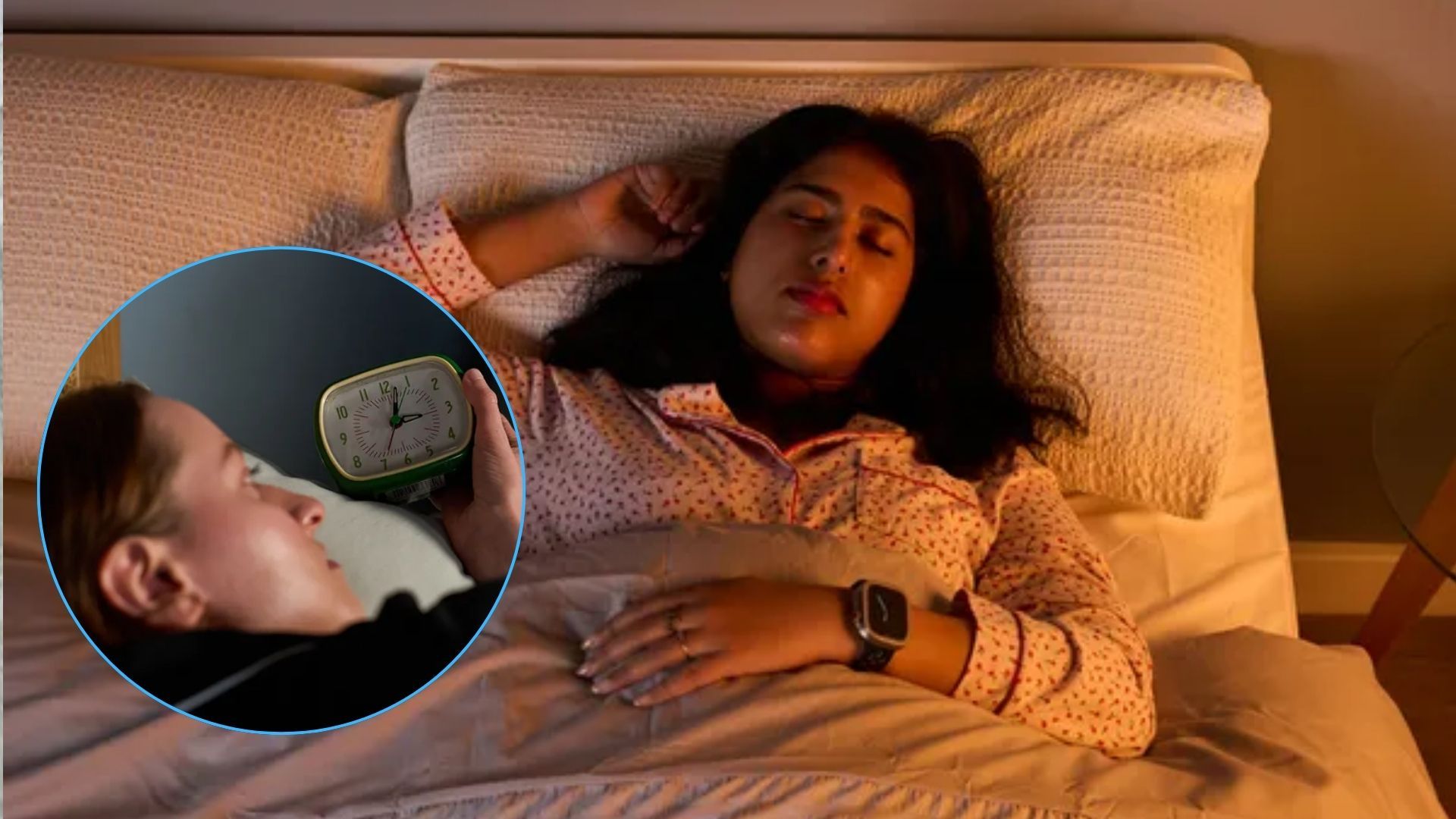
It's impressive how quickly my brain can pick up a thread of anxious thoughts when I find myself awake at 3 a.m. Known as middle insomnia, these late night wake-ups are plagued by a busy mind, making it hard to fall back to sleep and leaving me exhausted the next day.I needed a technique that could put the brakes on anxieties so I could actually fall back to sleep at 3 a.m. That's when I was introduced to cognitive shuffling by Dr. Carlos Nunez Chief Medical Officer at Resmed.This technique 'shuffles' your thoughts like a deck of cards, distracting your brain without overstimulating it. Instead of deadlines and debts, I'm thinking about ducks, dandelions, doorbells... Next thing you know, I'm snoozing. Here's how it works.Key takeaways: At a glanceStress and anxiety causes cortisol levels to rise, keeping you alert. This makes it harder to fall asleep and leaves you prone to late night wake-ups.Cognitive shuffling randomizes your thoughts, as you focus on finding words beginning with a certain letter. This keeps your brain occupied, so it can't focus on anxieties.Using cognitive shuffling helps me fall back to sleep quickly. And on the nights it doesn't work, I get out of bed and relax until sleep pressure builds up enough that I'm ready to sleep.What is cognitive shuffling?
I tried a Chief Medical Officer's go-to technique hack for falling back asleep fast at 3 a.m. — and it actually worked
Waking up at 3 a.m. with a racing mind is exhausting. I put a top doctor's simple brain technique to the test to see if it could shut off my late-night anxiety.
1,464 words~7 min read