(Image credit: Future)
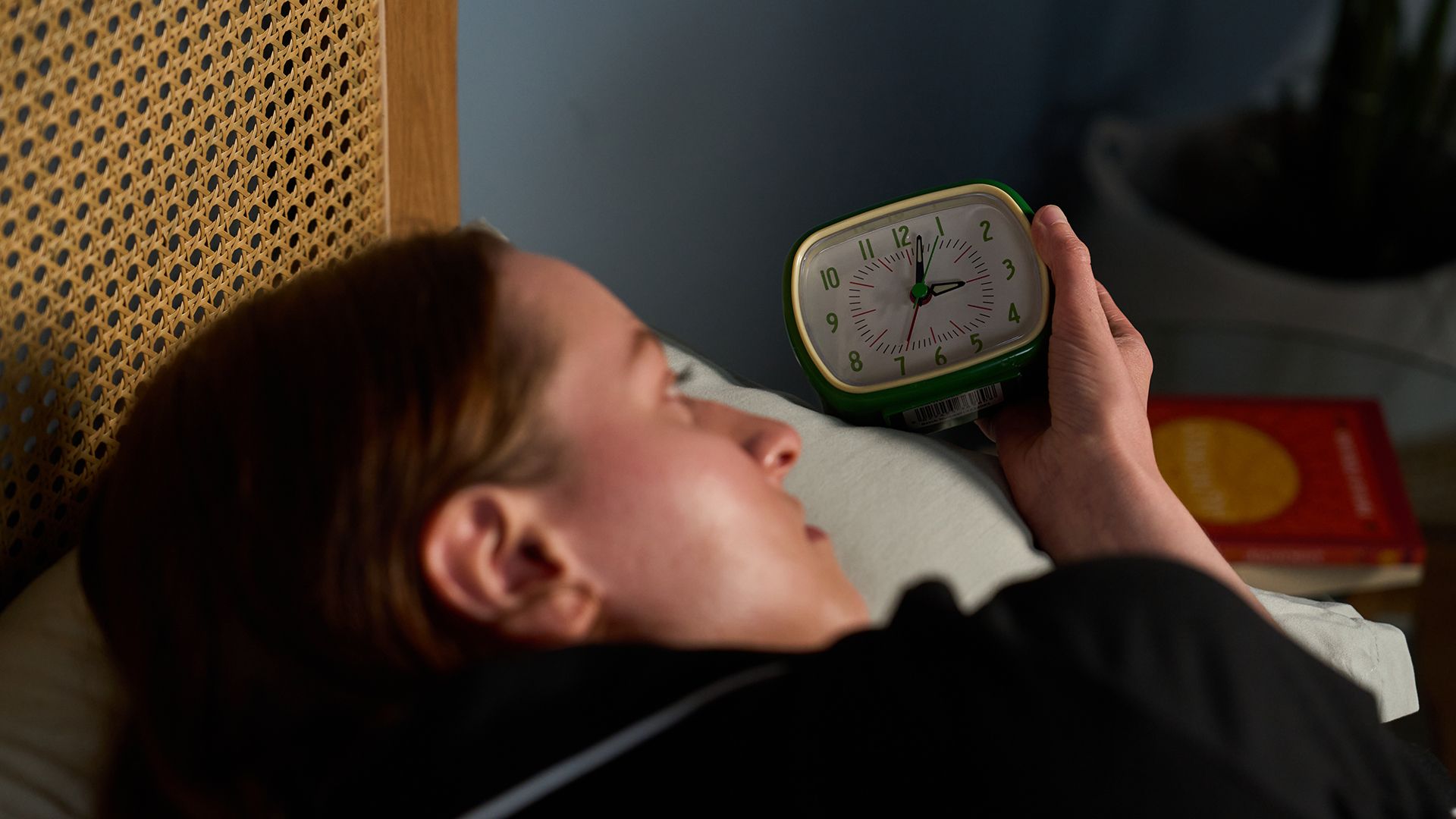
Picture the scene: your to-do list is spiralling and you can't switch off. But you're so severely sleep deprived that you fall asleep as soon as your head hits the pillow... only to then wake up at 3 a.m. on the dot.This used to be my nightly reality, a nightmarish space where stress, anxiety and middle insomnia punctuated my sleep. As arguably the world's two best and well-known sleep doctors, Dr. Michael Breus and renowned Ted Talk superstar Dr. Matthew Walker, have now explained to me, stress-related cortisol is the main culprit.Below, I'll explore what cortisol is (spoiler: it's not the enemy of sleep you might think it is), plus I'll share doctor-prescribed tips for lowering stress levels for better sleep.Key takeaways: At a glance We produce cortisol as a stress response to enhance our physical and cognitive abilities. However, cortisol also plays a crucial role in regulating our sleep-wake cycles.Cortisol levels rise naturally around 3 a.m. but stress can cause cortisol levels to rise too high or too fast, causing us to wake up in the middle of the night.Tips for relieving stress levels, and therefore boosting your chances of sleeping through the night, include spending time in nature and writing a to-do list for the following day.What is cortisol and what role does it play in sleep?