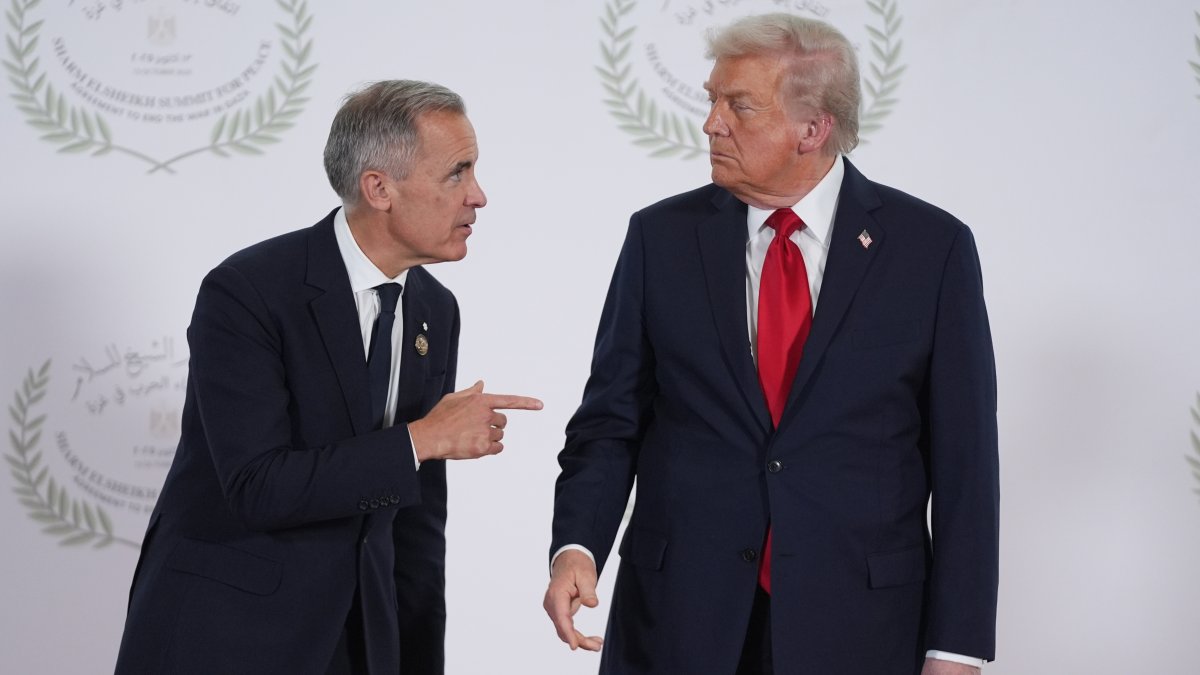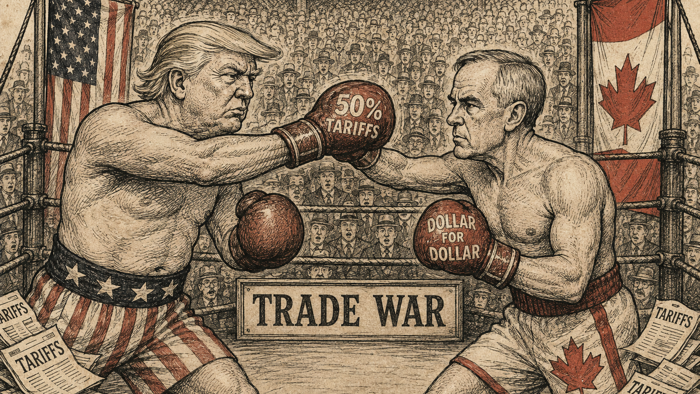
The United States and Canada failed to reach a trade deal late on August 21, with negotiations falling apart just minutes before a midnight deadline. The collapse triggered immediate 50% US tariffs on roughly $20B worth of Canadian goods, a dramatic escalation in a trading relationship worth approximately $880B annually.
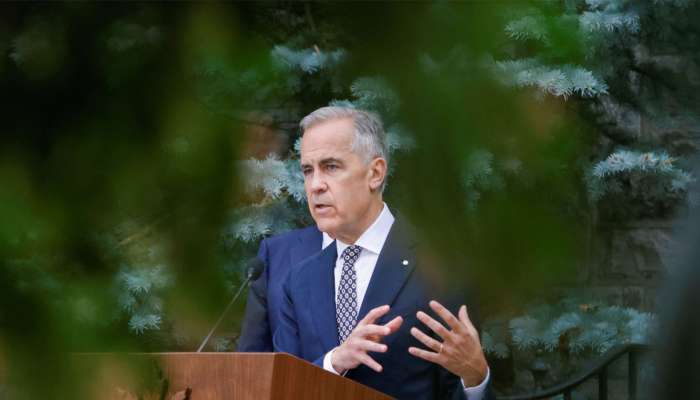
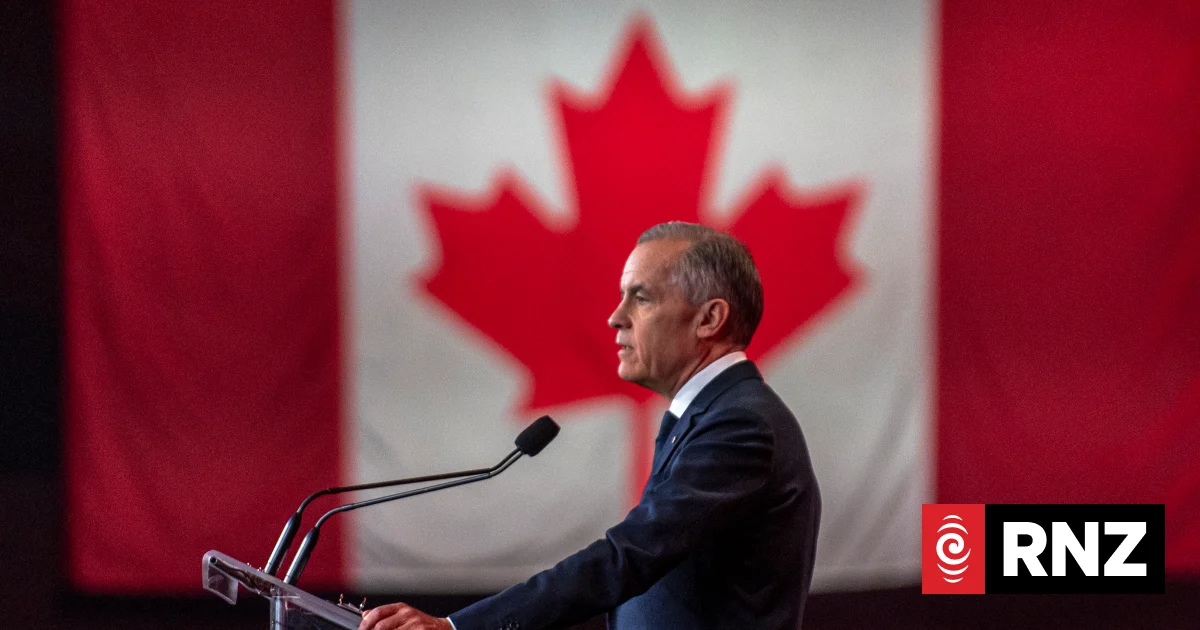
Canadian Prime Minister Mark Carney announced the suspension of talks and pledged retaliatory tariffs matching the US measures dollar-for-dollar. No further negotiations are currently scheduled.
How it fell apart
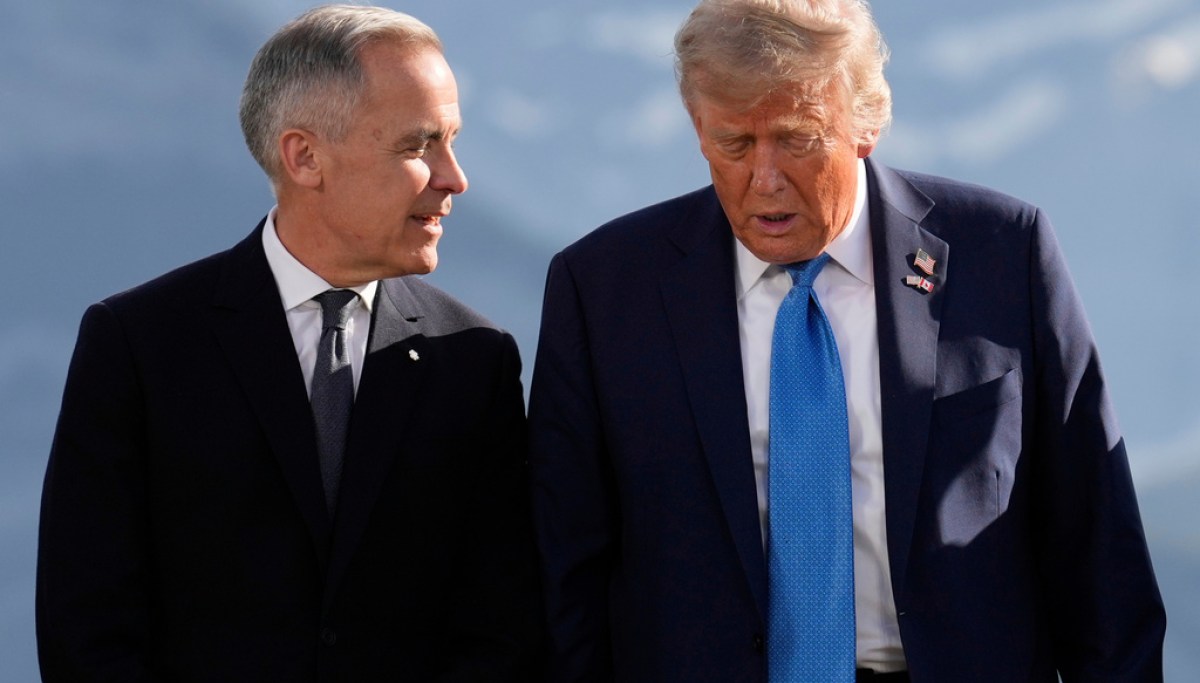
US Trade Representative Jamieson Greer accused Canada of walking back terms that had already been agreed upon verbally. Canada’s negotiating team told a different story, pointing to new, harder-line demands introduced by the US side that effectively moved the goalposts in the final stretch.
The core disputes centered on a handful of issues that neither side was willing to budge on. Tariffs on automobiles and heavy trucks sat at the top of the list. Canadian content regulations for streaming and media services proved to be another sticking point, with Canada maintaining rules requiring platforms to invest in and promote domestic content. The US side pushed for loosening those requirements. Perhaps the most structurally significant disagreement involved Canada’s autonomy in pursuing trade agreements with other nations independently, with the US reportedly seeking provisions that would constrain Ottawa’s ability to cut deals with countries Washington views as adversaries.