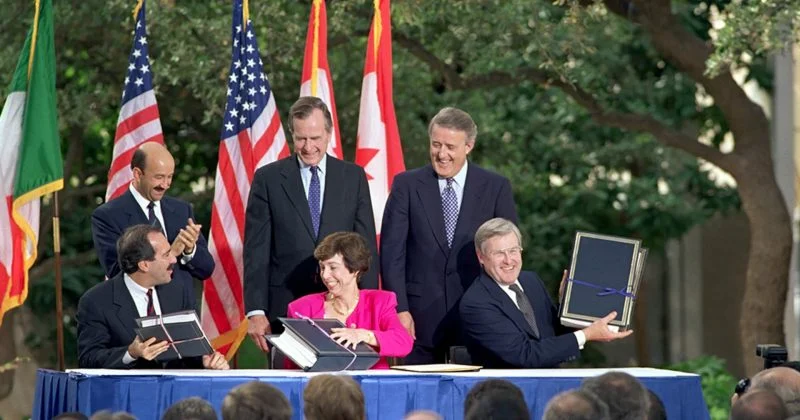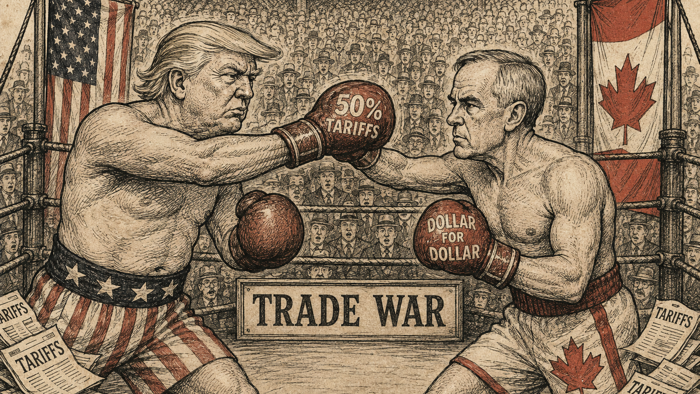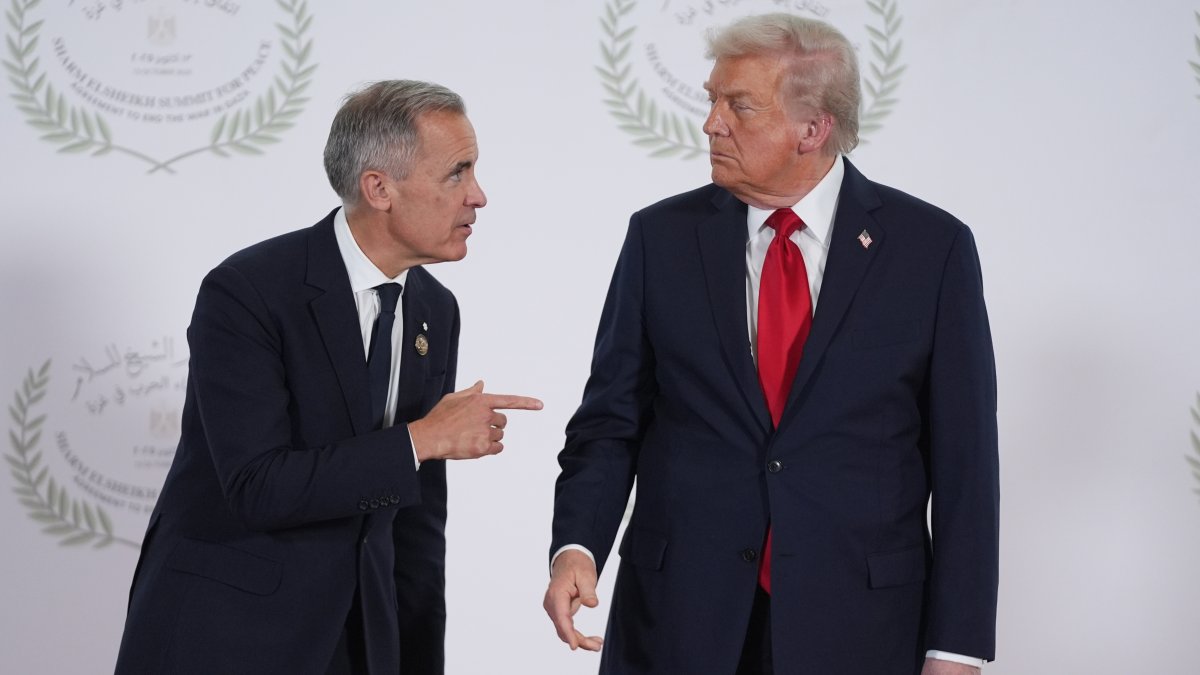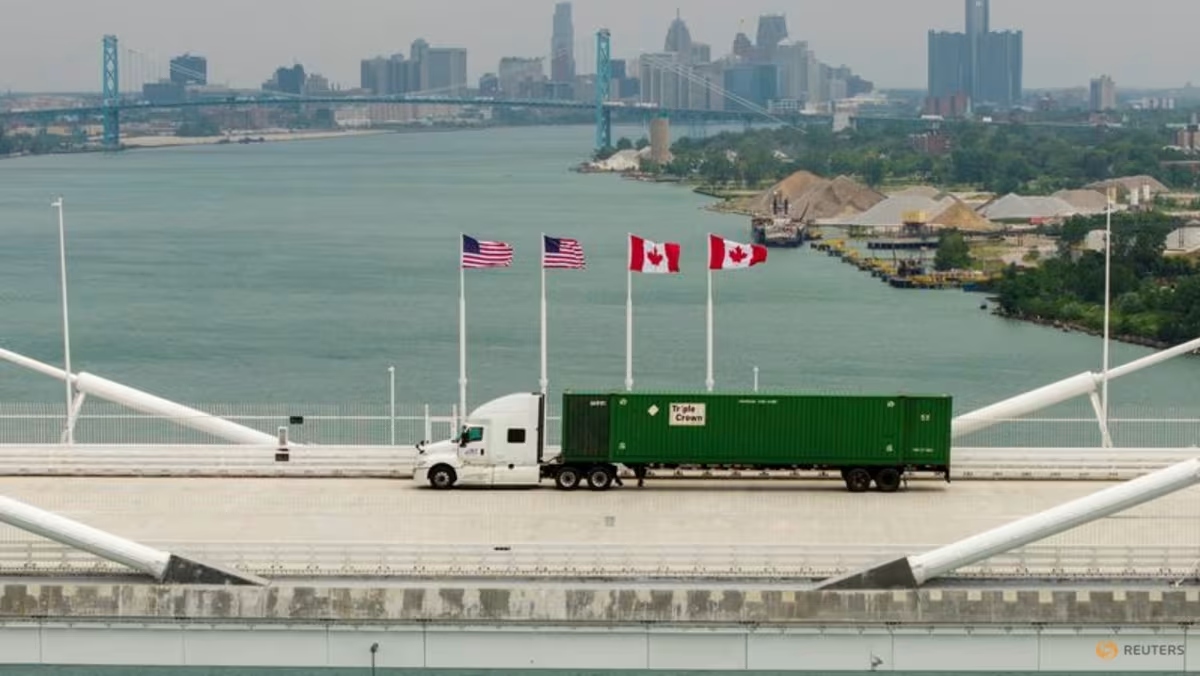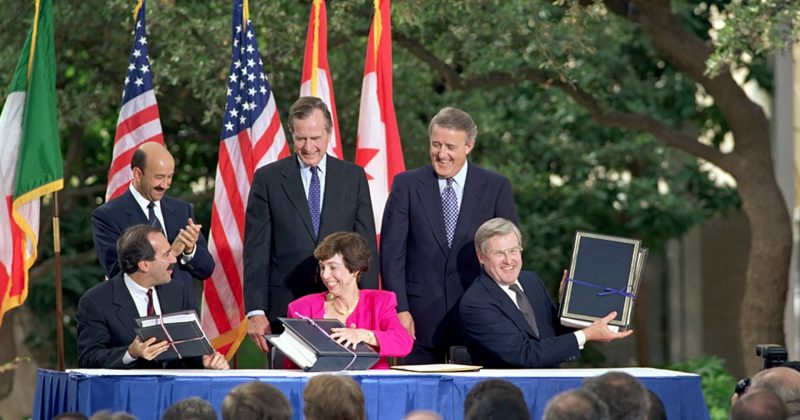
The US and Canada went to bed on August 21, 2026, as the two largest bilateral trading partners in the world. They woke up as adversaries, at least on paper. Trade negotiations collapsed just before a midnight deadline, triggering a 50% tariff on roughly $20 billion worth of Canadian imports into the United States under Section 338 of the Tariff Act of 1930.
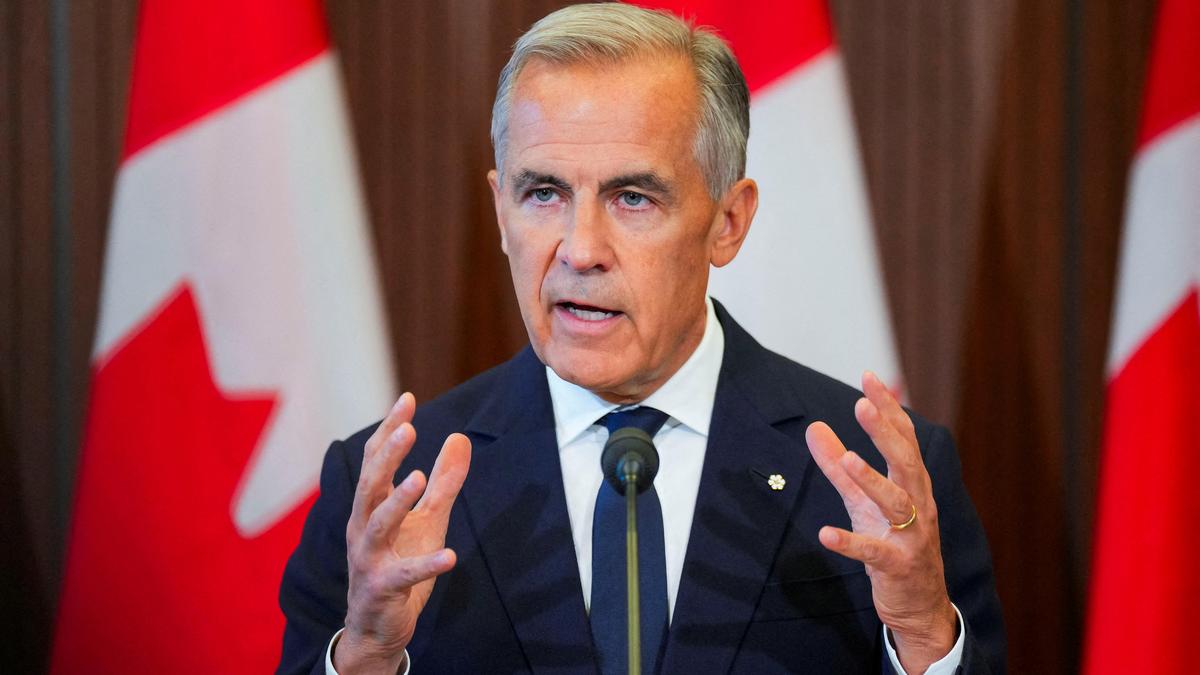
Canadian Prime Minister Mark Carney responded by recalling his negotiators from Washington and announcing a retaliatory tariff package of his own, set to kick in on September 8. The targets: US steel, dairy, electronics, and appliances, among other goods.
What broke down and why
US Trade Representative Jamieson Greer said Canada moved the goalposts at the last moment, pushing for additional concessions after the two sides had appeared to reach an agreement. Carney fired back that Washington had adopted an unreasonable position and left Canada with little room to maneuver.
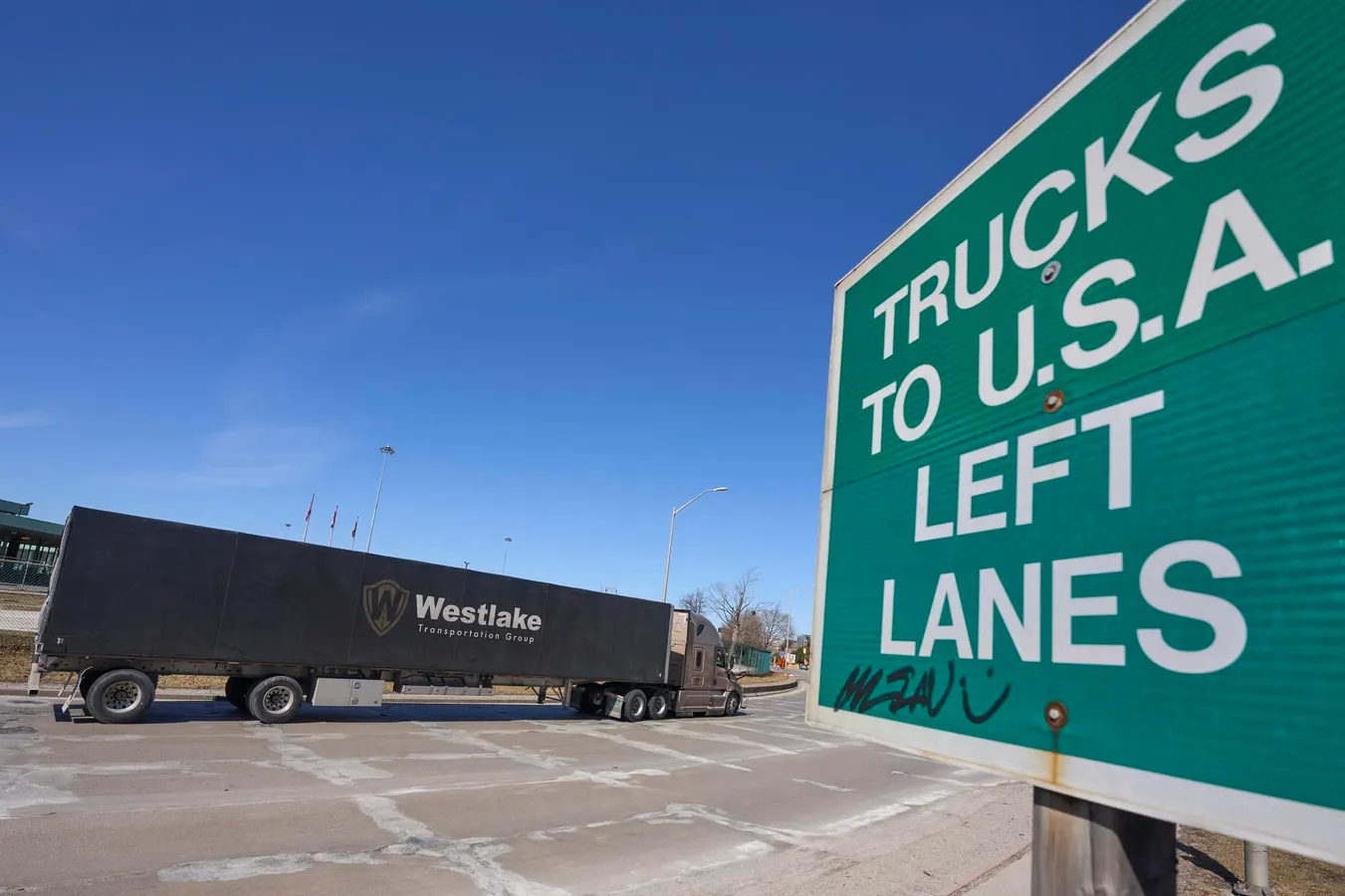
The breakdown is part of a broader trade conflict that has been building since 2025, with tensions rising steadily across sectors that are deeply intertwined with cross-border supply chains. Automotive manufacturing, steel production, and agriculture are the most exposed, since those industries depend on the ability to move goods across the border with minimal friction. A 50% tariff is not minimal friction.