Read The Diplomat, Know The Asia-Pacific
Recent developments indicate that domestic mechanisms can confront civil war-era crimes when there is a government serious about the rule of law and good governance.
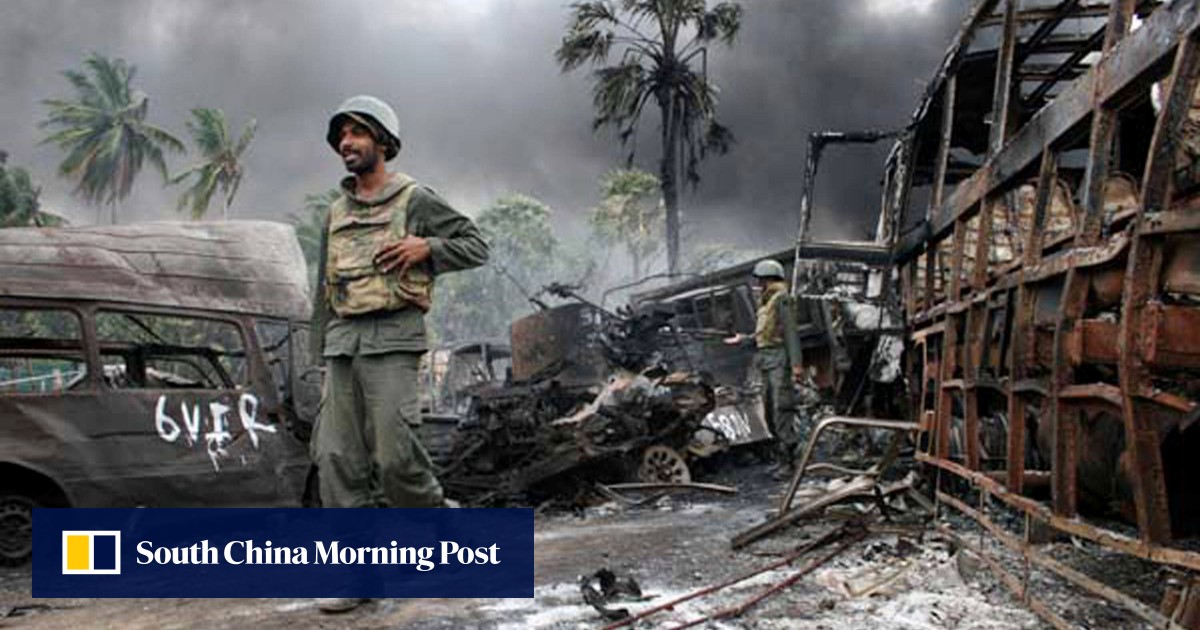
Sri Lanka has always insisted that domestic mechanisms are capable of dealing with alleged crimes that occurred during the decades of civil war in the country from 1983 to 2009. Activist groups within and outside the country were skeptical of such claims. They had long insisted that it was impossible for the Sri Lankan state to conduct an impartial investigation into these allegations, and until quite recently, the track record of such prosecutions was not promising.
However, in the past few weeks, two of Sri Lanka’s long-running conflict-era criminal cases have seen significant breakthroughs. The Court of Appeal ordered a retrial of six former soldiers acquitted over the 1996 Kumarapuram massacre, while the Attorney General indicted former Eastern Province Chief Minister Sivanesathurai Chandrakanthan, also known as Pillayan, and three others over the alleged abduction and murder of a prominent academic in 2006.
Investigations into these two cases began many years ago. However, as in other cases involving powerful people that are now nearing completion, progress was slow, as the accused or their political masters retained influence over the state. Thus, despite having necessary laws, investigators, and courts theoretically capable of pursuing powerful people, political interference and protection prevented those institutions from completing their work.