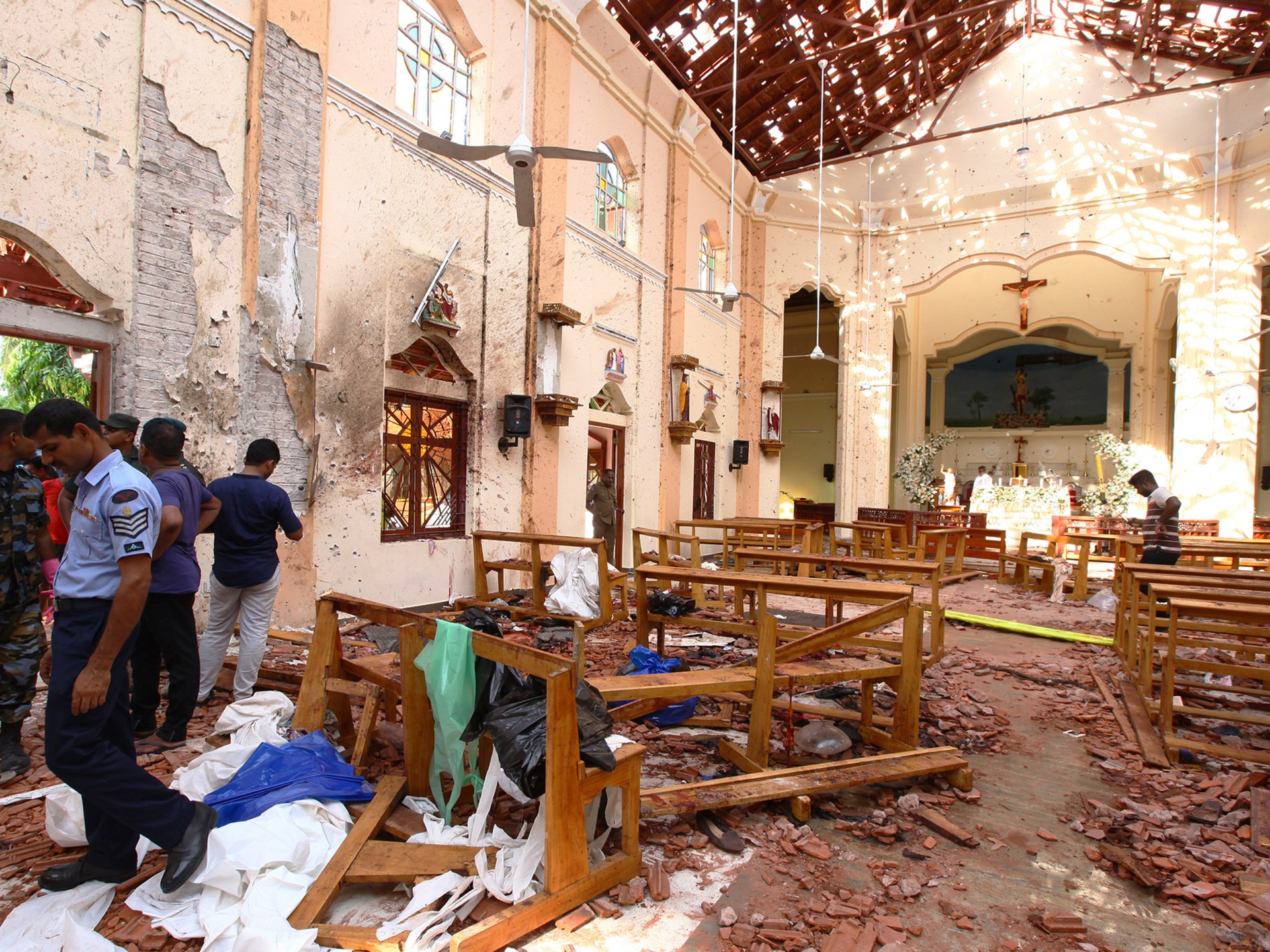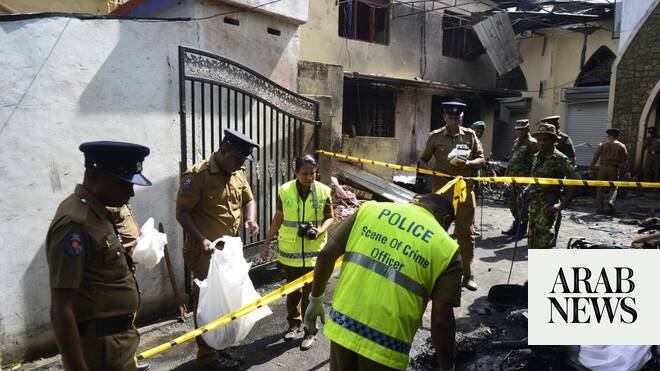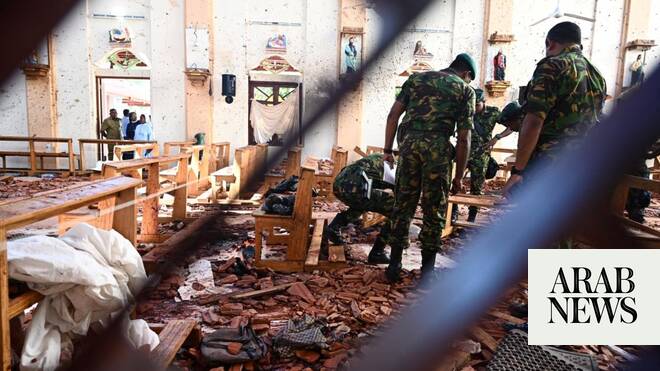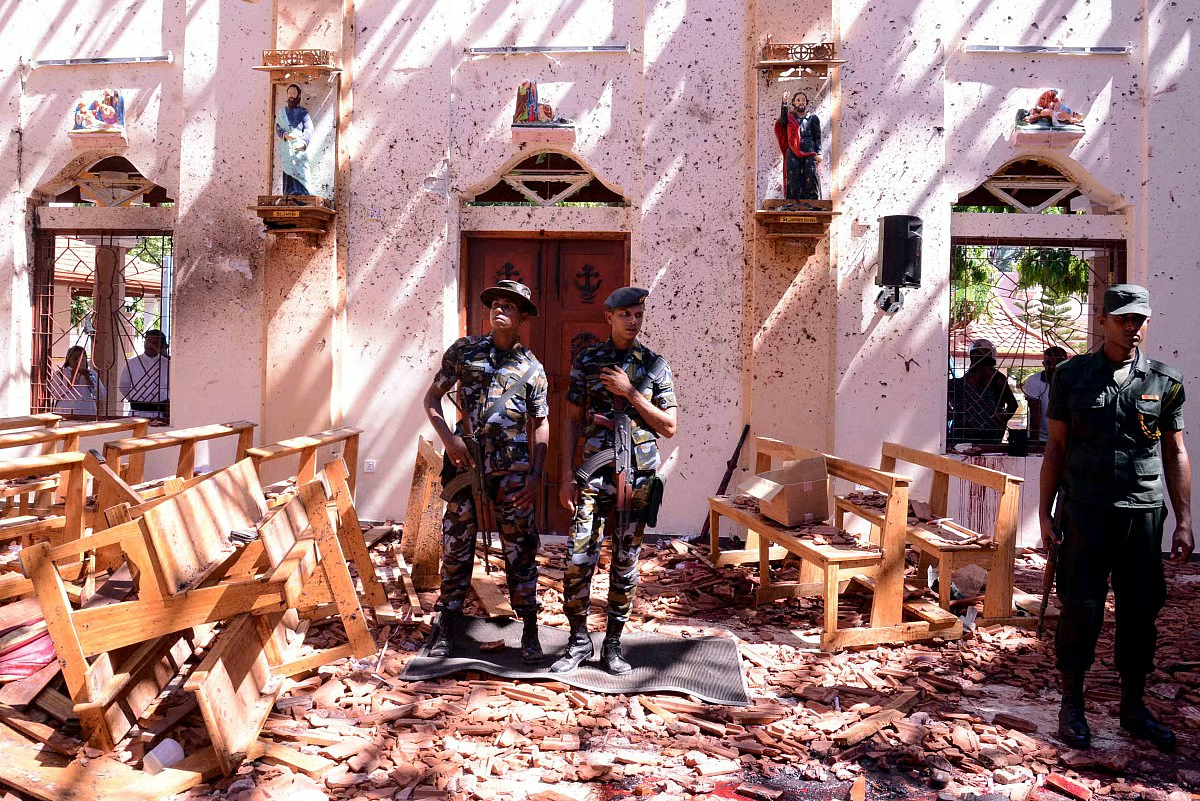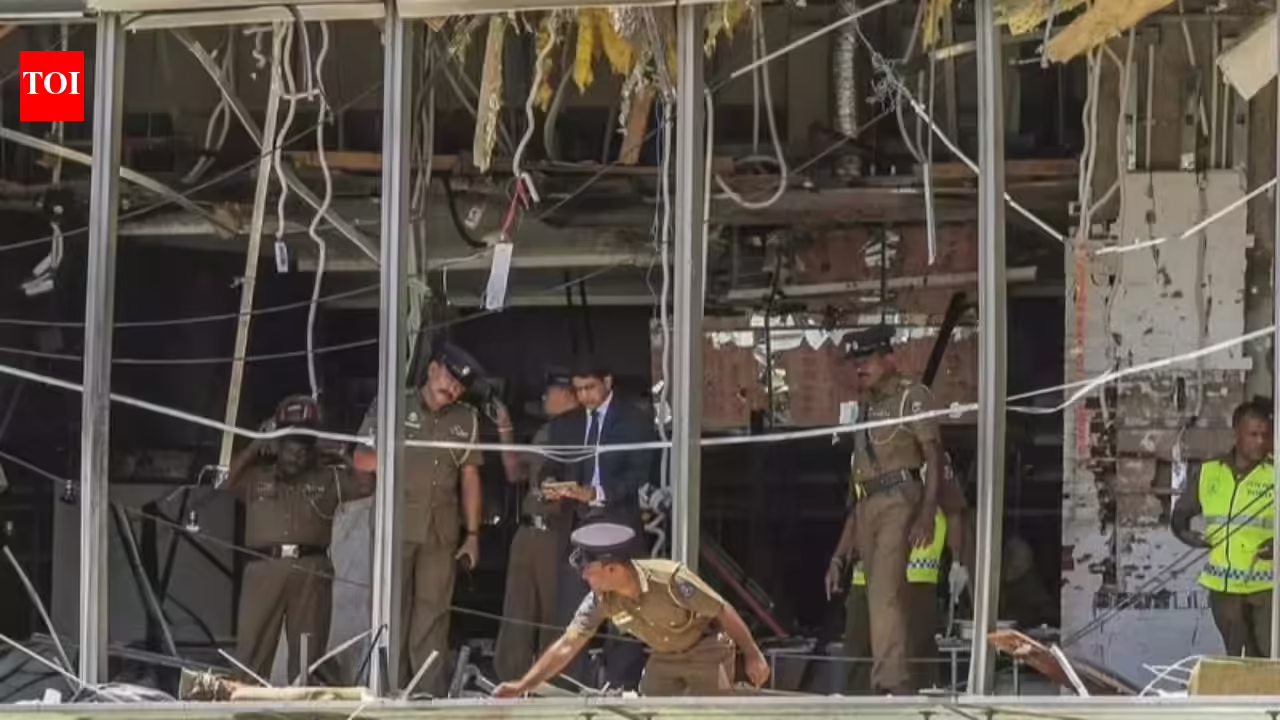
Sri Lanka’s investigation into the 2019 Easter Sunday attacks, under the National People’s Power (NPP) government, has moved into the intelligence services. A few years ago, this would have been unimaginable.
The arrest of former State Intelligence Service Director Major General (retd.) Tuan Suresh Sallay for his suspected role in the Easter terrorist attacks, forces Sri Lanka to confront the security architecture that expanded during the civil war, survived the postwar transition, and often operated beyond public scrutiny.
From Security Failure to State Suspicion
During the first few years after the attacks, many Sri Lankans believed that the Easter attacks were the result of the failure of coordination and the incompetence of the Sirisena-Wickremesinghe administration. The accepted narrative was that intelligence officials failed to act on warnings from India, and the government, divided between President Maithripala Sirisena and Prime Minister Ranil Wickremesinghe, neglected national security. There was a lack of coordination across the bureaucracy that had weakened the state at the worst possible moment.
The Parliamentary Select Committee and the Presidential Commission of Inquiry documented serious failures in the security apparatus and several committees appointed by Wickremesinghe, once he came into the presidency in 2022, all reinforced the narrative that negligence and dysfunction had made the attacks possible.