The Pulse | Economy | South Asia
By empowering local actors and fostering genuine competition, Sri Lanka can ensure that its debt serves the nation’s future, rather than the interests of a well-connected few.
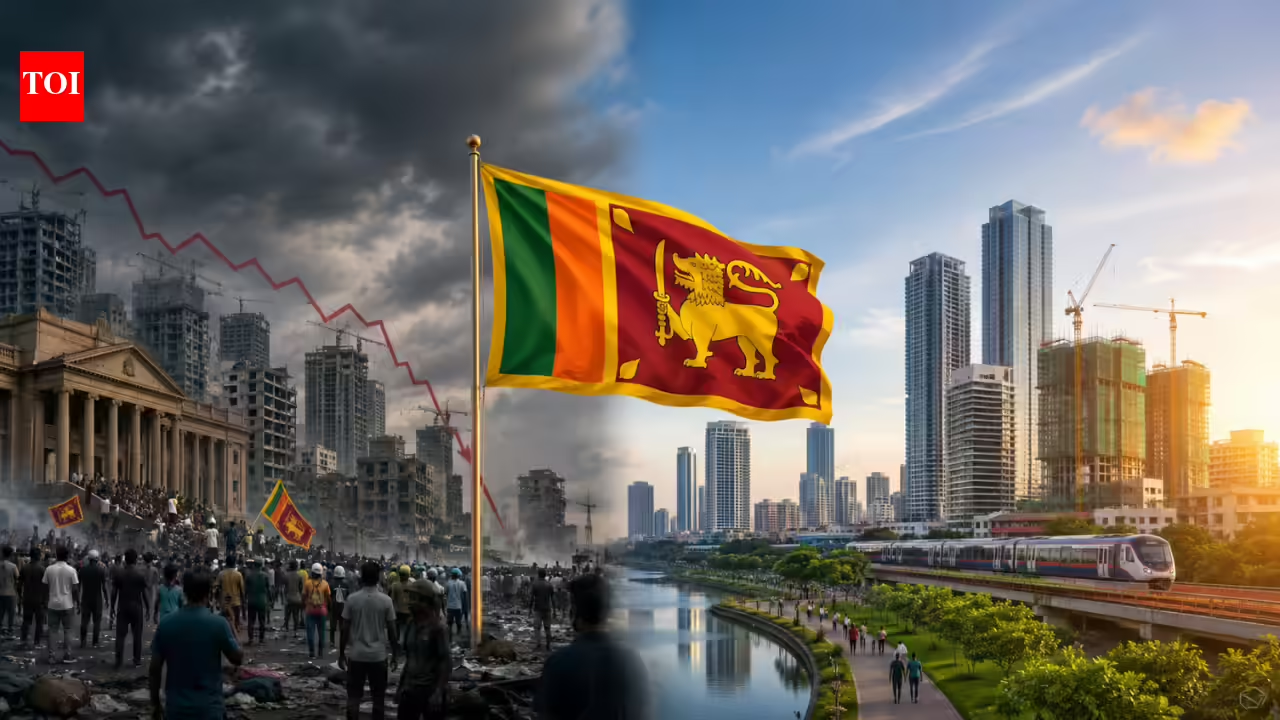
Sri Lanka’s 2022 default was not merely a fiscal accident; it was the result of a crisis of governance. While the country is still grappling with the fallout of its debt crisis, a crucial question arises: How can the next cycle of unsustainable borrowing be prevented?
Standard “good governance” reforms – the kind often prescribed by the International Monetary Fund – assume that transparency and formal oversight (vertical enforcement) are enough. But these mechanisms are easily bypassed in developing economies where powerful networks of politicians, bureaucrats, and businesses collude to inflate project costs.
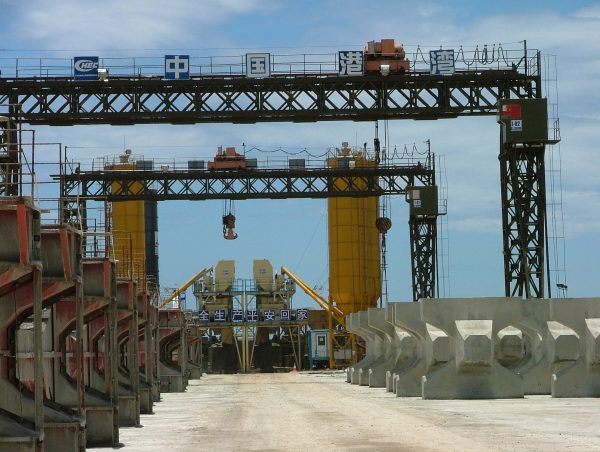
Sri Lanka’s infrastructure boom began in 2008 following the electoral victory of Mahinda Rajapaksa. Financing came from China, India, and international bond markets. Major projects included the Mattala Rajapaksa International Airport, Hambantota Port, highways, and power projects such as the Mannar Wind Power Project. The debt incurred to finance these large-scale projects contributed significantly to rising public debt. Around 65 percent of foreign debt accumulated in the decade prior to the crisis was linked to investments in transport, energy, water, and port and airport infrastructure. Many of these mega projects failed to deliver the expected economic returns and were among the factors contributing to Sri Lanka’s eventual default.