As Sri Lanka reels from Cyclone Ditwah’s devastation, calls to revisit the ongoing International Monetary Fund (IMF) programme, which critics say imposes punishing austerity, are growing louder.
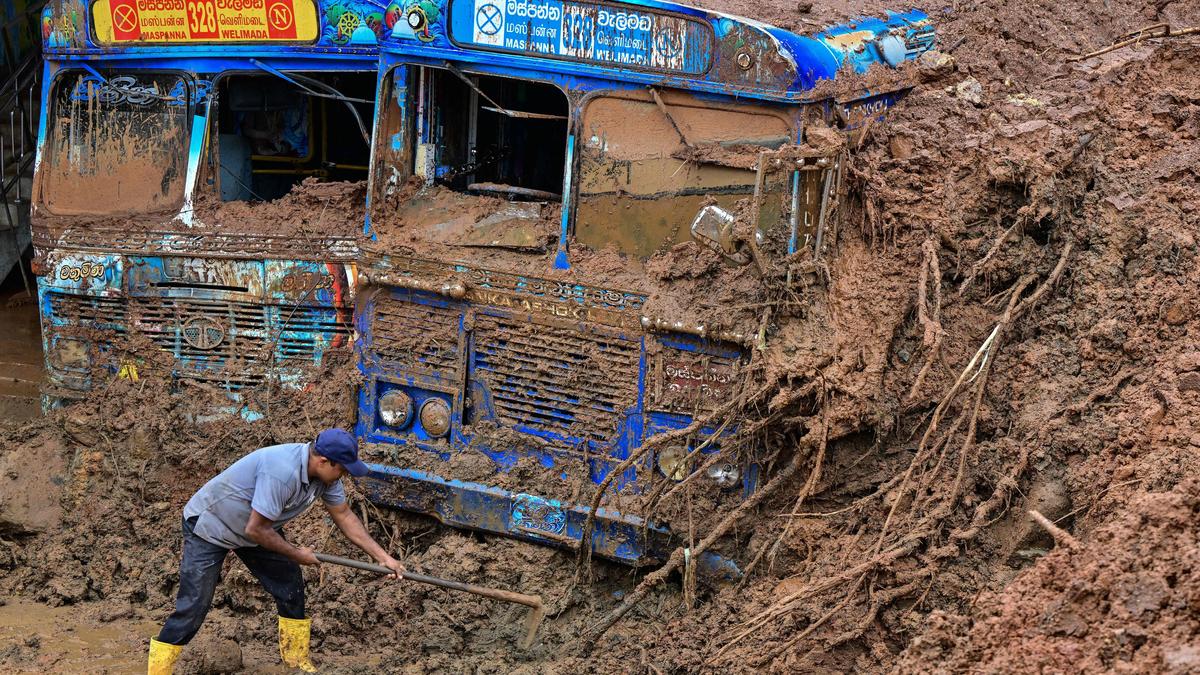
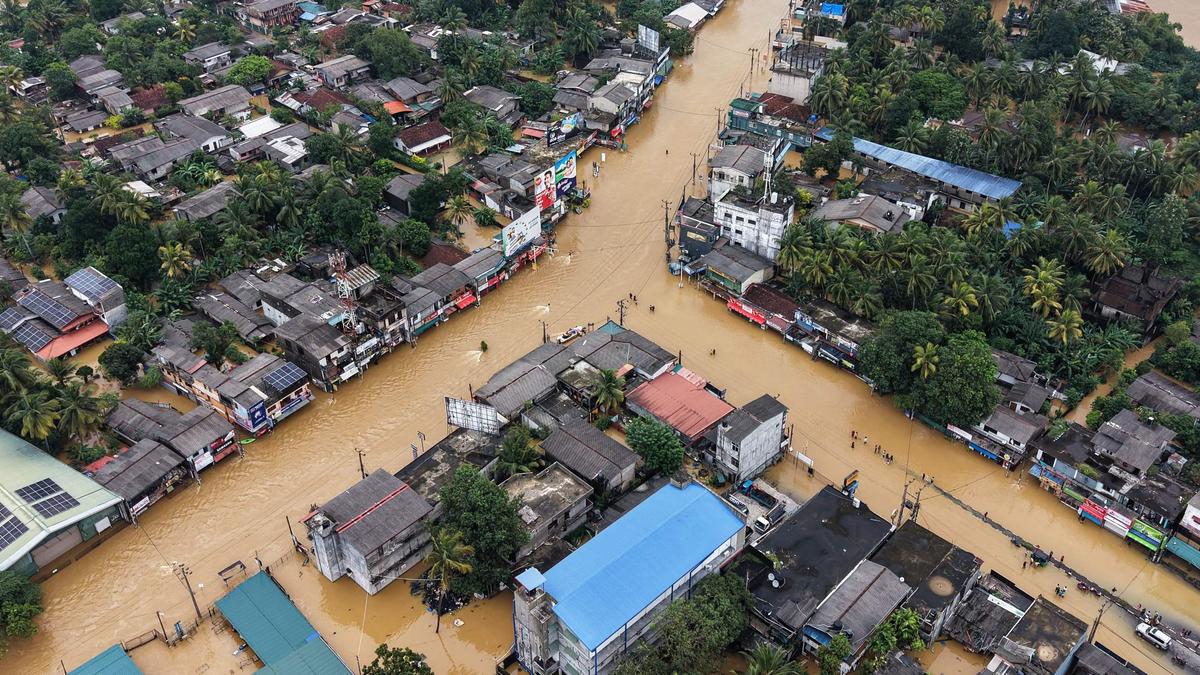
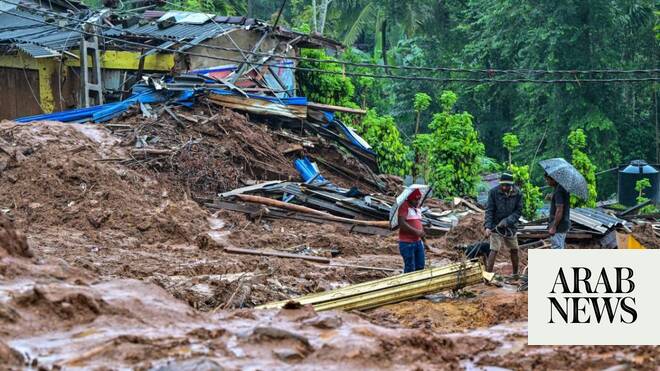
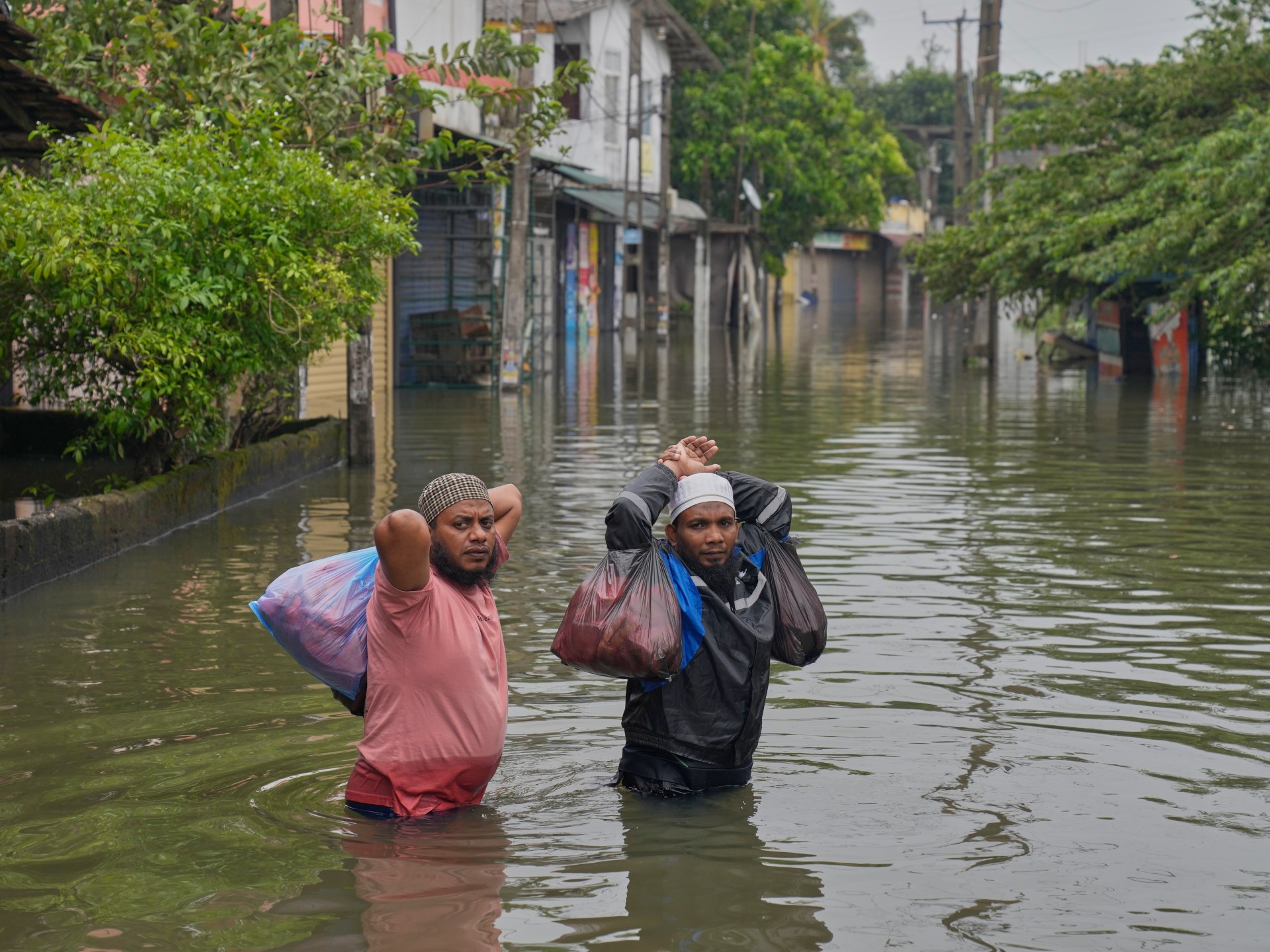
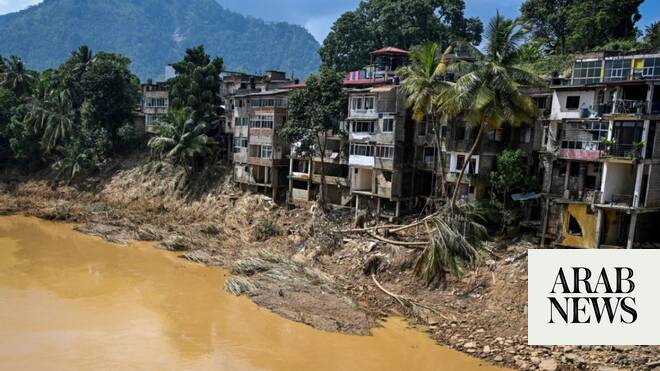
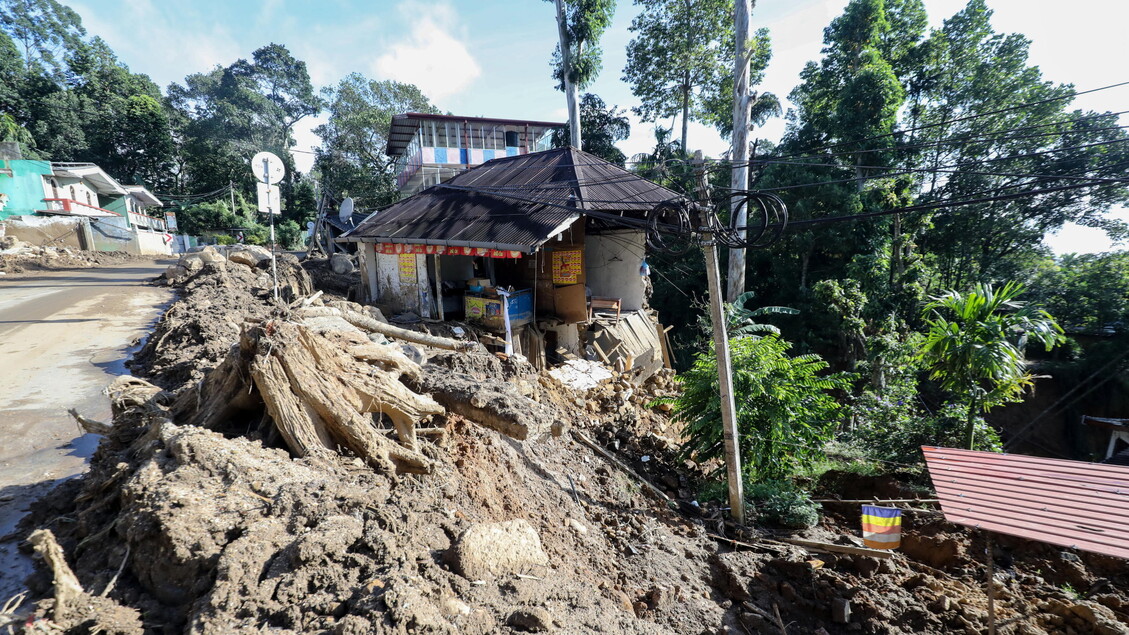
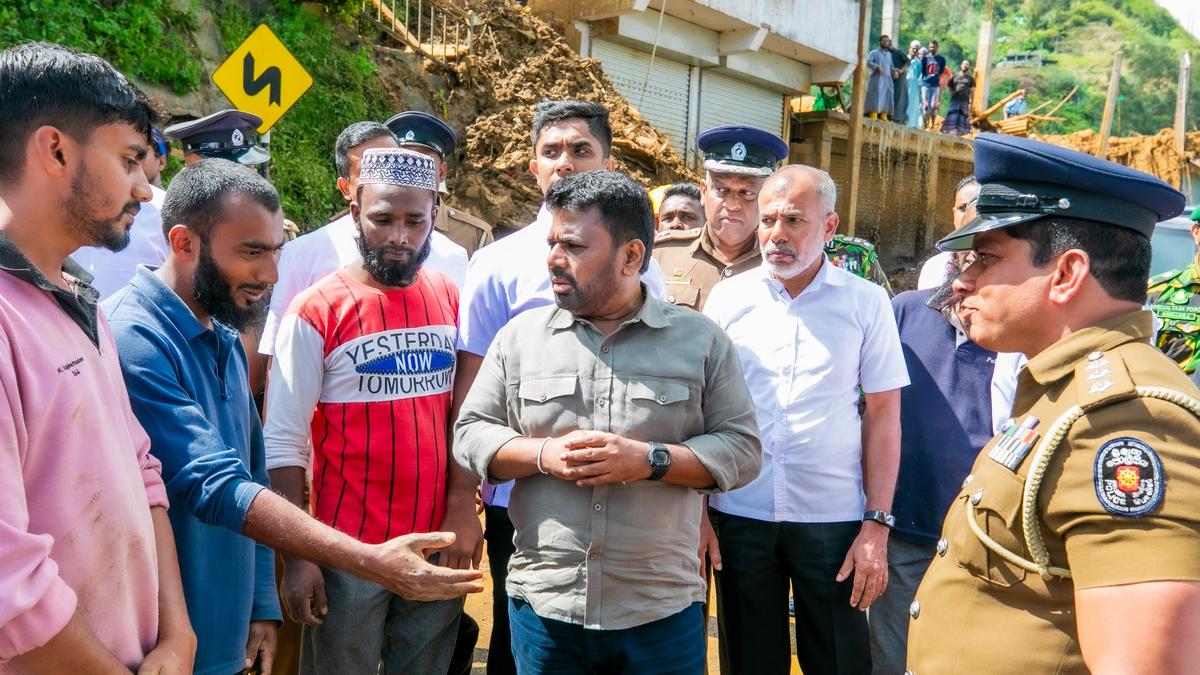
At least 638 people died — 191 remain missing — and millions were affected by torrential rains, unprecedented flooding, and multiple landslides that battered Sri Lanka late November. The climate disaster, one of the worst the country has witnessed, has dealt a sharp blow to the country’s tentative recovery, three years after it declared bankruptcy amid a financial meltdown.
News in Frames | An island ravaged by a cyclone
Last week, Opposition Leader Sajith Premadasa urged the Anura Kumara Dissanayake government to renegotiate the IMF deal in the wake of the climate catastrophe, calling for immediate talks with the Fund to suspend or amend conditions that aggravate the people’s hardships.
A UNDP study in 2022-23 found that the crushing economic crisis in 2022 had left over half of the island’s population “multidimensionally vulnerable”. Although Sri Lanka has since achieved relative fiscal stability, the condition of the country’s poor — hit hardest by IMF-prescribed spending cuts — has worsened amid stagnant wages, high living costs, and a visibly strained public education and health system they rely on.