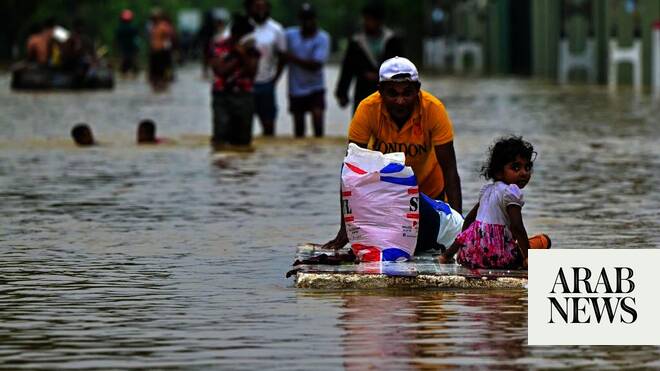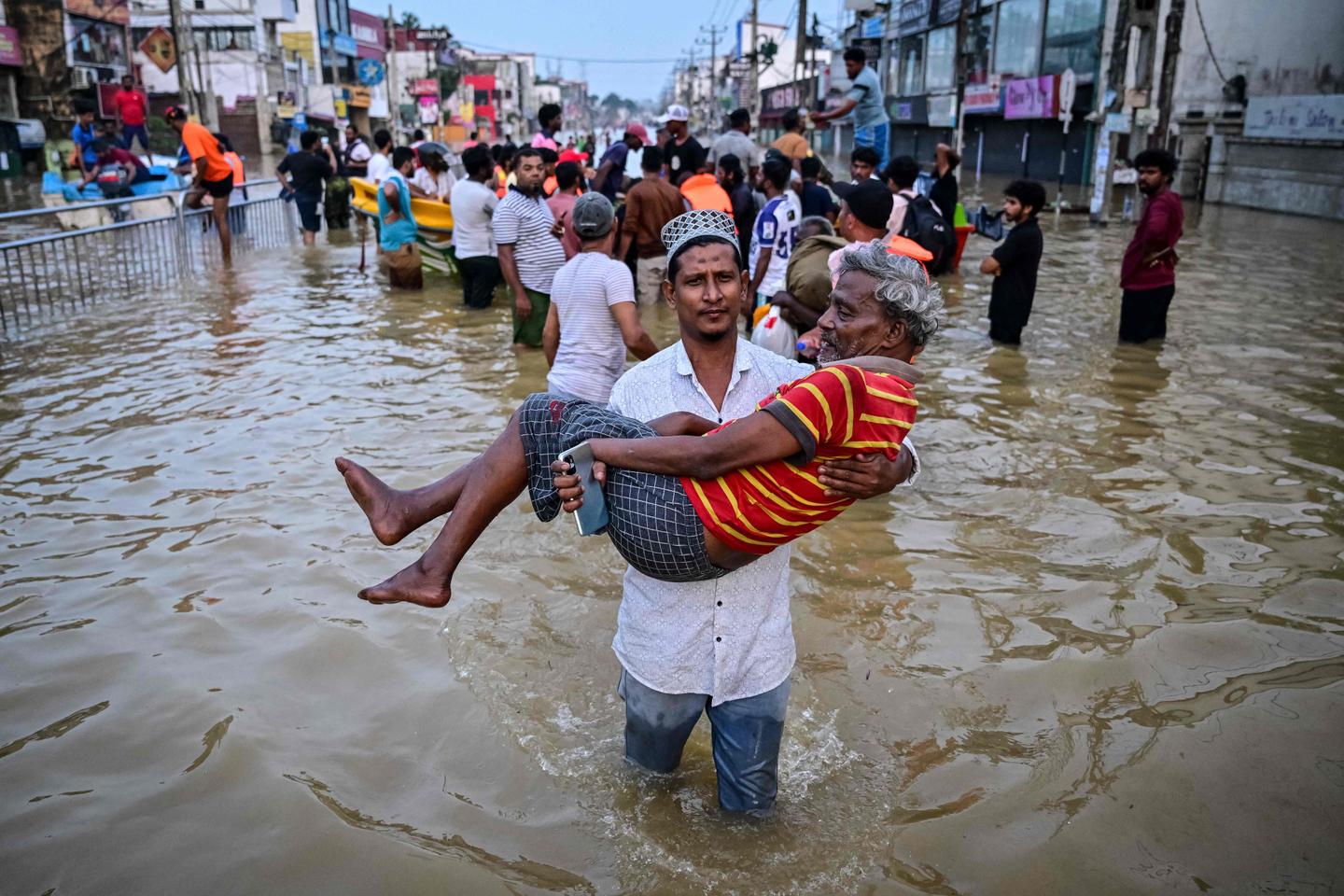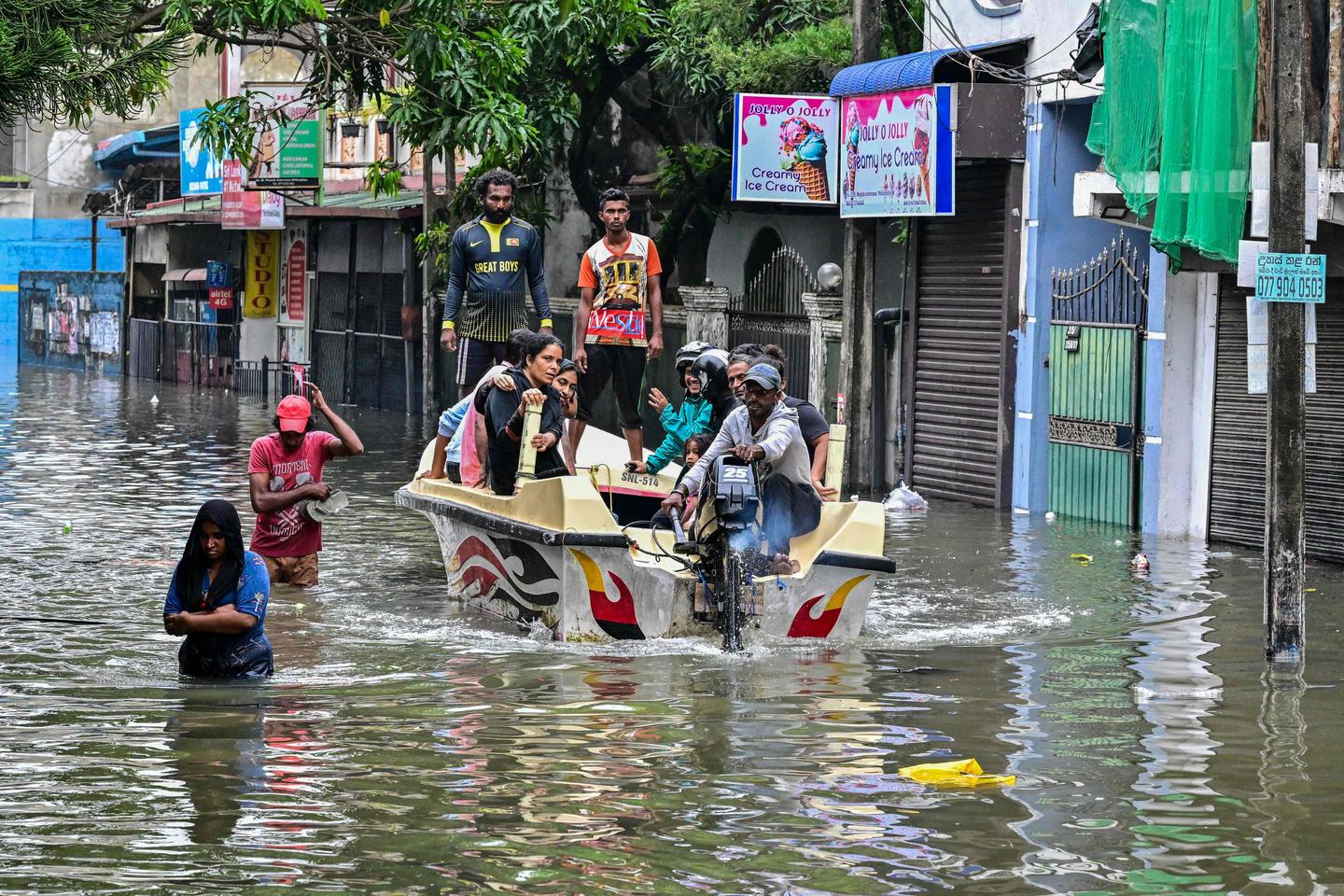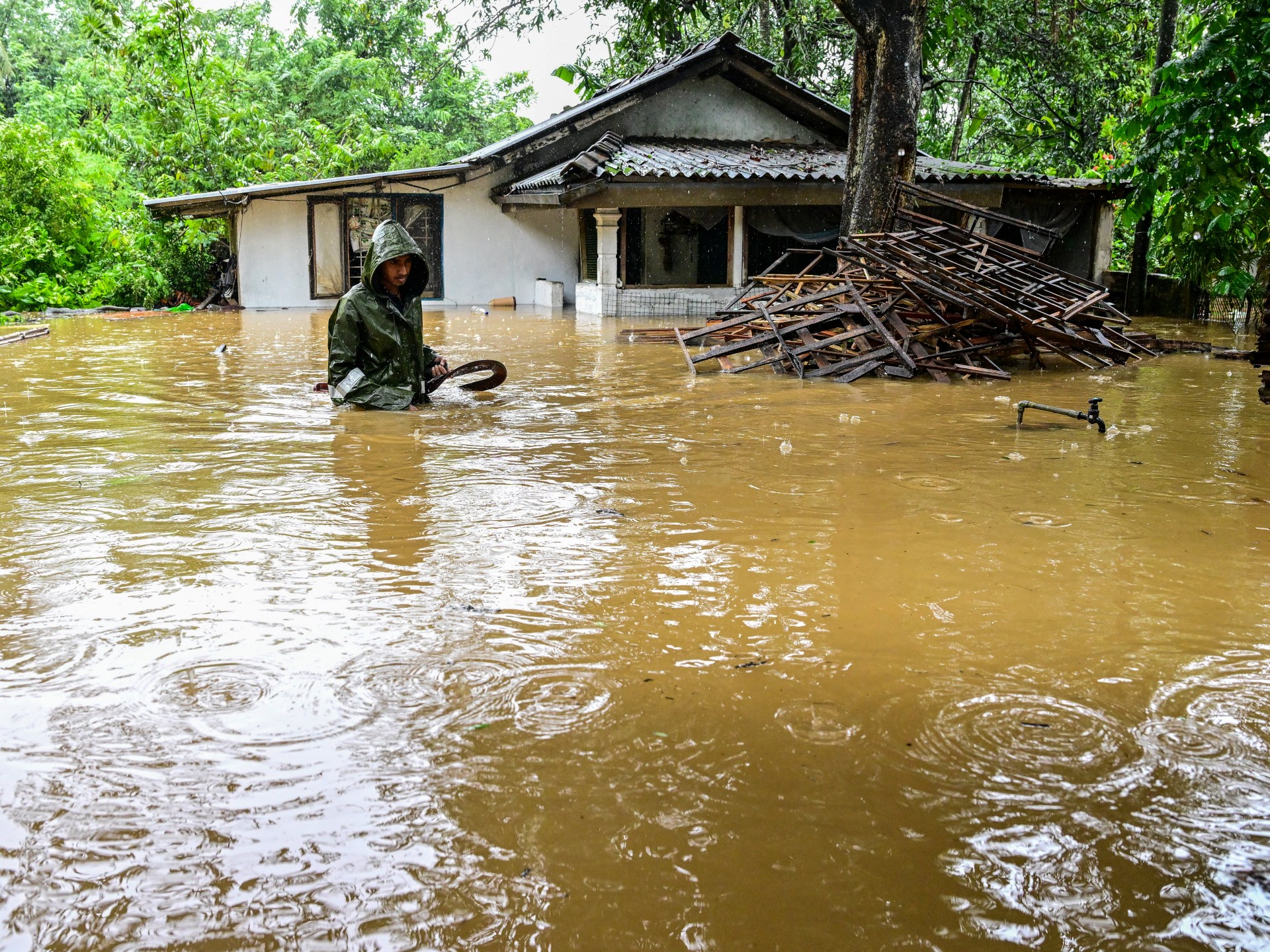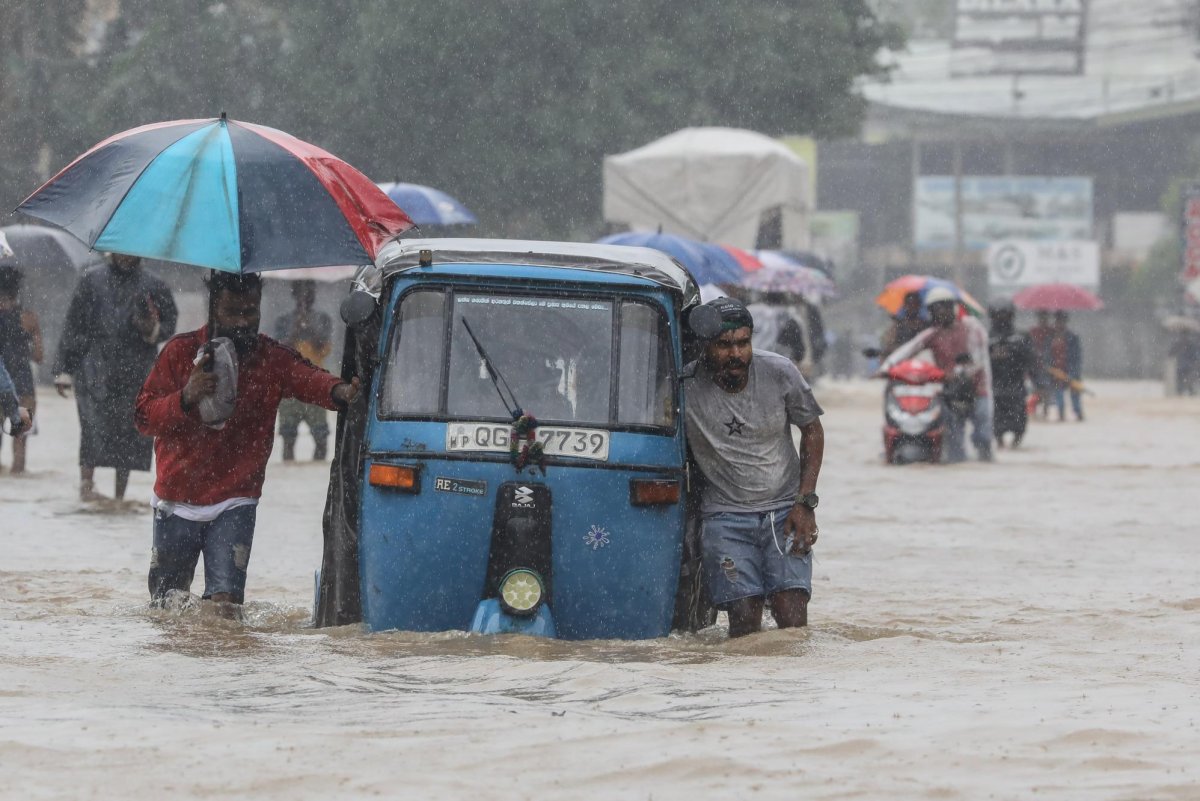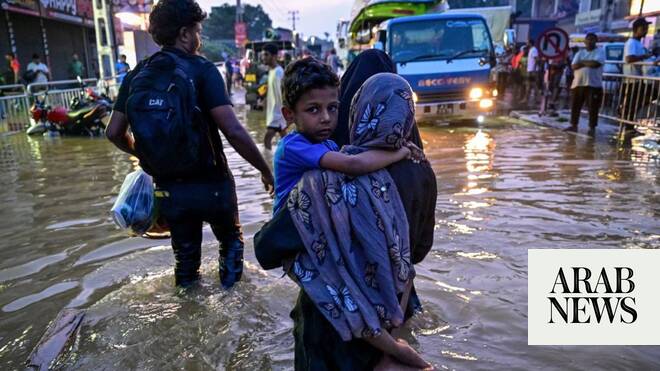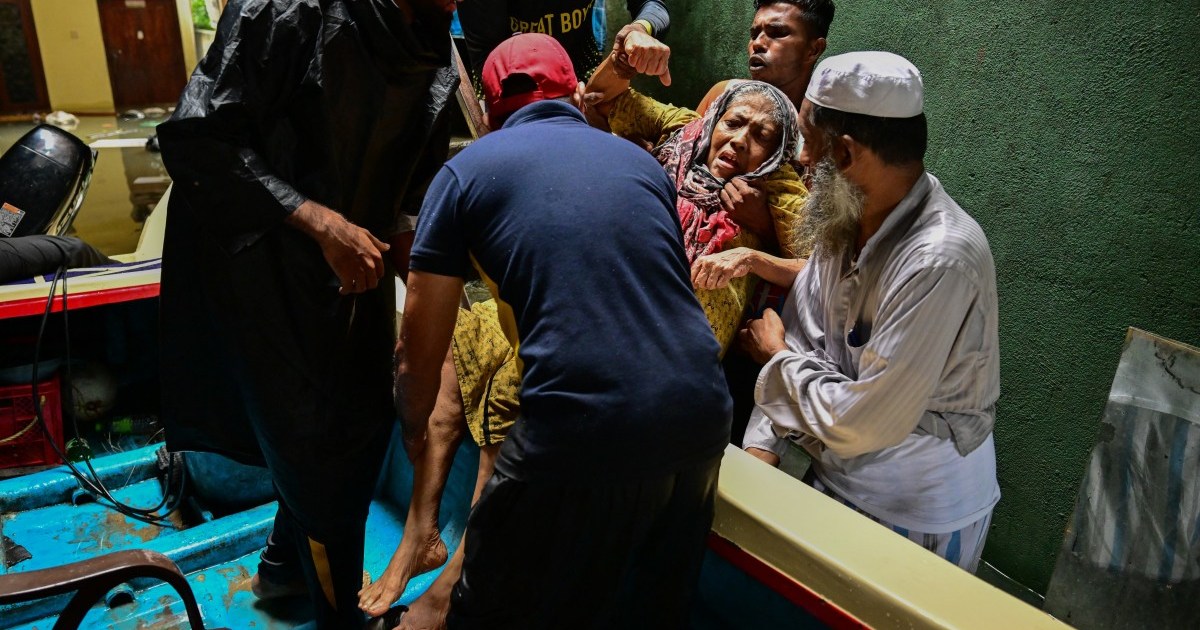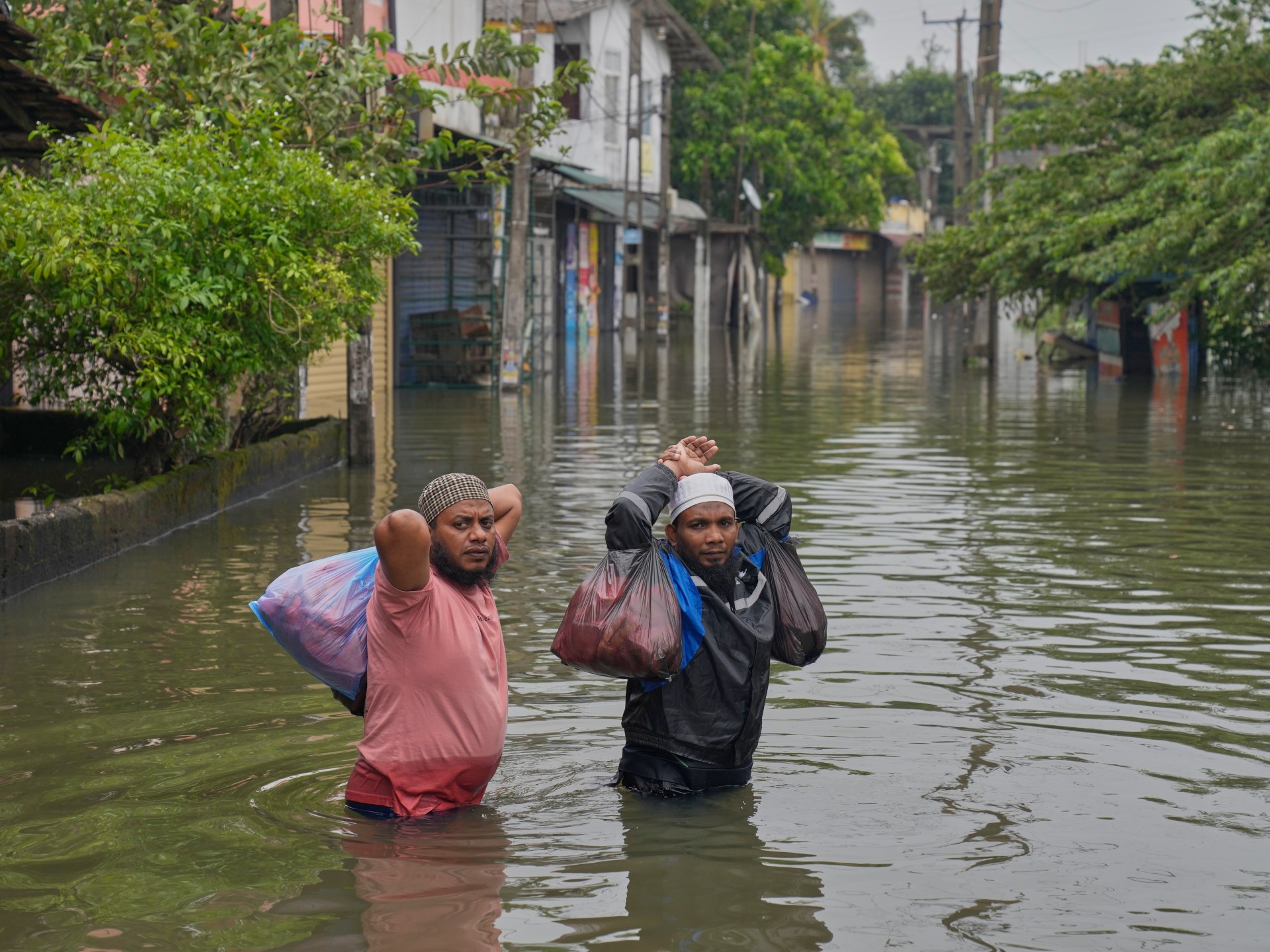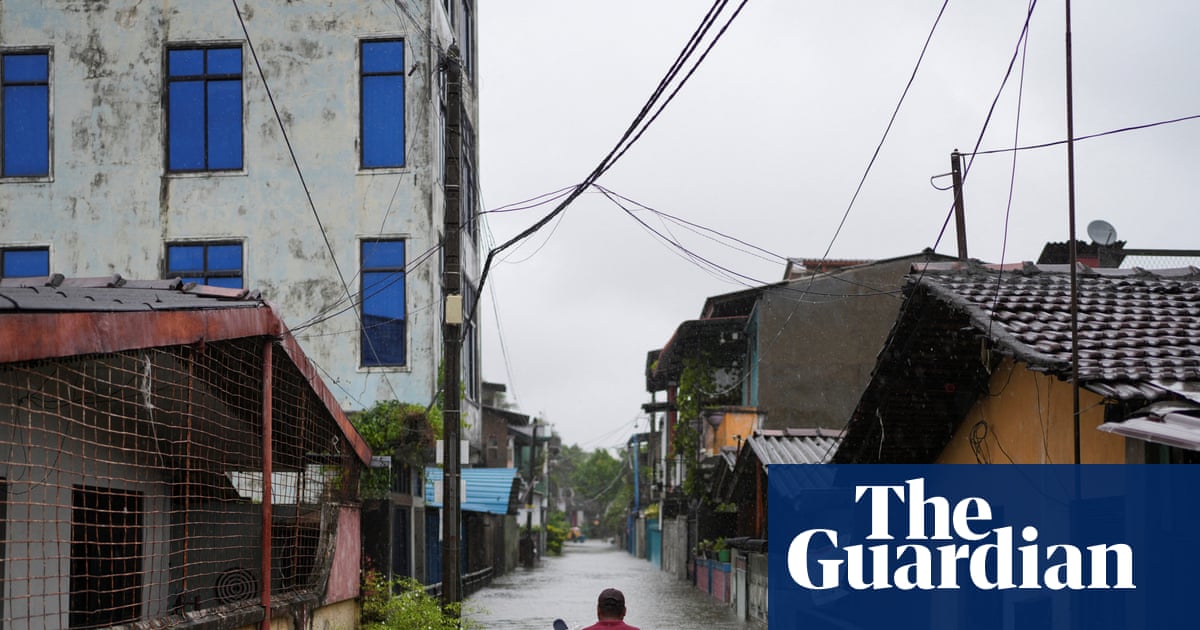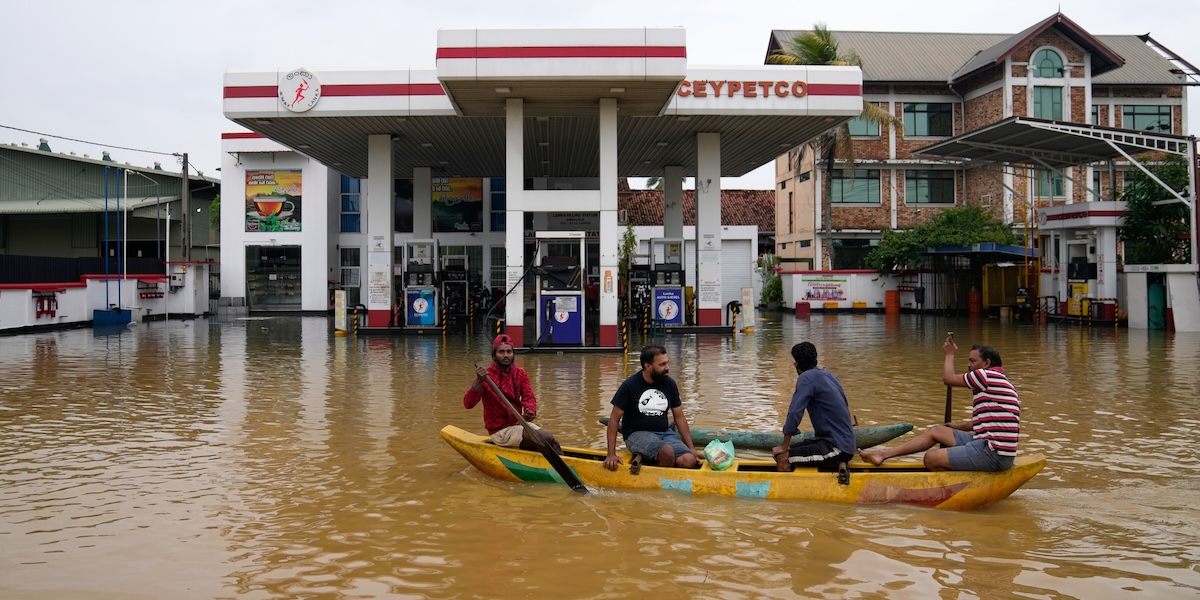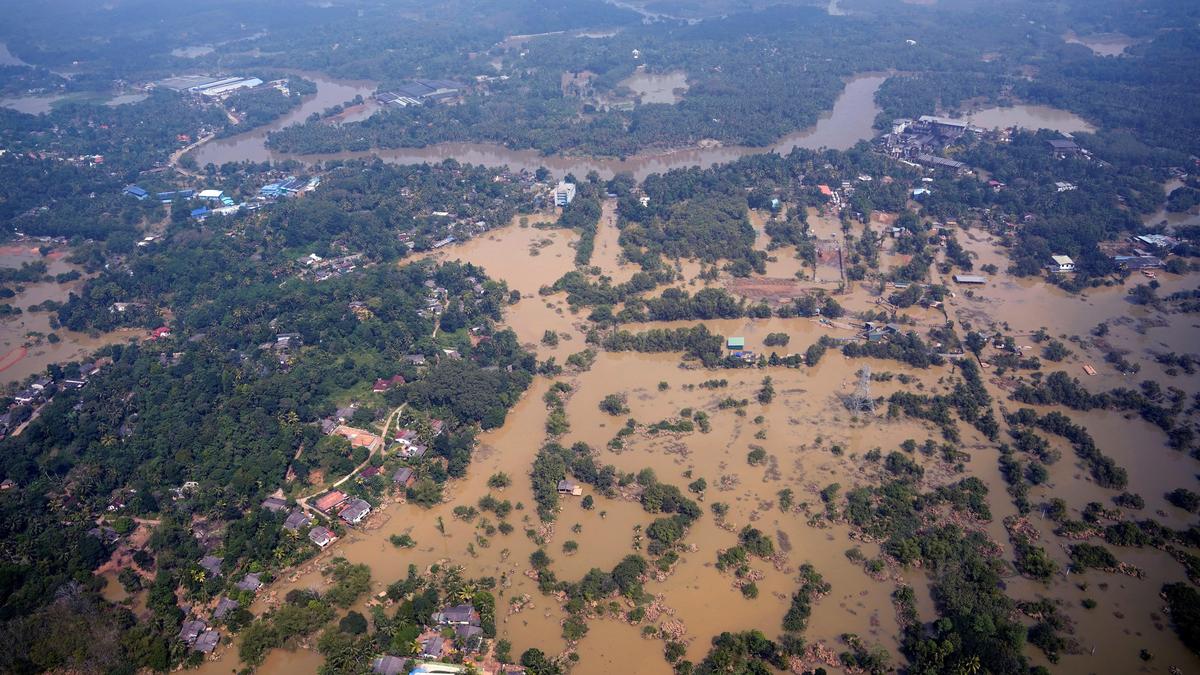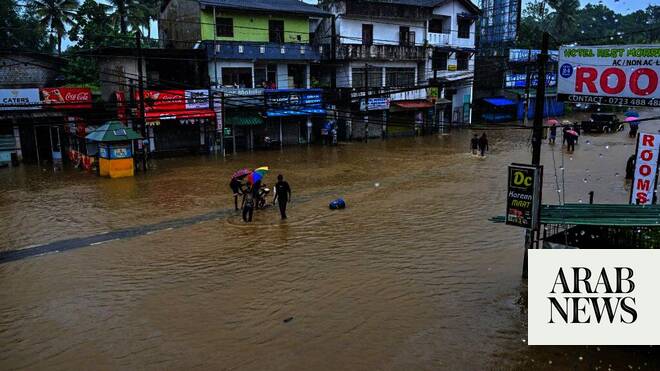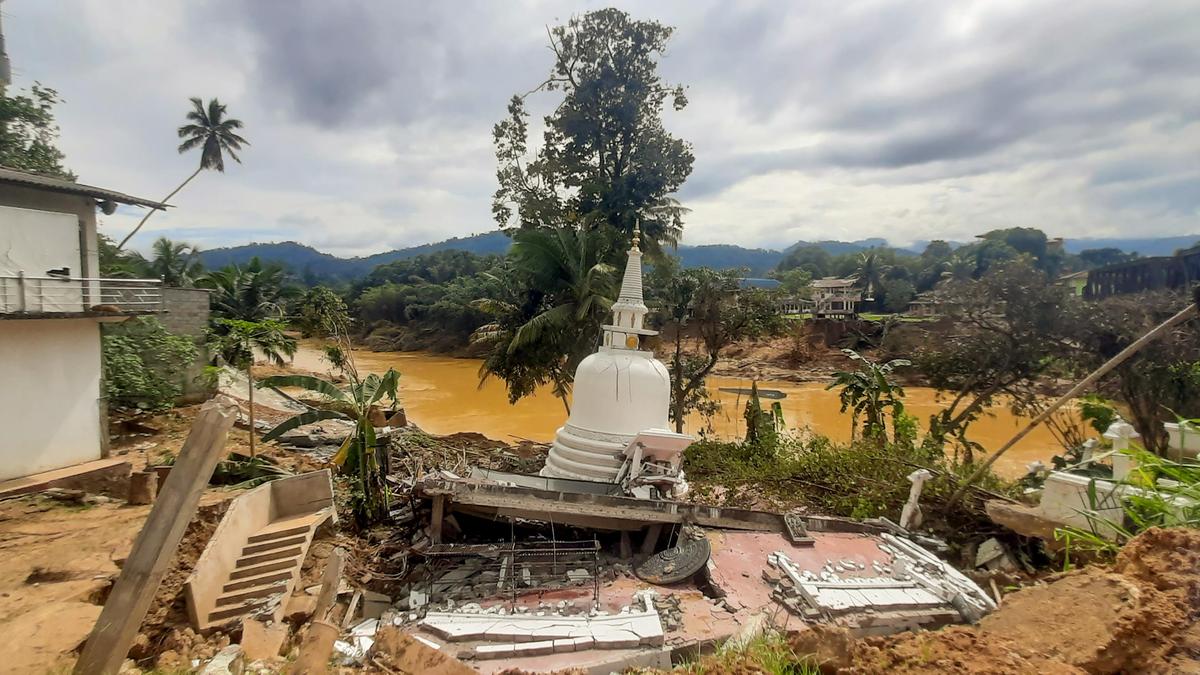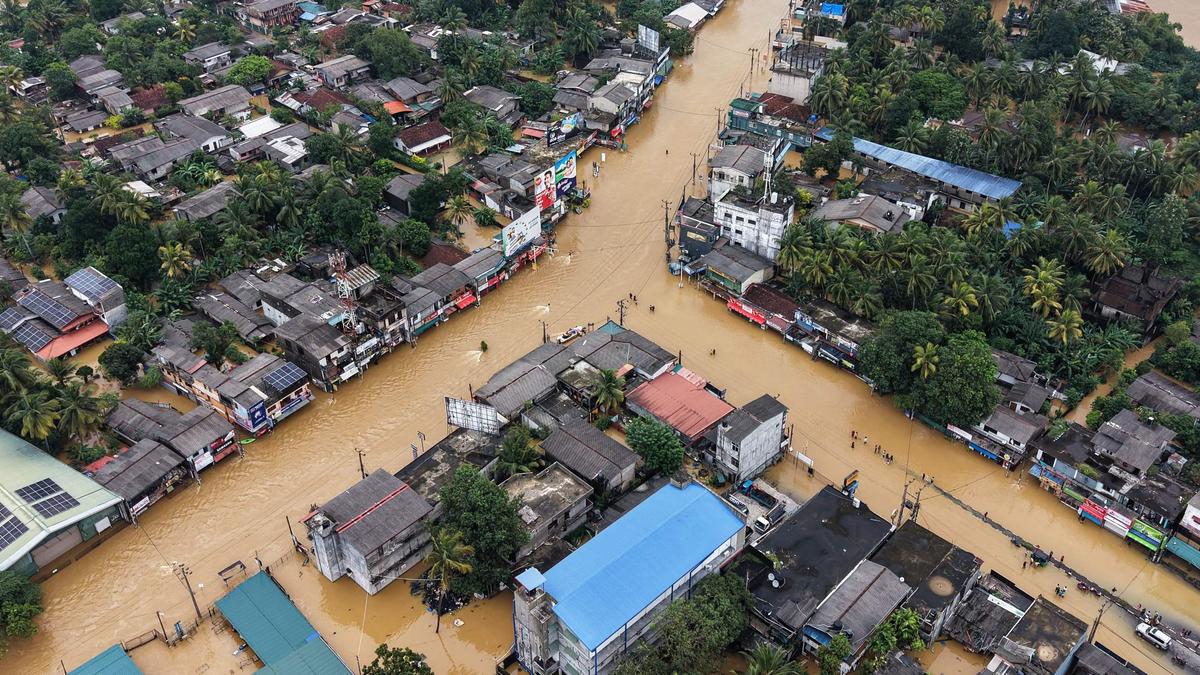
As the extent of devastation from Cyclone Ditwah begins unfolding in Sri Lanka, amid a mounting death toll — 479 confirmed deaths till date — the island is bracing for a daunting period of recovery from what appears to be its worst natural disaster since the Indian Ocean tsunami of 2004.
Reports of rescue missions finding entire villages beneath the earth in some locations have raised fears of a further increase in the death toll, even as 350 people are still reported missing.
ALSO WATCH Sri Lanka reels under Cyclone Ditwah, hundreds dead, thousands evacuated
A United Nations-backed ‘Rapid Needs Assessment’ flagged high risk of food insecurity, severe crop damage, and widespread destruction of crucial infrastructure after torrential rains and landslides battered the entire island. The central and southern hill country, where a large number of Malaiyaha Tamil estate workers — one of Sri Lanka’s poorest communities — reside and work, is the most affected region, with the highest fatality count emerging from Kandy, Badulla, Nuwara Eliya, Kegalle and Matale districts.
The assessment, based on data and inputs from many local and international NGOs, said as of December 1, 2025, at least 78 roads and 15 bridges were damaged, nearly 3 lakh buildings remained inundated, and over 65,000 power outages and telecom failures were reported.