I
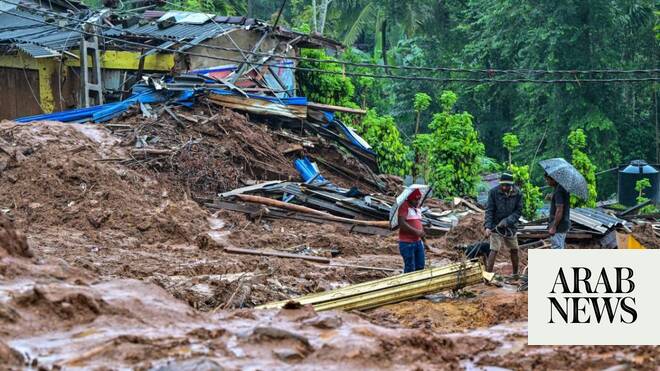
t was C. Nithsara’s first bath in 12 days. Wrapped in a white bodysuit, with large black dots marked on his forehead and cheek — believed to ward off the evil eye — the two-month-old bounced gently on his grandmother’s lap, flashing a wide grin at visitors, blissfully unaware of the storm that had destroyed his village.
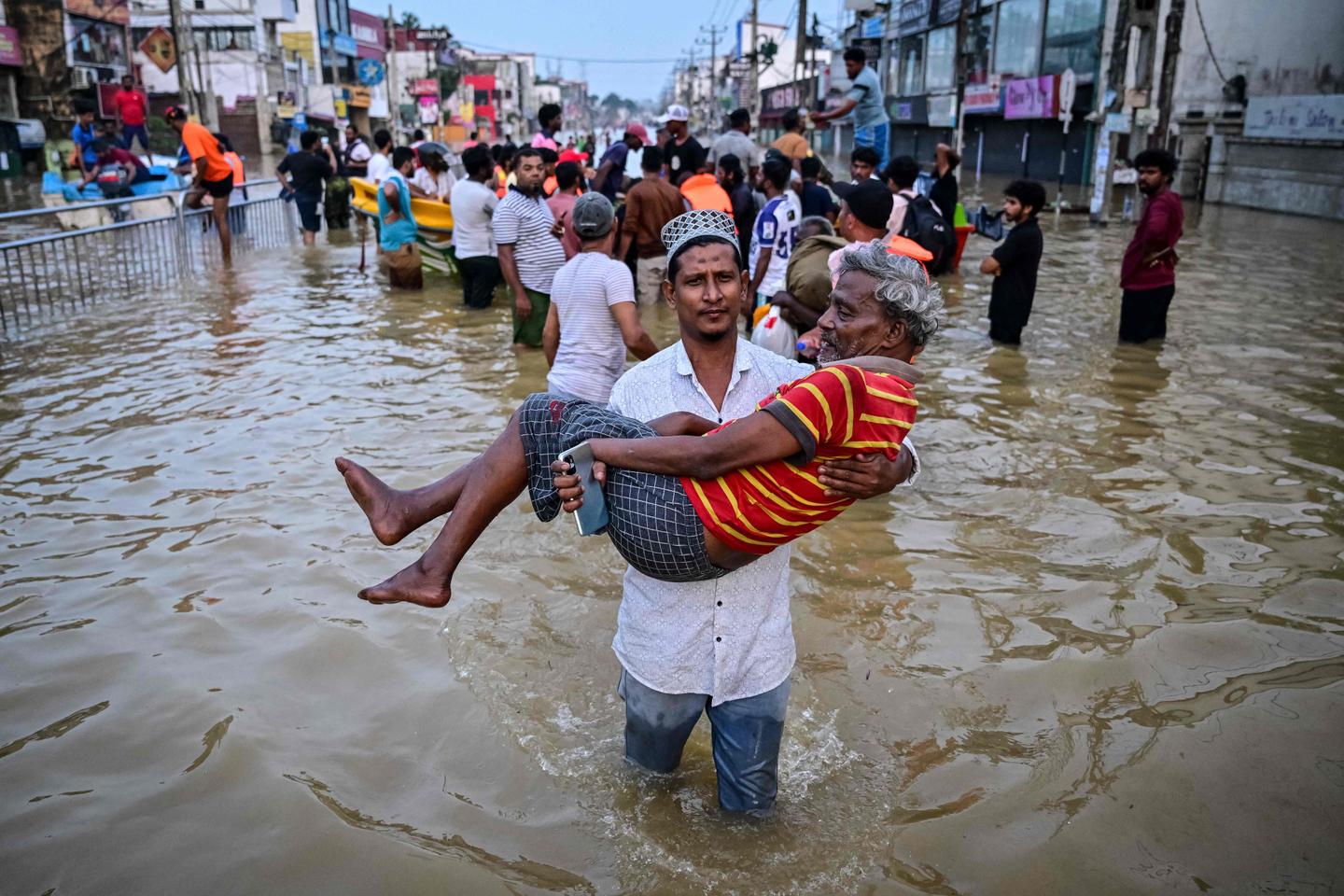
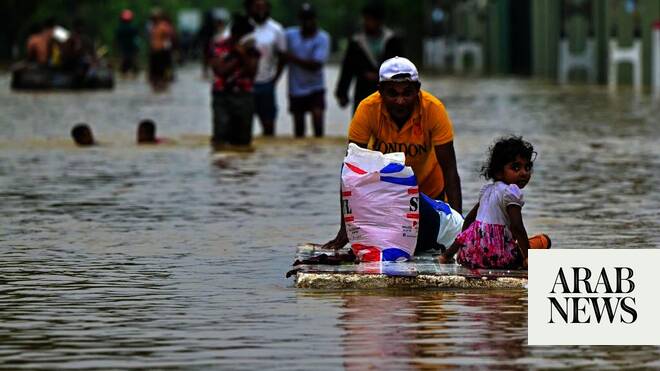
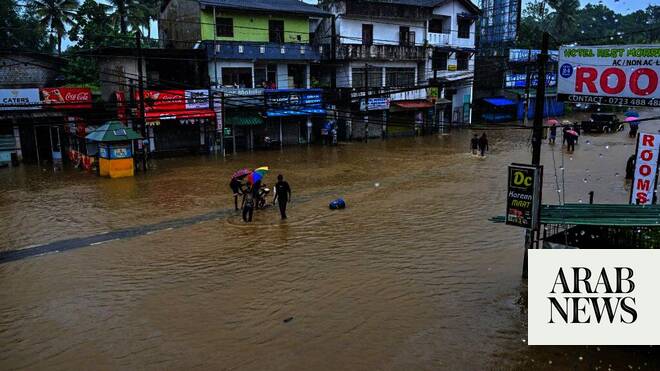
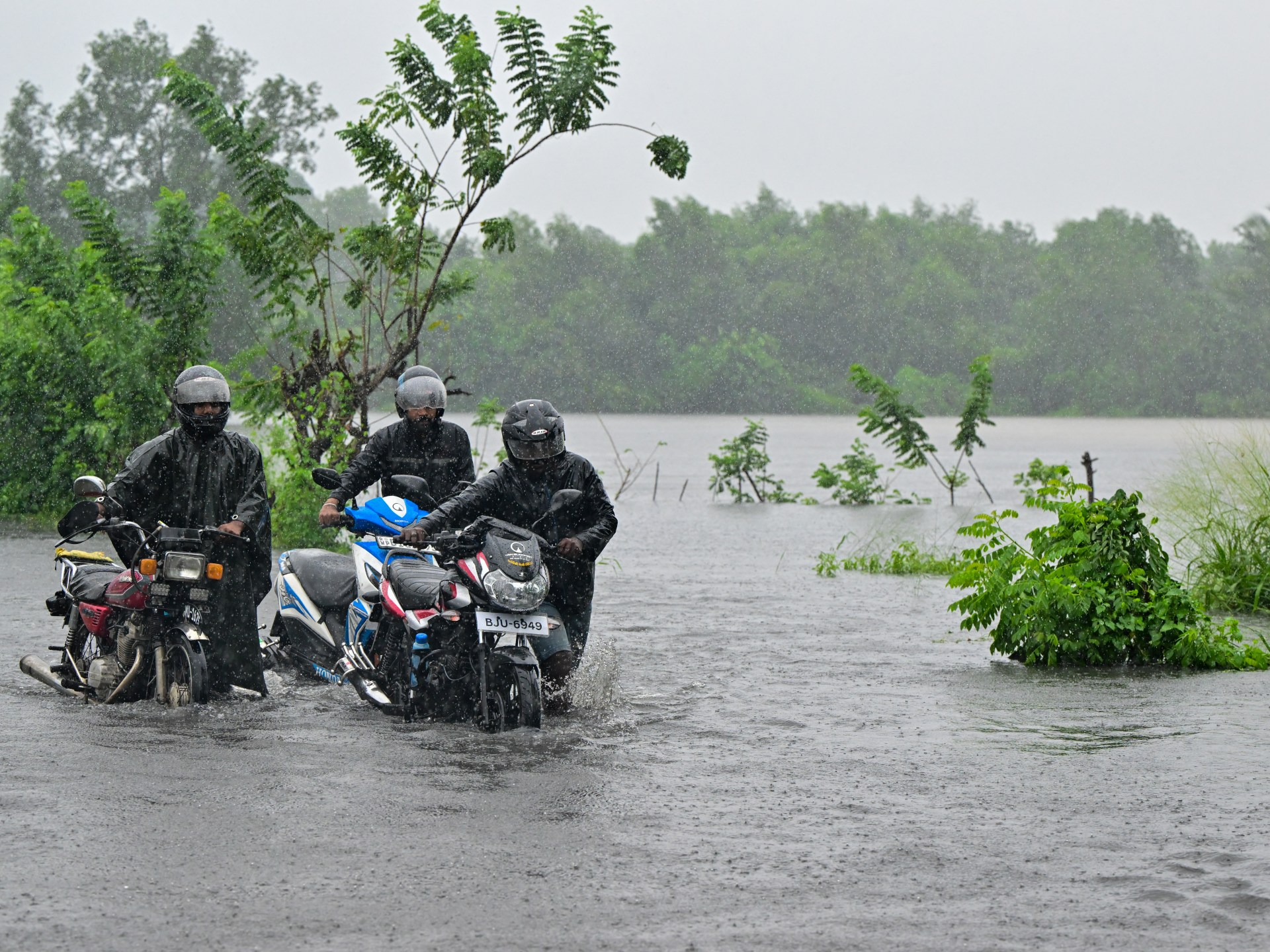
His family, from Rajathalawa in Sri Lanka’s Kandy district in the Central Province, has been sheltering at a Buddhist temple in a neighbouring village for nearly two weeks. They have remained there since Cyclone Ditwah struck the island in late November, bringing torrential rains, floods, and landslides. With water treatment facilities inundated in the floods, piped water for bathing and cooking is unavailable, making wells and, in some cases, rainwater the only alternative.
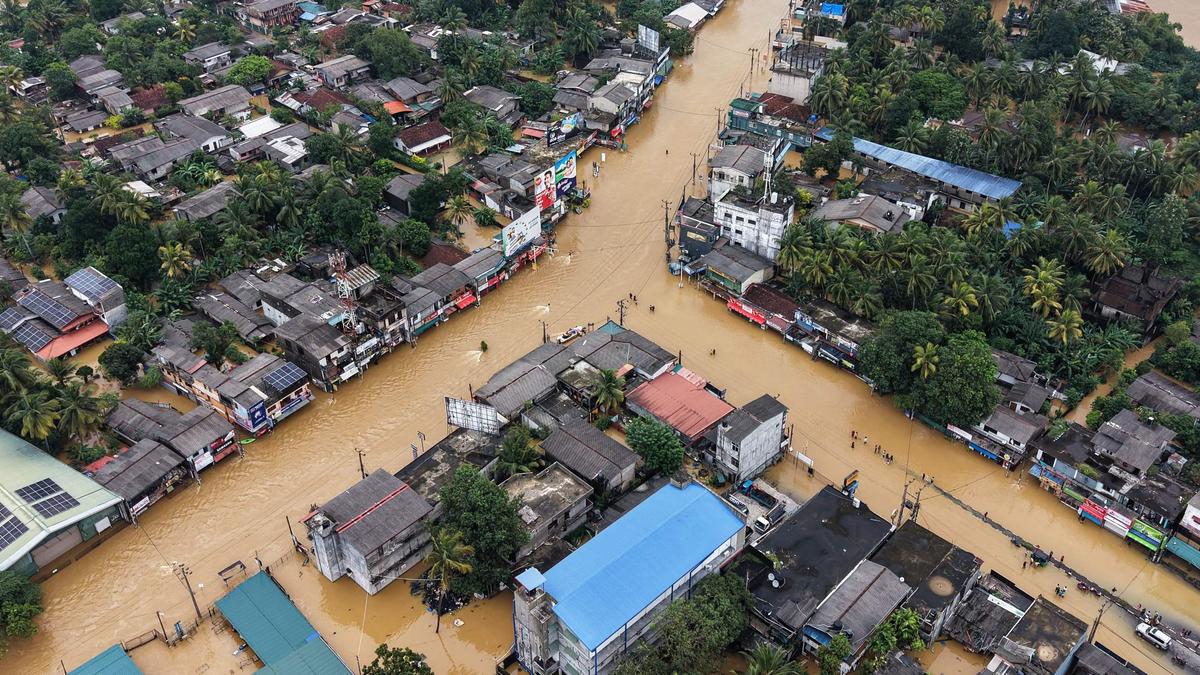
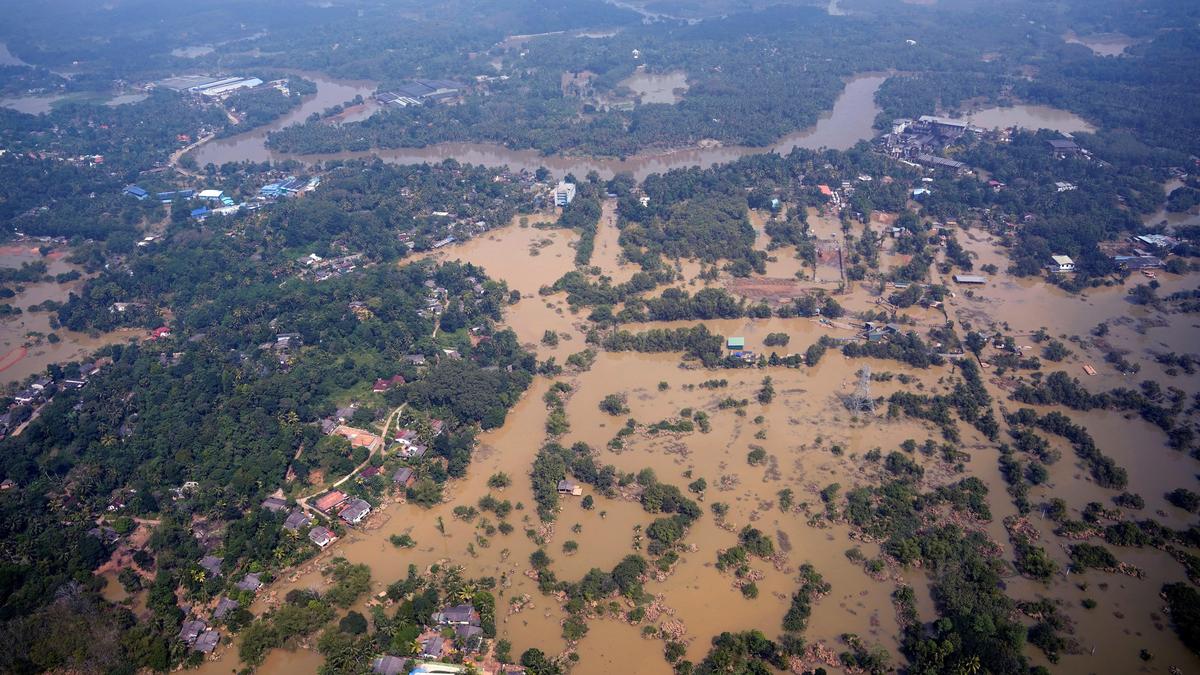
Cyclone Ditwah’s devastation in Colombo, as seen from above
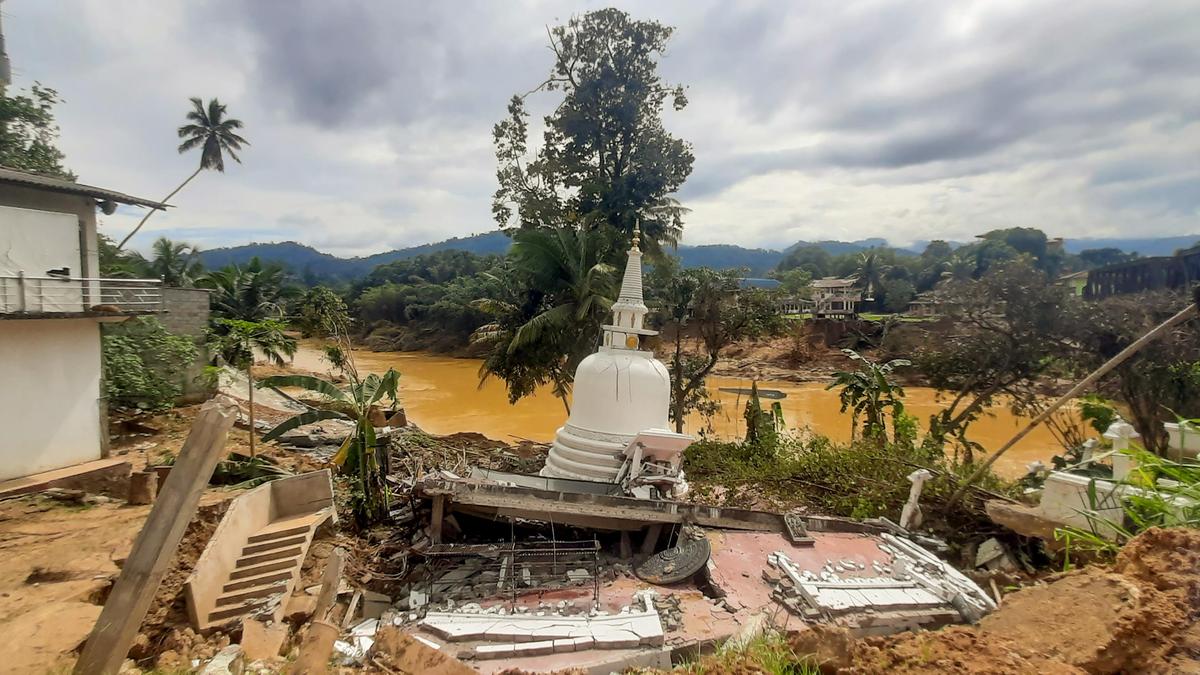
“Our home started sliding into the earth. The floor cracked and the walls came crashing down,” says Nandika Kumari, while engaging her bubbly grandchild. “We are lucky to be alive. Eight of our relatives near our home were killed in the landslide… rescue workers have been able to recover only three bodies so far, so we held a small funeral just outside the temple.”