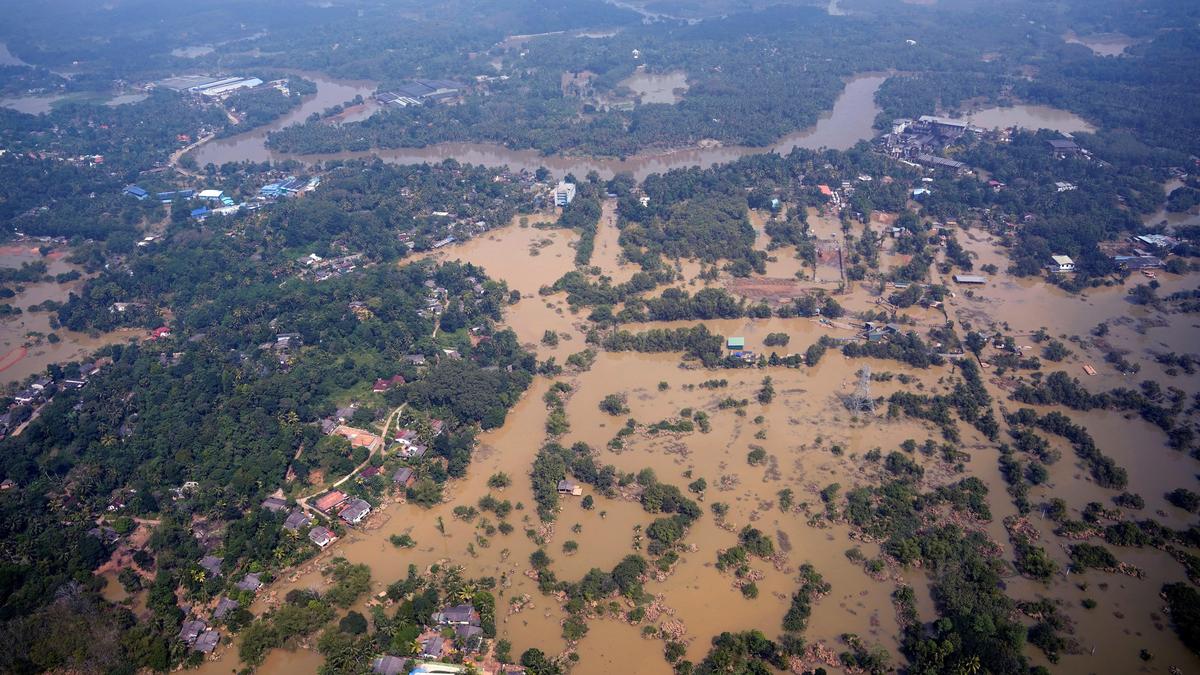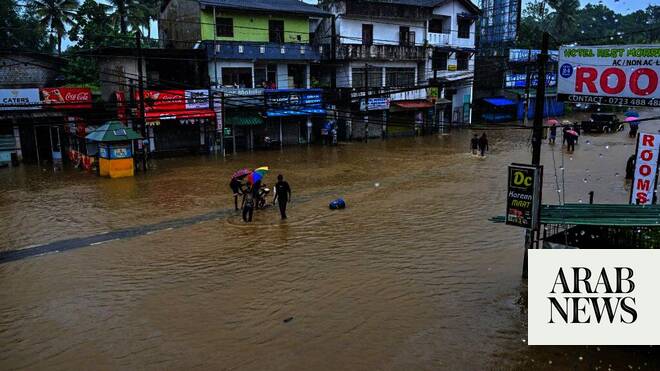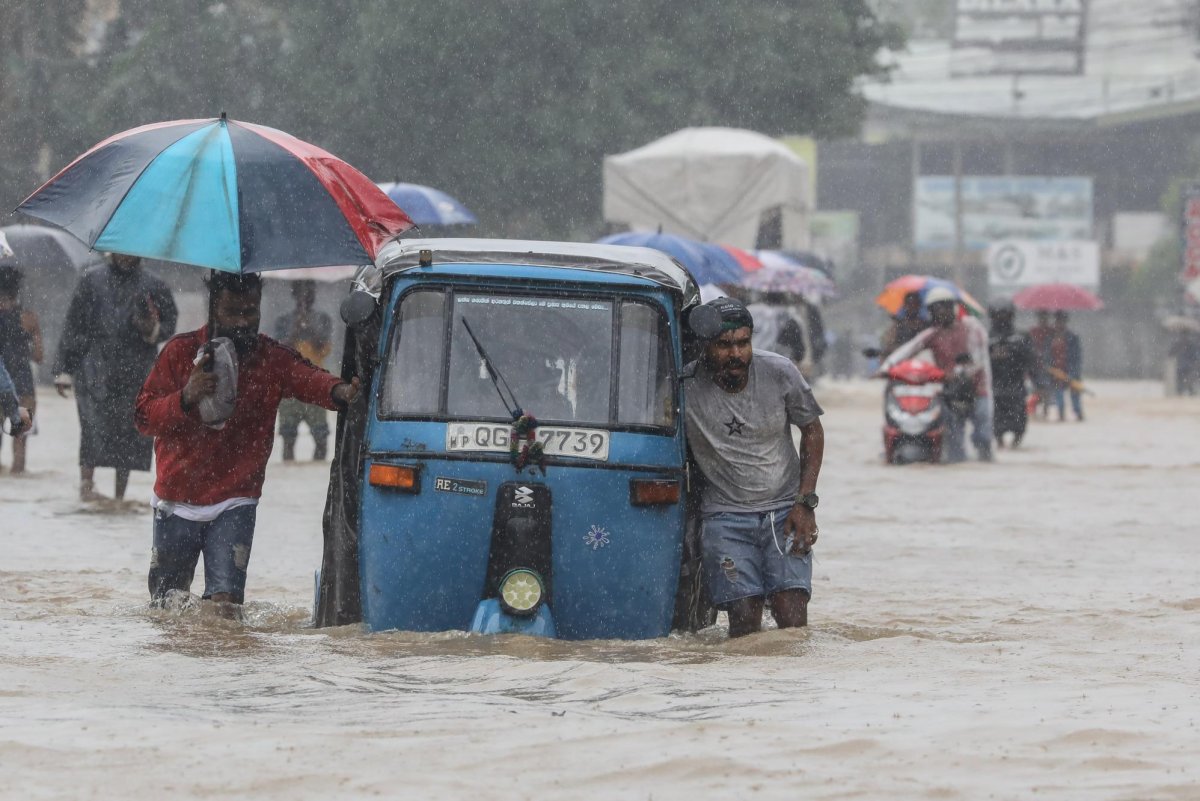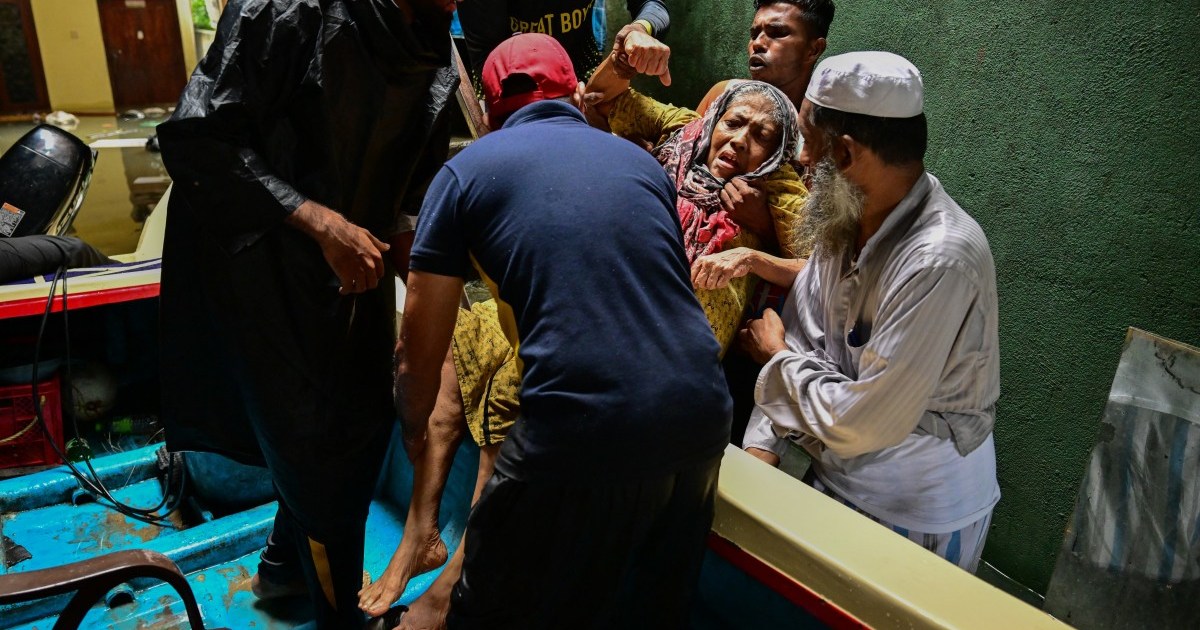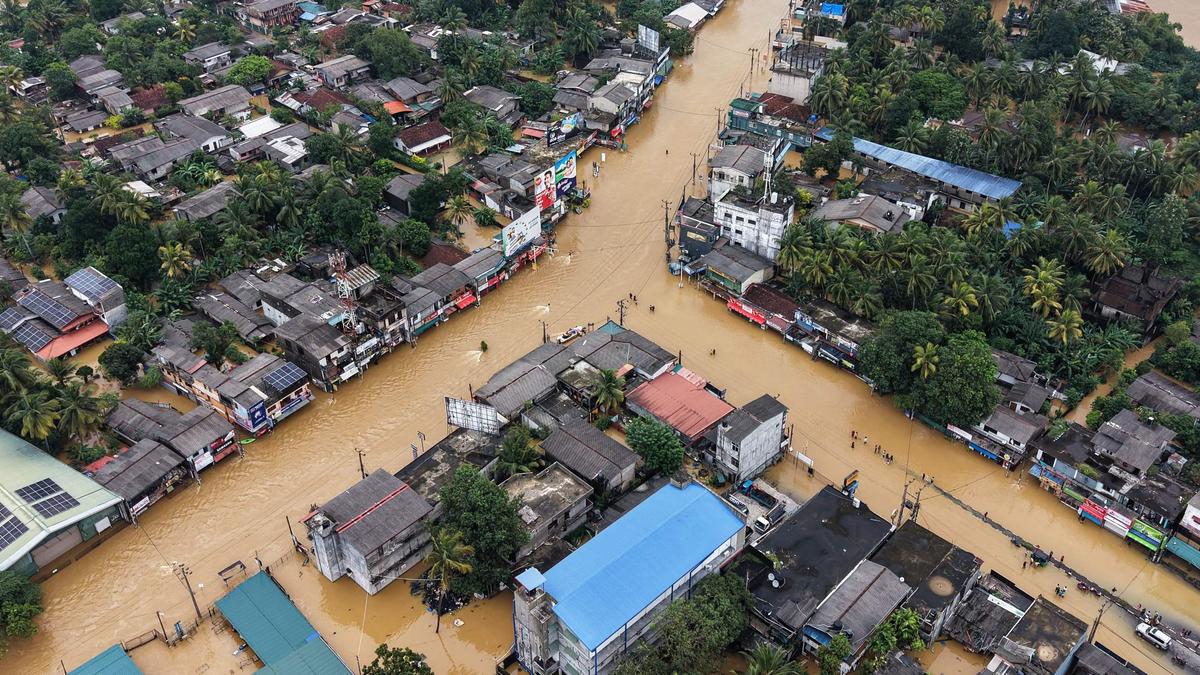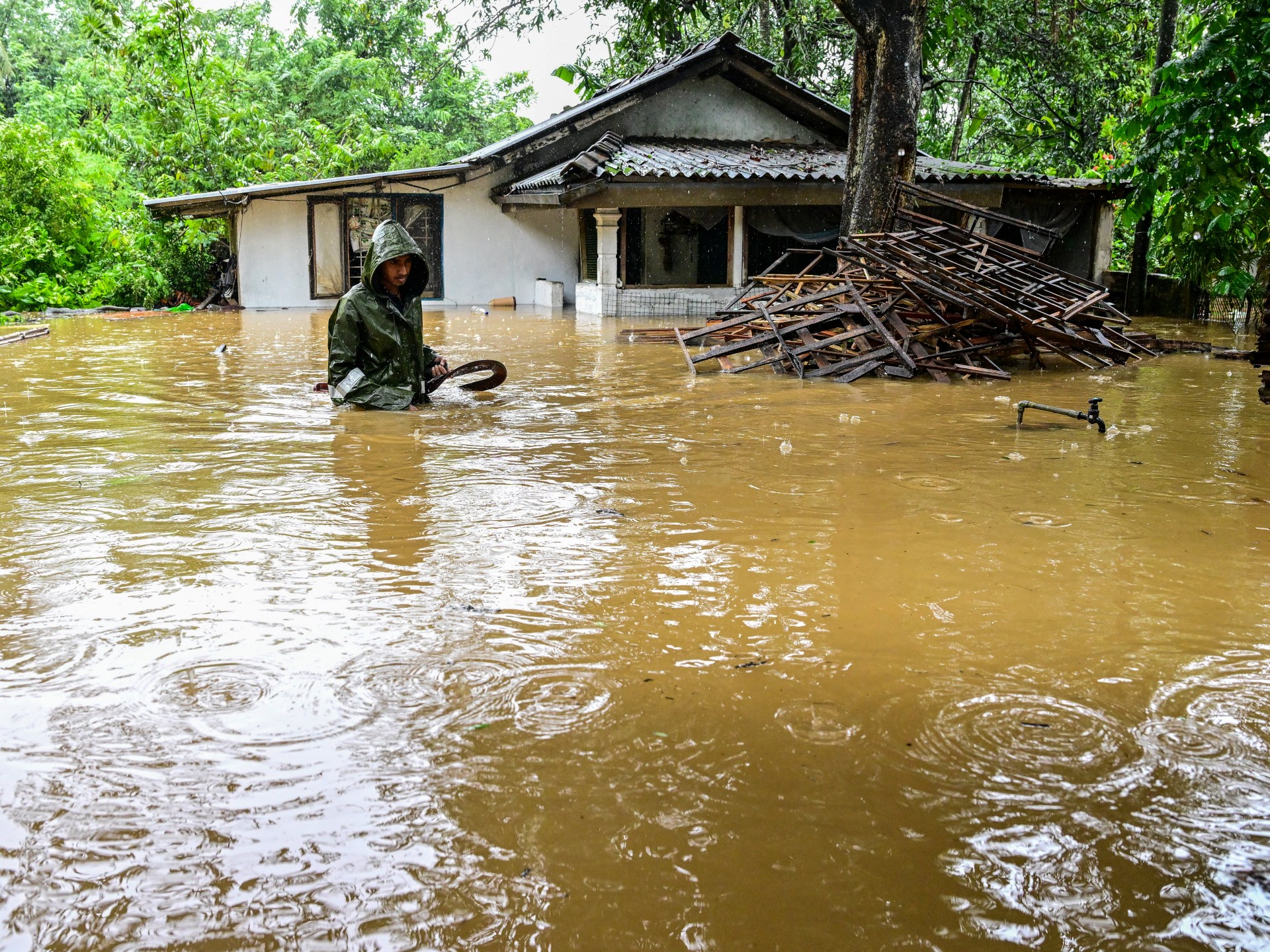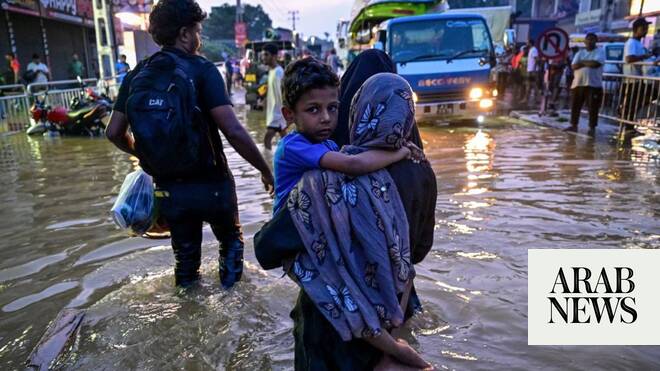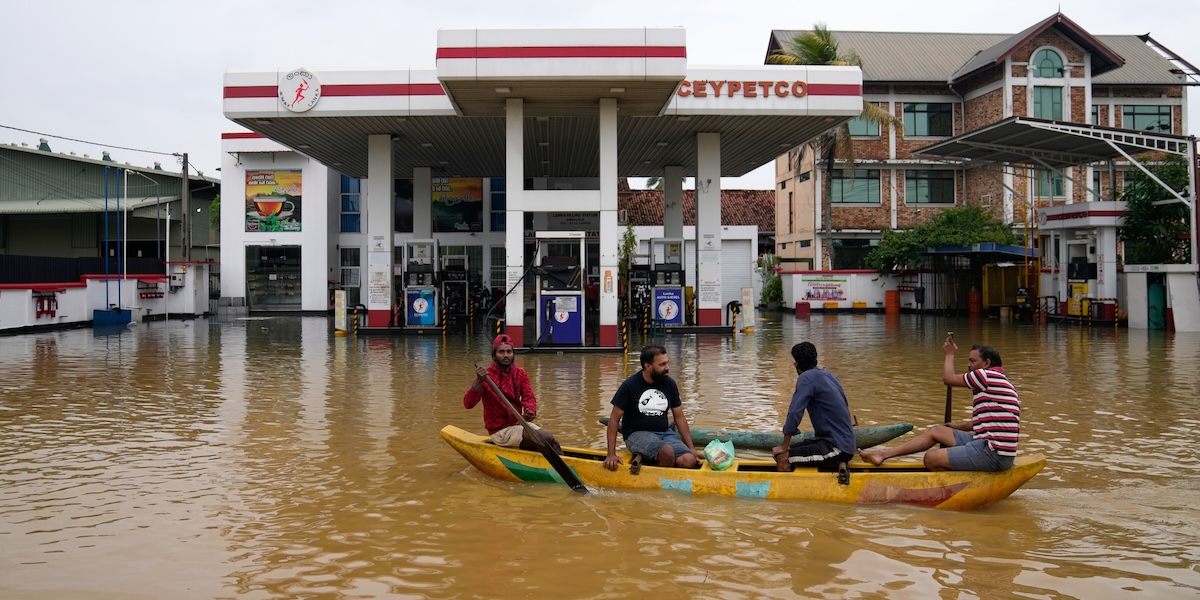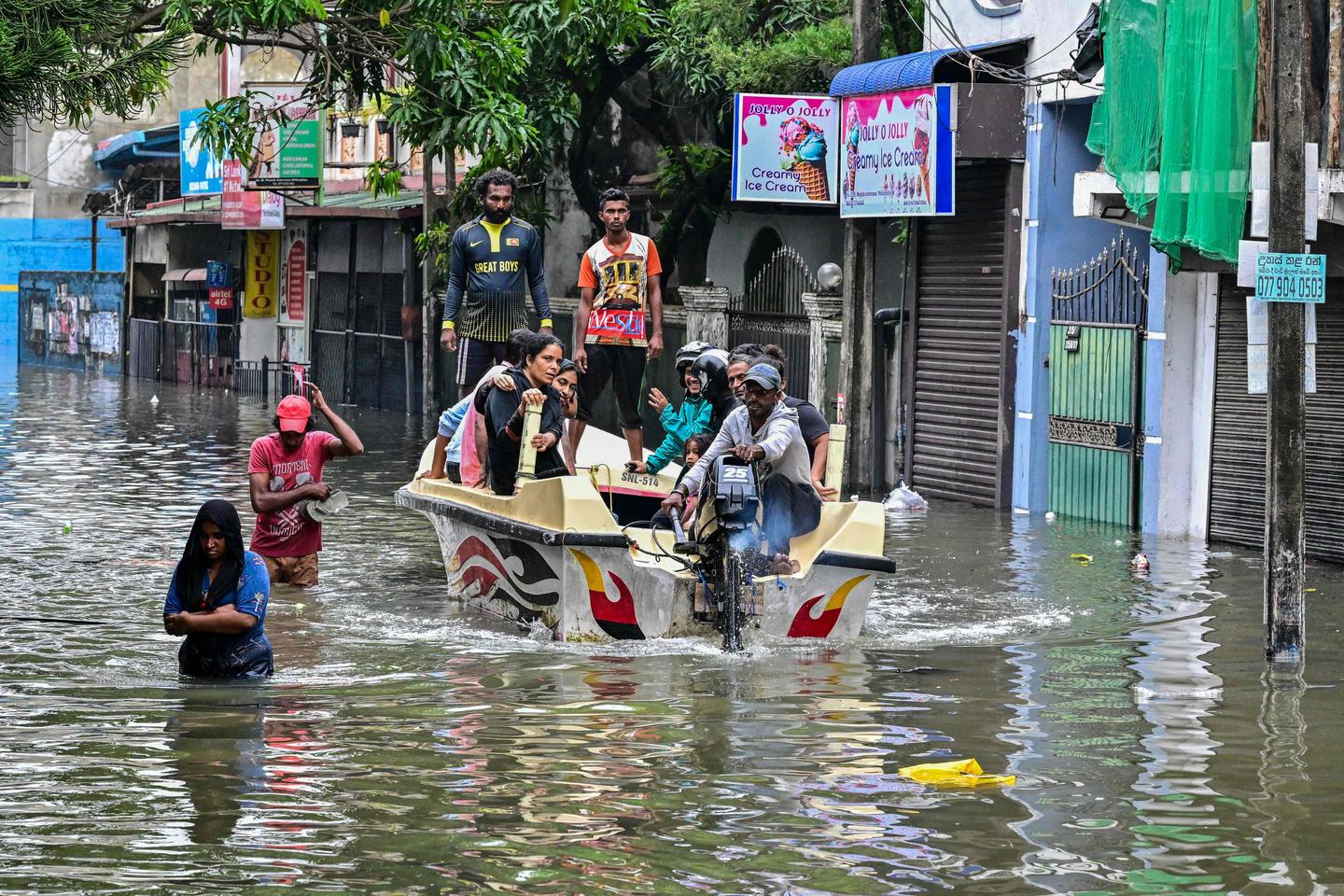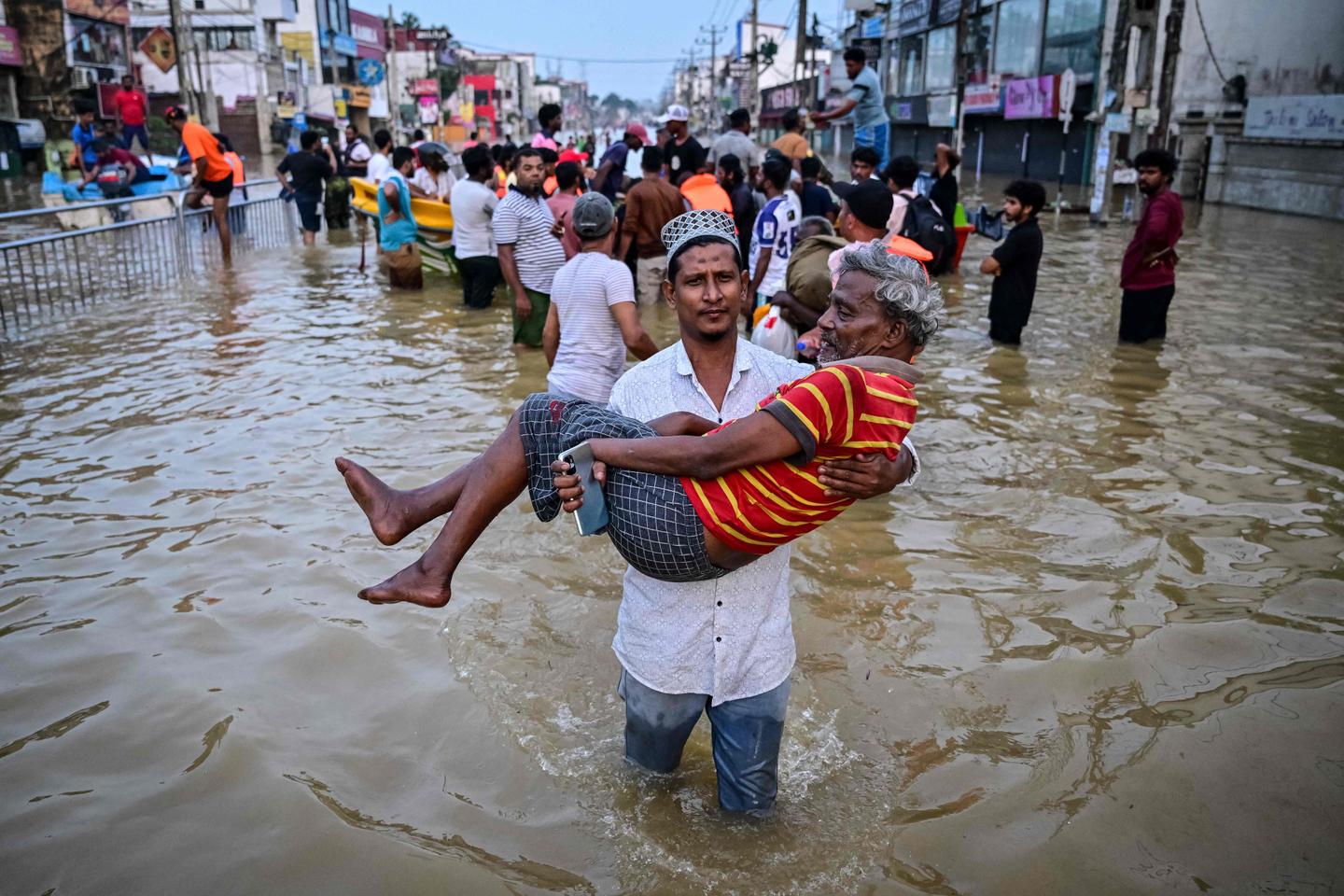
A house partially submerged by flooding following Cyclone Ditwah in Peliyagoda (Sri Lanka), December 1, 2025. THILINA KALUTHOTAGE / REUTERS
Yellow and muddied water covered the rice paddies, fields and villages. The enchanting tea hills have vanished, swept away by mudslides. Sri Lanka, often called the pearl of the Indian Ocean, was devastated by Cyclone Ditwah's torrential rains on Friday, November 28. The ground was already saturated from the monsoon season's precipitation.
Ditwah brought death in its wake. According to the latest figures from the Sri Lankan Disaster Management Agency, as of the morning of Tuesday, December 2, 410 people had died and 336 remained missing. Authorities warned that the death toll could rise significantly, as rescuers have not yet been able to reach many areas cut off by flooding and landslides. The rains that lashed the country since November 20 stopped on Sunday, but were expected to return in the coming days.
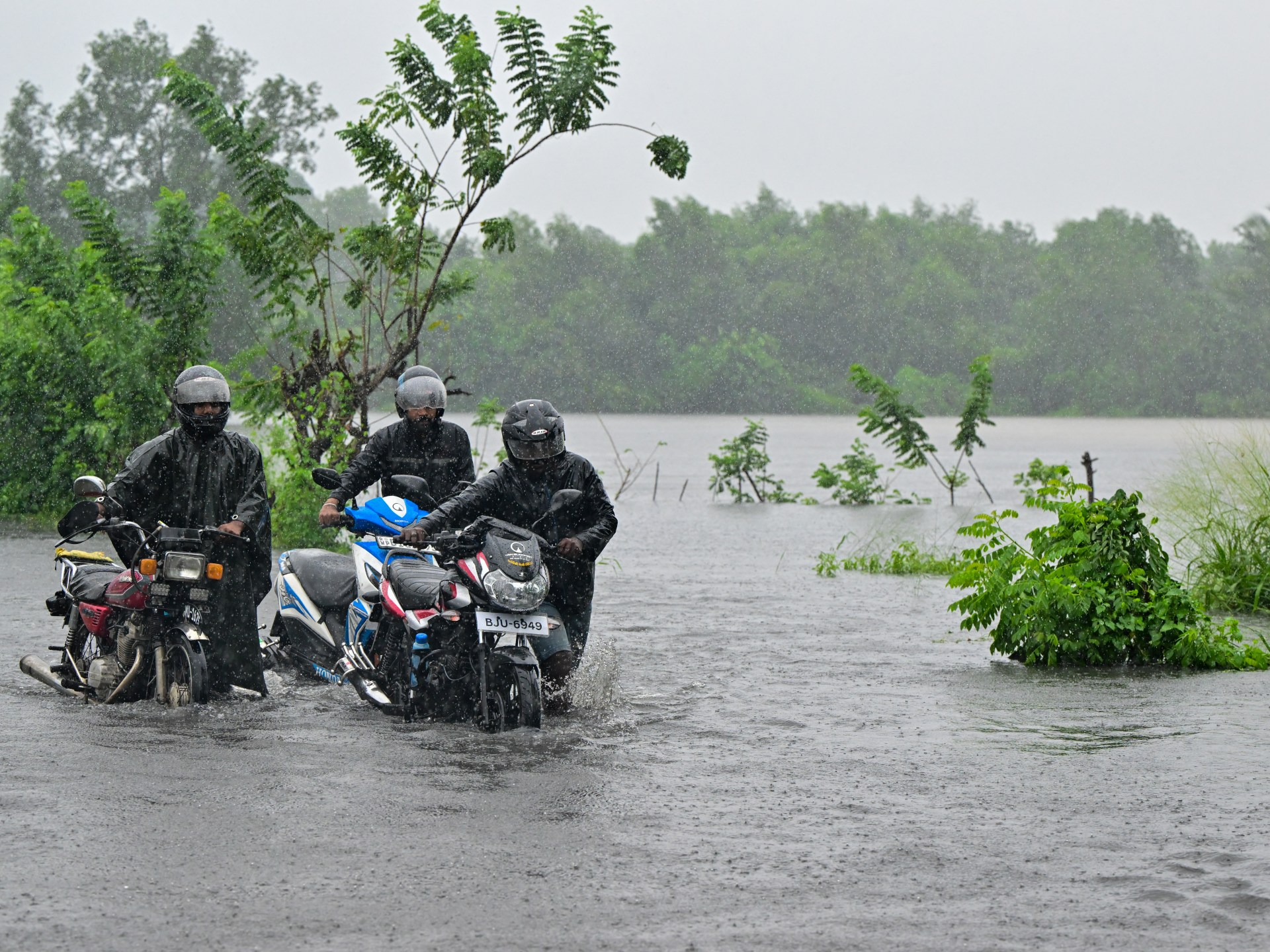
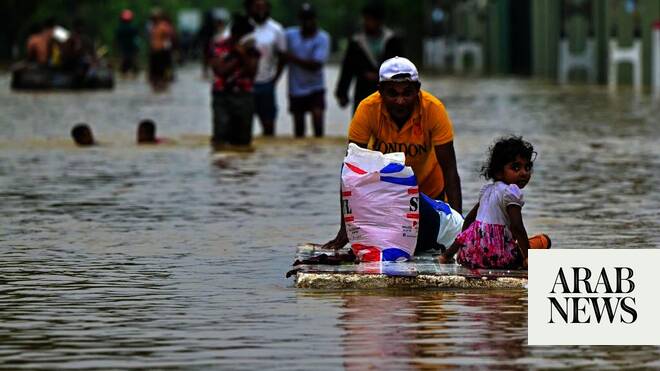
More than 1.5 million people across the island were affected. One third of the population lost access to electricity and running water; 15,000 homes were destroyed; 10 bridges were damaged and more than 200 roads remain impassable.
In an unprecedented event for this island nation of 22 million, accustomed to cyclones, Ditwah affected the entire country – all 25 districts across its nine provinces. The deadliest losses were in the central and Uva provinces' tea-producing mountains, where landslides buried entire villages and devastating floods swept away everything in their path. Kandy district, the hardest hit, had already recorded 88 deaths and 150 people missing.