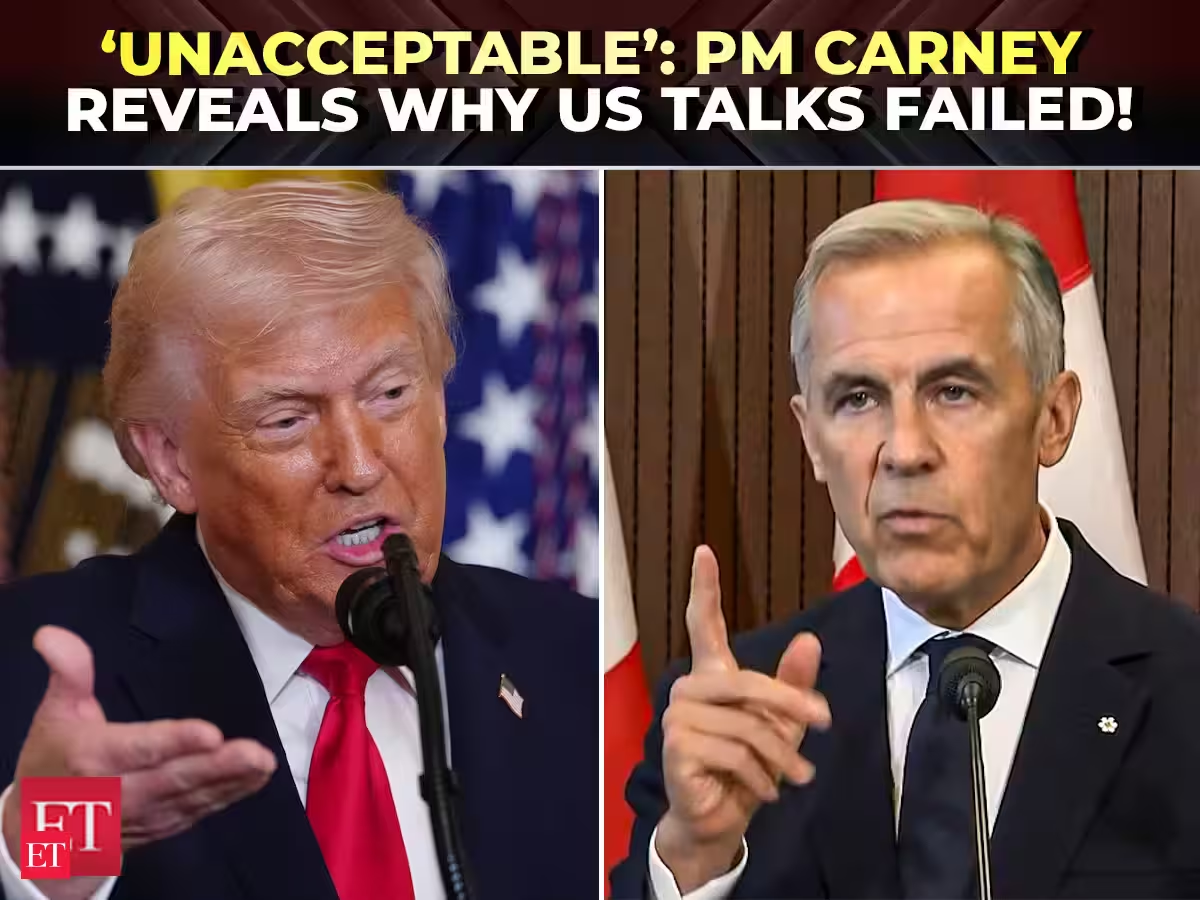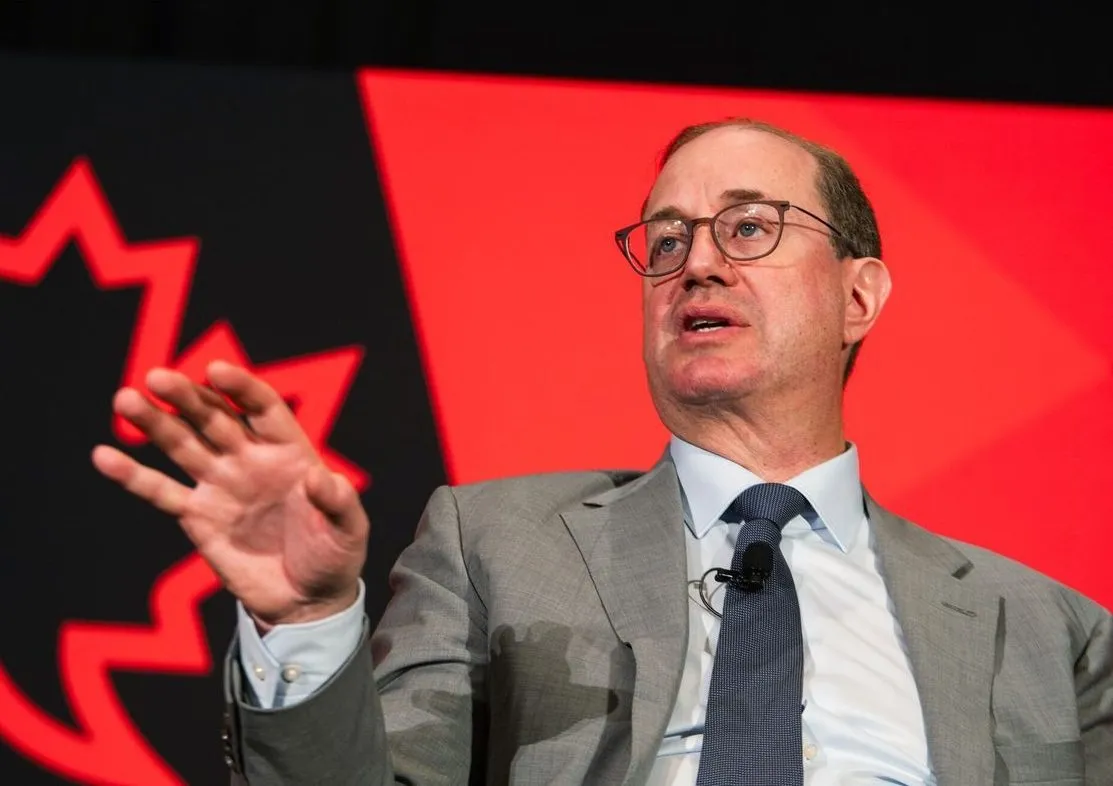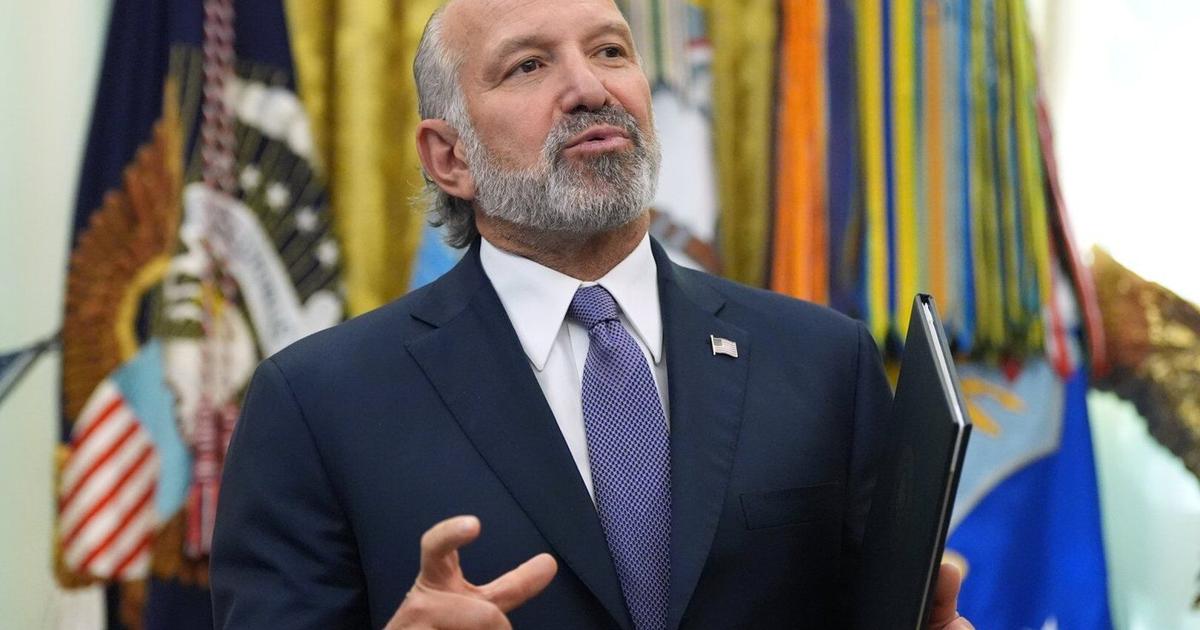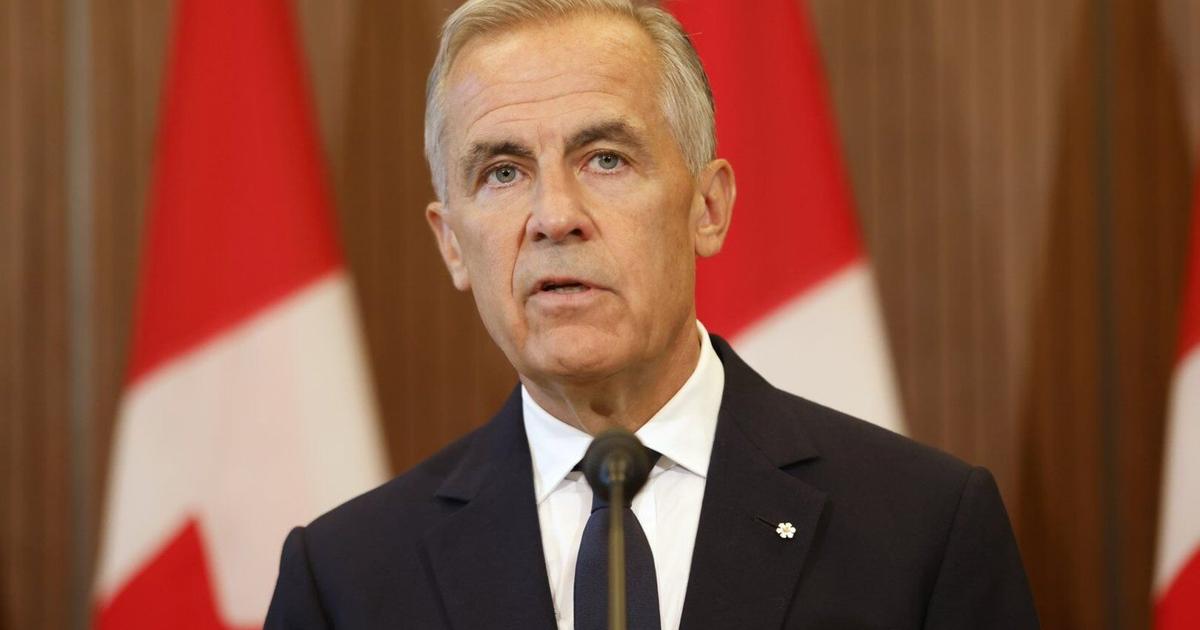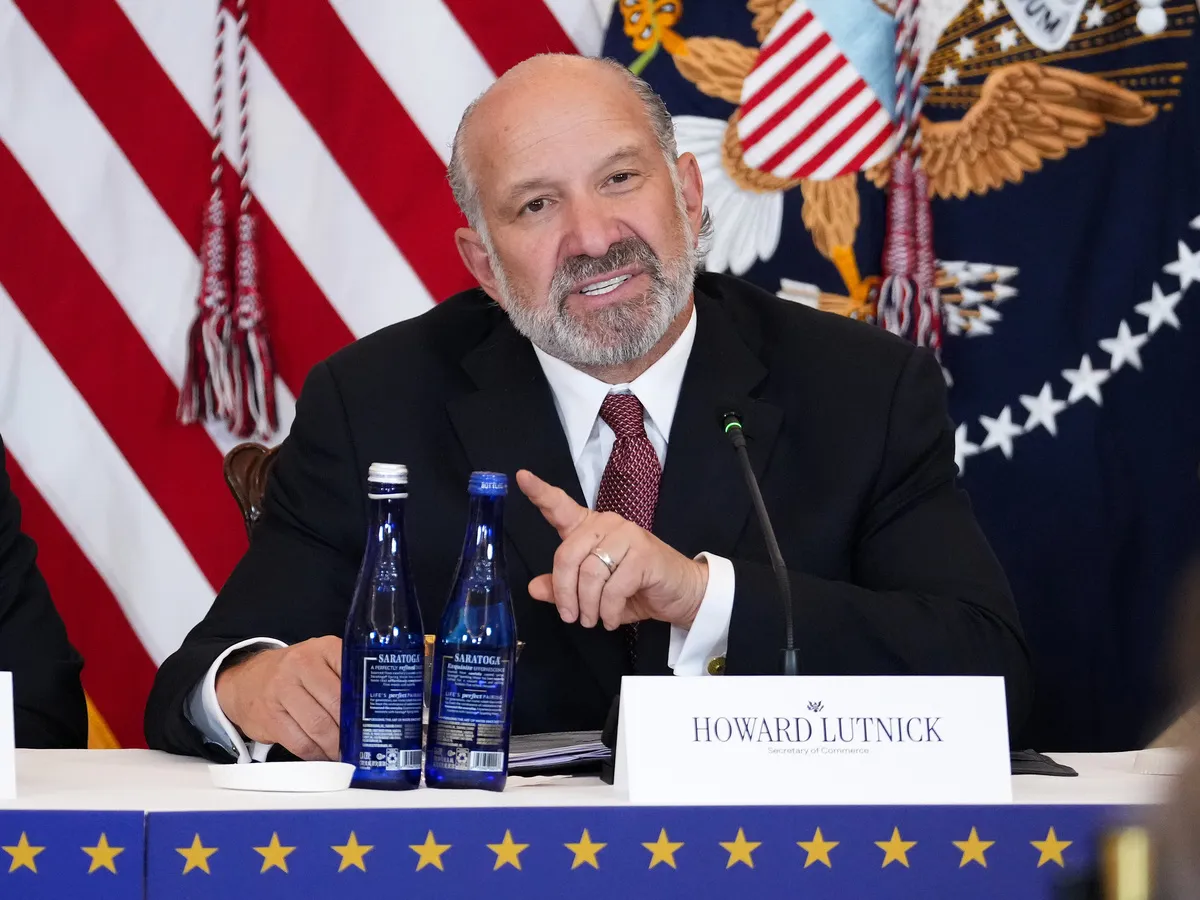
Skip to Content News Archives Economy Energy Oil & Gas Renewables Electric Vehicles Mining Commodities Agriculture Real Estate Mortgages Mortgage Rates Finance Banking Insurance Fintech Cryptocurrency Work Wealth Smart Money Wealth Management Investor Personal Finance Family Finance Retirement Taxes High Net Worth FP Comment Executive Women Puzzmo Newsletters Financial Times Business Essentials More Innovation Information Technology FP500 Podcasts Small Business Lives Told Tails Told Shopping Financial Post Store Obituaries Place a Notice Advertising Advertising With Us Advertising Solutions Postmedia Ad Manager Sponsorship Requests Classifieds Place a Classifieds ad Working Profile Settings My Subscriptions My Offers Newsletters Customer Service FAQ News Economy Energy Mining Real Estate Finance Work Wealth Investor FP Comment Executive Women Puzzmo Newsletters Financial Times Business Essentials HomeNewsEconomyLutnick’s intervention in Canada talks draws praise, blameLutnick viewed a framework deal as too generous to Canada and emerged as a champion for U.S. metal producersAuthor of the article:U.S. Commerce Secretary Howard Lutnick speaks during a roundtable on the American mining industry at the U.S. Department of State on August 07, 2026 in Washington, D.C. Photo by Eric Lee/Getty ImagesU.S.-Canada trade talks collapsed after last-minute pressure from Commerce Secretary Howard Lutnick, according to people familiar with the matter, leaving U.S. President Donald Trump to impose new tariffs and Prime Minister Mark Carney vowing retaliation.Subscribe now to read the latest news in your city and across Canada.Exclusive articles from Barbara Shecter, Joe O'Connor, Gabriel Friedman, and others.Daily content from Financial Times, the world's leading global business publication.Unlimited online access to read articles from Financial Post, National Post and 15 news sites across Canada with one account.National Post ePaper, an electronic replica of the print edition to view on any device, share and comment on.Daily puzzles, including the New York Times Crossword.Subscribe now to read the latest news in your city and across Canada.Exclusive articles from Barbara Shecter, Joe O'Connor, Gabriel Friedman and others.Daily content from Financial Times, the world's leading global business publication.Unlimited online access to read articles from Financial Post, National Post and 15 news sites across Canada with one account.National Post ePaper, an electronic replica of the print edition to view on any device, share and comment on.Daily puzzles, including the New York Times Crossword.Create an account or sign in to continue with your reading experience.Access articles from across Canada with one account.Share your thoughts and join the conversation in the comments.Enjoy additional articles per month.Get email updates from your favourite authors.Create an account or sign in to continue with your reading experience.Access articles from across Canada with one accountShare your thoughts and join the conversation in the commentsEnjoy additional articles per monthGet email updates from your favourite authorsSign In or Create an AccountorWith the countries spiralling into a full-blown trade war, the spotlight is on Lutnick’s role in the last-minute talks. Lutnick viewed a framework deal as too generous to Canada and emerged as a champion for U.S. metal producers who wanted to claw back concessions, the people said, speaking anonymously to discuss the negotiations.The Canadians blame him for moving the goalposts, some of the people said, while some business leaders credit Lutnick with derailing what they saw as a threat to U.S. metals industries Trump has vowed to protect.SUBSCRIBER EXCLUSIVE: FP West: Energy Insider brings you behind the oilpatch’s closed doors with exclusive insights from insiders every Wednesday morning.By signing up you consent to receive the above newsletter from Postmedia Network Inc.A welcome email is on its way. If you don't see it, please check your junk folder.The next issue of FP West: Energy Insider will soon be in your inbox.We encountered an issue signing you up. Please try againTrump last Tuesday announced a deal was in sight and delayed imposing 50 per cent tariffs on a range of Canadian goods. Battle lines, however, had formed as Lutnick and Peter Navarro, a pro-tariff trade hawk, criticized the framework from U.S. Trade Representative Jamieson Greer’s weeks of talks with Canada.Lutnick’s 11th-hour intervention, taking him deeper into the talks, marked the latest example of how he’s functioned as a disruptive force inside Trump’s administration, often seizing on trade files where he senses the U.S. can squeeze more leverage.A White House official disputed any notion Lutnick derailed the talks, insisting instead that they imploded after Canada made last-minute demands outside the agreed scope of discussions. The official added that while there was likely debate among U.S. officials about the magnitude of tariff relief, Lutnick and Greer are aligned and working under Trump.While Lutnick was unhelpful and a major contributor to the breakdown of talks, his arrival wasn’t the cause, according to a Canadian official. The official said there were fundamental problems with the U.S. objectives over the final days.USTR and the Commerce Department didn’t respond to requests for comment on the negotiations. The Canadian prime minister’s office also didn’t respond.Lutnick’s shifting public comments on auto and steel levies last year fueled market volatility. Deals he helped strike with Japan and South Korea — which saw the countries pledge hundreds of billions in investments in exchange for tariff relief — were initially met with caution and have continued to face questions, though some major projects have been announced.With Canada in particular, Lutnick has sometimes played the role of spoiler, including helping delay the planned opening of the Gordie Howe International Bridge, actions viewed in Canada as an attempted shakedown.U.S. officials have blamed Canadian counterparts for the impasse. “The USTR did a fine job negotiating. Canada was very foolish not to take the deal,” Navarro said. “It won’t get better. Carney chose politics over the Canadian people.”After a conversation between Trump and Carney last Tuesday, the U.S. president touted the prospect of resurrecting the Keystone XL oil pipeline and blessed the framework publicly, extending talks by three days to tie things up. However, tensions continued to mount.The U.S. steel and aluminum sectors, typically staunch Trump allies, were outraged, saying they were caught off guard by a proposal that would weaken the tariff wall around their businesses and profit margins, the people said.The industries pressured Greer’s office. Some turned to Lutnick and allies in Congress for help. People familiar with the matter described a torrent of calls and frenzied meetings as they sought to warn the administration against the move.Domestic aluminum extruders, which shape raw aluminum into value-added goods, told administration officials and key lawmakers that widespread discounts on aluminum tariffs could destroy their profit margin. The Coalition for a Prosperous America emphasized that aluminum extruders are critical to support domestic production of the metal itself.Lutnick and Greer cut vastly different figures within the administration. Greer is seen as a restrained, details-focused trade lawyer at heart; Lutnick a more colorful, outspoken figure, like Trump. Both have key roles implementing Trump’s trade policy. While Greer led the talks with Canada, Lutnick’s Commerce portfolio includes the Section 232 tariffs targeting industrial sectors.While some people familiar downplayed the divide, saying the two officials are united under Trump, the dynamic led to something of a dual-track negotiation. Lutnick spoke directly with Carney repeatedly in the final days of negotiations even though Greer had been the Canadian delegation’s point person.Canadian Ambassador to the U.S. Mark Wiseman declined to discuss Lutnick’s impact on negotiations. “You’d have to ask the Americans how they were operating behind the scenes,” he said in an interview Sunday. “Our counterparty in our discussions was USTR.”Meanwhile, Carney faced his own divisions with the provincial premiers he would need to lift bans on US alcohol sales to seal any deal. One premier in particular, Manitoba’s Wab Kinew, had publicly criticized the tentative agreement.Greer acknowledged Monday on CNBC that Canada sought guarantees he couldn’t unilaterally give, but called reports of a divide between him and Lutnick “a red herring.” Still, he admitted “it could be frustrating for Canadians that we have tariff authorities in two different agencies, but that’s how Congress set it up.”As the haggling continued, the terms shifted. By Friday morning, the prospect of largely straight tariff reductions on aluminum and steel had been replaced by a push for more limited, nuanced relief. The industry pressure campaign had persuaded some officials to dial back a planned concession to Canada that would have lowered the tariff to 25 per cent from 50 per cent on a quota of Canadian metal imports, alongside reductions for some derivative products.As talks continued, the U.S. told some stakeholders it would appreciate them speaking publicly about the benefits of a deal, one of the people said. Both the U.S. and Canada were signaling as of Friday afternoon that officials believed they were on track to finalize everything, some of the people said. As of Friday night, the Canadians thought they had a deal.Lutnick focused on preserving the scope of the auto-sector concession. While Canada thought the countries agreed to lower vehicle tariffs to 15 per cent from 25 per cent the U.S. said the reduction applied only to light vehicles, not medium- and heavy-duty trucks. The distinction would have imperiled a General Motors Co. plant and a Ford Motor Co. plant in Ontario.It’s unclear whether Lutnick’s goal was to derail the pact or reshape it. One person said it appeared Lutnick and Navarro were betting that Canada would accept the terms and not walk away. But Carney said the U.S. demands were too much.U.S. steel and aluminum companies are privately pleased with the collapse.“The breakdown of these negotiations should put an end to proposals to weaken” Section 232 tariffs, said Jon Toomey, president of the Coalition for a Prosperous America.Other groups, including Business Roundtable and Autos Drive America, representing foreign companies that do business in the US, called for a return to talks. There’s little sign of an immediate revival of negotiations.Carney, speaking Saturday, sidestepped a question on whether Lutnick killed a deal.“It’s a question for the U.S.,” he said. Carney called the Canadian approach “unified,” adding: “You cannot say that about the United States administration.”With assistance from Vipal Monga, Brian Platt and Joe Deaux Join the Conversation This website uses cookies to personalize your content (including ads), and allows us to analyze our traffic. Read more about cookies here. By continuing to use our site, you agree to our Terms of Use and Privacy Policy.
Lutnick’s intervention in Canada talks draws praise, blame
U.S.-Canada trade talks collapsed after last-minute pressure from Commerce Secretary Howard Lutnick. Read more.
1,694 words~8 min read