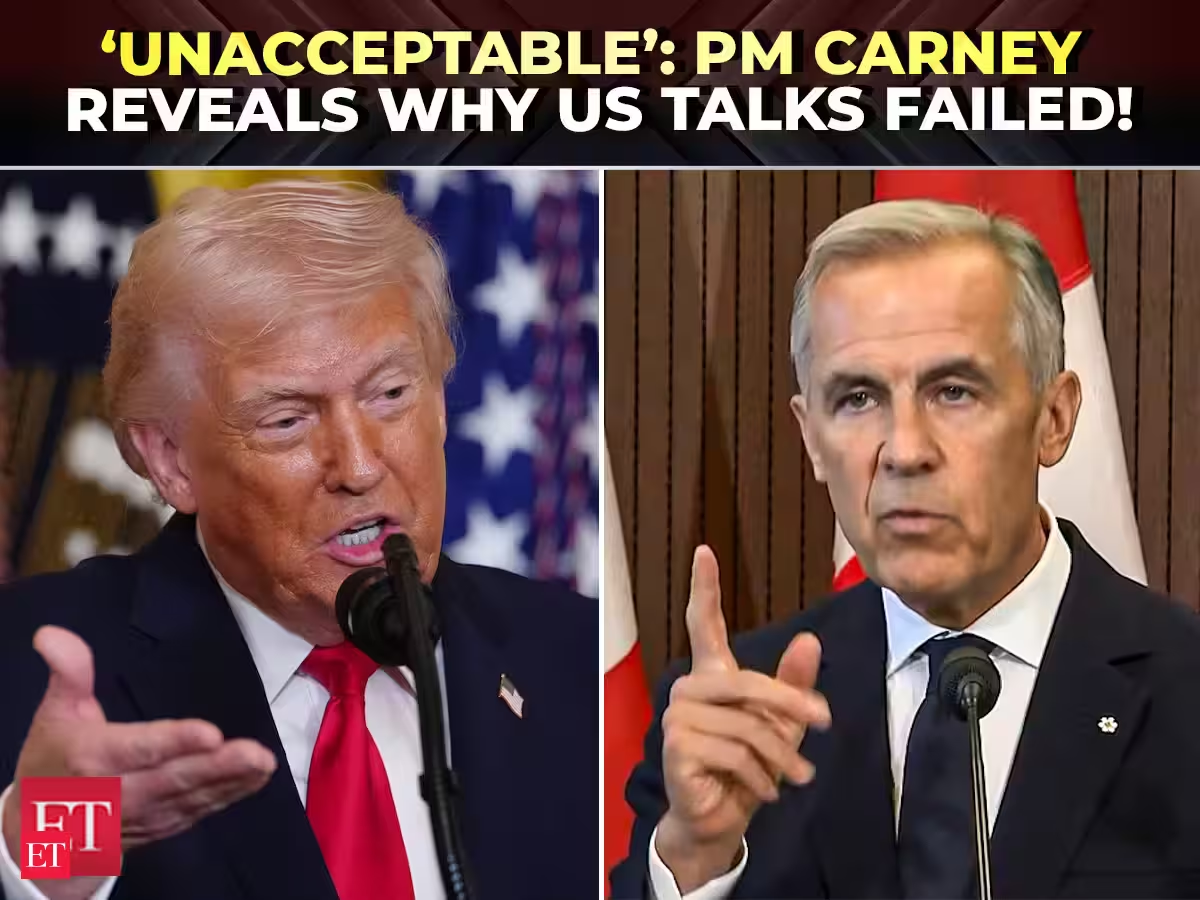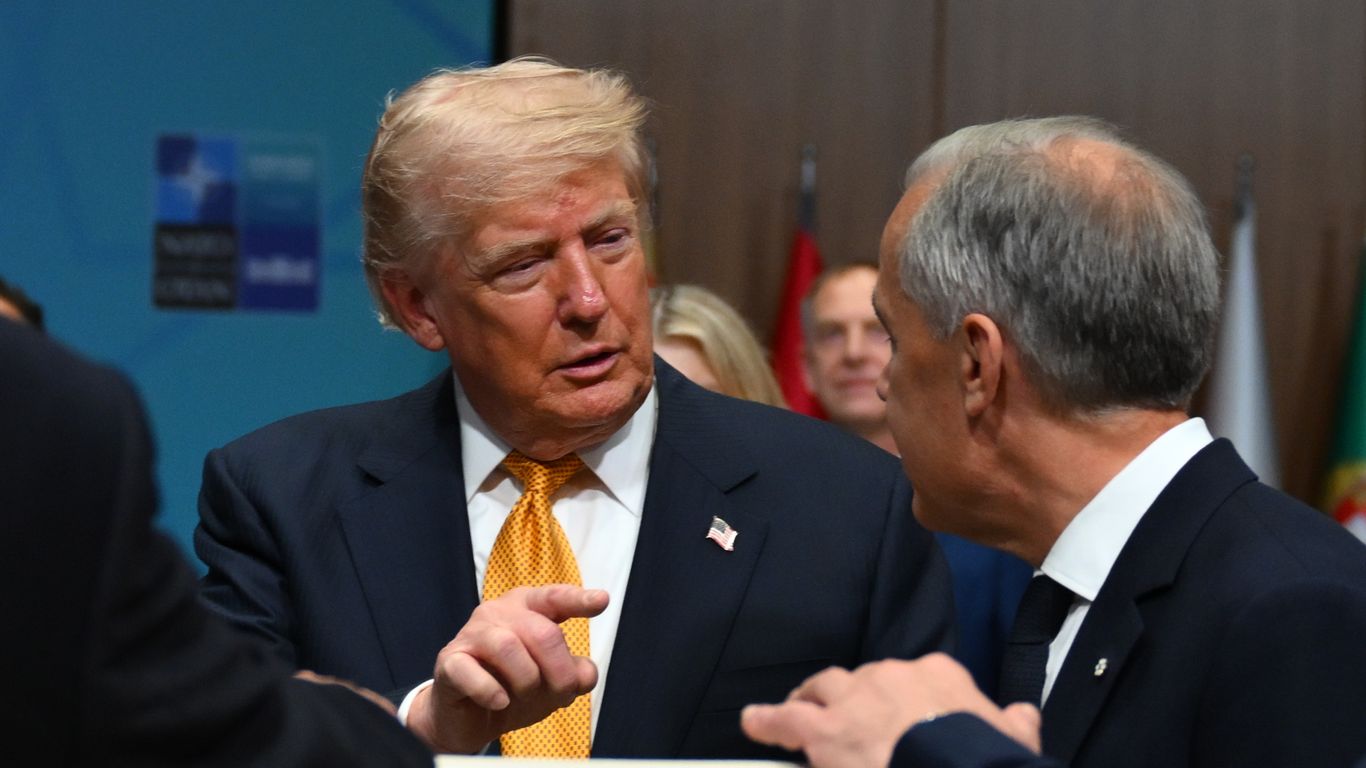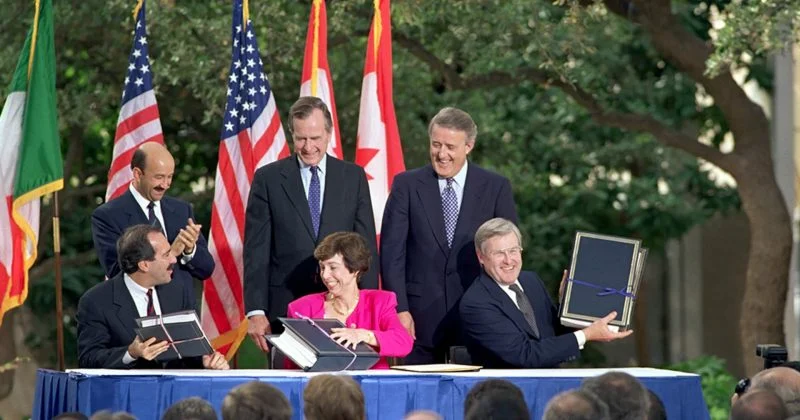
Three days. That’s how long the optimism lasted. On August 18, President Trump announced a trade deal with Canada seemed imminent and paused tariffs to give negotiators room to finalize terms. By August 22, the whole thing had fallen apart, and 50% tariffs on Canadian exports snapped into place.
The culprit, according to multiple reports: Commerce Secretary Howard Lutnick, whose last-minute demands on auto tariffs and metals pricing blindsided Canadian negotiators who thought they were wrapping up, not starting over.
What went wrong
Canadian and US officials had reportedly felt good about an outline of a trade deal struck last Tuesday, ahead of the original Wednesday deadline. The framework appeared to cover the major friction points between the two countries, including automotive trade and metals pricing.
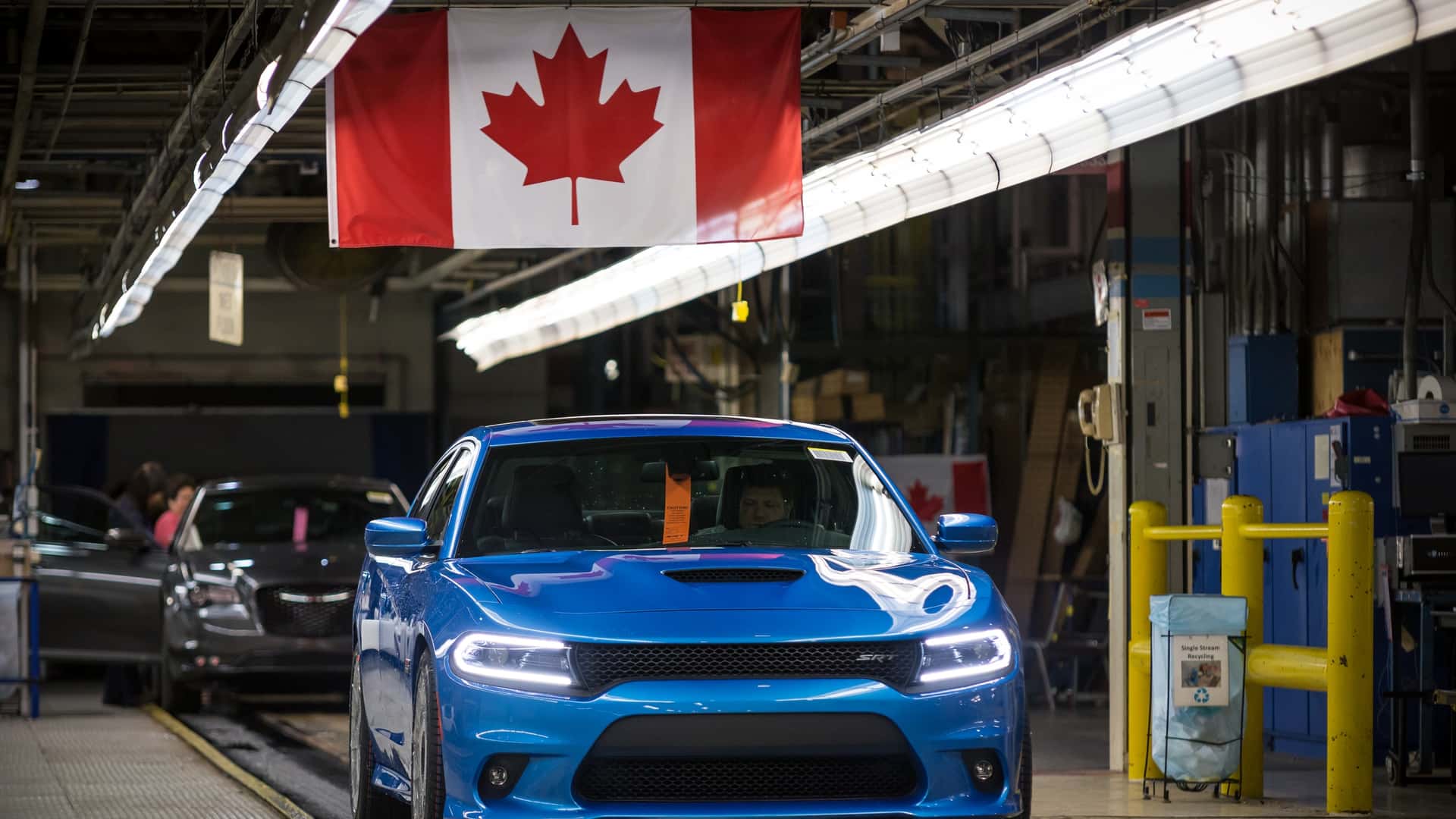
Then Lutnick changed the terms. His revised position sought to limit auto tariff relief primarily to light vehicles, carving out medium- and heavy-duty trucks manufactured in Canada from any concessions.