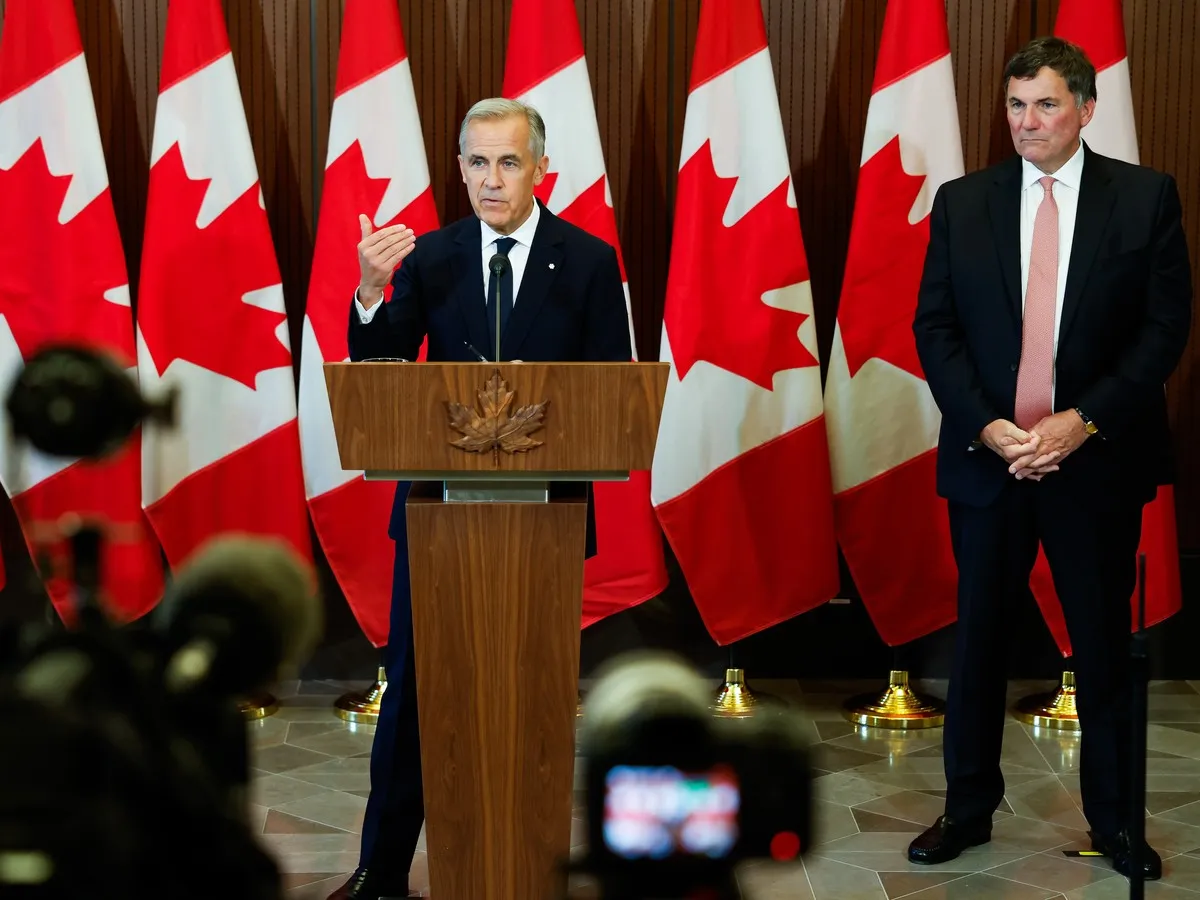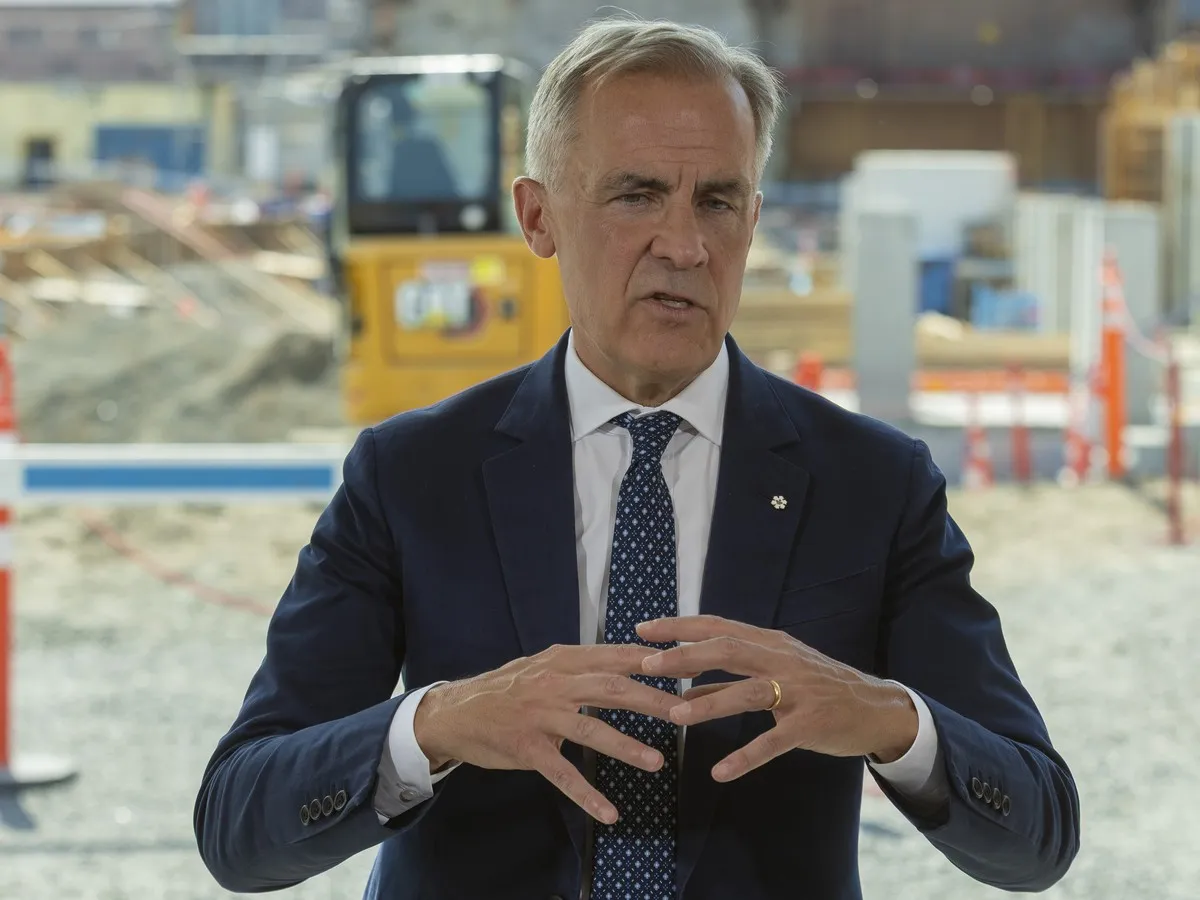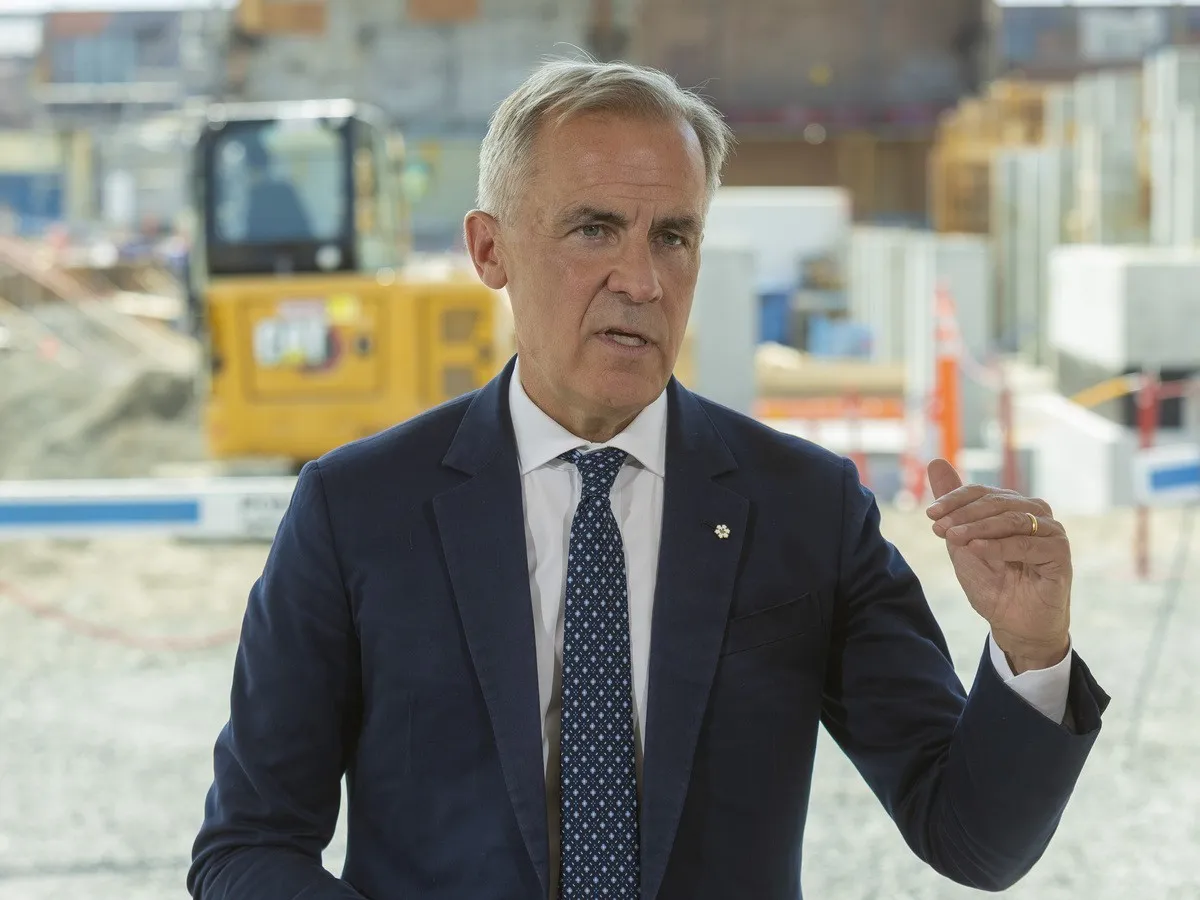
Skip to Content Subscribe My Account Manage My Subscriptions FAQ Newsletters Canada Canadian True Crime Canadian Politics Health World Israel & Middle East Financial Post NP Comment Longreads Puzzmo Diversions Comics NP News Quiz New York Times Crossword Horoscopes Life Eating & Drinking Style Sponsored Play for Ontario Travel Travel Canada Travel USA Travel International Cruises Travel Essentials Culture Books Celebrity Movies Music Theatre Television Business Essentials Advice Lives Told Tails Told Shopping Buy Canadian Home Living Outdoor Living Kitchen & Dining Tech Style & Beauty Personal Care Entertainment & Hobbies Gift Guide Travel Guide Amazon Prime Day Deals Savings National Post Store More Sports Hockey Baseball Basketball Football Soccer Golf Tennis Driving Vehicle Research Reviews News Gear Guide Obituaries Place an Obituary Place an In Memoriam Classifieds Place an Ad Celebrations Working Business Ads Archives Healthing Epaper Manage Print Subscription Profile Settings My Subscriptions My Offers Newsletters Customer Service FAQ Newsletters Canada World Financial Post NP Comment Longreads Puzzmo Diversions Life Shopping Epaper Manage Print Subscription HomeNewsCanadaCanadian PoliticsWhat do we know about the reasons Canada's trade deal with America fell apart?Both sides have blamed the other, as commentators around the world watch anxiouslyPrime Minister Mark Carney speaks to the media during a press conference at the Rio Tinto aluminum smelter in Saguenay, Que., on Aug. 6, 2026. Photo by Francis Vachon /PostmediaThe trade war between Canada and United States is news, and not just within our two countries. Here’s what the world is saying.Enjoy the latest local, national and international news.Exclusive articles by Conrad Black, Barbara Kay and others. Plus, special edition NP Platformed and First Reading newsletters and virtual events.Unlimited online access to National Post.National Post ePaper, an electronic replica of the print edition to view on any device, share and comment on.Daily puzzles including the New York Times Crossword.Support local journalism.Enjoy the latest local, national and international news.Exclusive articles by Conrad Black, Barbara Kay and others. Plus, special edition NP Platformed and First Reading newsletters and virtual events.Unlimited online access to National Post.National Post ePaper, an electronic replica of the print edition to view on any device, share and comment on.Daily puzzles including the New York Times Crossword.Support local journalism.Create an account or sign in to continue with your reading experience.Access articles from across Canada with one account.Share your thoughts and join the conversation in the comments.Enjoy additional articles per month.Get email updates from your favourite authors.Create an account or sign in to continue with your reading experience.Access articles from across Canada with one accountShare your thoughts and join the conversation in the commentsEnjoy additional articles per monthGet email updates from your favourite authorsSign In or Create an AccountorAccording to analysis by Bloomberg, the U.S.-Canada trade talks collapsed over a range of issues where the text of a potential deal was at odds with what Canada believed it had agreed to.Quoting Mark Wiseman, Canada’s ambassador to the U.S., the news agency said it wasn’t a single issue that led talks to collapse late Friday, but a variety of things.Wiseman used the metaphor of a handshake deal to buy a house — only for the would-be buyer to learn that appliances weren’t included, the furnace had no warranty, and neither the garage nor the yard were on the same property.“As we drilled down, what we discovered was that what our understanding of what had been agreed to was quite different from what was showing up in the documents,” he told Bloomberg.“When that kind of happens once or twice, it’s kind of understandable, but when it happens consistently, and every interpretation is the most negative interpretation,” then it “got to a point” where they walked away.U.S. Trade Representative Jamieson Greer blamed Canada for walking away. He told the New York Times that the deal would have offered Canada tariff reductions in steel, aluminum, automobiles and lumber, specifically cutting the “majority” of Canadian steel exports to a 25 per cent tariff up to a quota, with anything above that remaining at 50 per cent.He added the U.S. would have lowered the aluminum tariff to 25 per cent without a quota and would have cut the tariff on passenger vehicles, suspended more recent tariffs on the same, and eliminated a lumber tariff. Wiseman told Bloomberg that was “broadly accurate.”In remark on Monday, Prime Minister Mark Carney alluded to the shifting rationale for tariffs from the U.S. side, “from fentanyl to taxes on U.S. tech giants, to certification of U.S. aircraft, to the sharing of tolls of a bridge that Canada built and paid for, to our dairy policy, to provincial decisions not to sell American alcohol during a trade war, to a television advertisement that quoted Ronald Reagan, to smoke from wildfires, while they threatened our communities.”He referred to the latest U.S. tariffs as being “designed to hurt us and divide us,” adding: “They’re a miscalculation … because Canadians will always take care of each other. We know we’re stronger together.”Asked for specifics that scuttled the deal, Carney offered up three.First, he said, America suddenly wanted to limit tariff relief in the auto industry to cars only, and not medium and heavy trucks, which would have hurt Ford and GM production in Canada. “That precision was a change,” he said.“The U.S. introduced, in the last hours, efforts to restrict our ability to have other trade deals,” he added. “We’re the partner of choice in many respects for countries around the world, and the Americans wanted to restrict that. They had language that they wanted to restrict. Unacceptable.”The third had to do with online discoverability of French-language media “as well as subsidies and support for our culture and the French language, and even the information displayed on Canadian products,” Carney said in French. “It was never acceptable — unacceptable from start to finish. The Americans kept trying, but we said no. It’s simple. Fundamentally, it’s simple. That was never on the table for Canada, for my government, or for Canadians.”Britain’s Guardian newspaper ran its analysis under the headline “The lesson from Canada’s collapsed trade talks with the U.S.: negotiation may be futile,” adding: “Breakdown shows Washington now prioritizes its own interests over any semblance of shared economic ground.”Australia’s Sydney Morning Herald, under the headline “At war,” noted: “The trade war’s new phase comes as Australia faces fresh U.S. tariffs of 12.5 per cent, imposed after the U.S. determined that Australia did not have sufficient measures against imports made using forced labour.”It quoted Edward Alden, a senior fellow at Australia’s Council on Foreign Relations, as saying he admired Canada’s willingness to stand up to the U.S. But he warned it was a mistake to walk away from the negotiations.“Look at the Japan or EU deals,” he said. “They made vast promises to Trump that will never be delivered. He has the attention span of a gnat. Do a deal and let him forget Canada again.”DD India, a state-owned Indian news channel, interviewed former diplomat Mohan Kumar, who suggested that U.S. Secretary of Commerce Howard Lutnick had added last-minute details that were the reason for the collapse. “The Canadians came to the conclusion that if you yield now, there will be more and more demands made.”He added that other countries are watching this situation closely, “because they too will be forced to negotiate with the U.S. sooner or later, so they are looking at the tactics, the strategy employed by Canada … to find out whether they can emulate some of these tactics.”He added: “That is what other countries are searching for.” He also noted: “The Americans also will be aware of the fact that making demands and changing these demands constantly is not going help matters when it comes to signing trade deals.”The U.S. president has said little since the talks collapsed, but he did post on social media early Sunday that Canada “wants the benefits of being a State, without being one.”One of his cabinet officials, Transportation Secretary Sean Duffy, told Fox News that Canada is “foolish” to think it can win a trade war with the U.S. But Mike Pence, Trump’s vice-president in his first term, criticized the U.S. moves.“American businesses and American consumers pay American tariffs,” Mike Pence said on CNN’s State of the Union. “The last thing we need right now, as our economy is getting back on its feet, is a trade war with Canada.”He said his own advice would be: “Drive a hard bargain, but let’s pursue free trade with free nations, most especially our trading partners to the north.”Our website is the place for the latest breaking news, exclusive scoops, longreads and provocative commentary. Please bookmark nationalpost.com and sign up for our newsletters here. Join the Conversation This website uses cookies to personalize your content (including ads), and allows us to analyze our traffic. Read more about cookies here. By continuing to use our site, you agree to our Terms of Use and Privacy Policy.
What do we know about the reasons Canada's trade deal with America fell apart?
Both sides have blamed the other, as commentators around the world watch anxiously.
1,479 words~7 min read