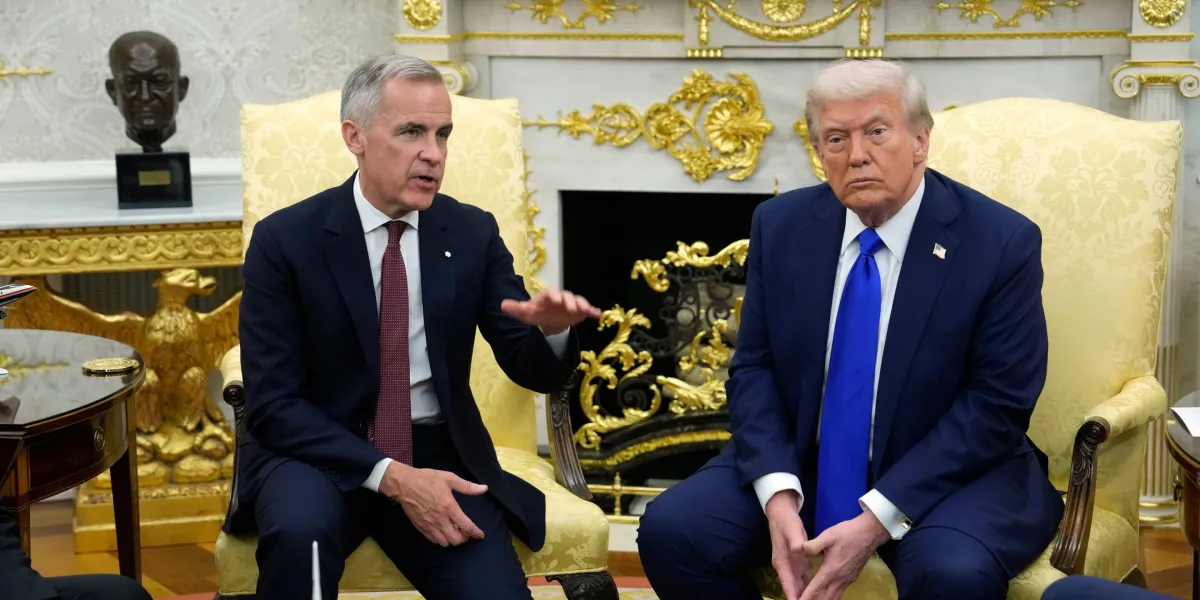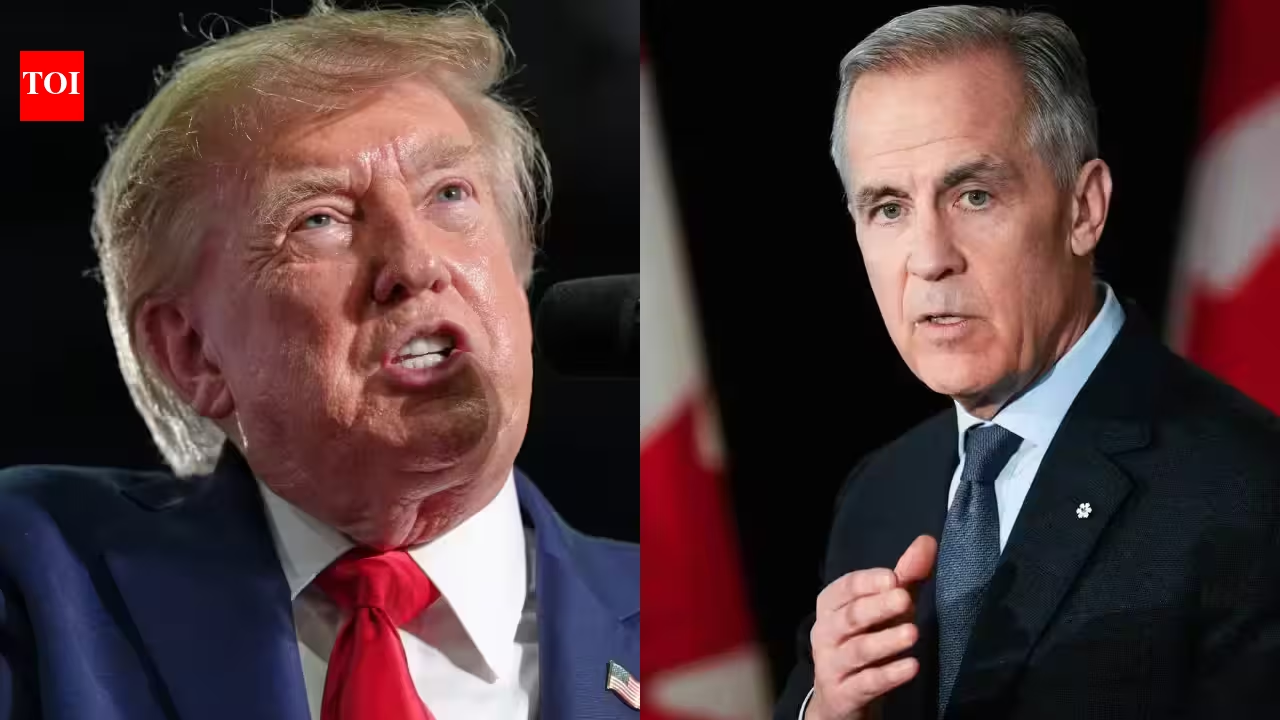
The US just picked a trade fight with its largest trading partner using a law from 1930 that nobody had dusted off in nearly a century. On August 22, the Trump administration imposed 50% tariffs on roughly $20 billion worth of Canadian goods, invoking Section 338 of the Tariff Act of 1930 for the first time in its modern application. The move came after last-minute negotiations between Washington and Ottawa collapsed, leaving both governments reaching for economic weapons instead of handshakes.
The tariffs hit a surprisingly broad swath of Canadian exports: wine, dairy, cement, clothing, hockey equipment, furniture, electronics, honey, seeds, and various agricultural products. For a country that sends approximately 72% of its total goods exports south of the border, the targeted $20 billion represents about 5% of Canada’s annual shipments to the US.
Canada fires back
Canadian Prime Minister Mark Carney announced “dollar-for-dollar” retaliation set to begin on September 8, targeting US steel, dairy, appliances, agricultural equipment, and pulp and paper products.
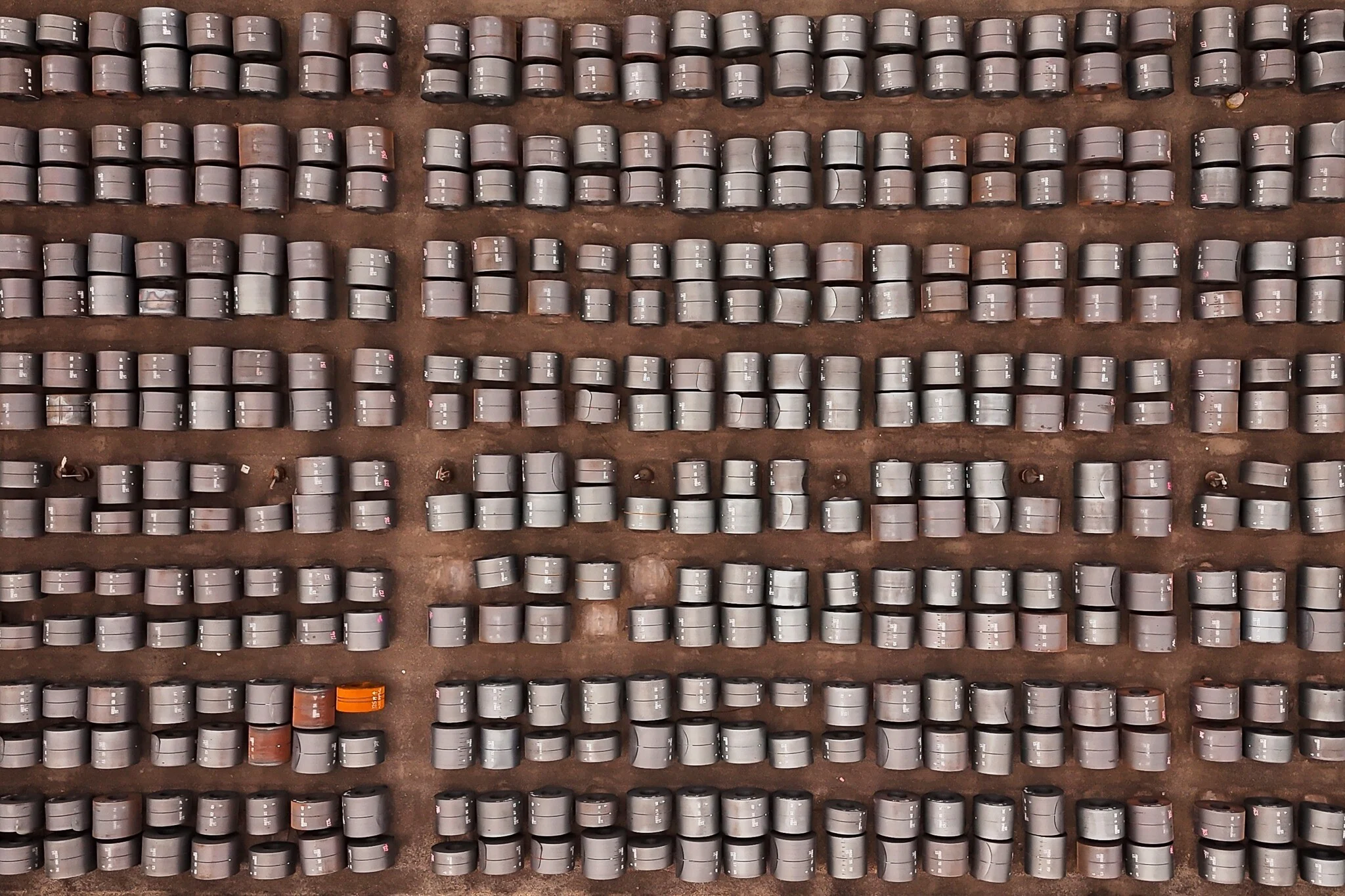
On August 24, Trump signaled plans to raise tariffs on Canadian autos, trucks, automotive parts, and steel to 50%, effective January 1, 2027. Tariffs on Canadian steel and aluminum already sit at 50%, while US autos face a 25% Canadian tariff. The auto industry, which relies on parts crossing the border multiple times during assembly, is particularly vulnerable to this kind of tit-for-tat.