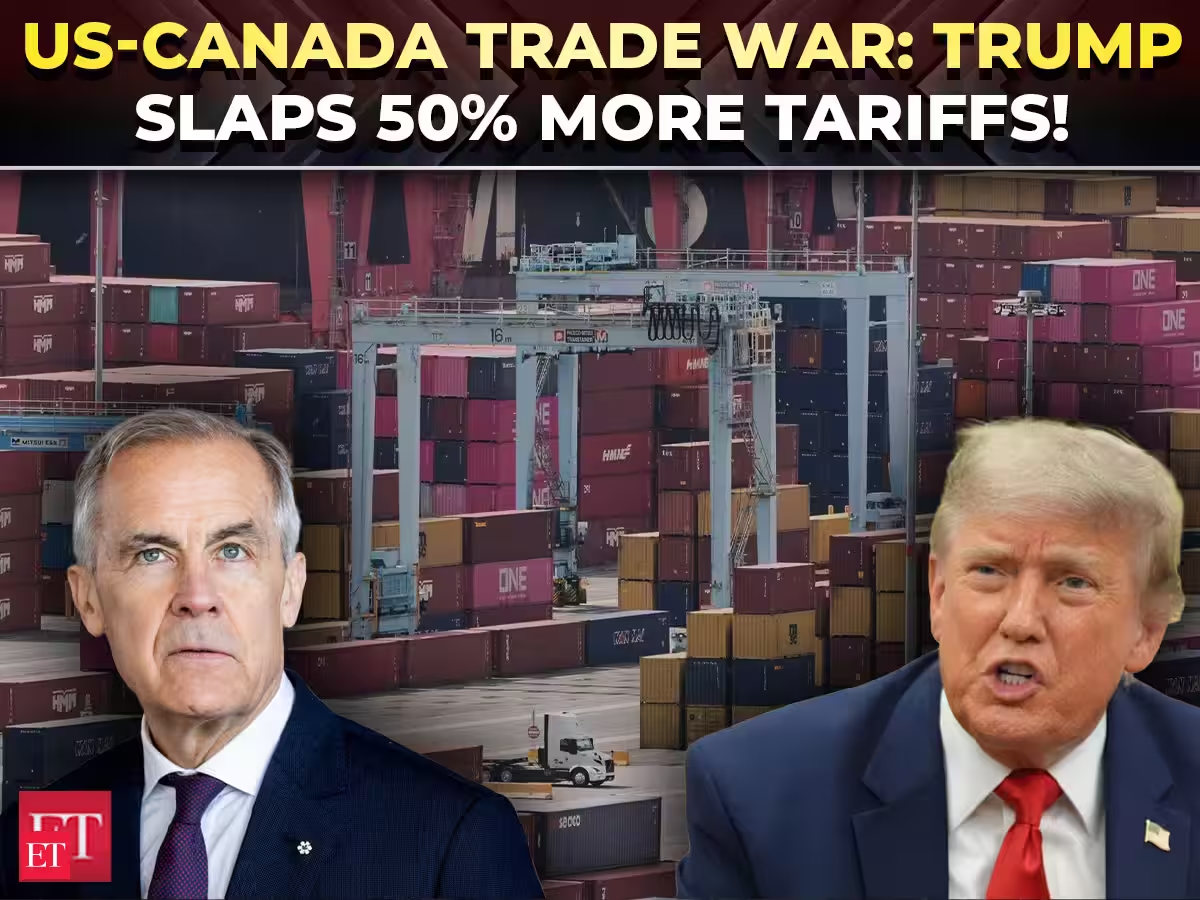
The US-Canada trade relationship just went from bad to significantly worse. After weeks of negotiations fell apart over disagreements about auto sector tariffs, the Trump administration slapped a 50% duty on Canadian exports, effective immediately as of August 22, 2026.
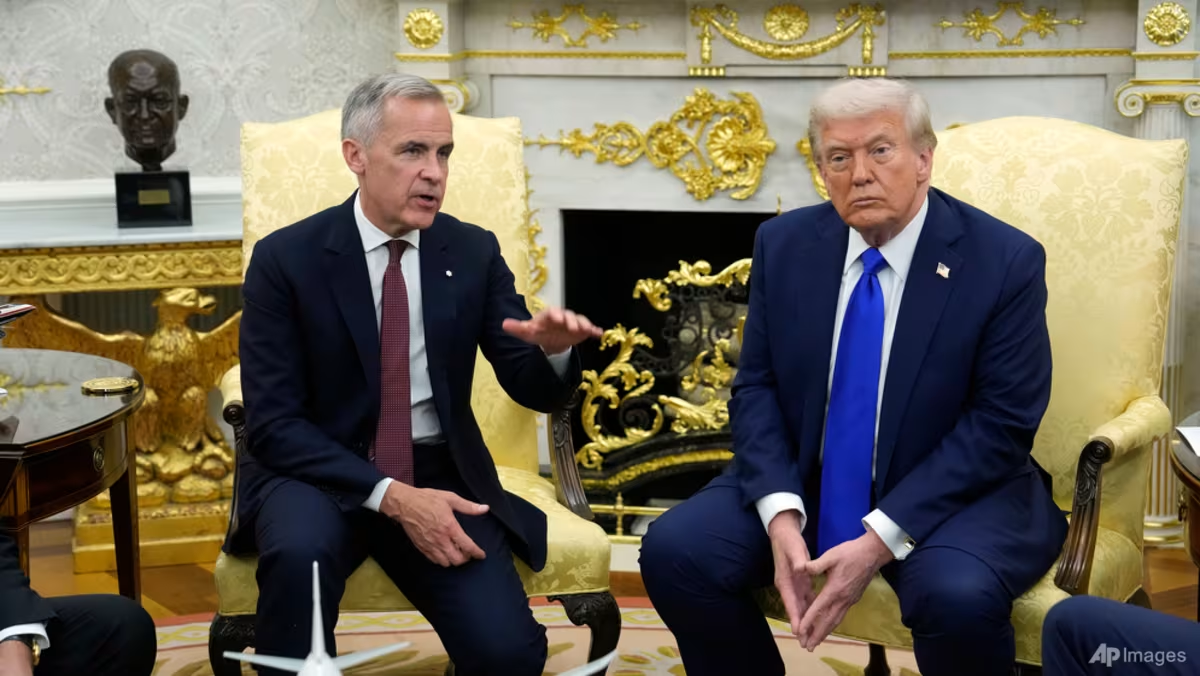
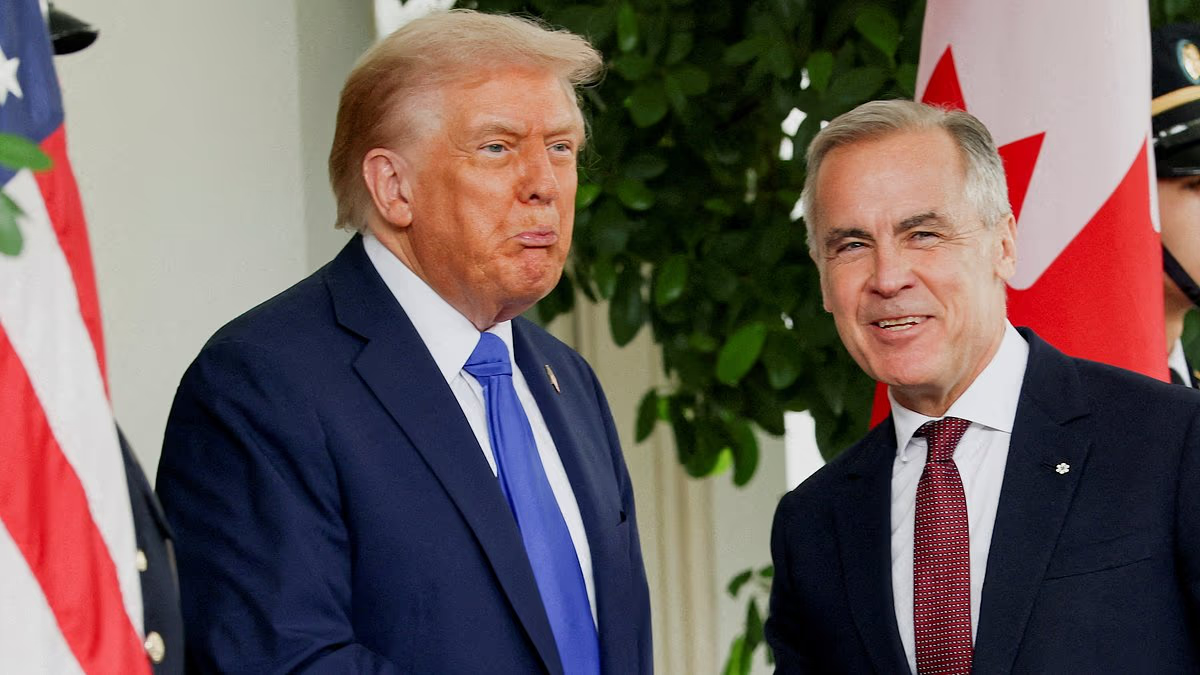
The tariffs, imposed under Section 338 of the Tariff Act of 1930, target an estimated $20 to $28 billion worth of Canadian goods. Canadian Prime Minister Mark Carney responded by announcing retaliatory tariffs on US steel, agriculture, and electronics, set to take effect September 8, and pulled the plug on further talks.
Trucks broke the deal
The core sticking point was surprisingly specific: medium- and heavy-duty trucks. The two sides had reportedly found common ground on reducing duties for Canadian-built light-duty vehicles, which would have offered meaningful relief to automakers with cross-border production lines.
But the US refused to extend similar cuts to heavier commercial vehicles, a category Canadian officials considered essential to any comprehensive deal. That refusal became the wedge that split the negotiations apart.