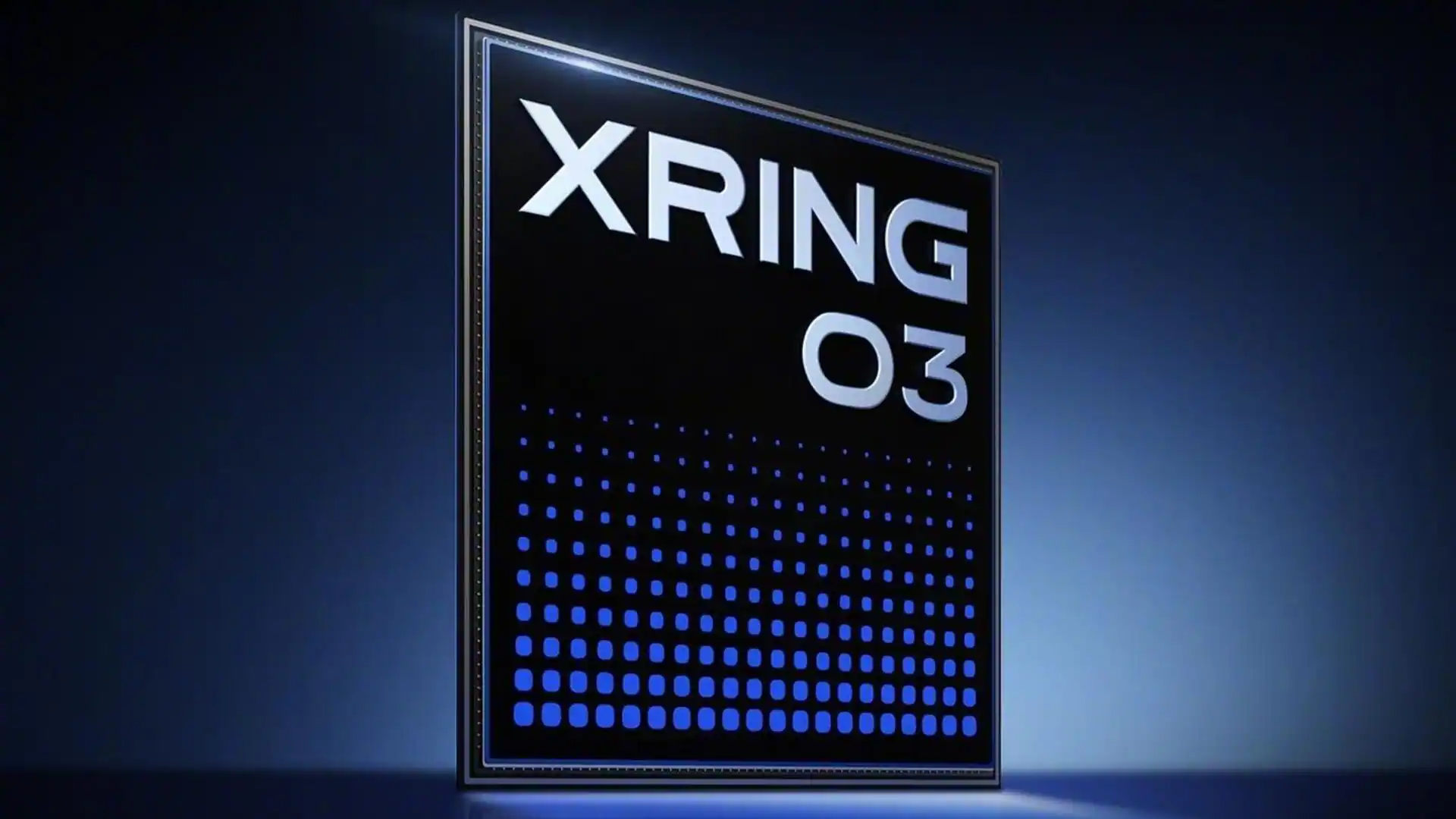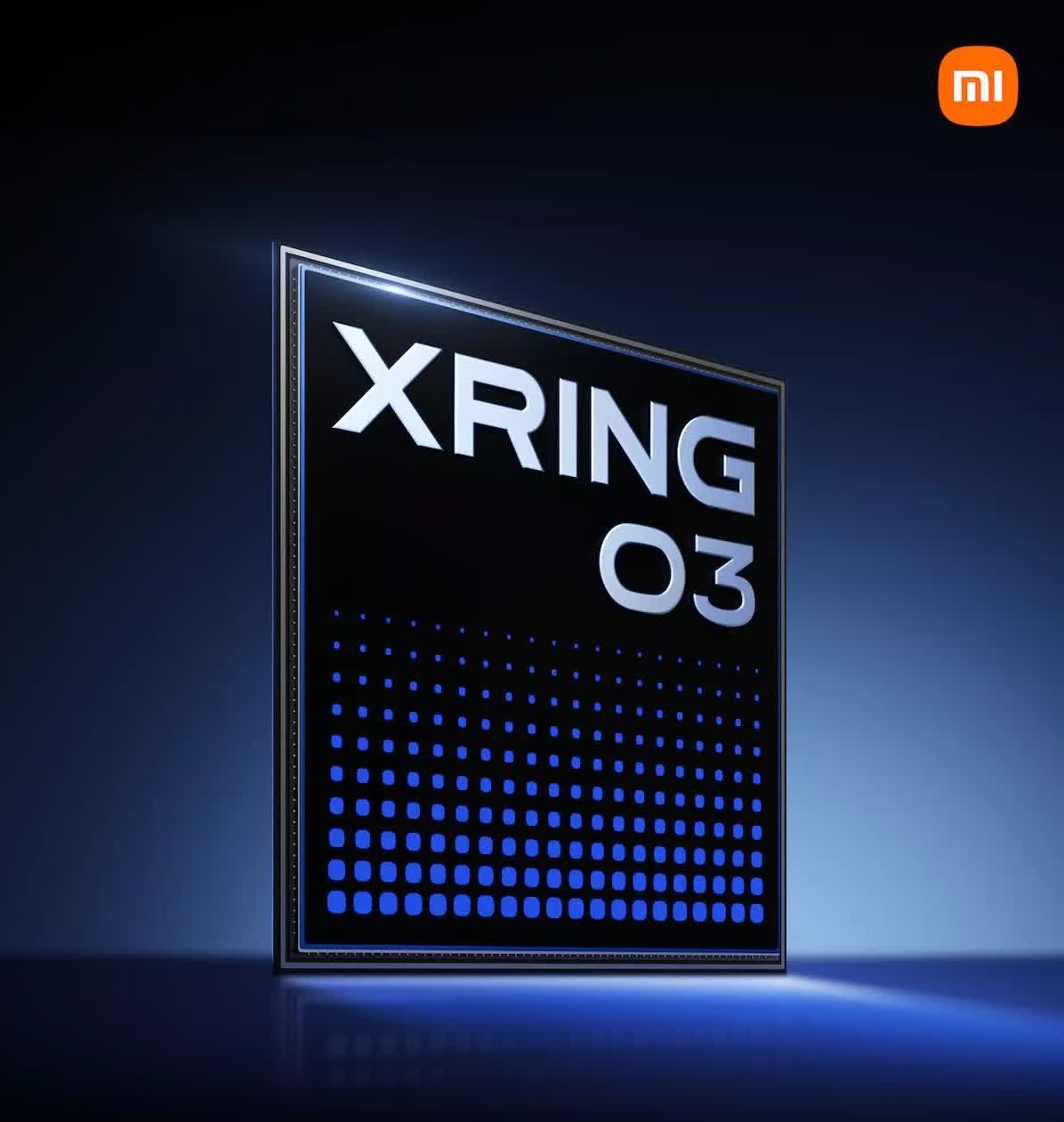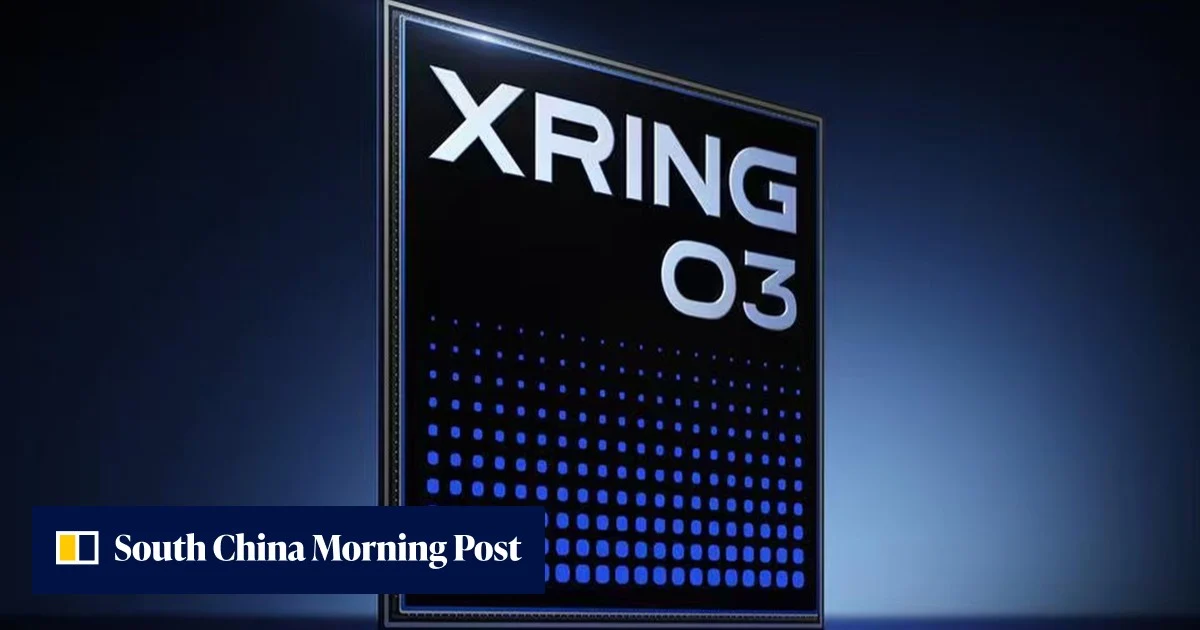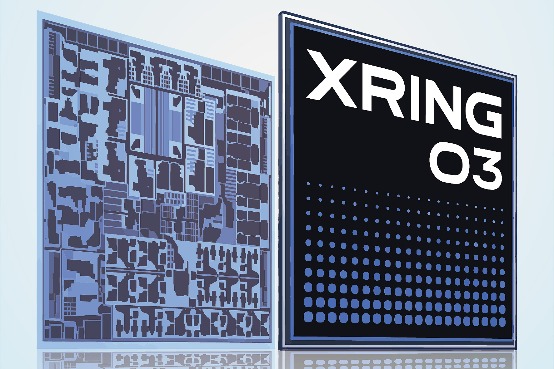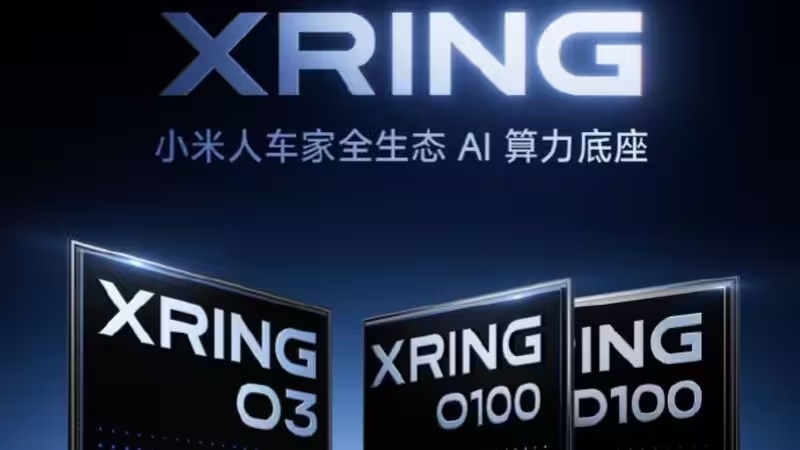
Xiaomi is launching its next custom-designed mobile phone chip, its Xring O3, as it looks to reduce its reliance on foreign chip providers and asserts higher autonomy over how its devices are equipped. Two persons told Xring's XTech that the Chinese technology firm is making the new chipset through Taiwan Semiconductor Manufacturing Co. Of TSMC (5nm) with the 3nm tech.Xiaomi is expected to install the chipset for its coming premium foldable Smartphone, of which it is projecting initial orders of from 200 to 300 thousand units Xiaomi has launched its first Smartphone Chip of the inhouse product in about one year ago, with its first chip was named Xring 01.About The AuthorHey there, i am a technology enthusiast with a deep passion for gadgets, consumer electronics, emerging technologies, and the fast-paced world of digital innovation. Constantly exploring the latest tech trends, product launches, and industry developments, I enjoy translating complex technological advancements into engaging and accessible stories for readers. My interests span smartphones, wearables, artificial intelligence, smart devices, and the broader technology ecosystem. As I begin my journey as a Tech Journalist at Gadgets Now, I am excited to contribute to a platform that informs millions of readers, combining my passion for technology with storytelling to deliver insightful, accurate, and timely tech coverage.Building Greater Control Through the Xring O3Xring O3 aims to give Xiaomi more autonomy in controlling a vital component of its smartphones- the chip that controls computing, graphics, artificial intelligence and imaging all at the same time. Designing a custom chip allows the tech giant to tailor the hardware to its software and device designs, rather than solely rely on silicon from other vendors such as Qualcomm and MediaTek.The O3 will be produced by TSMC, according to two sources familiar with the matter, enabling Xiaomi to bring together its custom-designed chip architecture and an experienced chip producer. Such strategy is common among other major smart phone manufacturers, whose own custom-designed chips help their hardware stand out among rivals and increase control of their tech-supply chain.TSMC's 3-Nanometre Manufacturing EdgeTSMC's 3 nanometer manufacturing tech gives Xiaomi access to one of the most advanced production platforms in the entire semiconductor industry. This smaller process node lets chip designers pack more transistors into the same amount of space, and it can improve the balance between performance and power consumption, though the exact benefits really depend on chip architecture and how it's all implemented.Sources familiar with Xiaomi's plans said TSMC will manufacture the Xring O3 using this 3 nanometer tech. This partnership genuinely matters, since designing a chip and actually manufacturing it at an advanced node require pretty different skill sets. Xiaomi can therefore focus purely on processor development, while leaning on TSMC's massively scaled fabrication infrastructure to handle actual production.A Flagship Foldable as the First Major TestThe Xring O3 is expected to power Xiaomi's upcoming flagship foldable phone, which really makes that device an important test for the company's semiconductor strategy overall. People familiar with the plans expect shipments of this processor to land somewhere around 200,000 to 300,000 units initially.That relatively modest volume suggests Xiaomi's treating this as a controlled step in growing its proprietary chip program, rather than trying to immediately replace every externally sourced processor across its entire phone lineup. Going with a premium foldable also gives Xiaomi a real chance to show off what its own silicon can actually do in a high end product, where performance, power efficiency, and software integration all matter as genuine selling points.More articles by AuthorTrending StoriesExpanding Beyond Smartphones Into AIXiaomi's chip ambitions really stretch well beyond just smartphone processors at this point. The company's also developing the Xring O100, a neural processing unit meant to support its MiMo AI model, according to people familiar with its plans. There's also a separate chip, the Xring D100, being developed specifically for autonomous driving applications.This expansion really shows Xiaomi sees proprietary semiconductor design as part of a much bigger tech strategy, not just an effort to make its phones stand out. Building specialized chips for AI and vehicles could let the company optimize computing performance specifically for its own software and products. It also ties Xiaomi's chip efforts directly into its growing AI and electric vehicle businesses.A Multibillion-Yuan Bet on Chip DesignXiaomi's push into semiconductors represents a genuinely substantial long term investment. The company's spent more than 20 billion yuan, roughly $3 billion, on chip development, and grown its semiconductor workforce to more than 3,000 employees, according to people familiar with the company's activities.That kind of investment really reflects just how difficult building competitive processors actually is, requiring specialized engineering teams, extensive design work, and access to genuinely advanced manufacturing. Xiaomi's strategy also carries real financial and technical risk, especially since developing proprietary chips demands huge upfront spending before any economies of scale actually kick in. Still, having more control over its processors could help the company manage product design, supply chain risk, and tech differentiation over the long run.Reducing Reliance on External Chip SuppliersThe Xring O3 arrives as Xiaomi looks for more control over its hardware ecosystem, right as the global smartphone industry deals with weak demand and rising component costs across the board. Xiaomi sold roughly 65 million smartphones during the first half of 2026, while higher component costs have added real pressure across the whole industry, according to people familiar with the company's performance.Developing its own processors could help Xiaomi cut down on how much it depends on outside suppliers, while giving its engineers more freedom to actually integrate hardware with its operating system, cameras, and AI features. This strategy really follows a broader industry pattern too, major tech companies increasingly building proprietary silicon to improve product differentiation and strengthen resilience across their supply chains.Xiaomi's Semiconductor Strategy Moves Into a Wider Technology RaceSo the Xring O3 is really more than just another smartphone component for Xiaomi. It represents the company's genuine attempt to build real semiconductor expertise, expertise that can support phones, AI, and autonomous vehicles all at once.The immediate commercial opportunity might look modest here, given the projected initial shipment volume, but the bigger long term significance really lies in Xiaomi actually developing the capability to design increasingly sophisticated chips over time. The deal with TSMC allows the company to get access to cutting-edge manufacturing while retaining ownership of the chip itself, and if it is able to do a better job of putting custom silicone into more of its products in the future this could seriously level the playing field against others who have built their brands around customized silicon. FAQsWhat is the Xring O3 processor and why is it significant for Xiaomi?The Xring O3 is Xiaomi's latest in-house smartphone processor, produced by TSMC using a 3-nanometre manufacturing process. It signifies Xiaomi's effort to reduce reliance on external chip suppliers and gain greater control over the hardware powering its devices.How does the Xring O3 enhance Xiaomi's smartphone capabilities?The Xring O3 enhances Xiaomi's smartphone capabilities by providing greater control over processing functions such as computing, graphics, AI, and imaging. This allows Xiaomi to tailor its hardware more closely to its software and device designs.What are Xiaomi's future plans regarding its semiconductor strategy?Xiaomi plans to expand its semiconductor strategy beyond smartphones by developing additional chips like the Xring O100 for AI applications and the Xring D100 for autonomous-driving solutions. This indicates a broader ambition to optimize performance across various technology segments.end of article
Xiaomi’s Xring O3 Chip Deepens Push for In-House Semiconductor Control
Xiaomi has unveiled its new Xring O3 processor, manufactured by TSMC, to reduce reliance on external chip suppliers. This advanced chip will debut in an upcoming flagship foldable smartphone, with initial shipments projected. The company is also developing specialized chips for AI and autonomous driving applications. Xiaomi has invested significantly in chip design, expanding its semiconductor workforce to over 3,000 employees.
1,231 words~6 min read