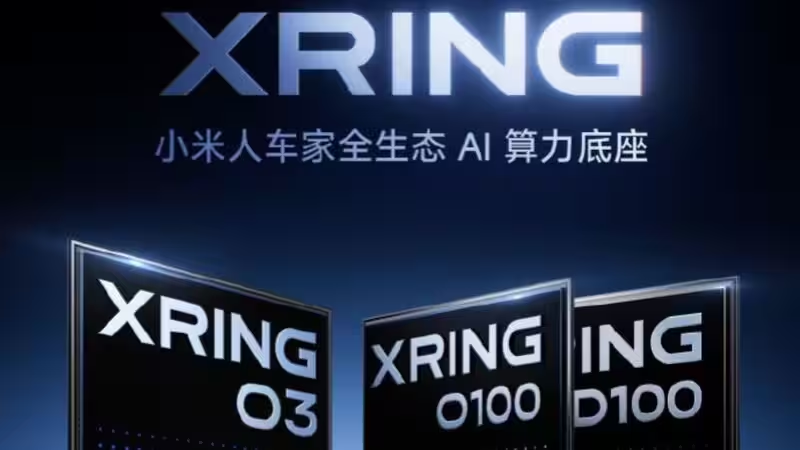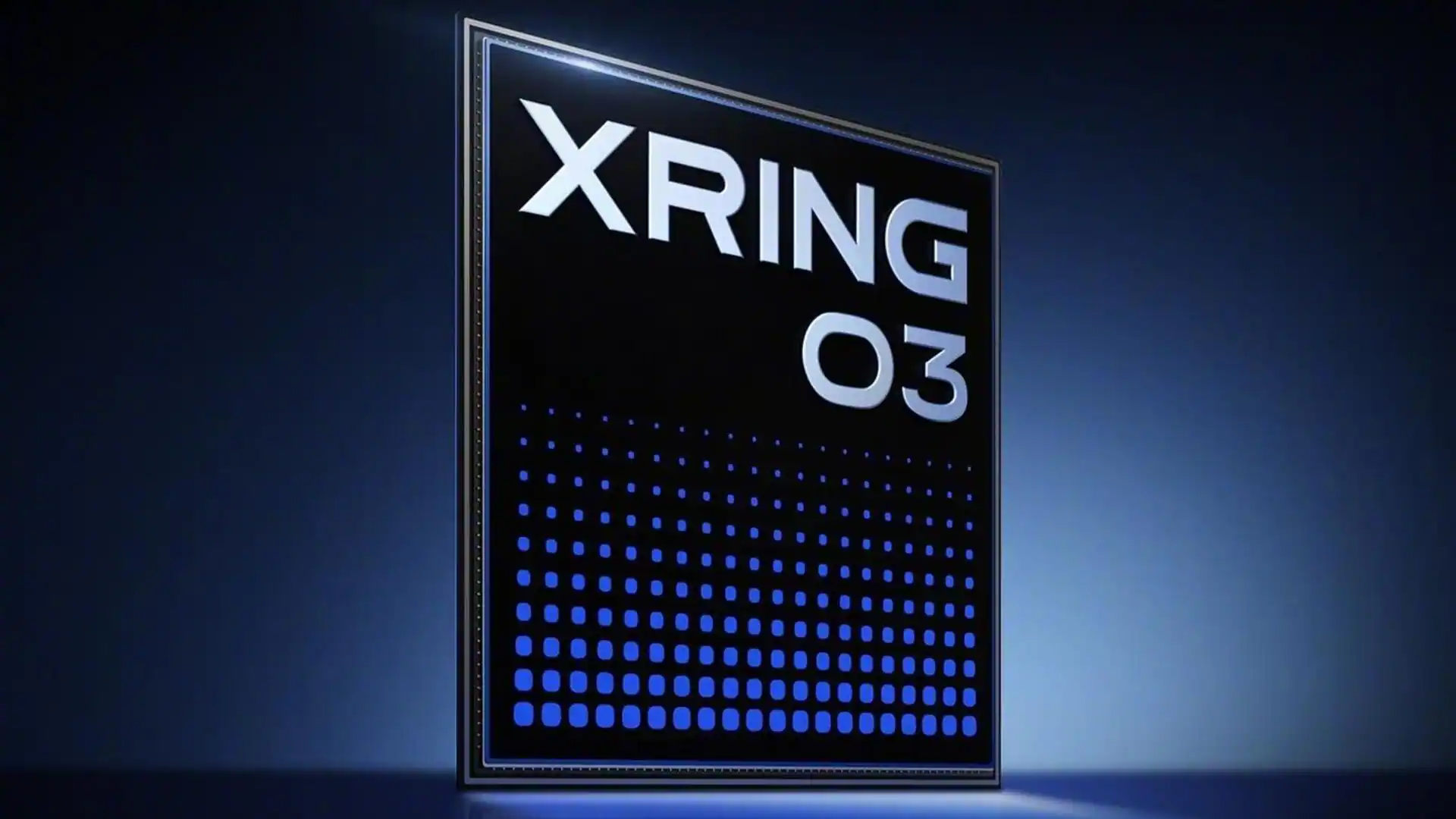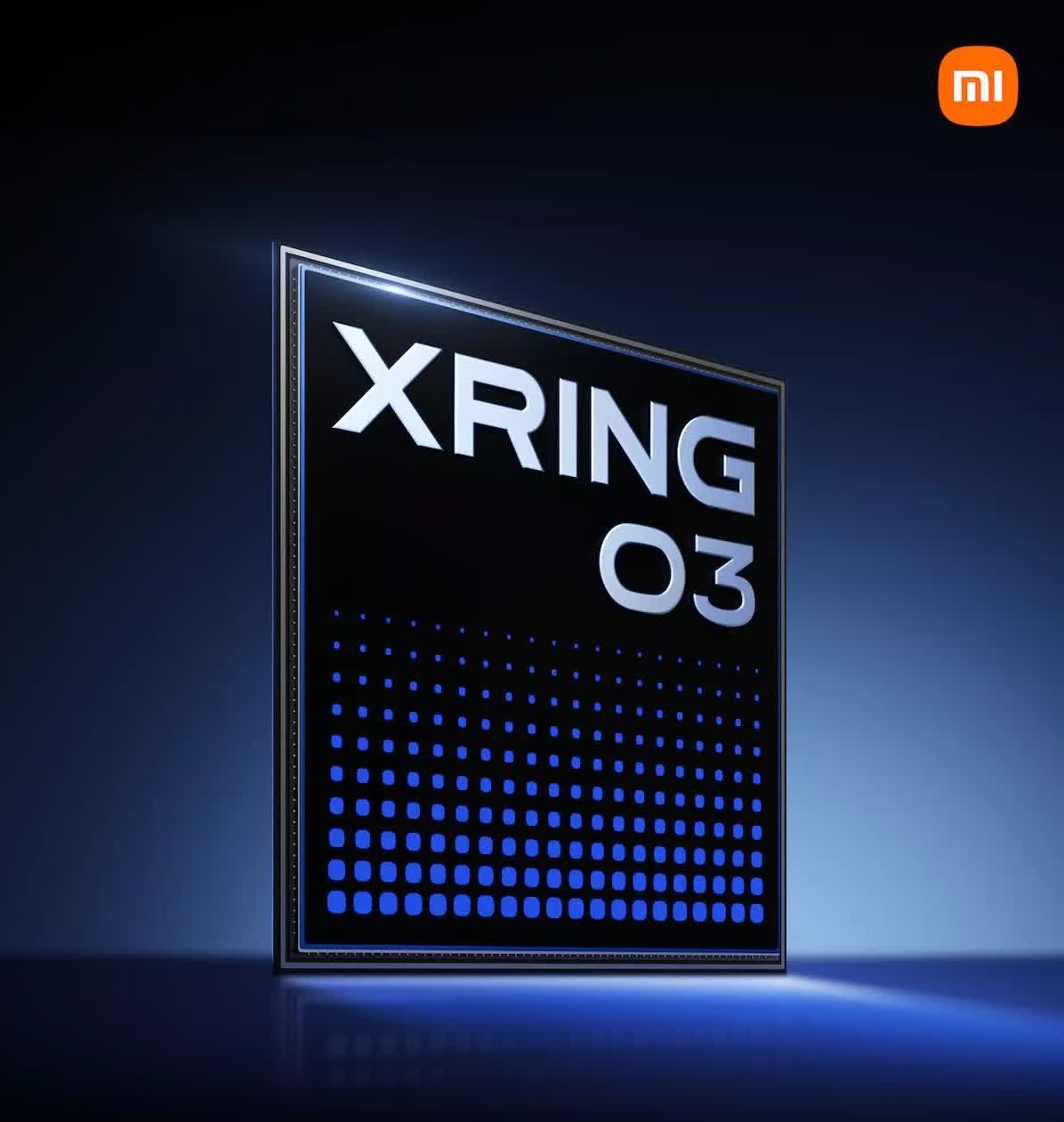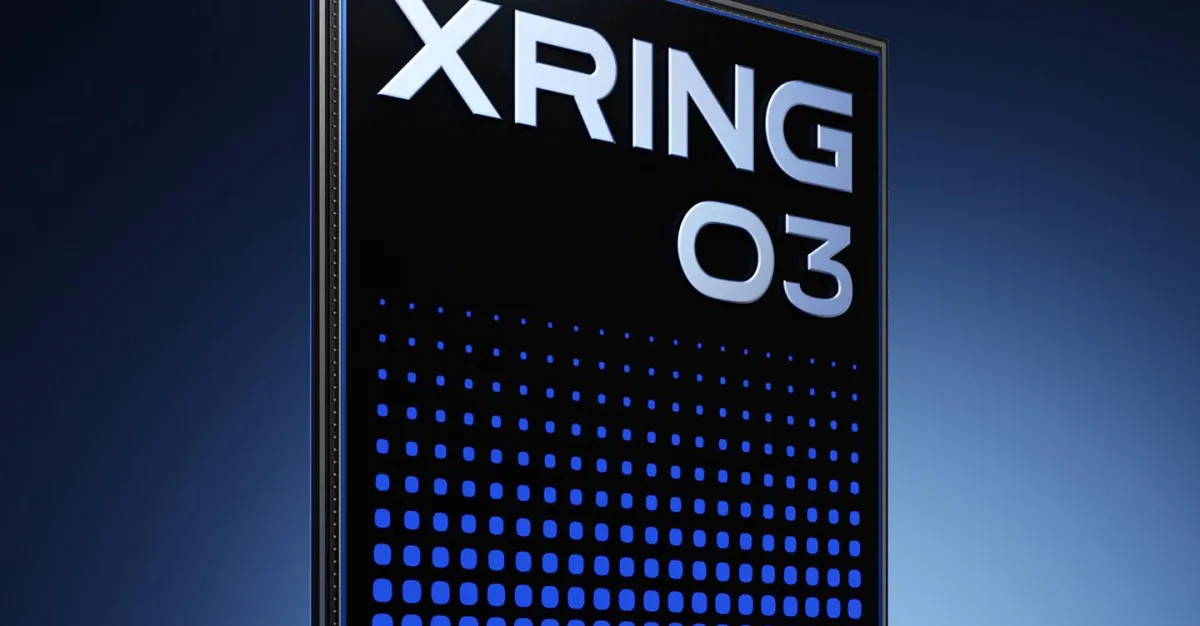
Xiaomi just took its most ambitious swing yet at chip independence. The company unveiled the Xring O3, its next-generation mobile processor built on TSMC’s 3nm process technology, marking a major escalation in the Chinese tech giant’s years-long quest to design its own silicon.
The O3 is slated for an upcoming flagship foldable smartphone, with Xiaomi targeting initial production shipments of 200,000 to 300,000 units. That’s a measured rollout, but it represents a deliberate step forward for a company that’s been methodically building its chip capabilities since the Surge S1 back in 2017.
From Surge to Xring: a decade-long silicon bet
Xiaomi’s chip journey has been anything but linear. The company launched the Surge S1 nearly a decade ago, then went quiet for years after that initial effort hit roadblocks. The conventional wisdom at the time was that Xiaomi had shelved its chip ambitions entirely.
That assessment turned out to be premature. Xiaomi came roaring back with the Xring O1 in May 2025, which carried a notable distinction: it was the first 3nm smartphone processor designed by a Chinese company. The O1 went on to ship more than 1 million total units across smartphones, tablets, and smartwatches, a respectable debut that validated Xiaomi’s return to custom silicon.