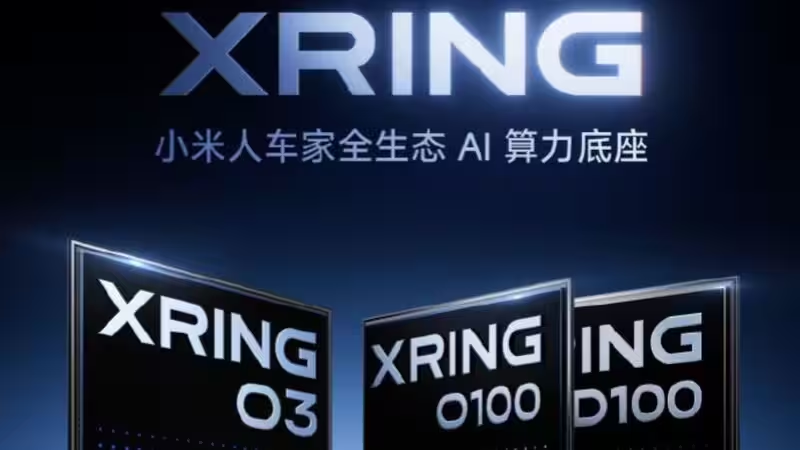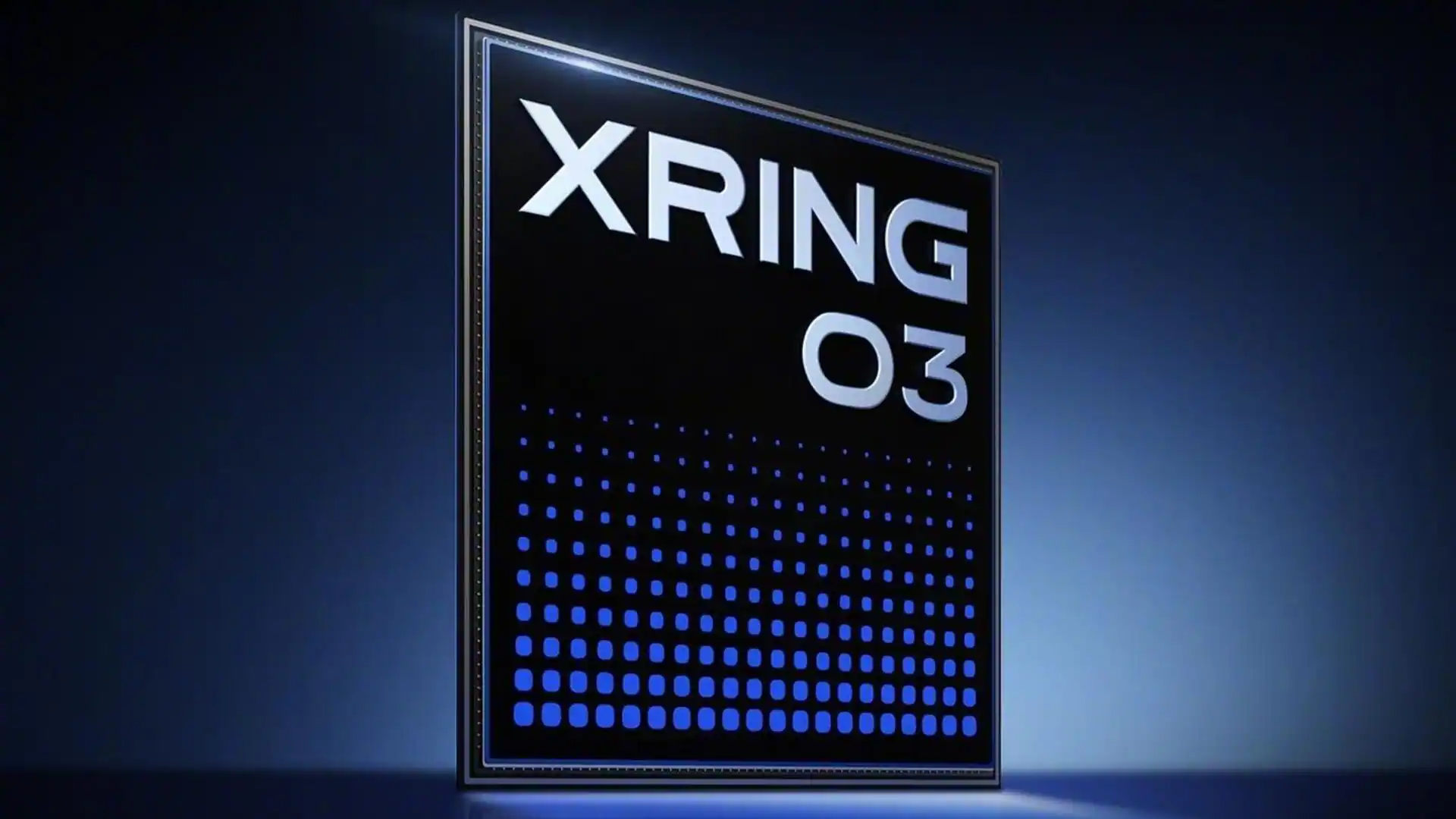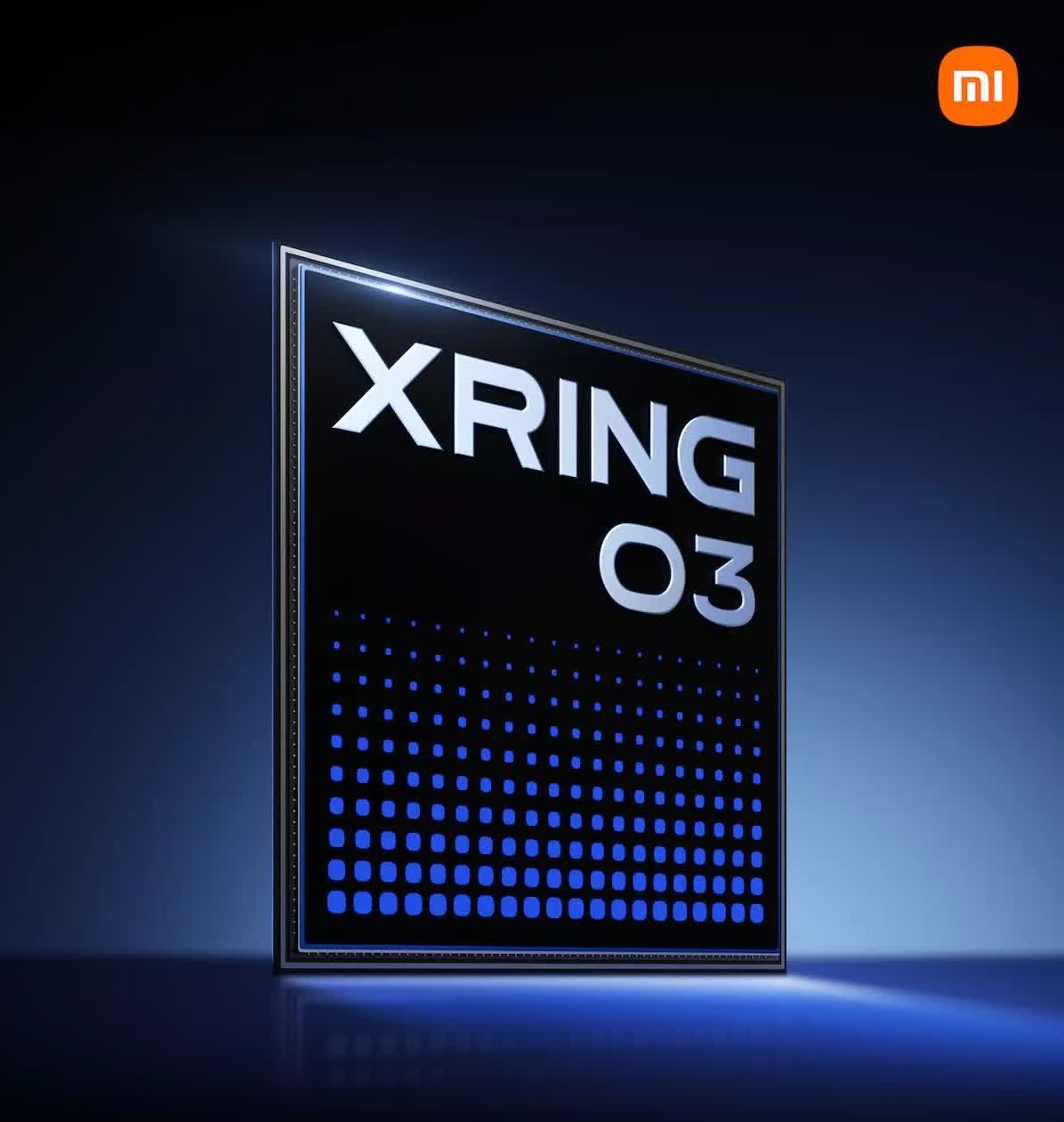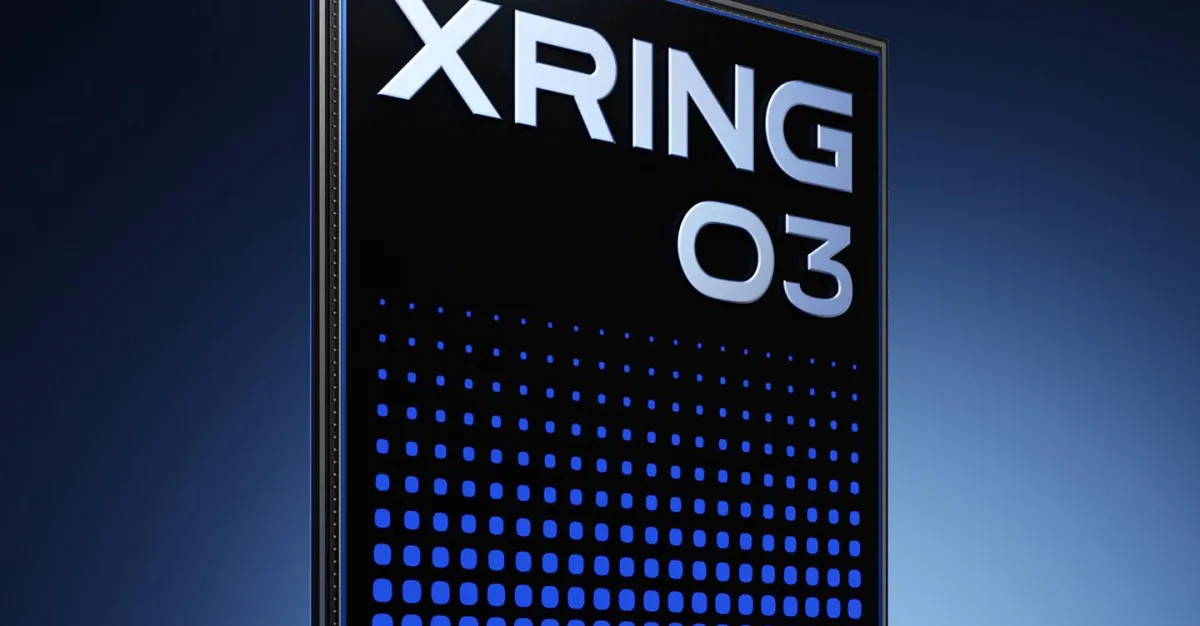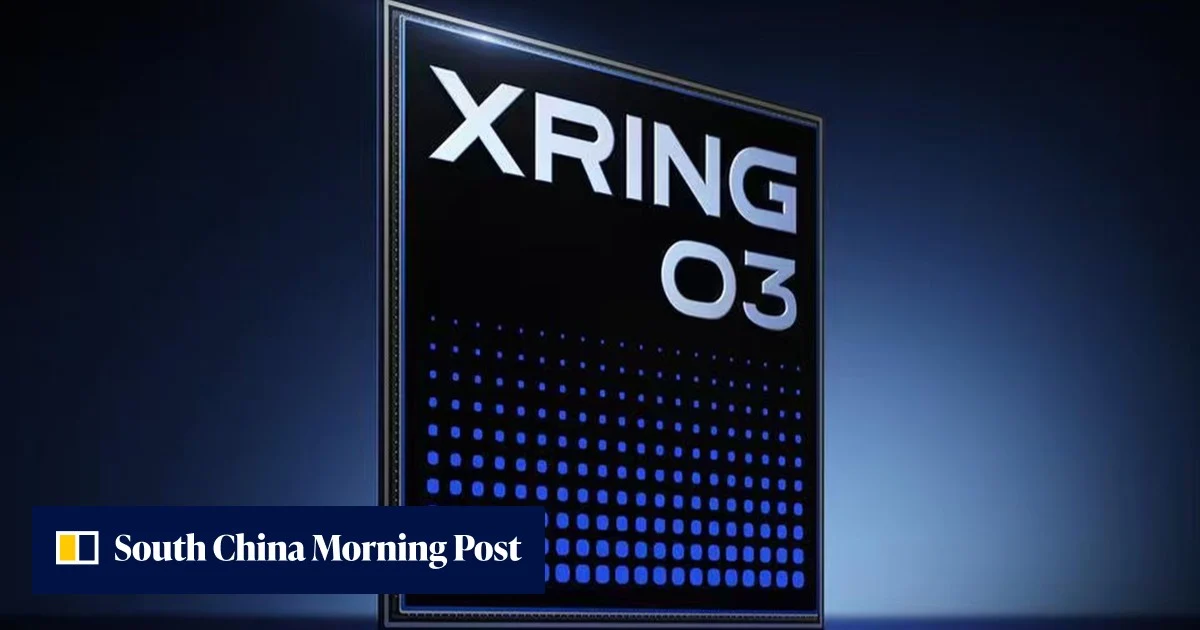
Xiaomi has launched the Xring O3, a system-on-chip that TSMC will manufacture on its 3-nanometre process, according to two people familiar with the matter who spoke to Reuters.
The chip pulls computing, graphics, AI processing, and imaging onto a single die and arrives during a difficult stretch for the handset business it is meant to differentiate, with Xiaomi’s profit falling again as memory prices squeeze margins.
Neither Xiaomi nor TSMC confirmed the manufacturing arrangement when Reuters asked. The chip itself is Xiaomi’s own announcement, but the foundry relationship and the production numbers attached to it come from sources rather than from either company.
Those numbers are the most interesting part. The O3 is earmarked for Xiaomi’s forthcoming flagship folding phone, with shipments expected to land somewhere between 200,000 and 300,000 units.
For a company that ships tens of millions of handsets a quarter, that is a rounding error, and it is roughly the pattern the previous generation established. The Xring O1, launched in May 2025, has passed a million cumulative shipments across phones, tablets, and watches, but only around 150,000 of those were smartphones.