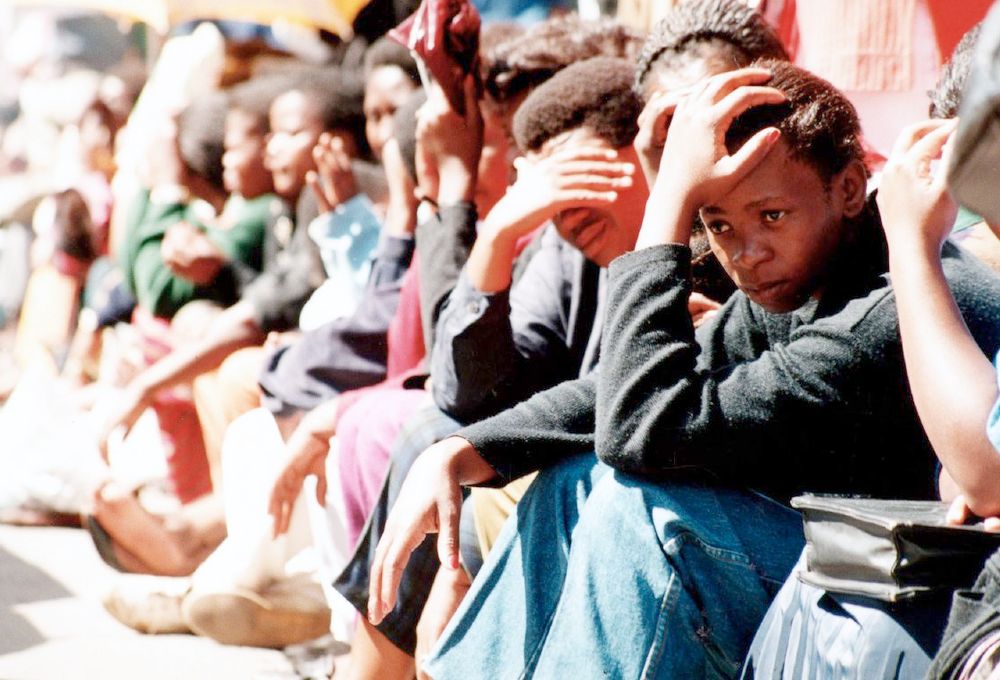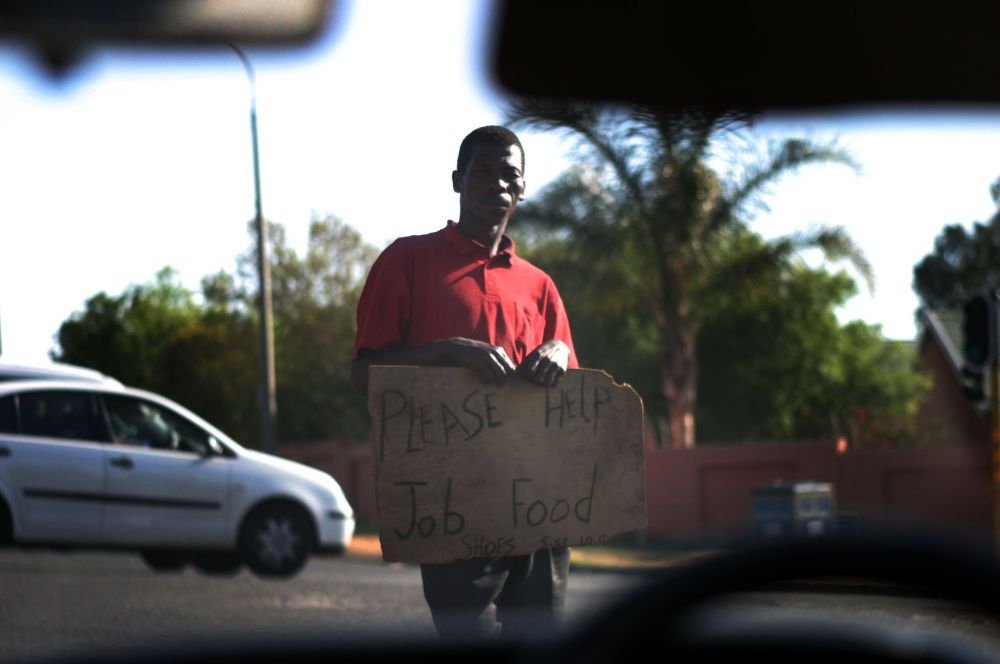
The time has come to question the economic literacy and sanity of South Africa’s political and business elites and call them out for not caring about the jobs crisis. During Women’s Month we learnt that according to Statistics South Africa’s latest labour force survey, the expanded (LU3) unemployment rate for African women hit 53.1% during the second quarter. The expanded unemployment rate for youth (aged 15-24) was 72.4%, and 48% for black Africans, 56% in the North West and 54% in the Eastern Cape. The survey showed that 360,000 jobs vanished during the first six months of the year. The reason was the Treasury’s irrational austerity policies, and 263,000 (or 73%) of these jobs were shed in the community and social services sector, which is mostly government. The Treasury cancelled the basic employment education initiative, which provided 200,000 work opportunities last year. The National Youth Service, which created 40,000 work opportunities in 2025, has not employed any people this year. What logic is there in dashing the hopes of more than 200,000 young people to pursue a primary budget surplus target of 2% of GDP while the government continues with the wasteful employment tax incentive — a basic income grant for employers that cost R4.5bn last year? Last week saw the launch of phase three of the government-business partnership, which had targets to increase annual GDP growth to 3% and create 1-million additional jobs by 2030. What logic is there in dashing the hopes of more than 200,000 young people to pursue a primary budget surplus target of 2% of GDP while the government continues with the wasteful employment tax incentive — a basic income grant for employers that cost R4.5bn last year? In October 2024, when they launched the second phase of the partnership, it had targets to achieve GDP growth of 3.3% in 2025 and 1-million additional jobs by 2030. The targets were based on the University of Stellenbosch Bureau for Economic Research’s implausible economic modelling, which required multiple leaps of faith. Since then — from the fourth quarter of 2024 to the second quarter of 2026 — the economy has shed 339,000 jobs, and the economy grew by only 1.1% during 2025. GDP growth and unemployment are macroeconomic policy issues. Anyone who does not specify the macroeconomic policy tools that will generate higher GDP growth and a lower unemployment rate is wasting our time. The partnership has now dropped the fake economic modelling and does not bother to explain how the country will achieve its targets. They must stop raising the hopes of 13.1-million unemployed people with empty promises of 1-million additional jobs when they know we cannot create them out of thin air. I now believe only enormous social upheaval will get the elites to take the jobs crisis seriously. The political and business elites have pinned their hopes on Operation Vulindlela’s reforms. But after six years of zero success in increasing the GDP growth rate, it should be obvious that it will never shift the dial. About 90% by value of the investments that have flowed from the initiative are in electricity, which is part of a sector that includes gas and water. The sector accounts for 4% of GDP and employs only 103,000 people or 0.6% of total employment.Anybody who believes Operation Vulindlela will ever increase GDP growth or reduce unemployment must be checked into a psychiatric ward. What logic is there in putting all the eggs in one basket that is such a small part of the economy? After 17 years of chronically low GDP growth of 1.1% a year on average, the IMF has forecast GDP growth of 1.1% in 2026 and 1.3% in 2027. By the end of 2027, GDP per capita will be lower than it was in 2007. I now believe only enormous social upheaval will get the elites to take the jobs crisis seriously. • Gqubule is an adviser on economic development and transformation.
DUMA GQUBULE | South Africa’s vanishing jobs
Treasury's austerity policies blamed for cutting 360,000 jobs in six months
656 words~3 min read