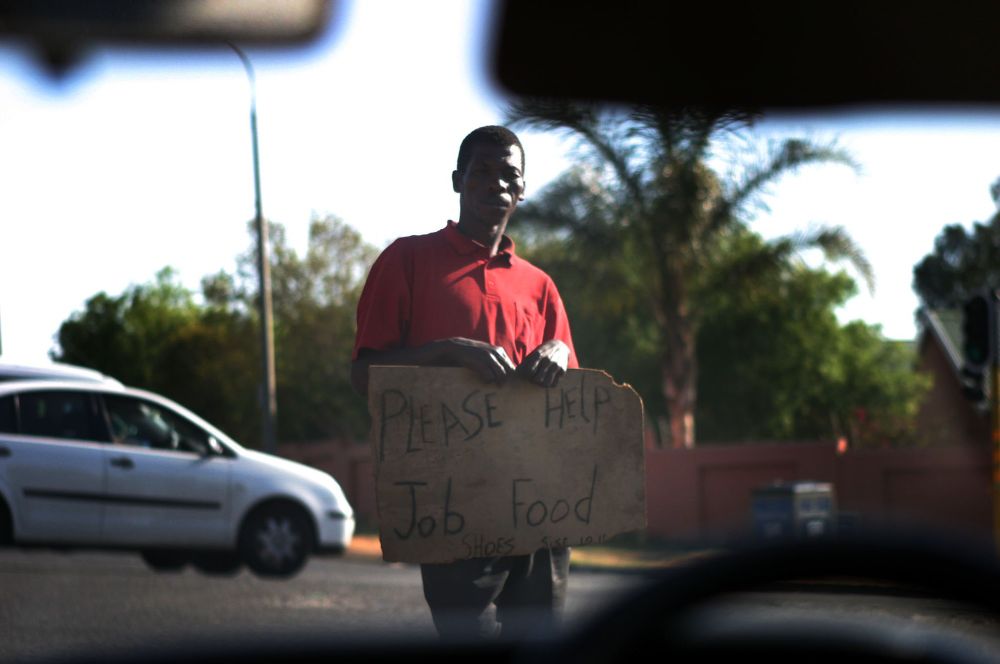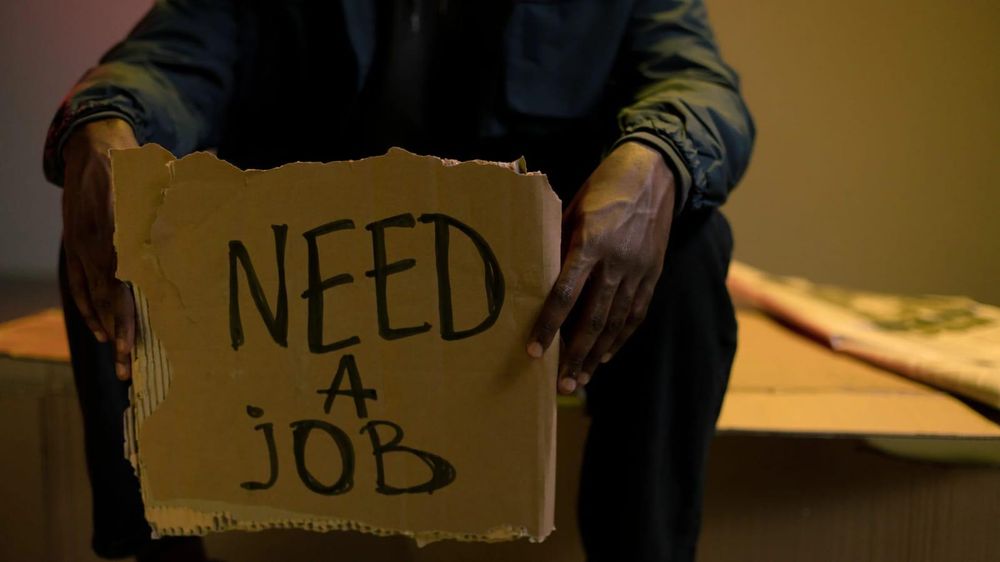
South Africa’s unemployment saga continues to worsen. Statistics released this past week show that 345,000 people lost their jobs in the first four months of this year alone, meaning that more than 8.1-million South Africans are now officially unemployed. Worse still, youth unemployment — which has always been alarmingly high — has now climbed to 45.8%. The numbers show severe strain across nearly every sector, with the construction industry shedding 110,000 jobs and community and social services losing 206,000 jobs.When unemployment rises at this scale, small businesses, as always, are left to bear the brunt. Many are already navigating a strained economy thanks to rising inflation and fuel costs, but now they face the added pressure of shrinking demand as unemployed consumers tighten their belts.There is no denying that SMEs are the backbone of our economy because they absorb labour differently compared to larger corporations. They create job opportunities closer to communities, providing income in areas where formal employment opportunities remain limited. They also employ younger, less experienced people who are entering the workforce for the first time.Despite this, many SMEs are operating in conditions that actively thwart their growth, and even the smallest shifts in consumer spending can be the difference between survival and closure.People often forget that a rise in unemployment impacts the entire supply chain. When consumers spend less, banks become more cautious over lending, which in turn reduces access to the finance that small business owners desperately need to keep afloat. In this environment, competing is less about innovation and more about sheer survival.For businesses in the clothing, manufacturing, steel, furniture and small-scale retail sectors, this is compounded by the rise in imported goods from the likes of Shein and Temu that continue to undercut local businesses on price.No one is suggesting global trade is not as important as local commerce, but these complexities do raise several questions about what protections exist for small businesses trying to create jobs locally. Governments in some European countries are becoming more deliberate about shielding strategic sectors from unfair competition, dumping, and supply chain disruptions, but South Africa has been slow to follow suit. The truth is we cannot continue approaching economic participation with hesitation while expecting different results. I’m by no means in favour of shutting our borders, increasing tariffs, or rejecting global trade altogether, but I do think we need to recognise that local businesses cannot absorb endless pressure without proper support.Support for small businesses must move beyond speeches, conferences and fragmented programmes.Development finance institutions can play a bigger role here. They were, after all, created partly to respond to financial pressures like the ones we are seeing now, but so many of the small businesses I work with still describe funding processes as slow, inaccessible, and disconnected from their operational realities. Some spend months, if not years, trying to secure financing while facing immediate pressures like rent, wages, transport costs, and electricity bills. South Africa cannot continue treating SME development as a secondary policy discussion while unemployment continues to escalate. Support for small businesses must move beyond speeches, conferences and fragmented programmes to tangible, measurable deliverables that can be felt in local communities. Our SMEs urgently need clarity on localisation, procurement, industrial support, and market access. Many sectors still lack a coherent strategy for helping local enterprises compete against heavily subsidised imports entering the country at scale.The conversation about economic growth cannot focus only on attracting investment at the top while local enterprises buckle under rising costs and shrinking demand. South Africa’s unemployment problem has persisted for some time now, and sadly there are no quick-fix solutions. Policy announcements alone do little to ease growing concerns among small business owners, many of whom are unsure whether they can keep their doors open for the next few months, let alone survive long enough to hire, grow, and drive the local economy forward.We need a real break in the system, not a system that breaks our small business owners.Less red tape, quicker access to funding, simpler compliance systems, stronger localisation measures, and practical support that allows businesses to scale sustainably are just some of the things we can do now amid a spiralling crisis.• Luncedo Mtwentwe is MD of Vantage Advisory and host of the SAICABIZ Impact Podcast.
LUNCEDO MTWENTWE | SMEs feel the pinch as jobless rate surges
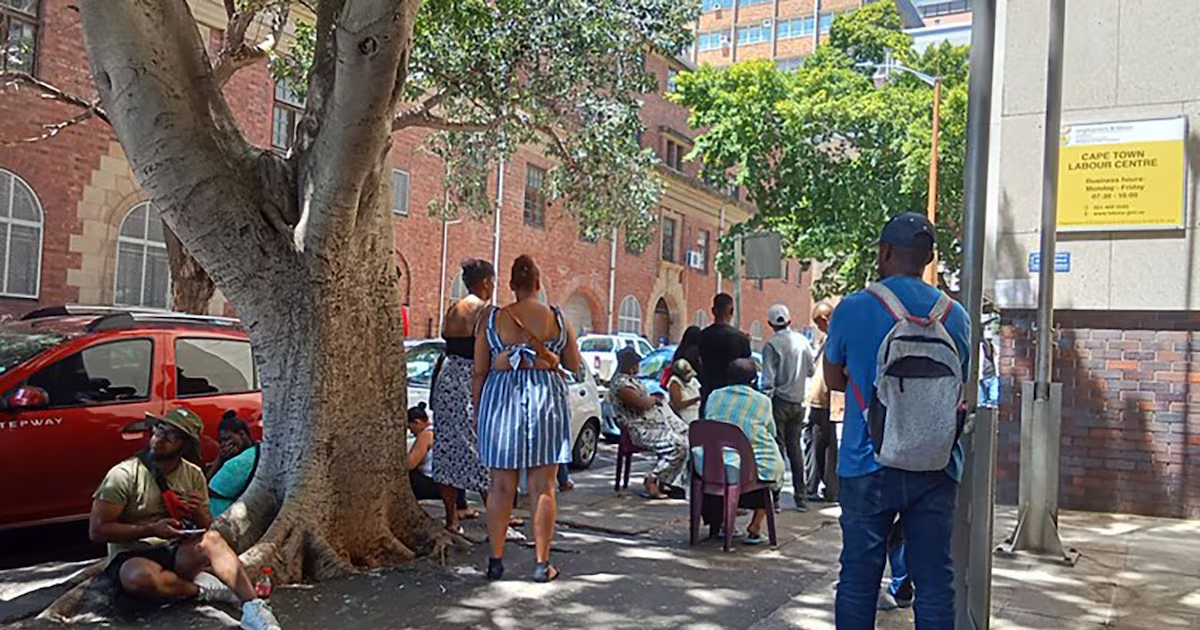
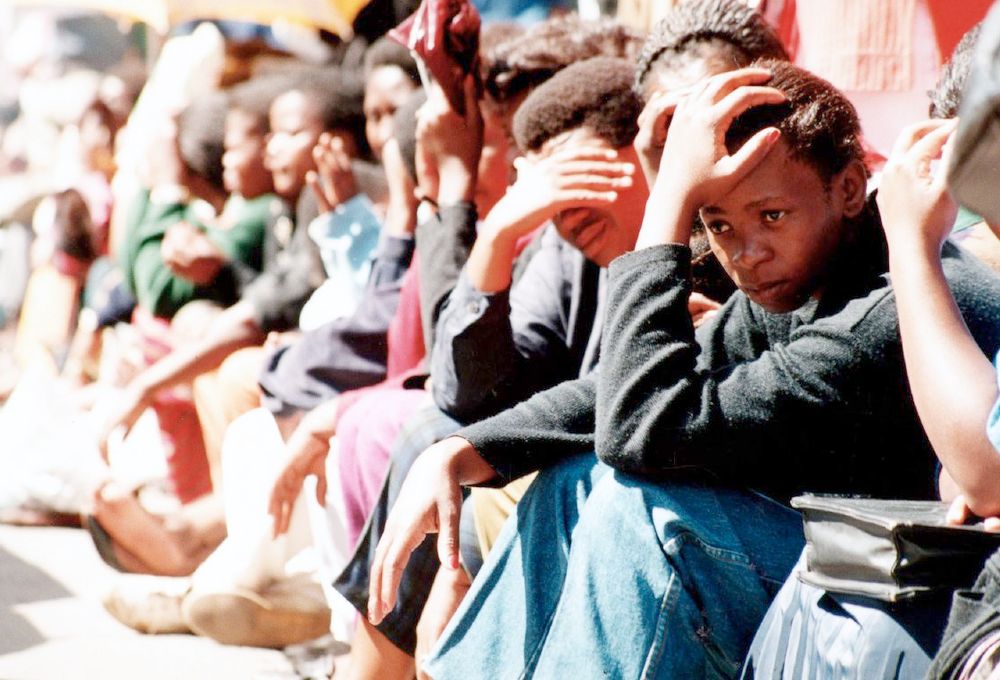
South Africa’s unemployment saga continues to worsen. Statistics released this past week show that 345,000 people lost their jobs in the first four months of this year alone, meaning that more than 8.1-million South Africans are now officially unemployed.
709 words~3 min read