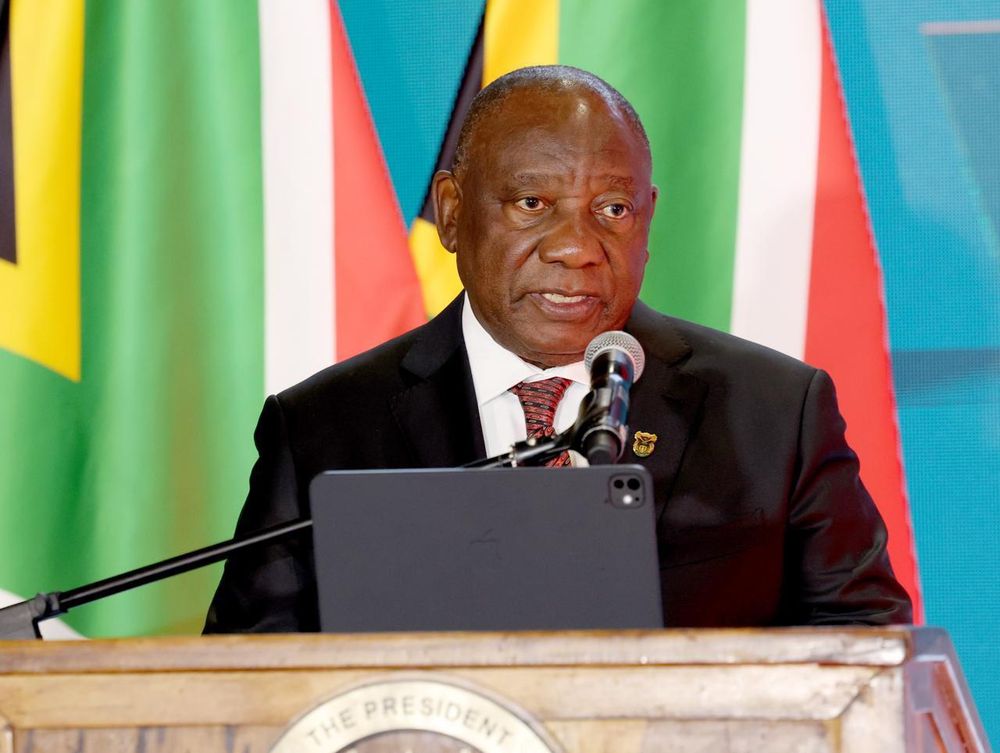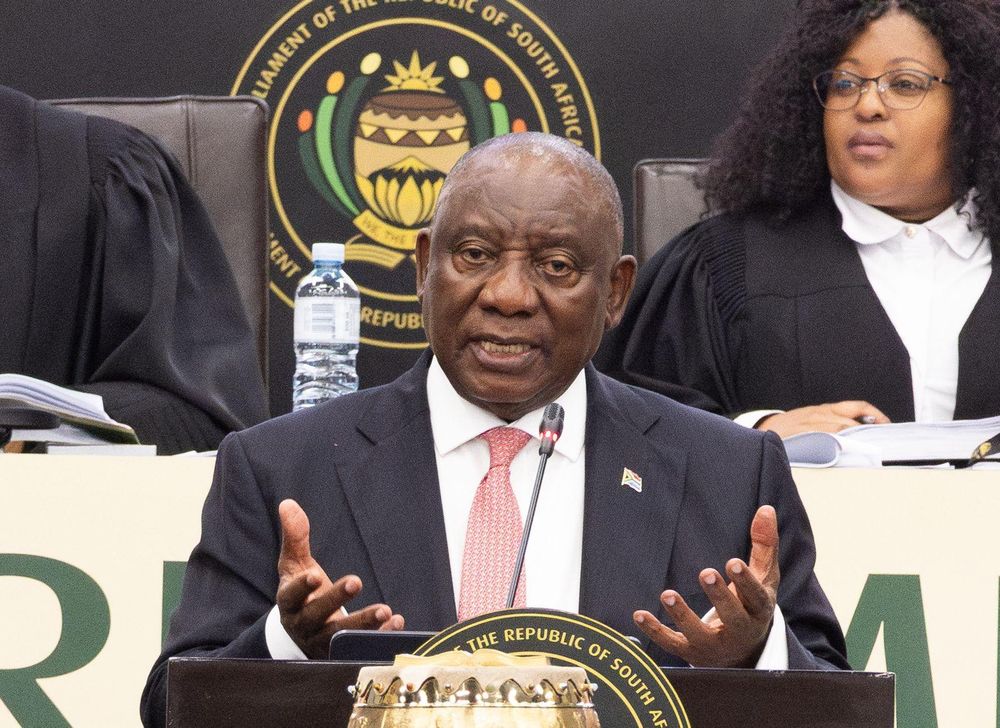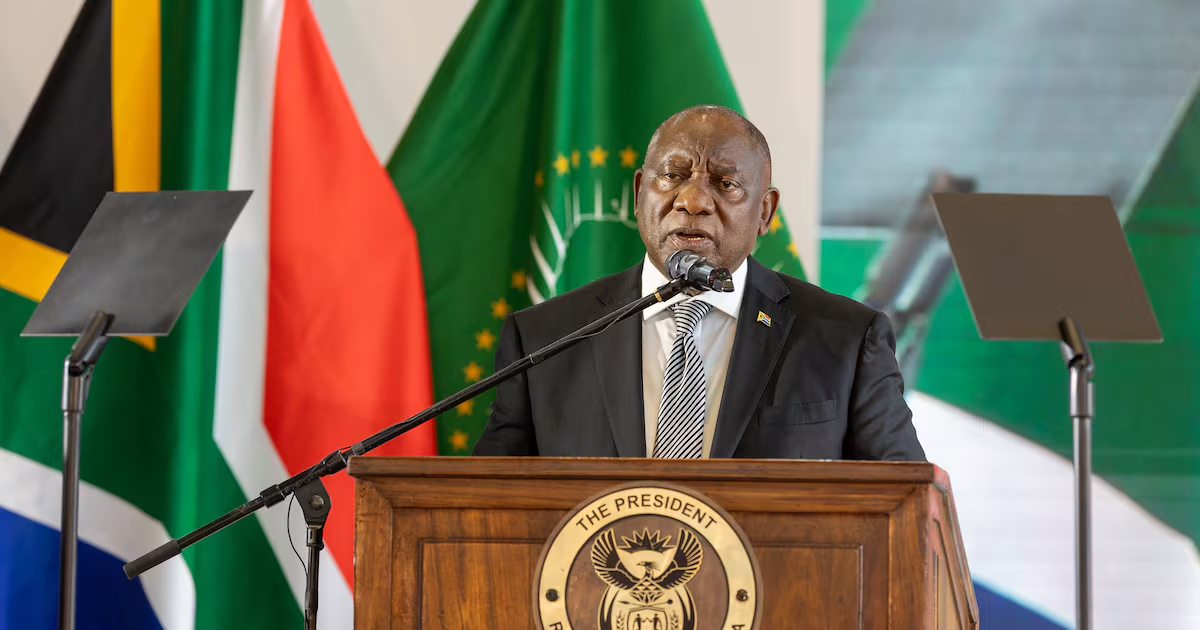
Over the past few months the government has been hallucinating and telling us that the economy has turned the corner. It has also gaslit those who questioned this narrative, which did not have any real economic data points to back it up.The Quarterly Labour Force Survey (QLFS) for the first quarter of 2026, which saw 345,000 jobs vanish in 90 days, has put the nail in the coffin of the idea that there are green shoots of an economic recovery. The survey shows that 258,000, or 73.7%, of these jobs were young people who became unemployed. Employment in seven out of 10 industries declined and the largest were community, personal and social services and construction, which shed 206,000 and 110,000 jobs, respectively. A breakdown of community, personal and social services provides proof that the Treasury’s decision to scrap the basic education employment initiative (BEEI), the largest programme within the Presidential Employment Stimulus (PES), was responsible for most of the job losses. From October 2020 to December 2025 the PES created 2.5-million work opportunities. The BEEI created 1.4-million work opportunities over the same period. From April to December 2025 it created 199,724 work opportunities. During the first quarter of 2026 there were 168,000 job losses in education and 41,000 in public administration. If it is committed to job creation, why would the Treasury stop funding one of the most successful public employment programmes since 1994? What logic is there in dashing the hopes of almost 200,000 young people to chase a primary budget surplus? There are now 13-million unemployed people. The unemployment rate for people of all races is 43.7%, for women of all races 48.6% and for Africans 47.8%. In the North West the unemployment rate is 54.8% and in the Eastern Cape it is 54.4%. The statistics show that President Cyril Ramaphosa has failed to reverse the tide of rising unemployment over the past eight years. From the fourth quarter of 2017 to the first quarter of 2026, the labour force increased by almost 4.4-million people and the economy created only 583,000 jobs. The number of unemployed people soared by almost 3.8-million from 9.2-million. The unemployment rate increased to 43.7% from 36.3%. The government of neoliberal unity has been a big fail for the economy and still does not have a plan to confront the jobs crisis after almost two years in office. Since the second quarter of 2024, the labour force increased by 693,000 people, but the economy created only 102,000 jobs. The number of unemployed people increased by 591,000. During the eight wasted years of the Ramaphosa presidency there was an annual average GDP growth rate of 0.6%. The IMF has forecast an annual average GDP growth rate of 1.3% during 2026-28. This means GDP per capita in 2028 will be lower than in 2007. On this trajectory, the number of unemployed people will continue to rise. After two decades of declining average living standards and soaring unemployment, it will be impossible for the electorate to continue to vote in the 2029 national election for the parties that keep dishing out the same disastrous macroeconomic policies. The truth is that this is the doomsday scenario the DA talked about during the 2024 election campaign. Soon, the party will be seen as complicit and an enabler of the collapse of the economy. Will it take 14-million or 15-million unemployed people for the electorate to punish the ANC and the DA and eject them from power? • Gqubule is an adviser on economic development and transformation.
DUMA GQUBULE | Ramaphosa presidency sees 3.8-million more unemployed
Despite government claims of economic progress, GDP growth remains sluggish
587 words~3 min read