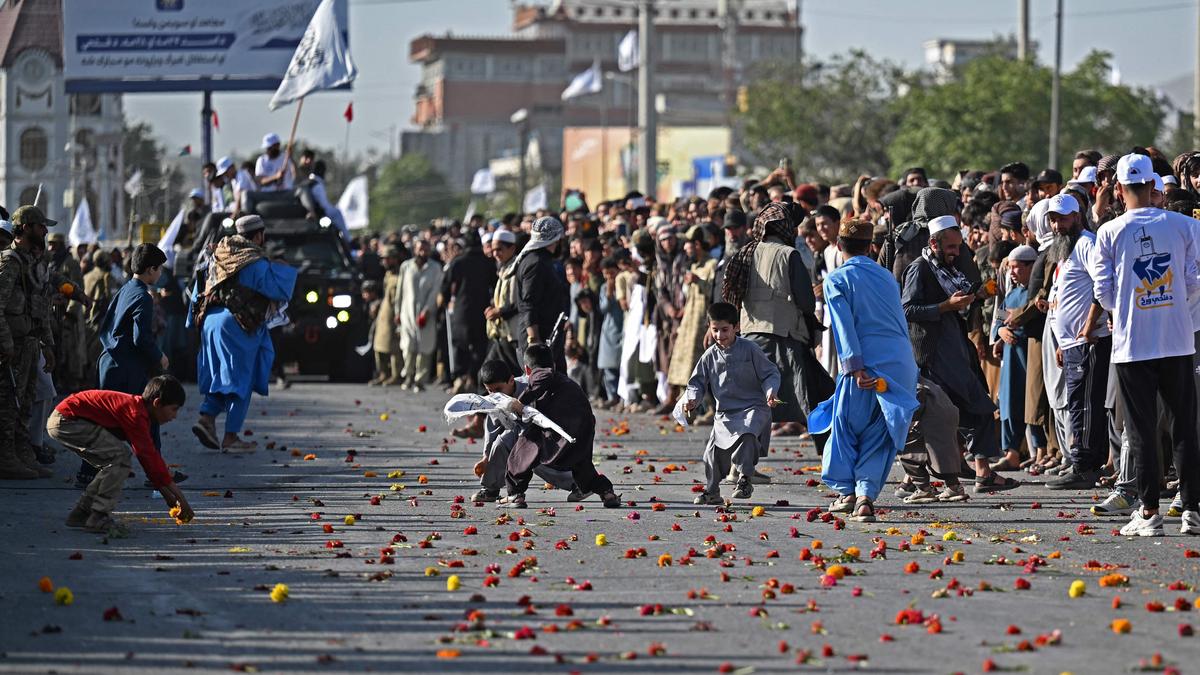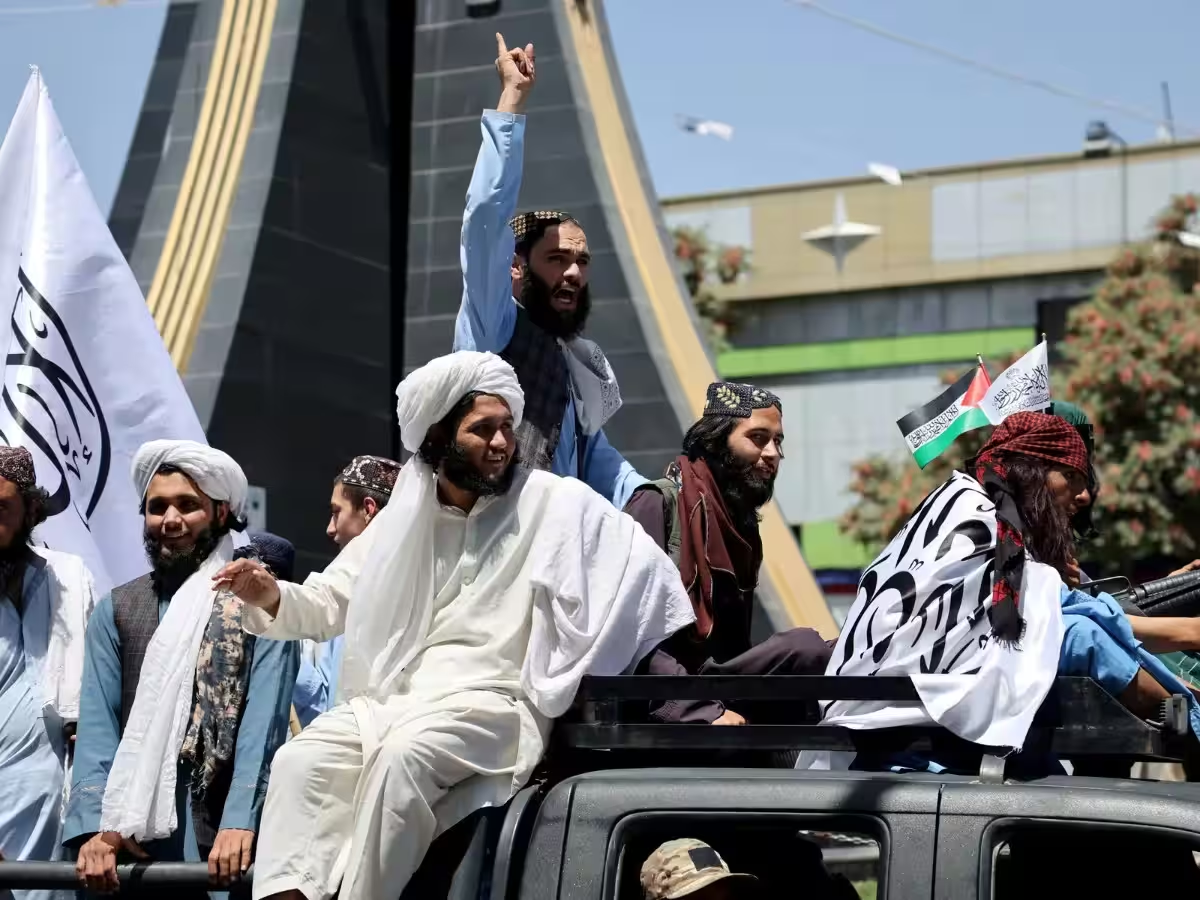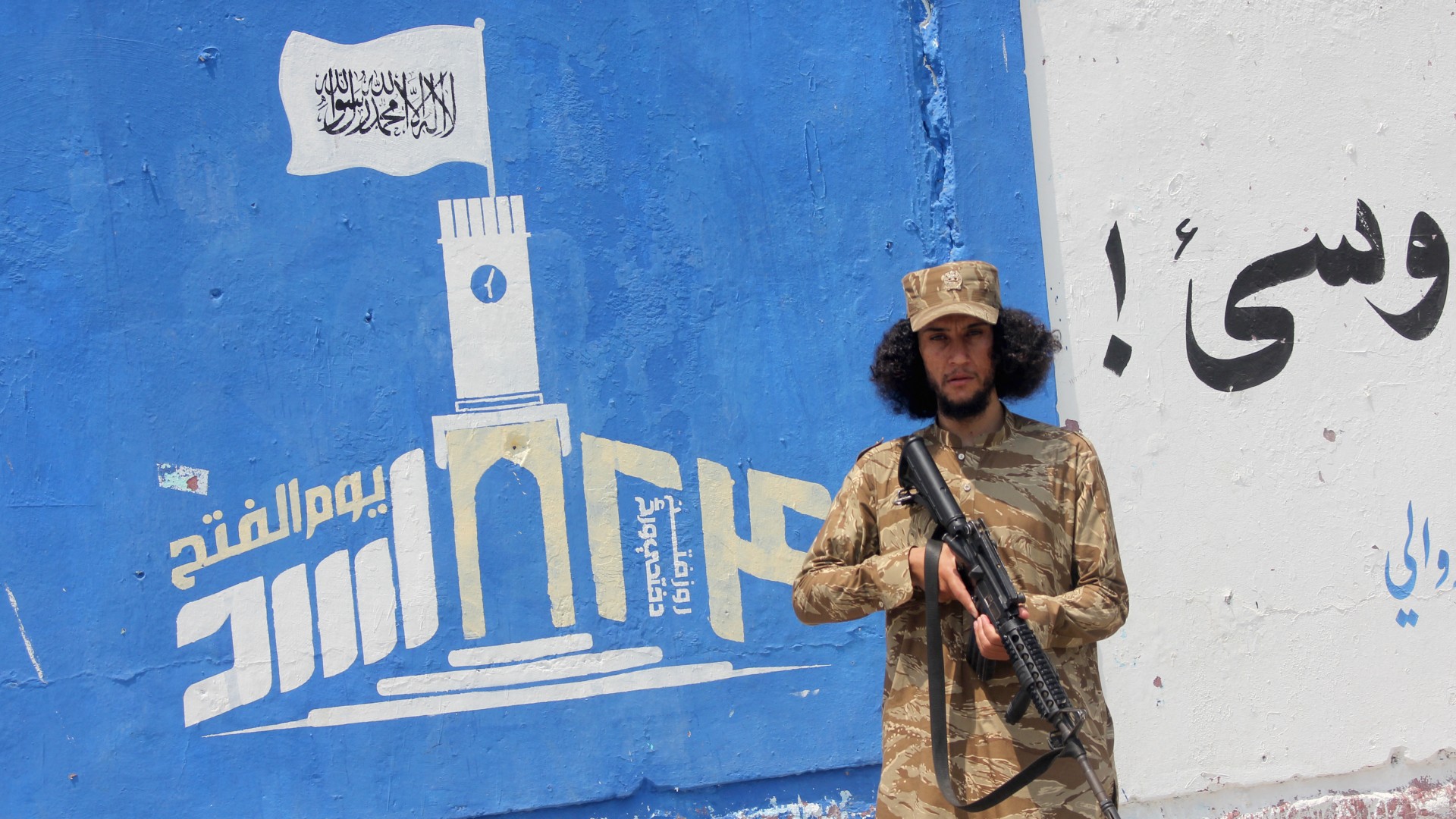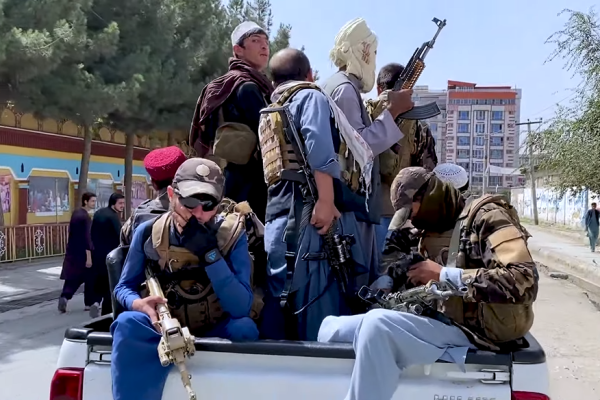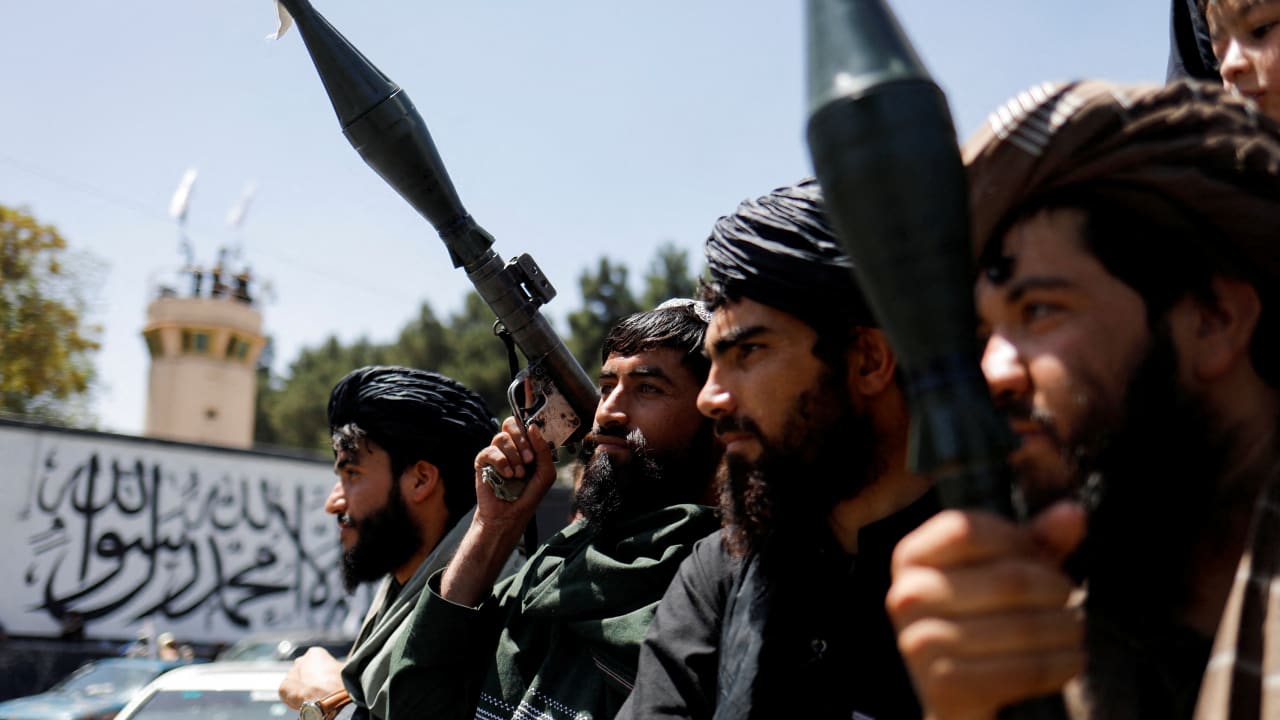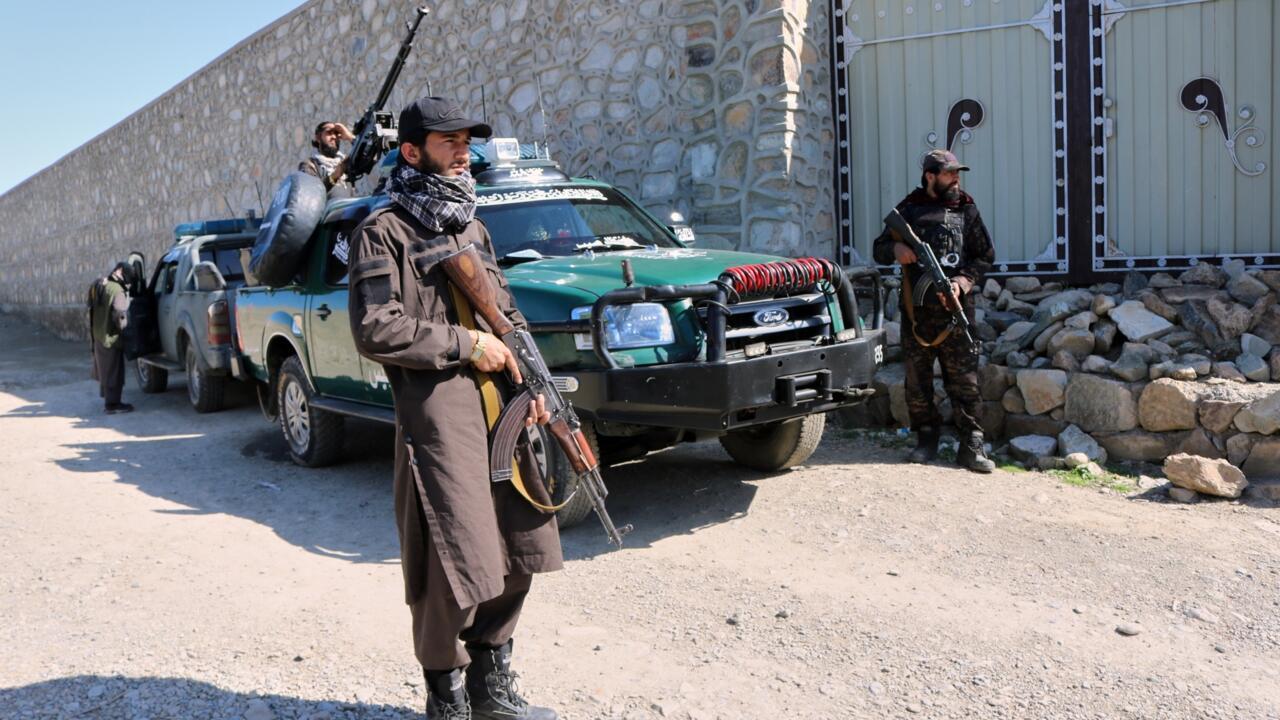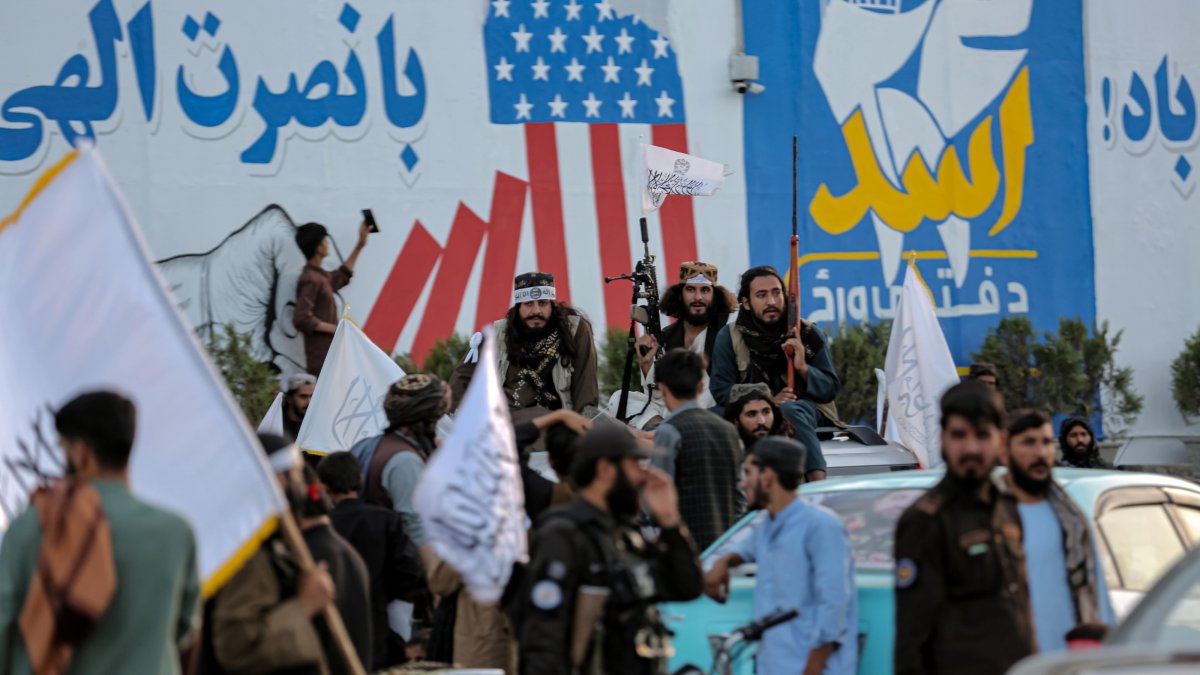
Over five years after the Taliban returned to power in Afghanistan, their survival is no longer the central question. They have consolidated their rule, outlasted international pressure, and begun building relationships with countries that once kept them at arm's length. The harder question now is whether five years of control can turn into a sustainable model of governance.
The Taliban have achieved something that the world once doubted was possible. They have largely maintained control over the country without a large-scale military challenge from an alternative government. The war that defined Afghanistan for more than two decades has ended now, and according to many Afghans, they feel safer than they did before. But a sense of security alone cannot solve Afghanistan's deeper problems. People still need jobs, education, healthcare and a much stronger economy. Ending a war and building a country are two entirely different things.
Around 21.9 million Afghans, or roughly 45% of the country’s entire population, are estimated to need humanitarian assistance in 2026. Afghanistan is also dealing with drought, natural disasters and weak economic conditions. The return of Afghans from neighboring countries, especially Pakistan, is placing additional pressure on communities that already have limited resources. Five years into Taliban rule, almost half the country still depends on some kind of aid.