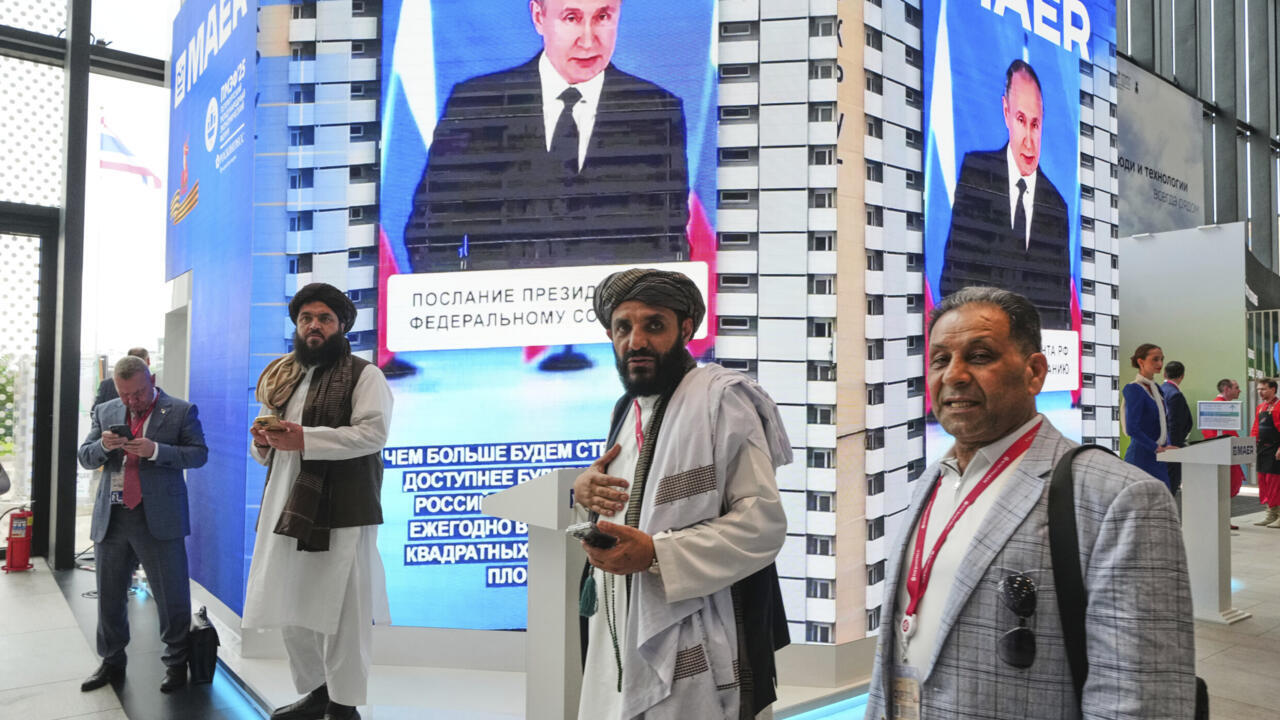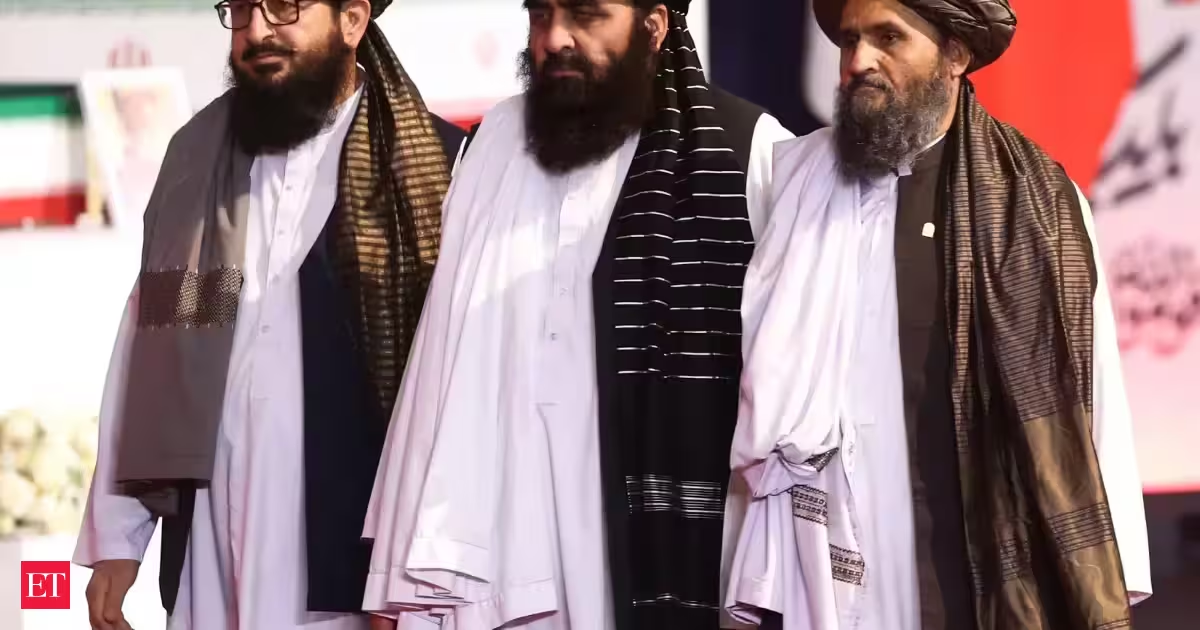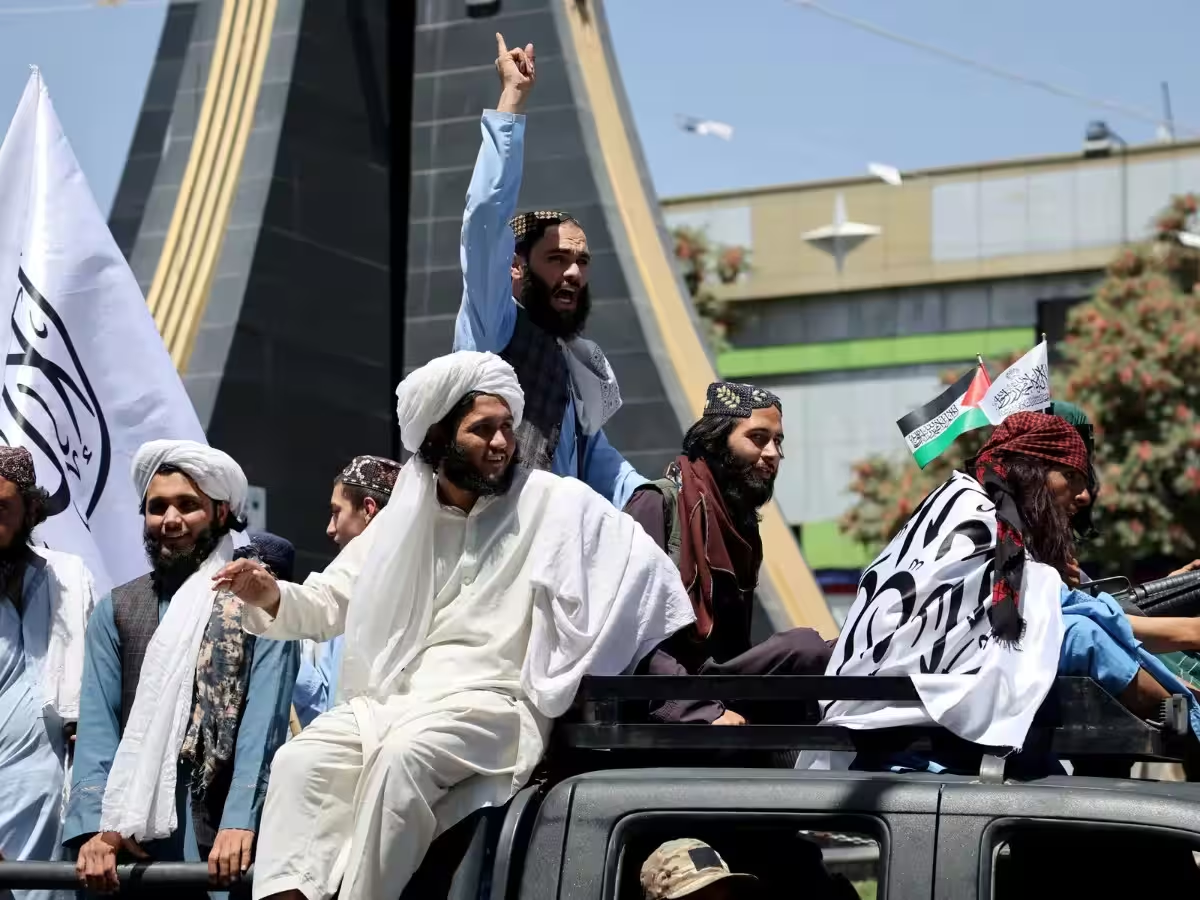
In the five years since the Taliban seized back power in Afghanistan, the country's worsening human rights record has drawn sanctions and aid cuts. But despite refusing to officially recognise the fundamentalist movement's government, some countries are concluding that engaging with the Taliban has become unavoidable.
Issued on: 15/08/2026 - 09:21
4 min Reading time
Since Kabul fell to the Taliban on 15 August 2021, Afghanistan has found itself isolated. Russia remains the only country to officially recognise the Taliban government, and many states are hesitant to engage. Most Western countries cut their aid packages in 2021 and have demanded to see domestic reforms on human rights before considering any formal recognition. Nevertheless, countries including the United Kingdom and members of the European Union have since had exchanges with Afghanistan's leaders, driven largely by practical considerations. In June, a delegation of Taliban officials flew to Brussels for talks with 15 EU nations about returning failed asylum seekers to Afghanistan. The decision to invite Taliban representatives drew criticism, including from EU lawmakers, while rights watchdogs slammed moves to return Afghans to a country where women and girls have been all but banished from public life and dissent of any kind remains dangerous. EU's push to deport Afghan refugees brings the Taliban back to the table 'Graveyard for human rights' The United Nations has characterised the Taliban's restrictions on women's education, employment and freedom of movement as "gender apartheid". Earlier this week, the UN reported that some 2.4 million girls are now denied access to secondary education in Afghanistan. Girls were barred from secondary schools in March 2022, with universities closed to young women later that year – a policy the Taliban authorities justify based on their interpretation of Islamic law.