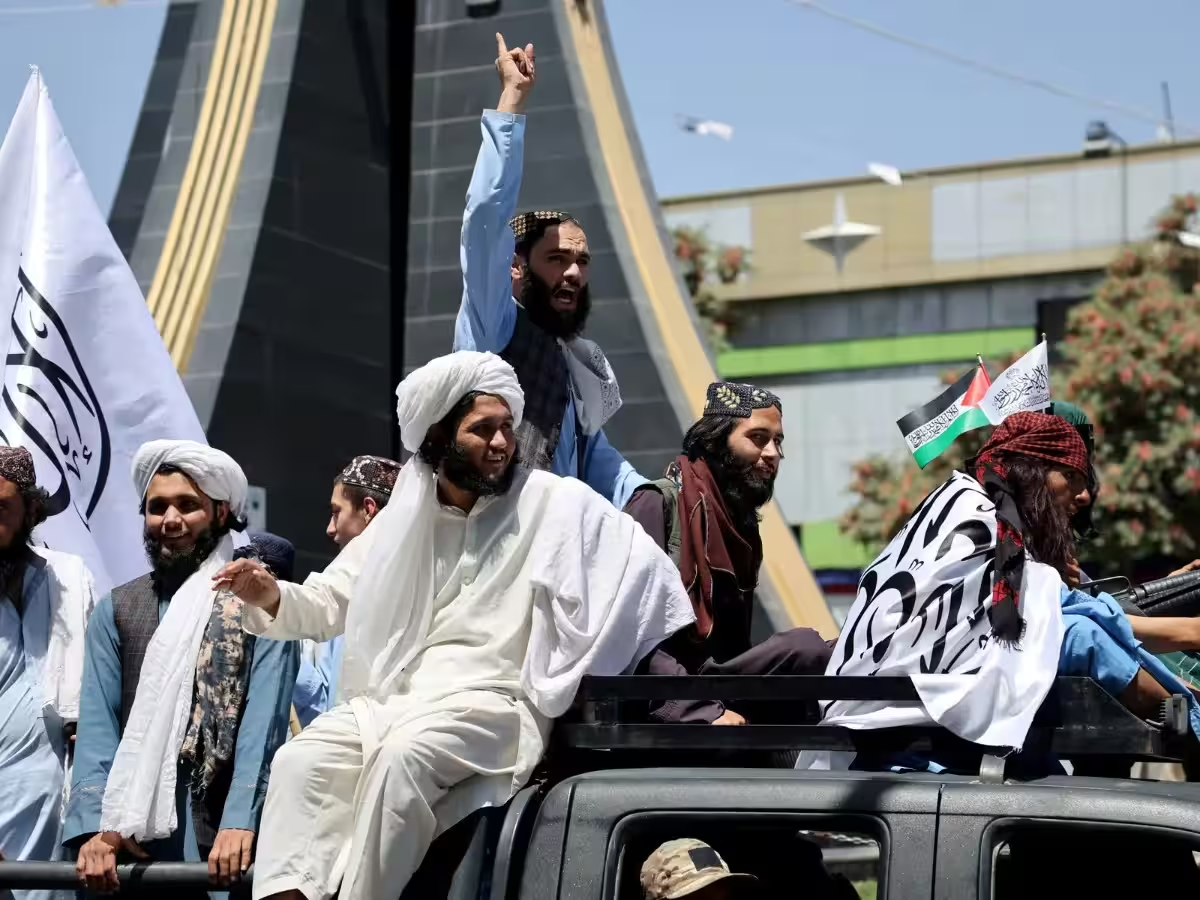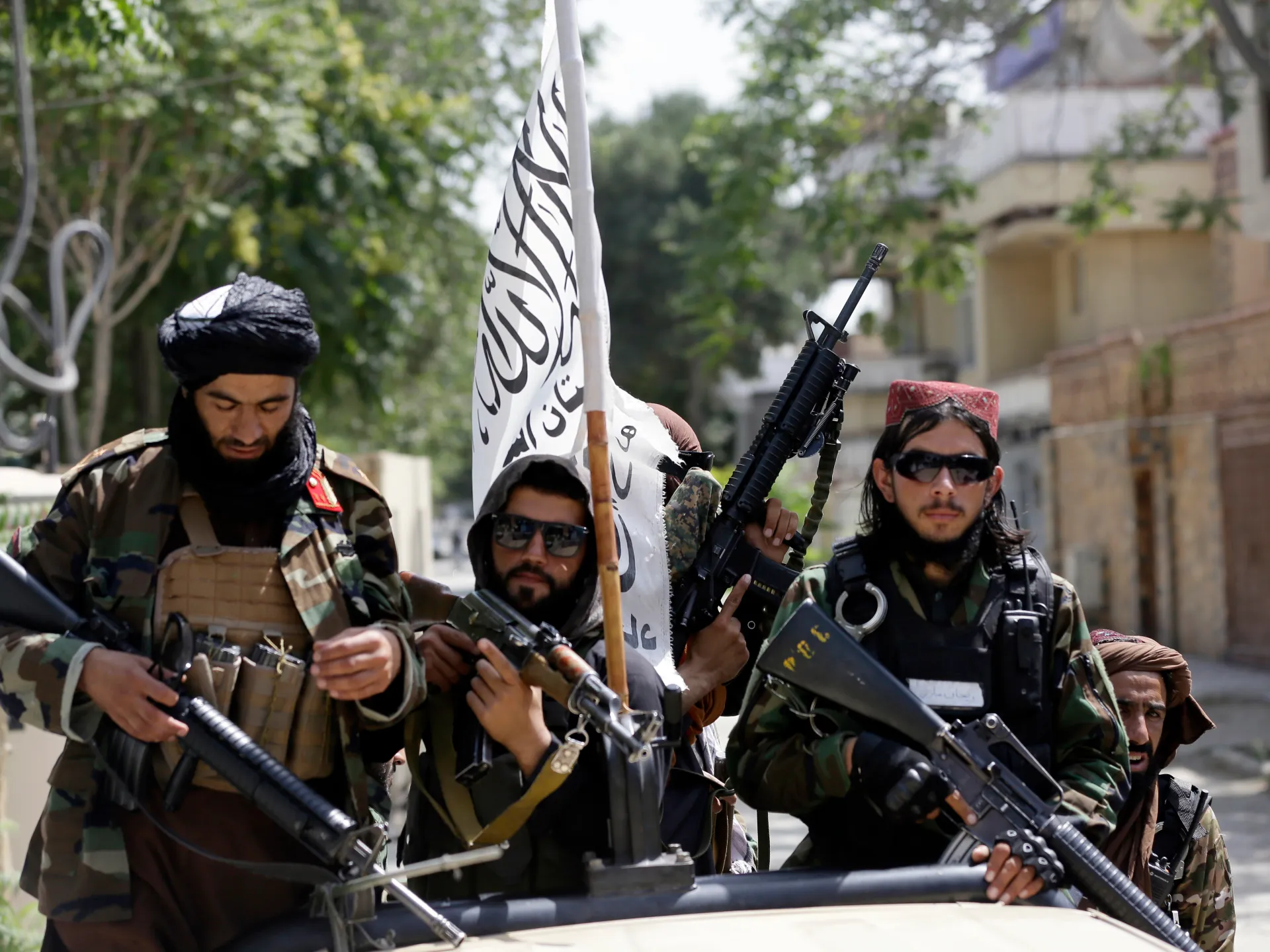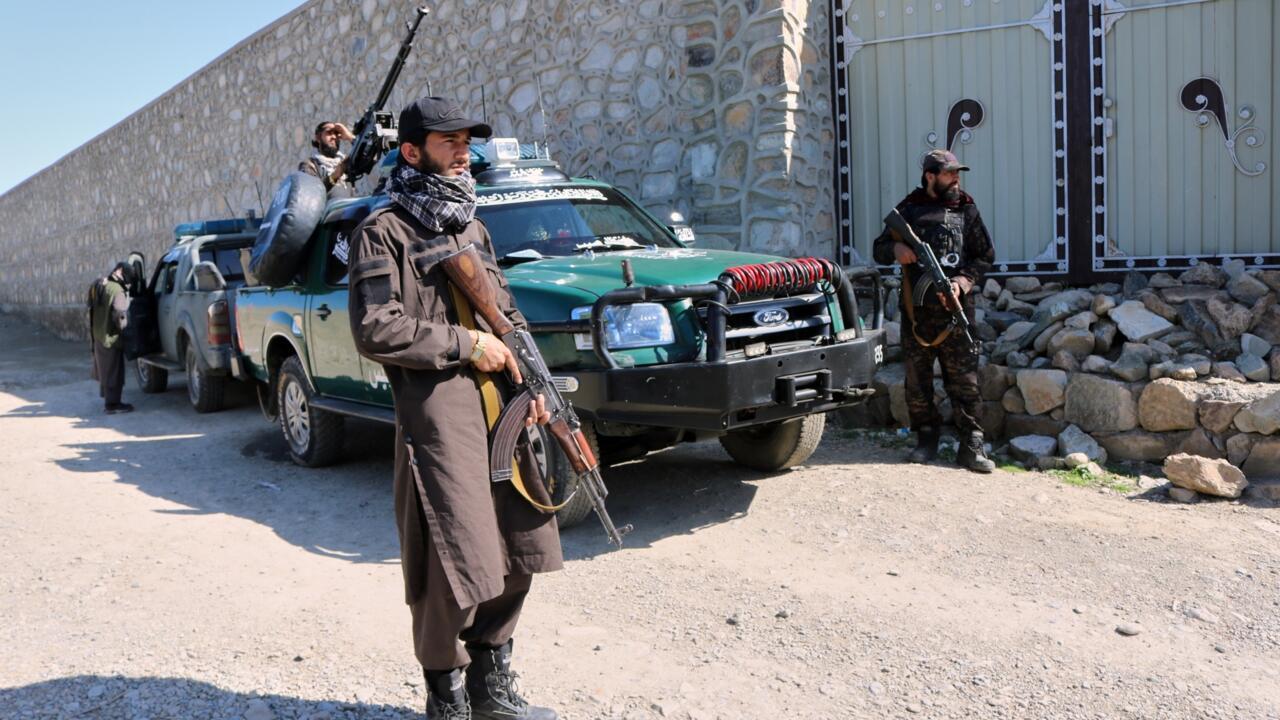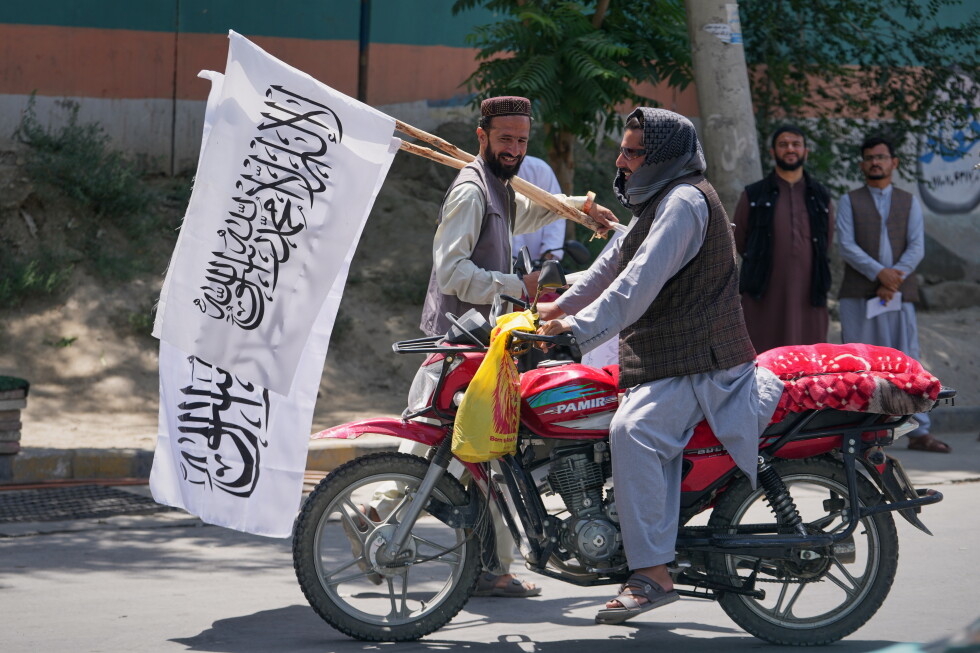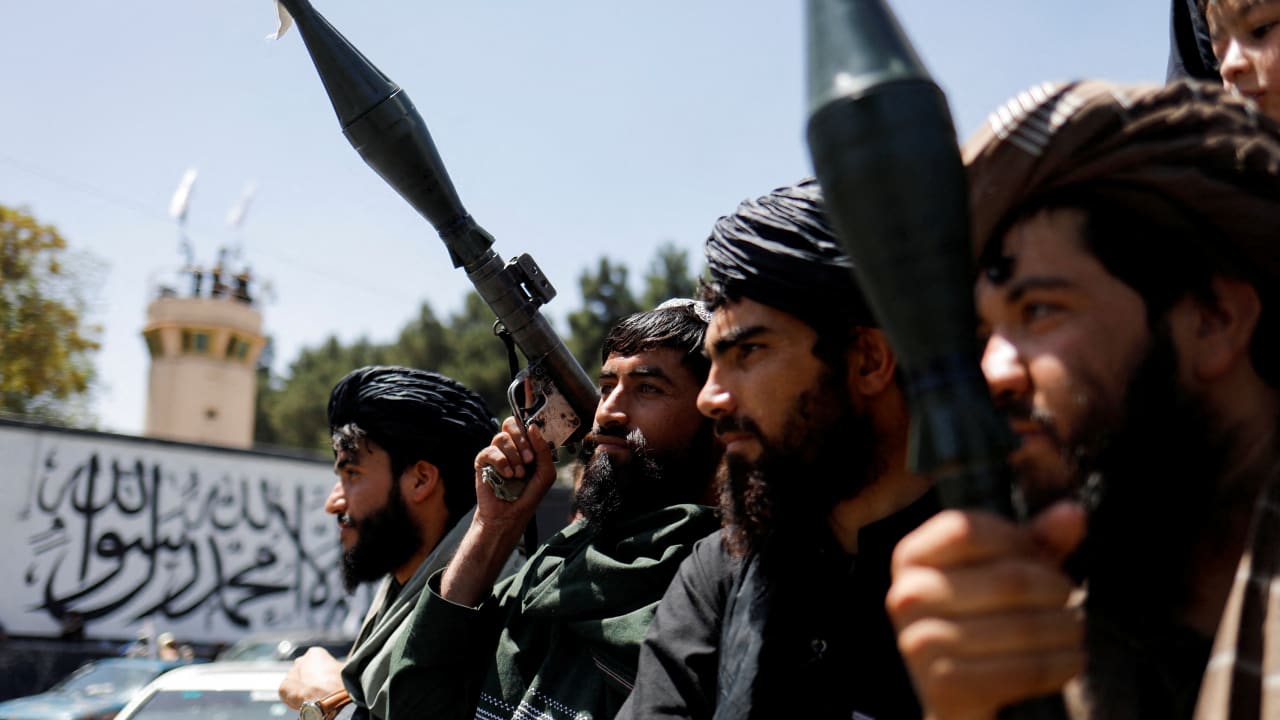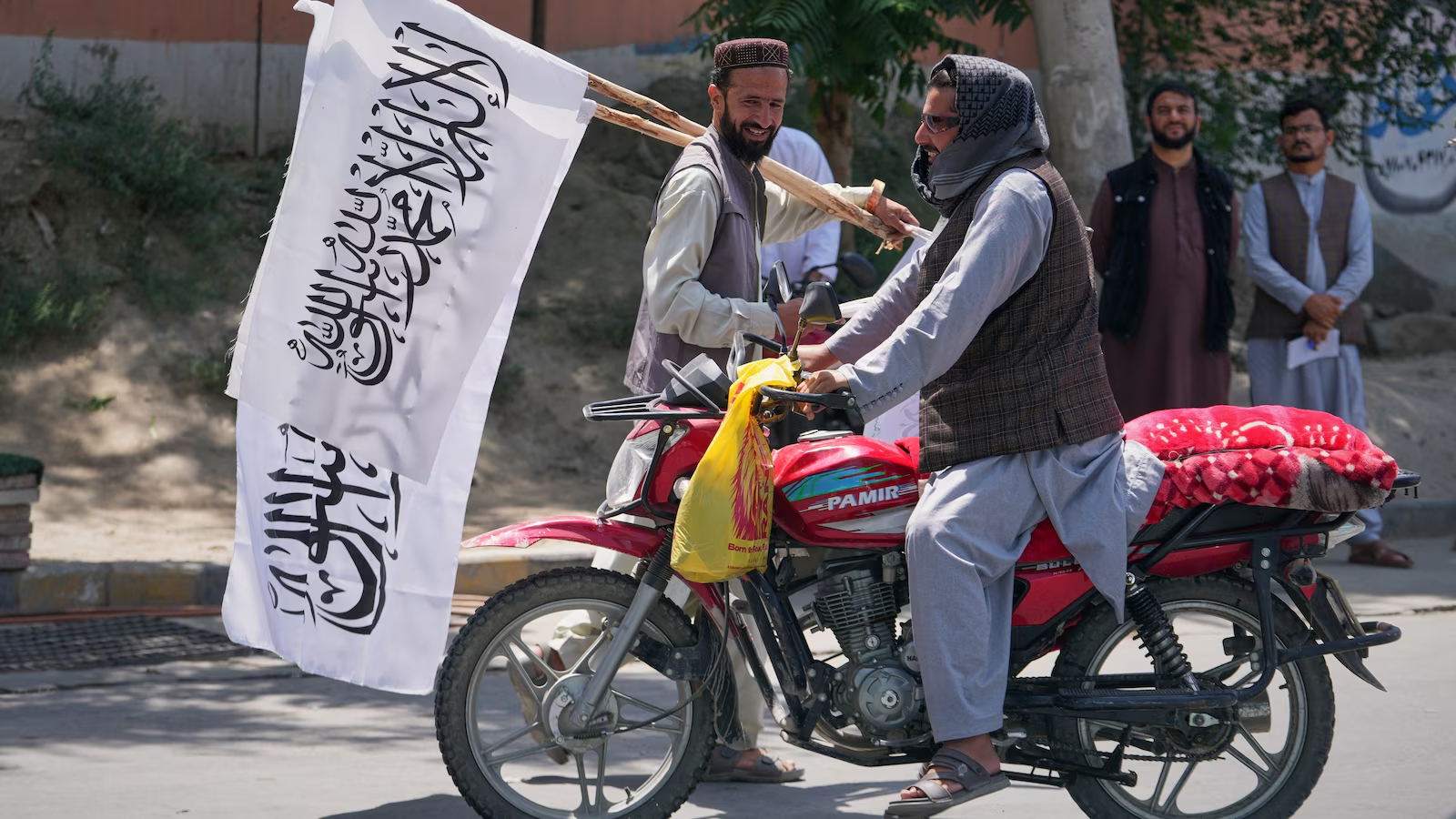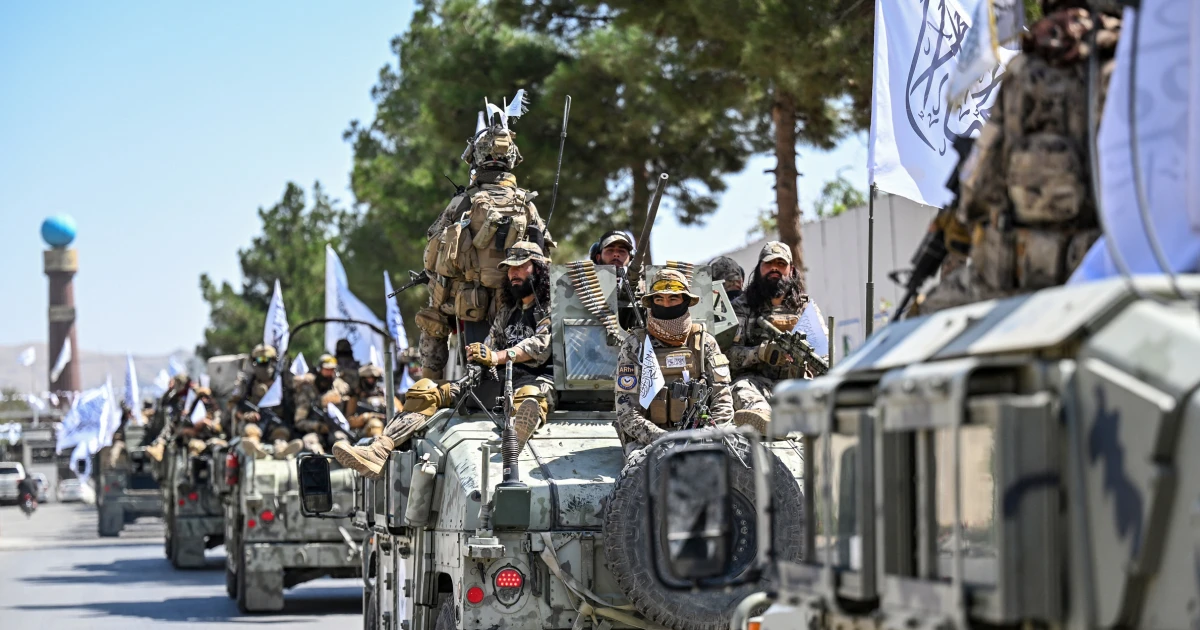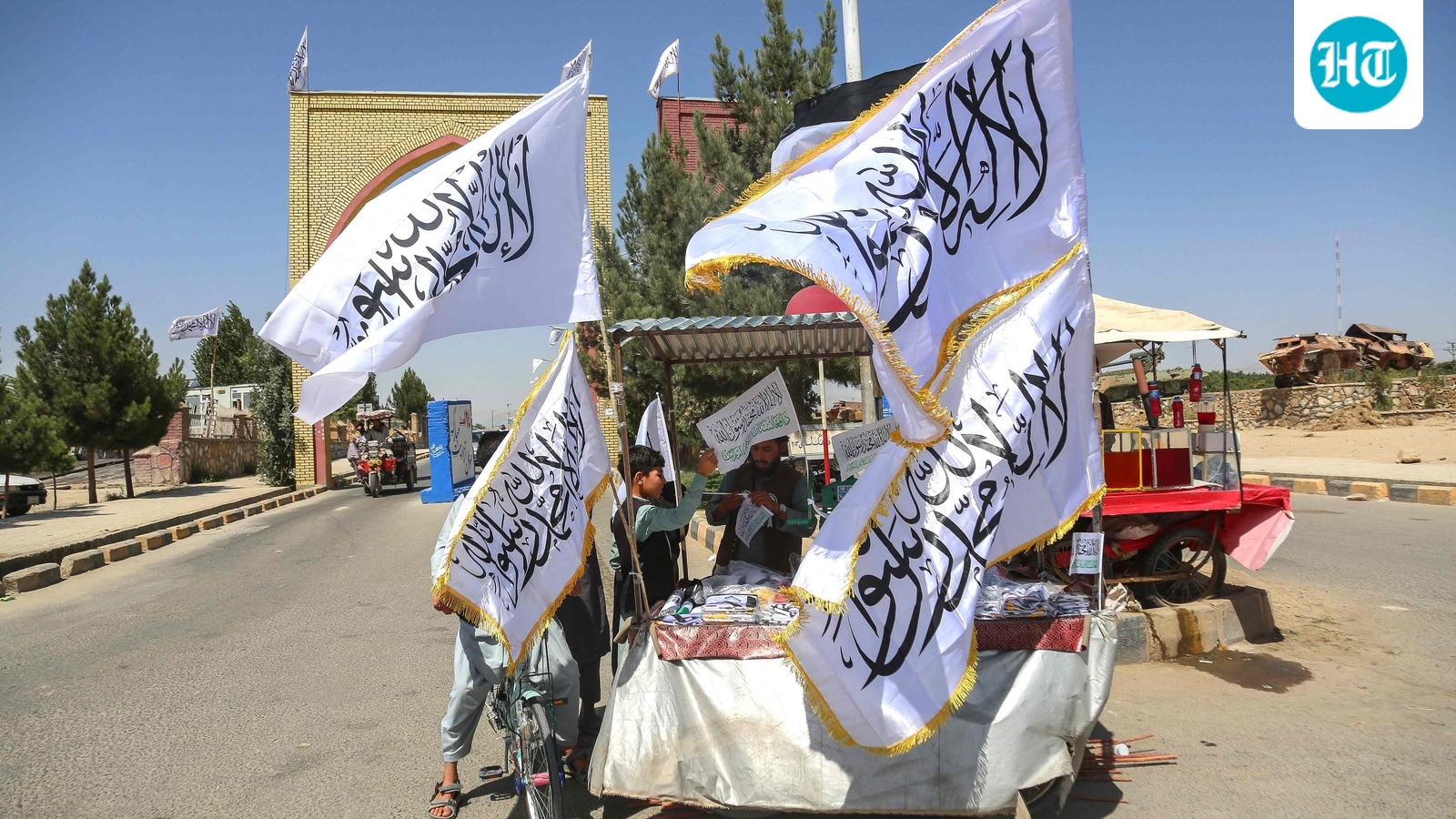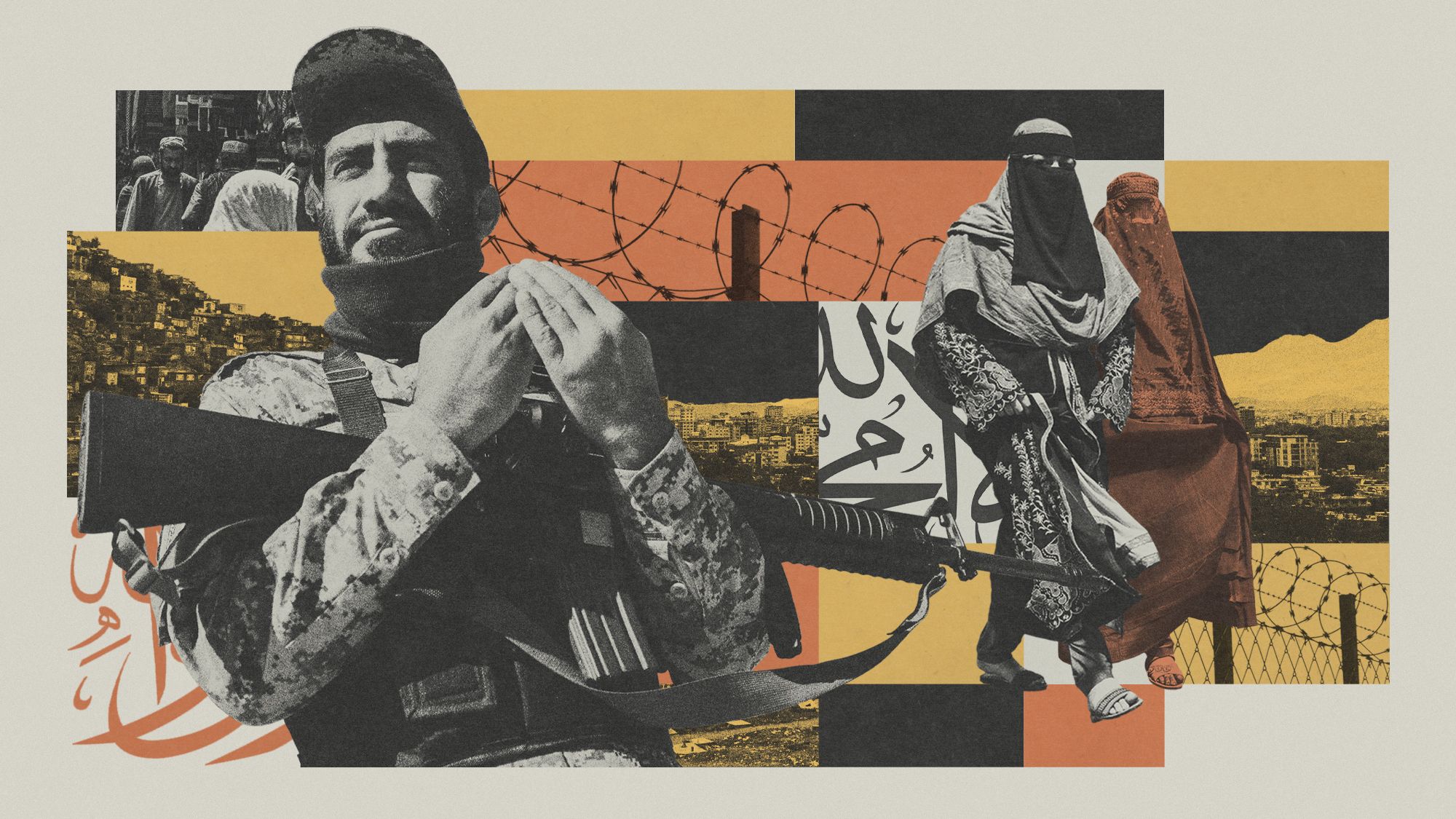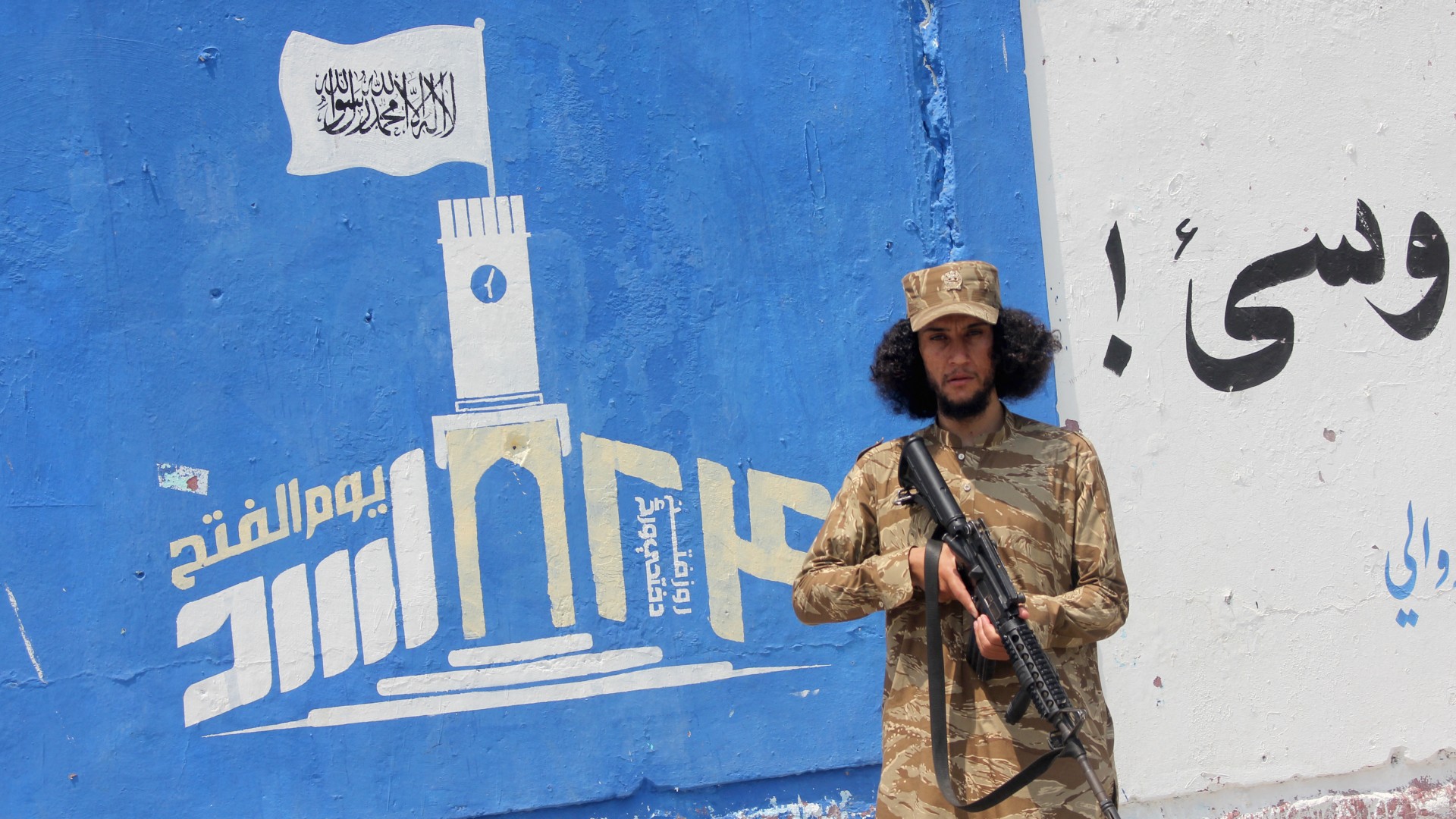
Five years after the Taliban’s return to power on 15 August 2021, Afghanistan has transformed from a chaotic battlefield into a functioning but deeply authoritarian state.
Foreign troops are gone, and fragmented opponents have failed to mount a significant challenge to Kabul’s centralised control. The movement has established a degree of internal security unimaginable under the previous government.
However, this stability rests on systematic exclusion, most notably of women, leaving the nation economically fragile and politically isolated. While the Taliban have proven they can govern without western support, they remain an international pariah managing a historic humanitarian crisis.
Afghanistan today is quieter than before 2021, but it is also poorer, more isolated, and severely repressive towards half its population.
The regime’s primary achievement in its first five years was territorial consolidation. The next five will test whether it can survive mounting internal and external pressures.