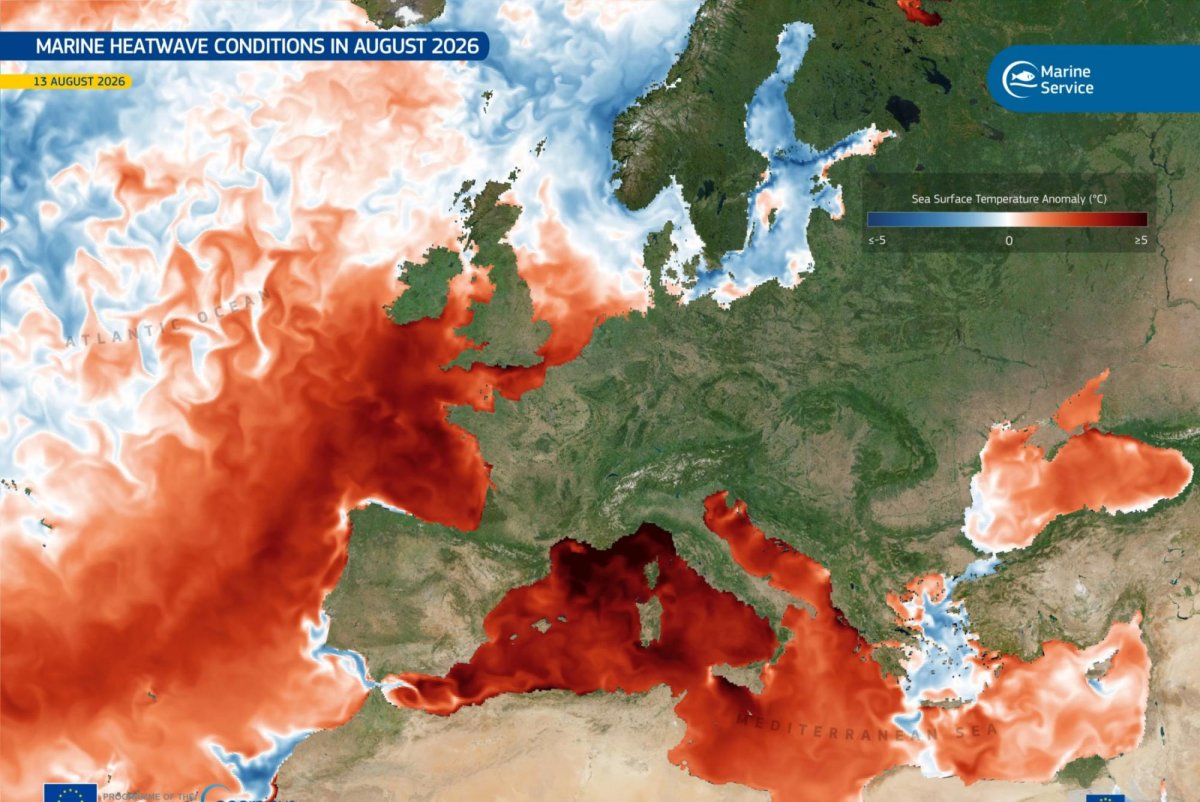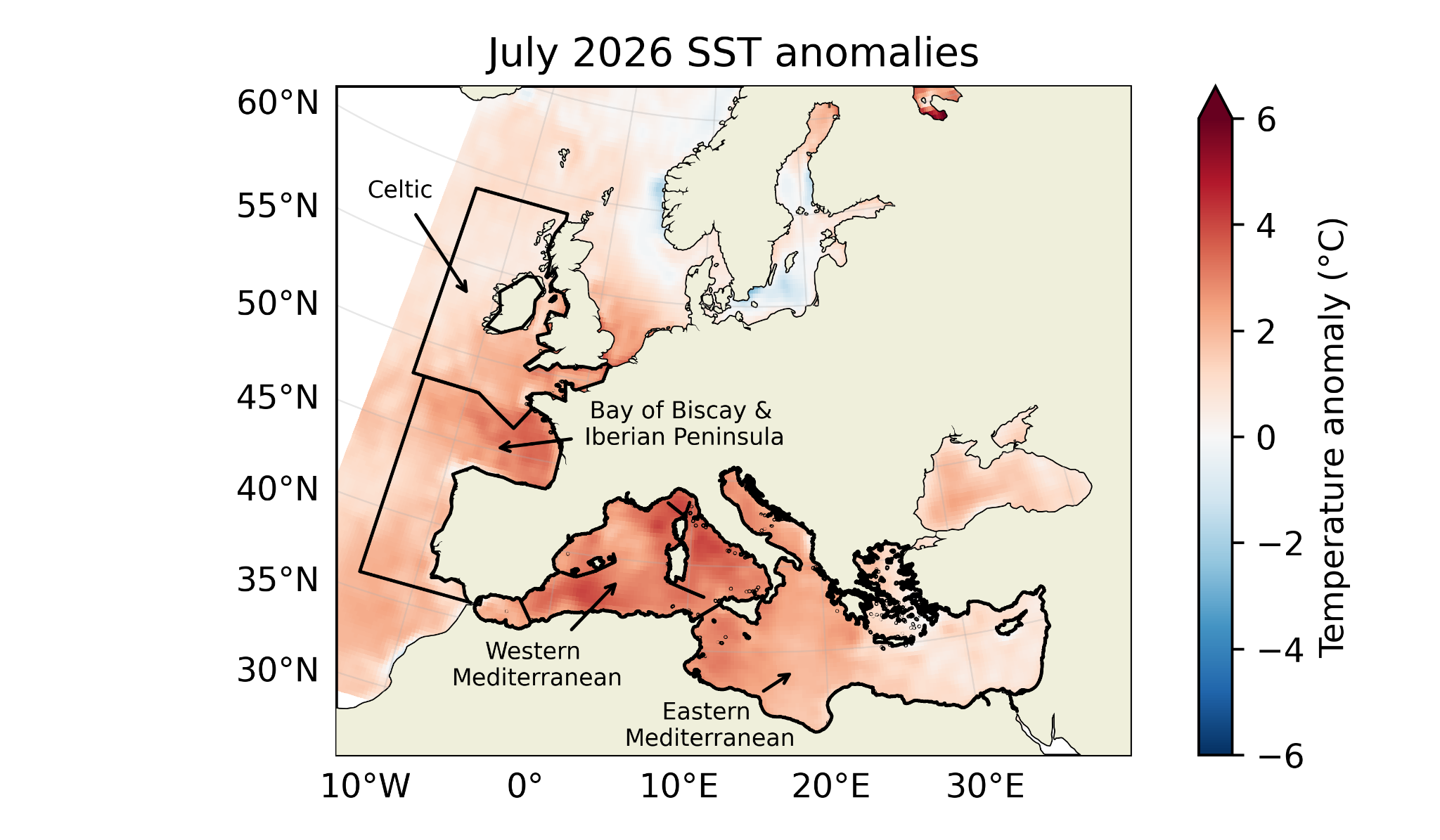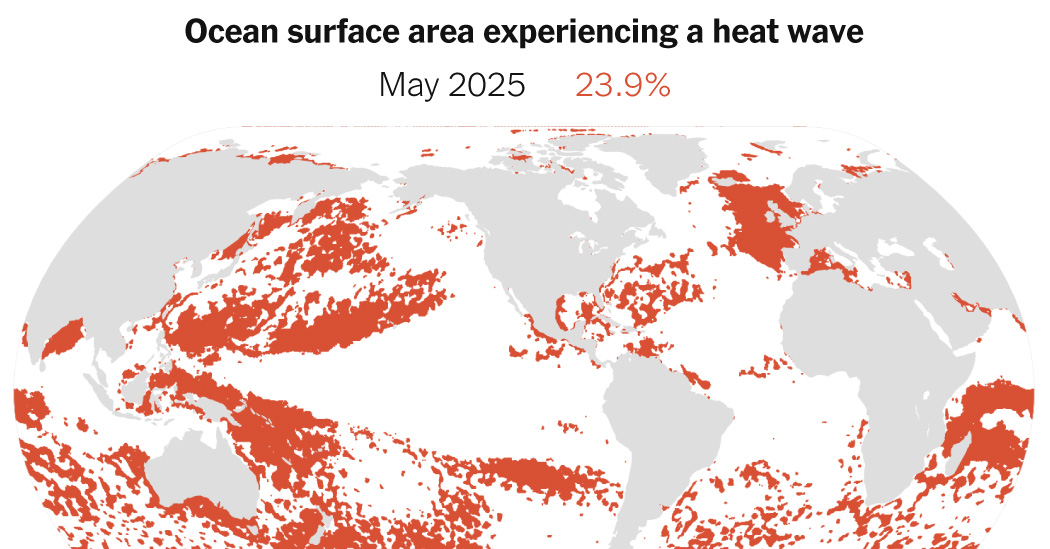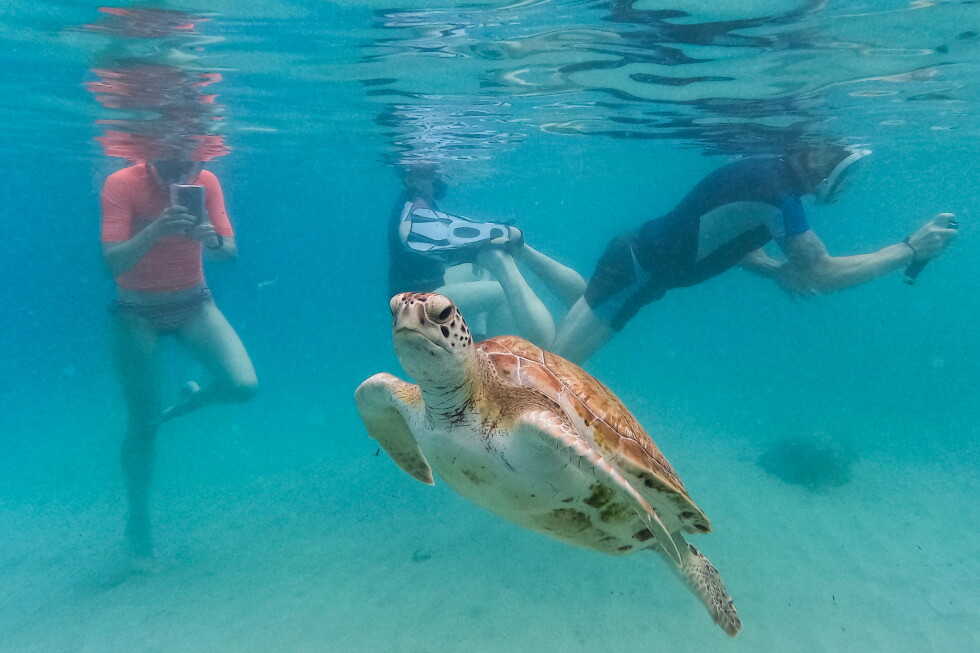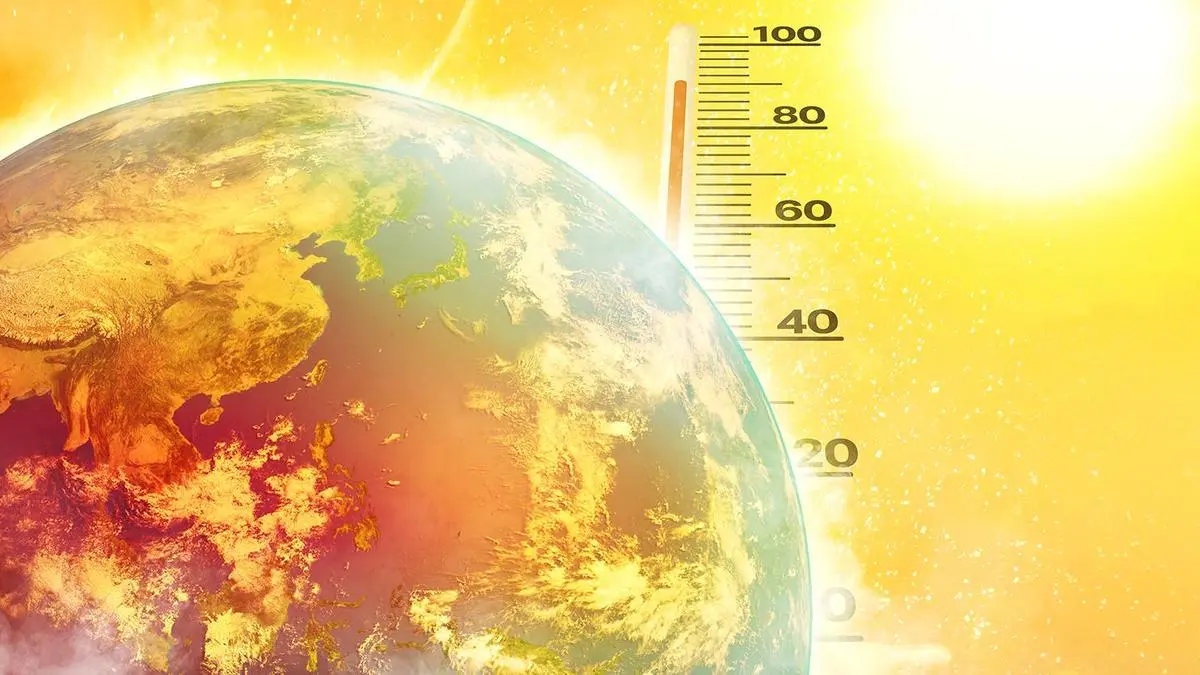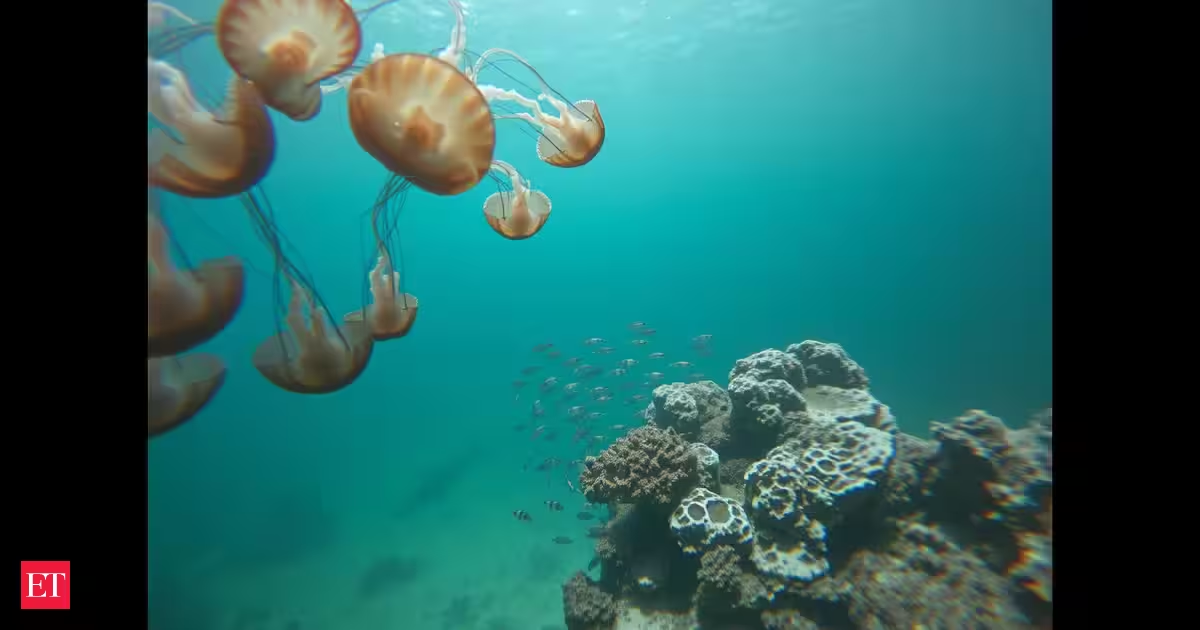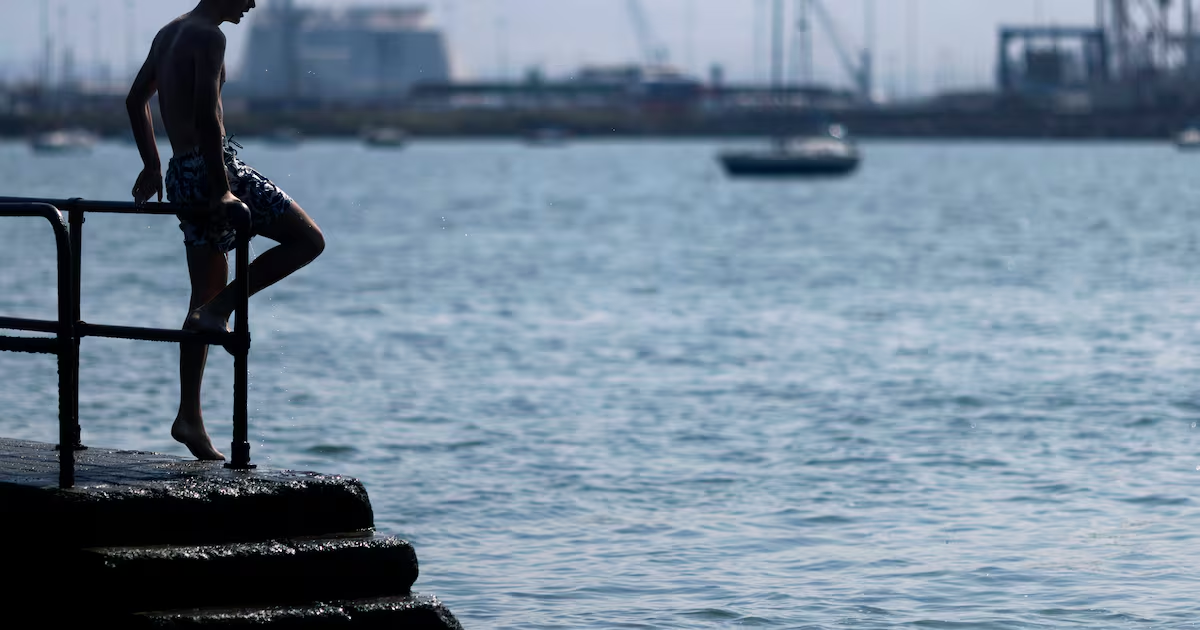
Global heating truly is global, affecting everything on the planet. It is sometimes easy enough to forget this, with spectacular wildfires burning up swathes of Europe this summer. But climate change is affecting our marine systems as much as land-based ones, with equally catastrophic results.That is made disturbingly clear in the latest report from World Weather Attribution, an international team of researchers who provide reliable and rapid analysis of extreme weather events.In a context where Europe has become the fastest warming continent on Earth, it now transpires that climate change is also driving unprecedentedly high European ocean temperatures.This was reflected in record sea surface temperatures (SSTs) along the Atlantic’s European coast and in the western Mediterranean this year. SSTs were already six degrees Celsius higher than normal in the Mediterranean in June.While Irish waters were much less extremely affected than the Mediterranean, their July temperatures, at 1.3 degrees above normal, are still cause for considerable concern; even a one degree rise can damage marine biodiversity severely.Warmer seas can seem superficially attractive in a country like Ireland. But the European Centre for Disease Control has warned that high temperatures increase the risk of water-borne diseases– such as vibriosis– affecting both humans and marine life. And in hotter areas higher sea temperatures can cause unbearable seaside humidity. High sea temperatures can also result in extreme weather events on land: the disastrous Valentia floods of 2024 were linked to extreme rainfall resulting from rapid marine evaporation.But the immediate damage marine heating is doing is to life beneath the waves. It affects the distribution and abundance of many species important for our fishing industries, from cod to haddock, from mackerel to salmon. And as species like sprat are forced to move north to cooler waters, they affect entire food webs, moving outside the range of seabirds that critically depend on them to feed their young on our rocky coastlines.We ignore all these less visible impacts of climate change at our peril, not to mention the more dramatic changes down the line, like the weakening or even collapse of the Gulf Stream, which would radically cool western Europe.On land and sea, then, this year has brought us incontrovertible evidence that global heating is a real and present danger, which puts our welfare, our economies and ultimately our civilisations at unacceptable risk. All the more baffling, then, that Ireland continues to fall far beyond its climate targets at home, while on continental Europe the right-wing politicians actively campaigns against the very “net zero” strategy that stands a chance of halting and reversing this existential threat.
The Irish Times view on sea temperatures: further signs of global warming
A less visible but vital impact of climate change
429 words~2 min read