If you liked this story, share it with other people.
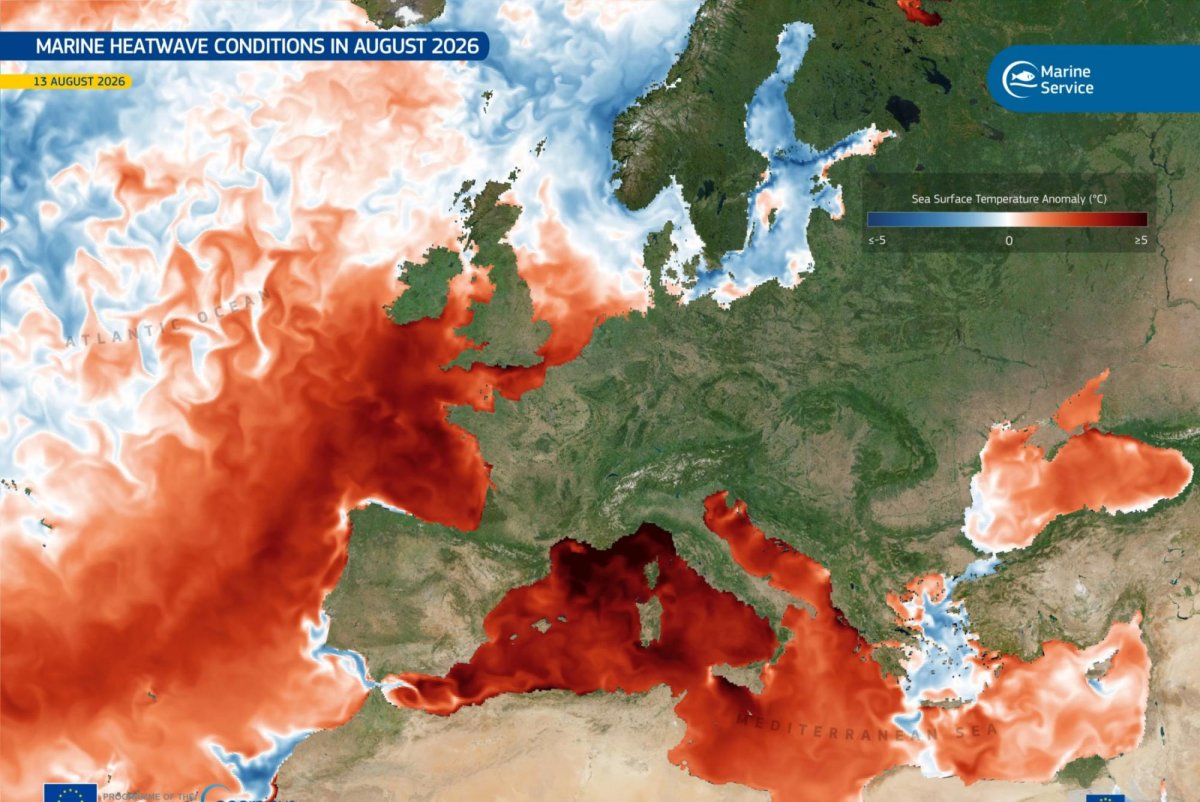
European coastal waters recorded unprecedented sea surface temperatures in July 2026. A new study has found that human-induced climate change primarily drove the temperature surge, pushing marine ecosystems past their limits.
The rapid analysis was conducted by World Weather Attribution (WWA), a global network of researchers who analyze the influence of climate change in extreme weather events.
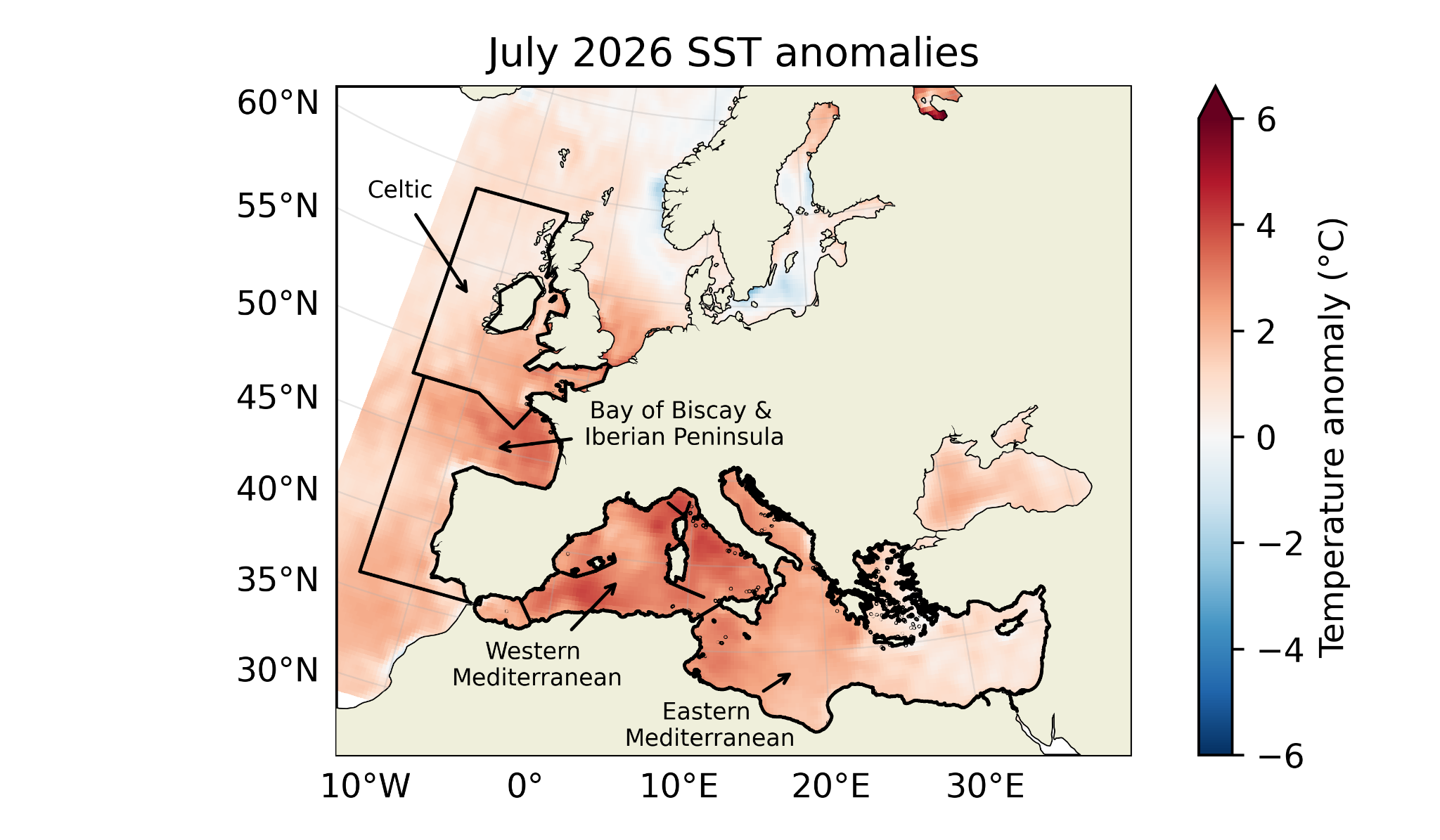
WWA scientists focused their analysis on the warmest 14-day periods within July. They chose this specific time frame because sea surface temperatures normally peak in late summer (August-September). The authors analyzed July to isolate how early-season ocean heat is changing as the planet warms.
Across all four regions studied — the Celtic Sea, the Bay of Biscay and Iberian Peninsula (BIP), and the western and eastern Mediterranean — these sea surface temperatures averaged 2.4° Celsius (4.3° Fahrenheit) warmer than historical July baselines. In individual basins, the Celtic Sea was 1.9°C (3.4°F) above normal, while the Eastern Mediterranean was 2°C (3.6°F) hotter than typical July conditions.