The exceptional heatwave across Europe this week would have been "virtually impossible" 50 years ago without human-caused global warming, according to a rapid study by the World Weather Attribution (WWA) group published Friday.
Issued on: 26/06/2026 - 09:06
2 min Reading time
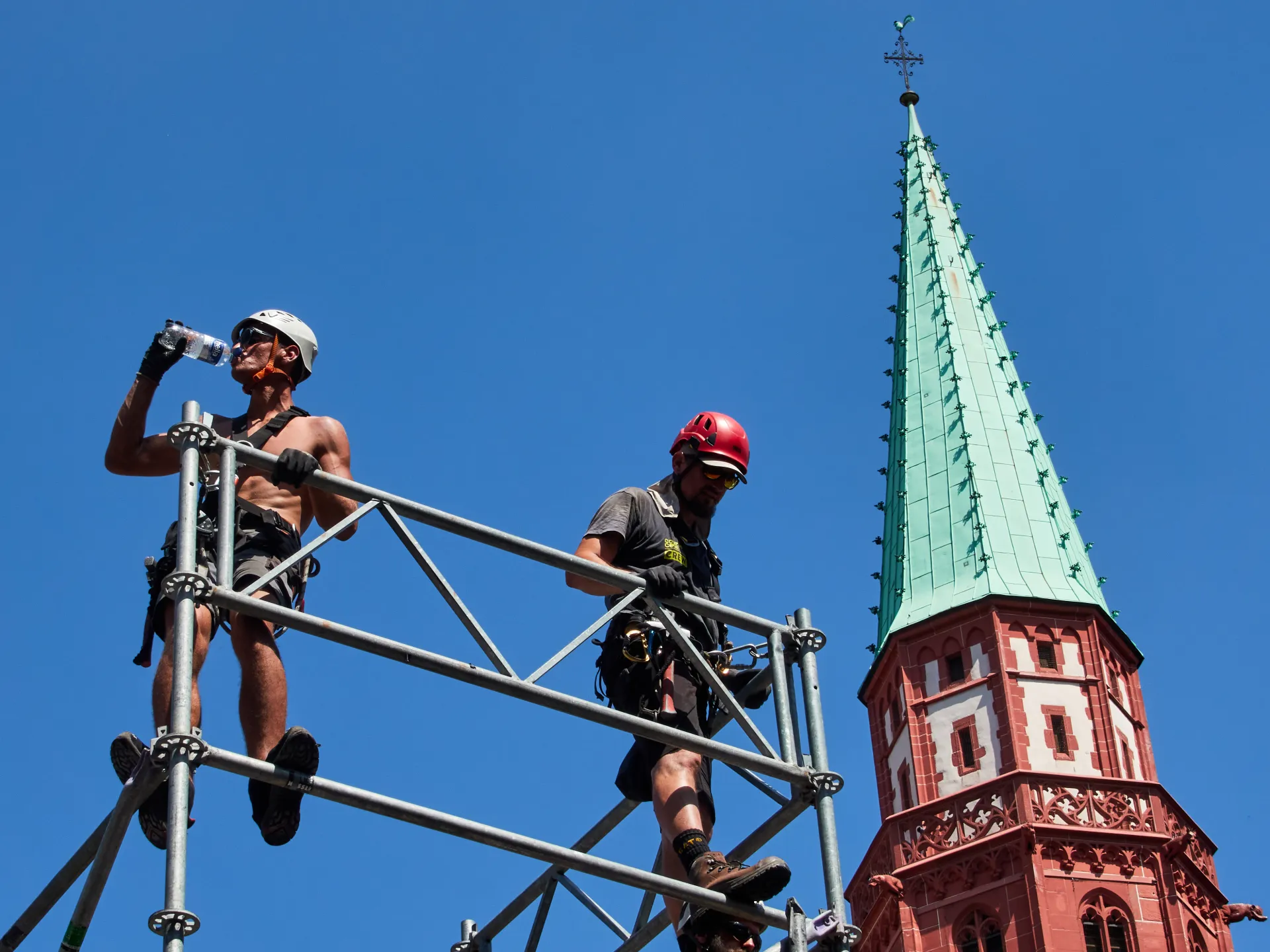
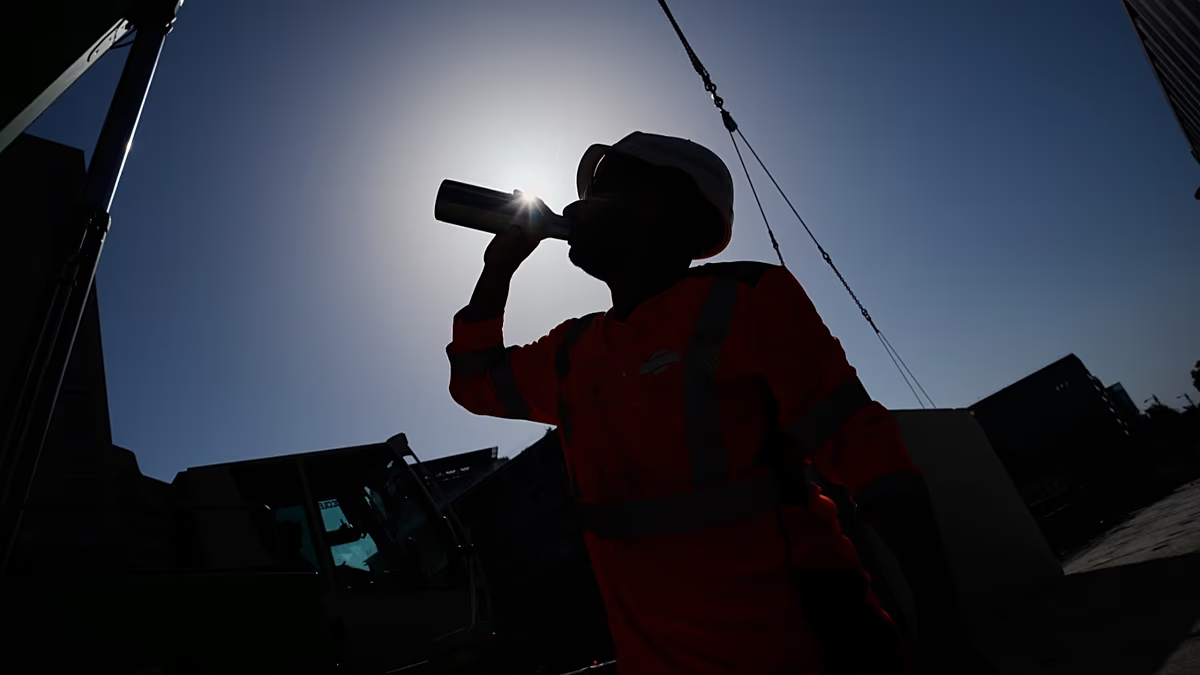
WWA researchers said that the extreme temperatures are now up to 200 times more likely than just two decades ago. Millions of people across France, Spain, Italy and the UK have faced temperatures above 40C this week. France recorded a record 44.8°C in Prunier, central France, on Thursday. The intense heat has been linked to dozens of deaths and disrupted power supplies, schools and tourist sites across parts of Europe. The scientists compared the current heatwave with how the same weather pattern would have unfolded in 1976 and 2003 – years when heatwaves also occured. They found an equivalent event in June 1976 would have been around 3.5C cooler during the day and significantly cooler at night, while one in 2003 – when tens of thousands of people died across Europe – would have been about 2C cooler. The study warned that unusually warm nights pose a particular health risk because they prevent the body from recovering from daytime heat. In parts of France, overnight temperatures have remained above 20C for more than a week. Why is Europe heating twice as fast as the rest of the planet? 'El Nino' not responsible "The weather pattern itself is not particularly unusual, but the temperatures are – or at least they used to be, withyout human-induced climate change," said Friederike Otto, professor of climate science at Imperial College London and co-founder of the WWA. "Climate change is unequivocally to blame." The El Niño weather pattern – a natural warming climate phase – has "no role in driving the heat", the authors said. Scientists have long said carbon emissions from burning coal, oil and gas are making heatwaves more frequent and more intense. Europe is the world's fastest-warming continent and global average temperatures are now about 1.4C above pre-industrial levels. "Scientists like me are beginning to sound like a broken record," Otto said. "We put out similar quotes year after year, reacting to heat extremes that climb ever higher. Yes, this is climate change, yes, it's us, no, it's not El Nino. Yes, we have the solutions. No, we're not implementing them fast enough." El Nino threat grows as Europe prepares for another hot summer The study found that nearly half of the 850 European cities analysed have reached or were forecast to reach record heat-stress levels, combining temperature and hummidity, increasing the risk of heat-related illness. (with newswires)