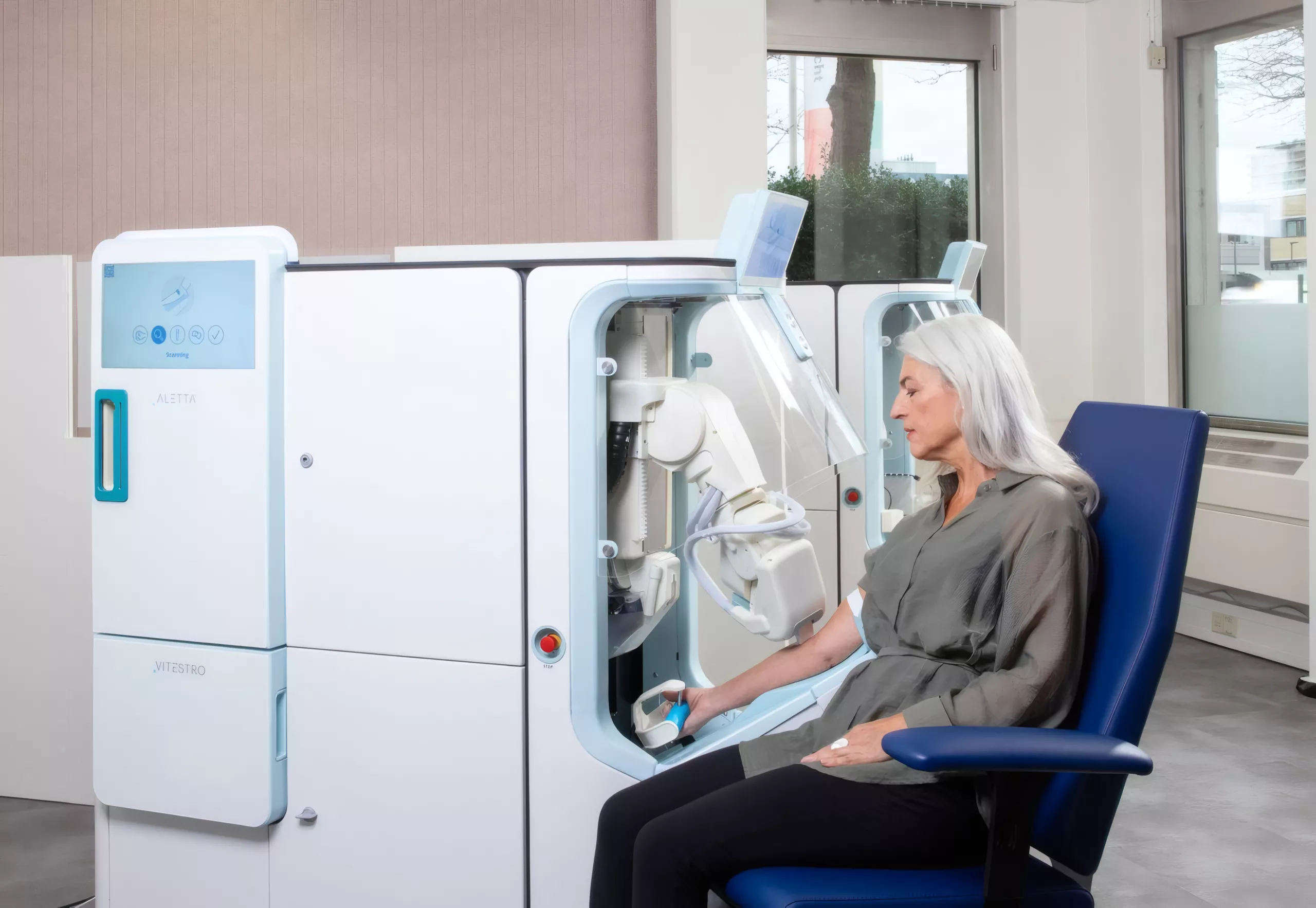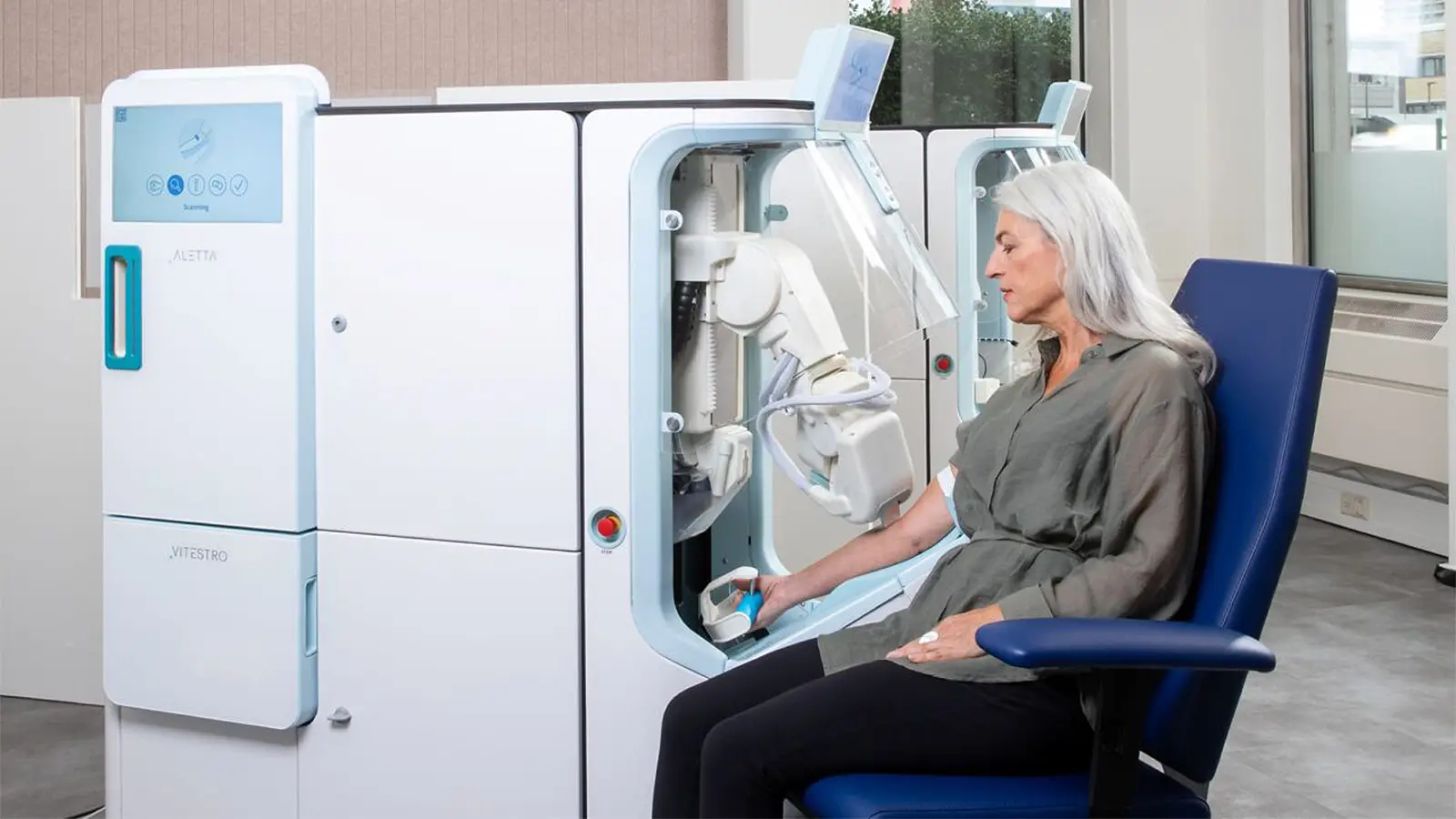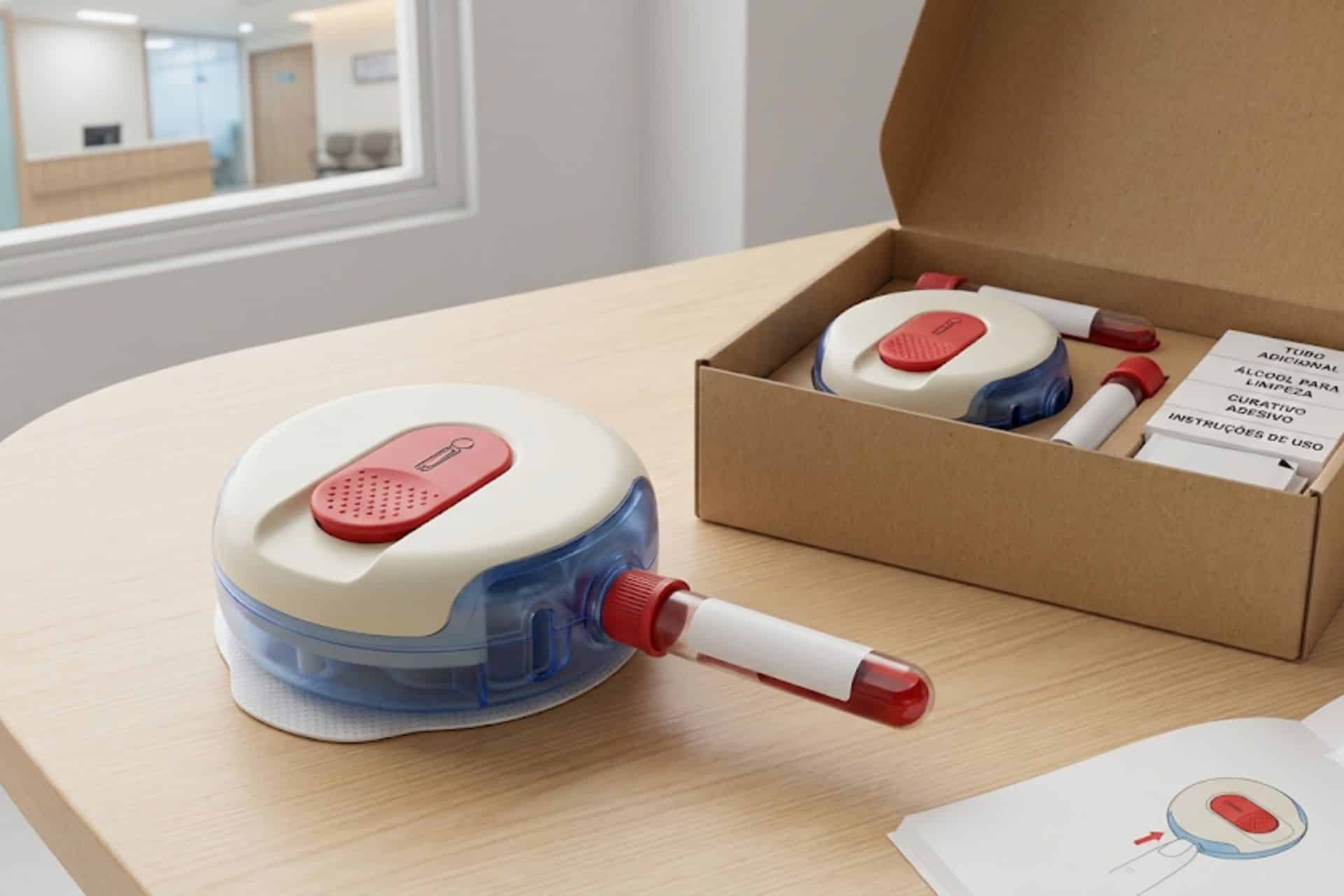
If you’re blessed enough that you haven’t had blood drawn in a while, you might not have thought much about the process. You might imagine that a needle goes in, a syringe is drawn back, and the venous blood is thusly collected. Indeed, it can be done that way.
However, there is an altogether niftier and more efficient method of fast blood collection for pathology testing. It’s all about using vacuum and smart design to ease the work of phlebotomists, while maintaining a sterile and safe environment.
Vacuum, Contained
These days, if you get blood collected for testing, there’s a plenty good chance you’ll have it drawn into a vacutainer. It’s named as a portmanteau of “vacuum” and “container” because that’s fundamentally what the system relies upon. A vacutainer is a glass or plastic tube which holds a vacuum inside, sealed with a stopper. That vacuum can be used to help extract fluids to be stored inside the container—namely, blood, in most cases.
A blood draw taking place with a vacutainer. The needle unit is inserted into the vein, while the vacutainer tube is slid into the housing to draw blood out. Credit: public domain