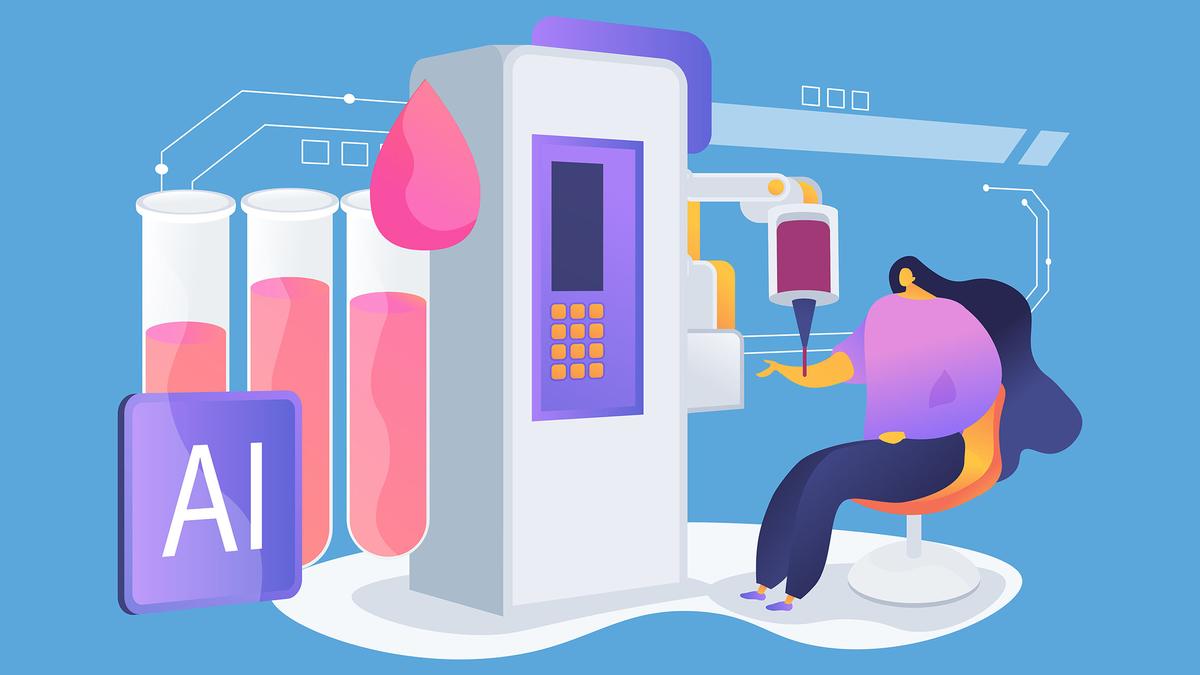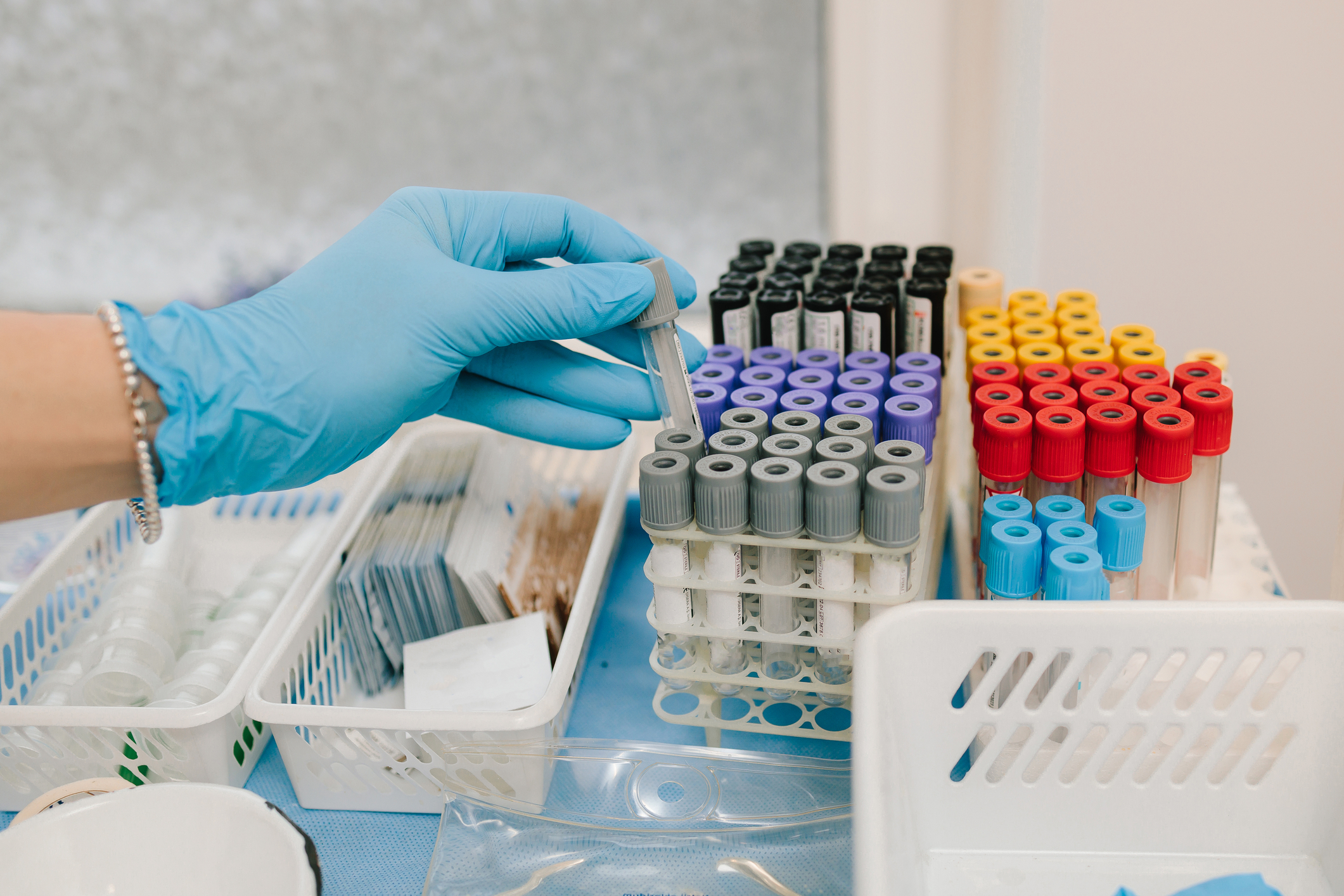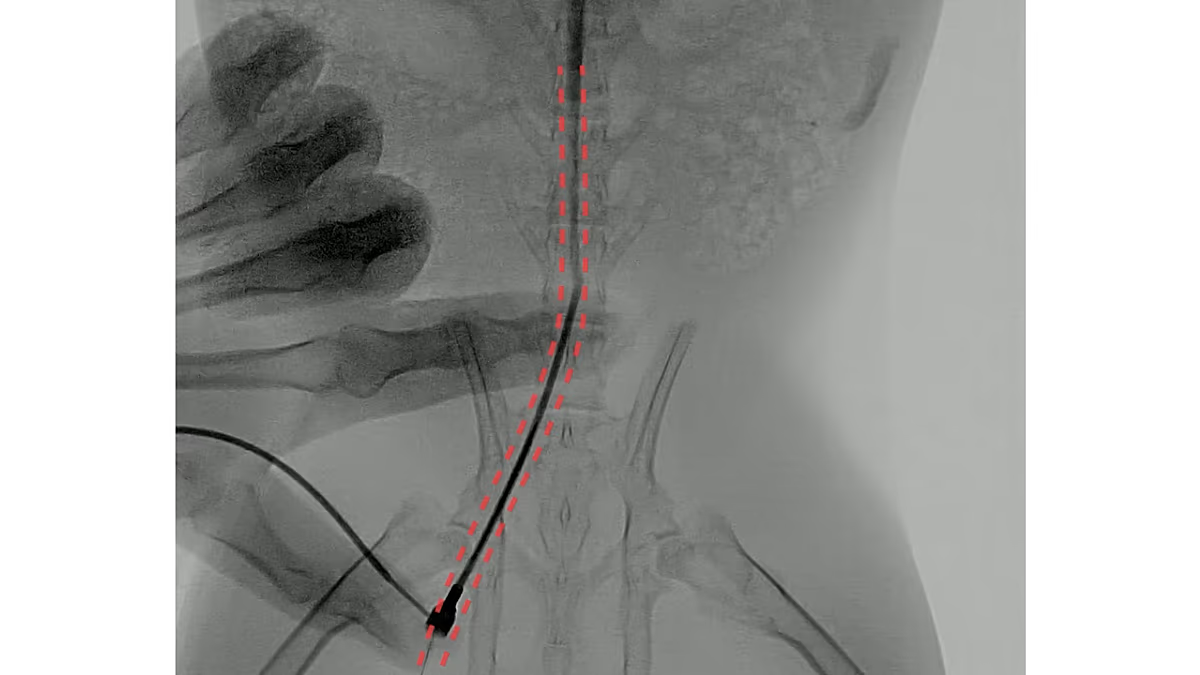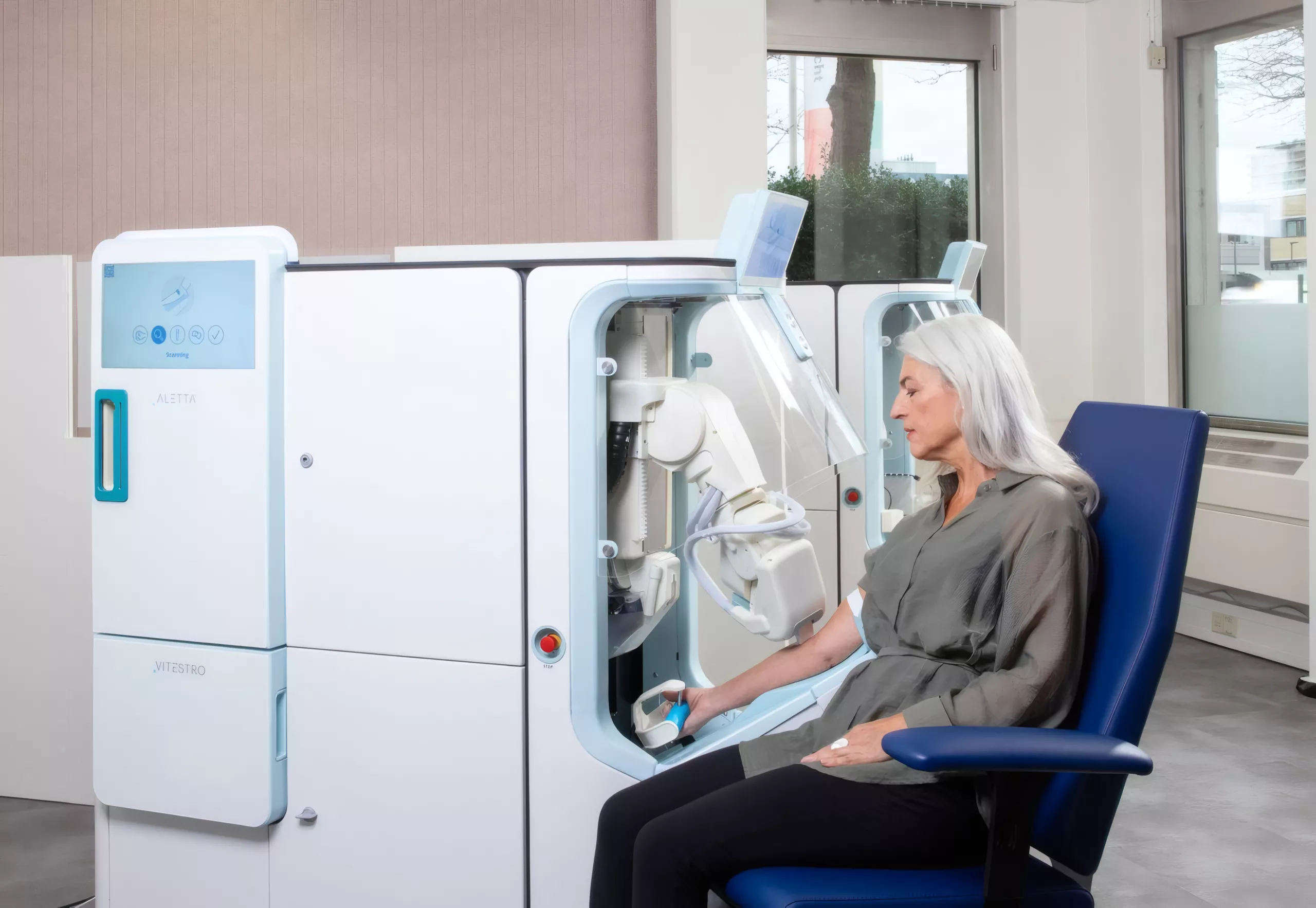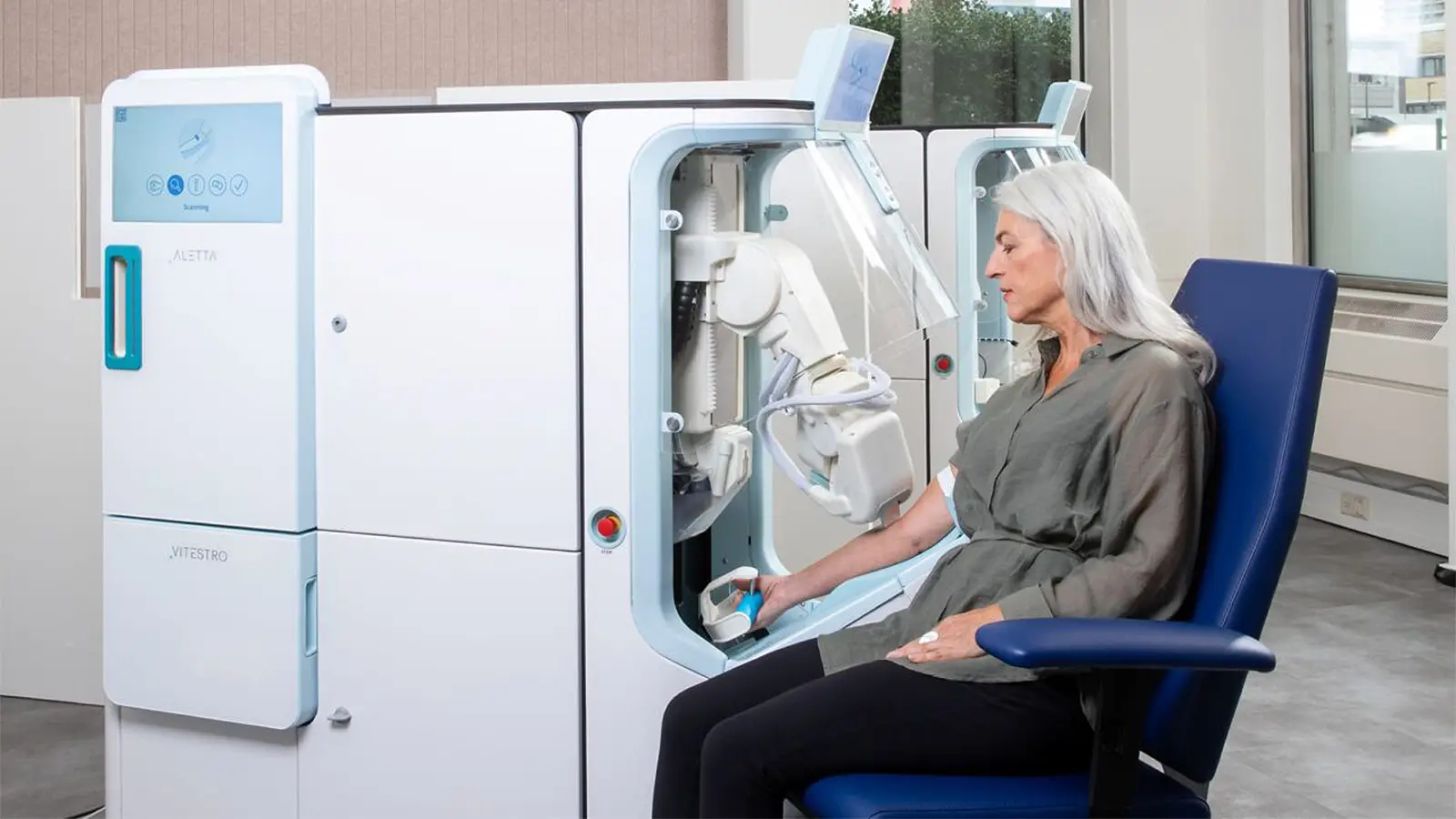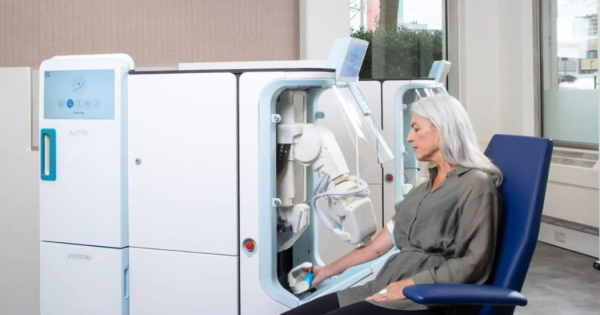
One minute and 49 seconds, that was the median time a machine needed to read a patient’s arm, choose a vein, insert a needle, fill the tubes, and withdraw, across the Dutch clinical trial that carried it towards regulators. A phlebotomist working carefully takes roughly five minutes, by the company’s own reckoning. Nothing about the moment was cinematic, just a patient who rolled a sleeve back down and went home.
The machine is called Aletta, and it was built by Vitestro, a company founded in Utrecht in 2017 that has spent almost its entire life on a problem the rest of medicine considers long since solved. TNW first covered the company in 2024, when it raised €20 million and sounded, frankly, like a curiosity.
On 19 August 2026, the US Food and Drug Administration authorised Aletta through the De Novo pathway, making it the first standalone robotic device cleared to draw blood without a human hand on the needle. It is licensed for adults, in outpatient settings, under supervision.
The most consequential piece of medical AI to arrive this decade may turn out to be the one that does the least impressive thing. For three years the industry has promised that large models would discover drugs, read scans better than radiologists, and rebuild diagnosis from the ground up, and it has mostly shipped chatbots, a gap we have written about at length.