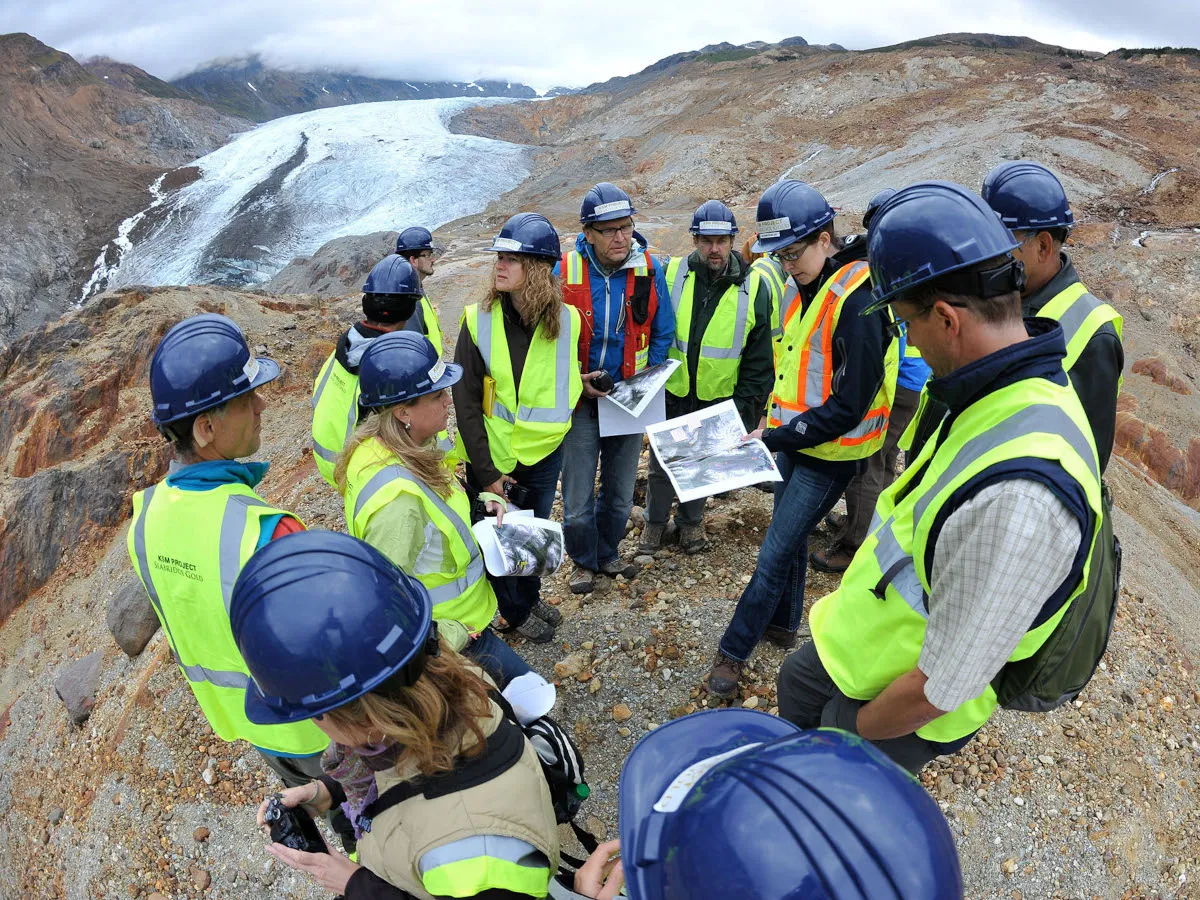
Skip to Content Subscribe My Account Manage My Subscriptions FAQ Newsletters Canada Canadian True Crime Canadian Politics Health World Israel & Middle East Financial Post NP Comment Longreads Puzzmo Diversions Comics NP News Quiz New York Times Crossword Horoscopes Life Eating & Drinking Style Sponsored Play for Ontario Travel Travel Canada Travel USA Travel International Cruises Travel Essentials Culture Books Celebrity Movies Music Theatre Television Business Essentials Advice Lives Told Tails Told Shopping Buy Canadian Home Living Outdoor Living Kitchen & Dining Tech Style & Beauty Personal Care Entertainment & Hobbies Gift Guide Travel Guide Amazon Prime Day Deals Savings National Post Store More Sports Hockey Baseball Basketball Football Soccer Golf Tennis Driving Vehicle Research Reviews News Gear Guide Obituaries Place an Obituary Place an In Memoriam Classifieds Place an Ad Celebrations Working Business Ads Archives Healthing Epaper Manage Print Subscription Profile Settings My Subscriptions My Offers Newsletters Customer Service FAQ Newsletters Canada World Financial Post NP Comment Longreads Puzzmo Diversions Life Shopping Epaper Manage Print Subscription HomeNP CommentAdam Pankratz: If Canada is to diversify trade, we must get rid of UNDRIPFederal and B.C. law have effectively given First Nations a veto over much-needed resource projects. This can't be allowed to continueSeabridge Gold with regulators on the Mitchell Deposit at the KSM Project in northwestern British Columbia. Photo by CNW Group/Seabridge Gold Inc.Despite the initial feel-good moment of telling the United States to take a hike after trade negotiations broke off on Friday, Canada now finds itself staring into an uncomfortable reality. For however good it may feel to tell U.S. President Donald Trump to stuff it, it doesn’t change the fact that around 70 per cent of our exports go to the U.S. and that isn’t going to change overnight, no matter what we do. Exactly what Canada’s response should be is a matter of debate, but we must avoid our tendency to kneecap and maim ourselves at a time of maximum urgency.Enjoy the latest local, national and international news.Exclusive articles by Conrad Black, Barbara Kay and others. Plus, special edition NP Platformed and First Reading newsletters and virtual events.Unlimited online access to National Post.National Post ePaper, an electronic replica of the print edition to view on any device, share and comment on.Daily puzzles including the New York Times Crossword.Support local journalism.Enjoy the latest local, national and international news.Exclusive articles by Conrad Black, Barbara Kay and others. Plus, special edition NP Platformed and First Reading newsletters and virtual events.Unlimited online access to National Post.National Post ePaper, an electronic replica of the print edition to view on any device, share and comment on.Daily puzzles including the New York Times Crossword.Support local journalism.Create an account or sign in to continue with your reading experience.Access articles from across Canada with one account.Share your thoughts and join the conversation in the comments.Enjoy additional articles per month.Get email updates from your favourite authors.Create an account or sign in to continue with your reading experience.Access articles from across Canada with one accountShare your thoughts and join the conversation in the commentsEnjoy additional articles per monthGet email updates from your favourite authorsSign In or Create an AccountorThe most recent example of this is the depressing case of Seabridge Gold’s Kerr-Sulphurets-Mitchell (KSM) Project in British Columbia. Seabridge was granted both provincial and federal environmental permits back in 2014, a full 12 years ago. Yet the mine remains unbuilt, despite the approximately $1.2 billion that Seabridge has spent developing it. After years of wrangling, the most recent news is that the hereditary chiefs of the Gitxsan Huwilp government have withdrawn their initial support for the project.The National Post newsletter that doesn’t hold back, giving readers the unvarnished truth on media, politics and culture.By signing up, you consent to receive the above newsletter from Postmedia Network Inc.A welcome email is on its way. If you don't see it, please check your junk folder.The next issue of Right? will soon be in your inbox.We encountered an issue signing you up. Please try againThis is a larger problem than it may appear on its surface. It’s true that a few years ago the Wet’suwet’en hereditary chiefs opposed the Coastal GasLink pipeline and that ultimately went through. But that was before the full weight of laws designed to implement the United Nations Declaration on the Rights of Indigenous Peoples (UNDRIP), including B.C.’s Declaration on the Rights of Indigenous Peoples Act (DRIPA), had become apparent to us.As a result of DRIPA and the federal government’s UNDRIP Act, UNDRIP has effectively become positive law in Canada, an interpretation that was upheld by the B.C. Court of Appeal and the Supreme Court of Canada.What this means for the development of large-scale infrastructure projects in Canada is frightening given the recent actions of the Gitxsan hereditary chiefs. One of the core principles of UNDRIP is that Indigenous peoples must give their free, prior and informed consent before any action is taken that may affect them or their traditional territories.For a while, it a was unclear what this meant in practice, but following the B.C. appellate court ruling, it is becoming ever clearer that this effectively gives First Nations a veto over mines, pipelines and other large-scale infrastructure projects — the very projects Canada must develop if we are to diversify our economy away from the United States.The case of the KSM mine is especially troubling because it now appears that “consent” for projects can be given and then taken away. That creates a highly inappropriate “pay-to-play” system wherein the threat of consent withdrawal hangs like the Sword of Damocles over any and every company that decides it might be worth investing money in Canada.While we like to describe ourselves as a “Tier 1” jurisdiction for resource development, creating legal mechanisms by which First Nations can dangle the threat of a veto over badly needed infrastructure projects is anything but “Tier 1.” It’s more of a red light or “Stay Away” sign for businesses. Seabridge, as a reminder, has put over $1.2 billion into the KSM Project and could well be watching it incinerated because consent has now been withdrawn.Prime Minister Mark Carney was right when he said that Canada has what the world wants. We have critical minerals, oil, gas and experts in those fields. The real question now is whether both B.C.’s provincial government and Carney’s federal government will finally understand that they must repeal DRIPA and the UNDRIP Act, and do what is necessary to get us back to developing our resources without the fear that approved projects will suddenly be scuttled without recourse by those who would see our economy stagnate and falter at every stage.National Post Join the Conversation This website uses cookies to personalize your content (including ads), and allows us to analyze our traffic. Read more about cookies here. By continuing to use our site, you agree to our Terms of Use and Privacy Policy.
Adam Pankratz: If Canada is to diversify trade, we must get rid of UNDRIP
Federal and B.C. law have effectively given First Nations a veto over much-needed resource projects. This can't be allowed to continue
1,145 words~5 min read