Hot Air
After Matt Walsh dismissed postpartum depression as women acting “selfish,” many of them jumped in to correct him
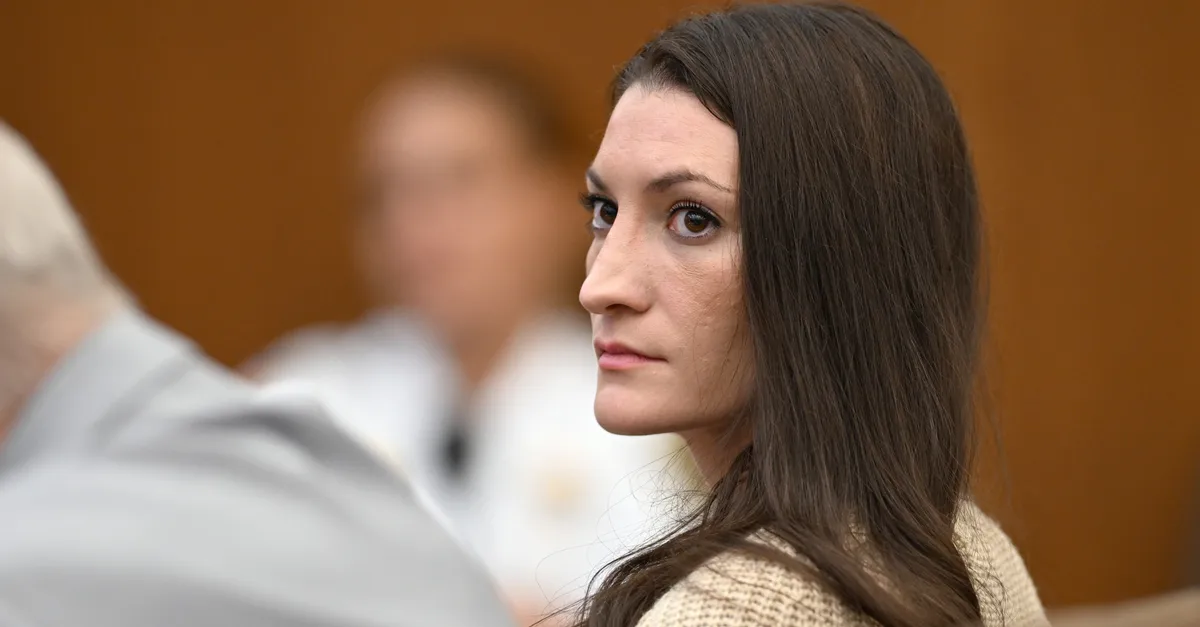
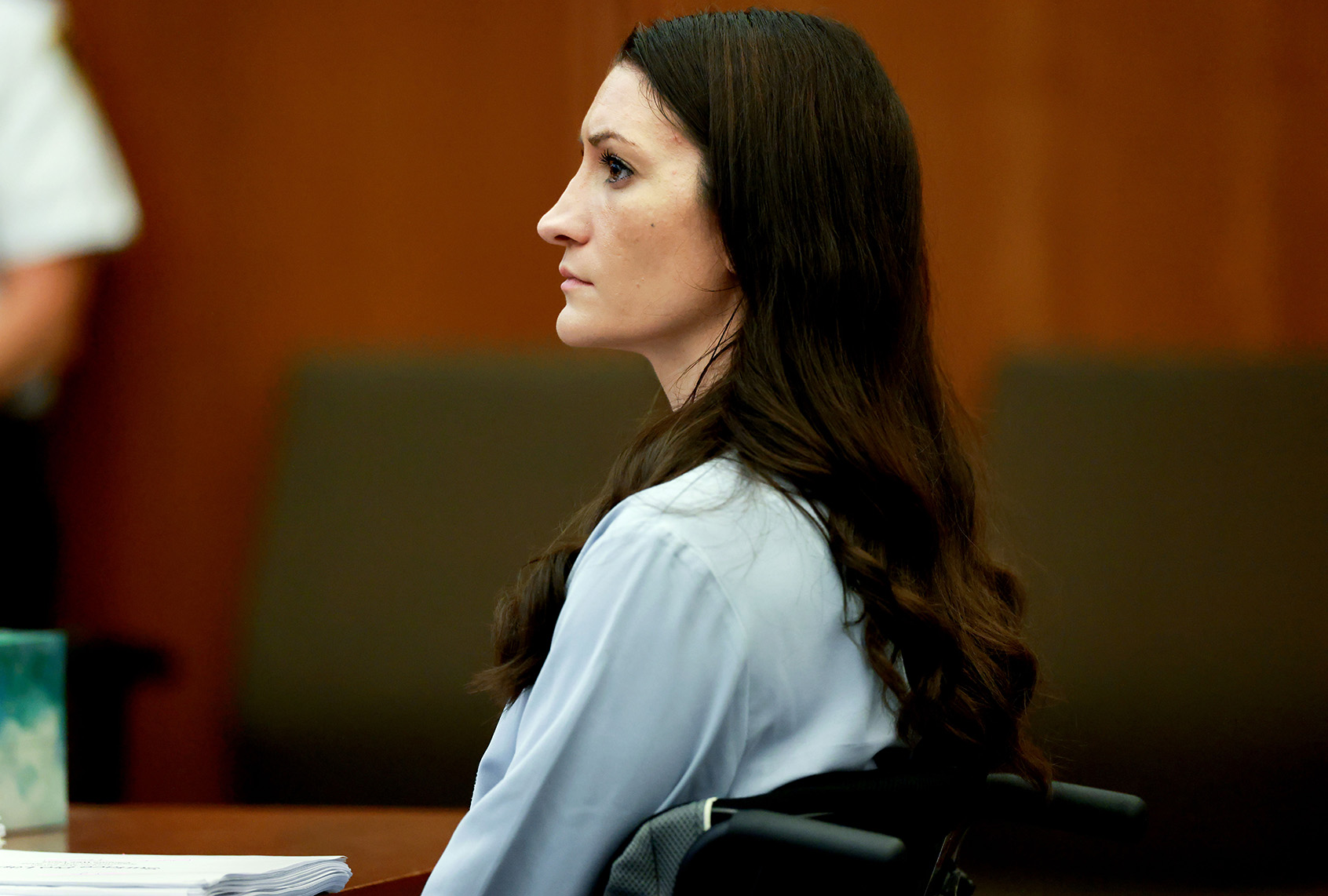
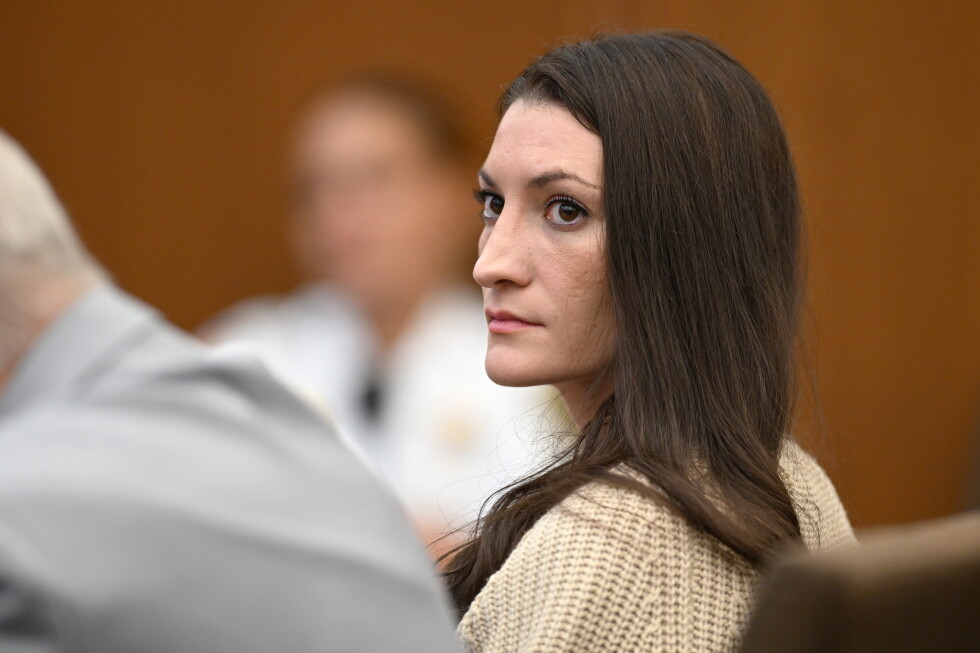
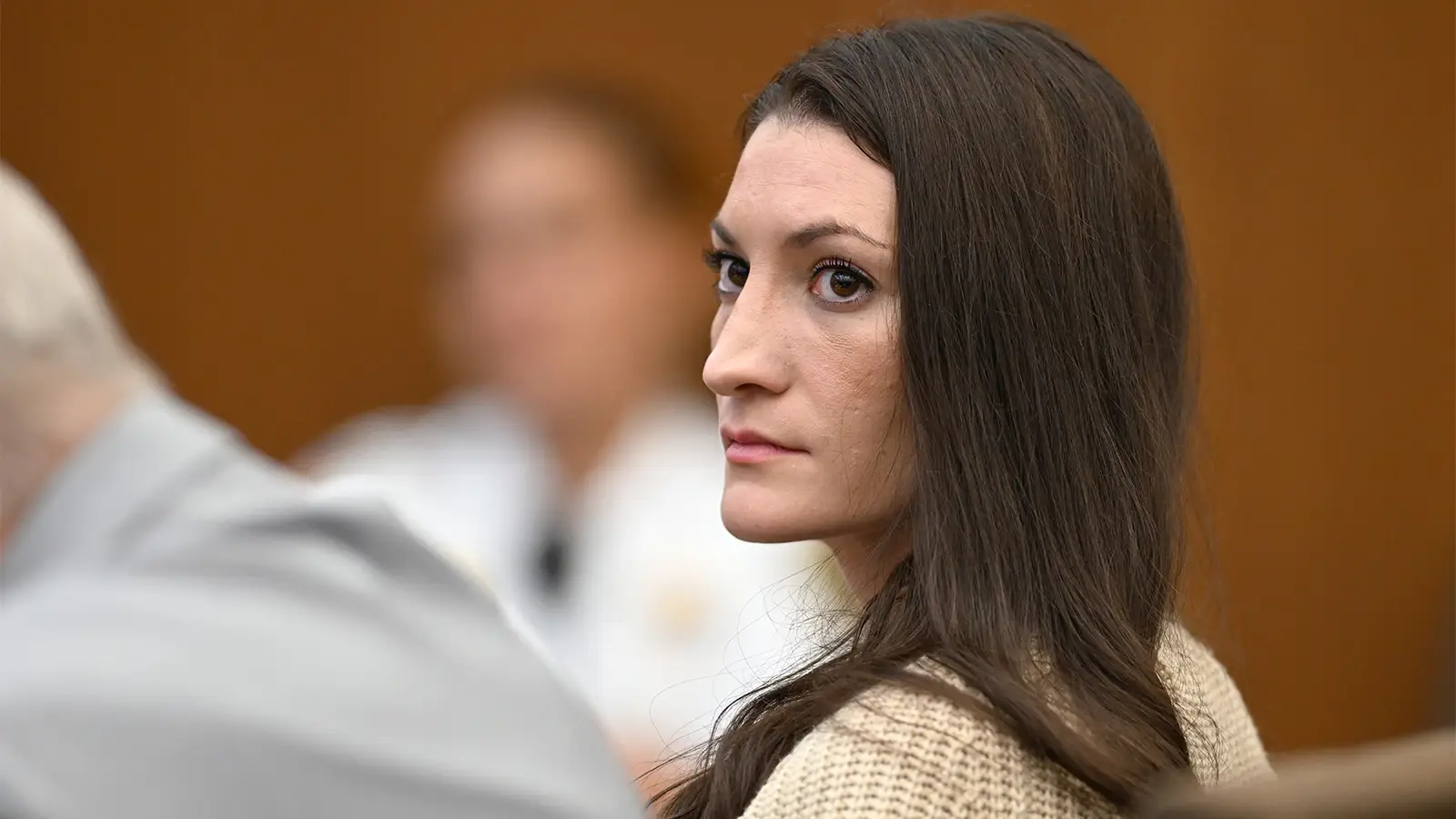
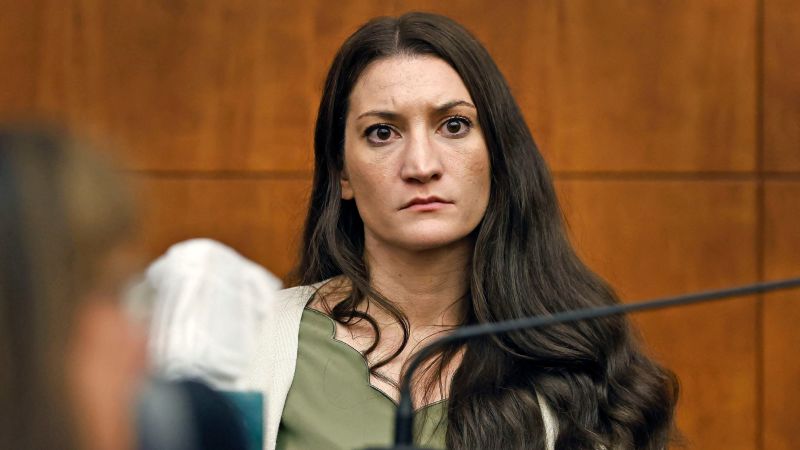
Lindsay Clancy does not deny that she murdered her three young children. In her trial, which is set to wrap up in the coming days, the facts of the case are virtually undisputed: In 2023 following months of devolving mental health and attempts to secure mental health support, Clancy strangled her three children — ages five, three, and eight months — with rubber exercise cords. Shortly after, she attempted to end her own life by jumping out of the window of her family home in Duxbury, Massachusetts, and was paralyzed from the waist down.
Clancy admits to the murders, her ex-husband said when he testified on her behalf. The question at hand is whether or not Clancy — whom her lawyers say had been suffering from severe postpartum psychosis at the time of the murders — is criminally responsible for first-degree premeditated murder and deserving of a life sentence in federal prison, or should be committed to a state psychiatric facility.
In the true-crime obsessed network of internet commentary, the Clancy case has already produced thousands of hours of coverage, theorizing, and analysis. It also opened up a tricky conversation about maternal and postnatal psychiatric health, as well as the limitations of public sympathy.