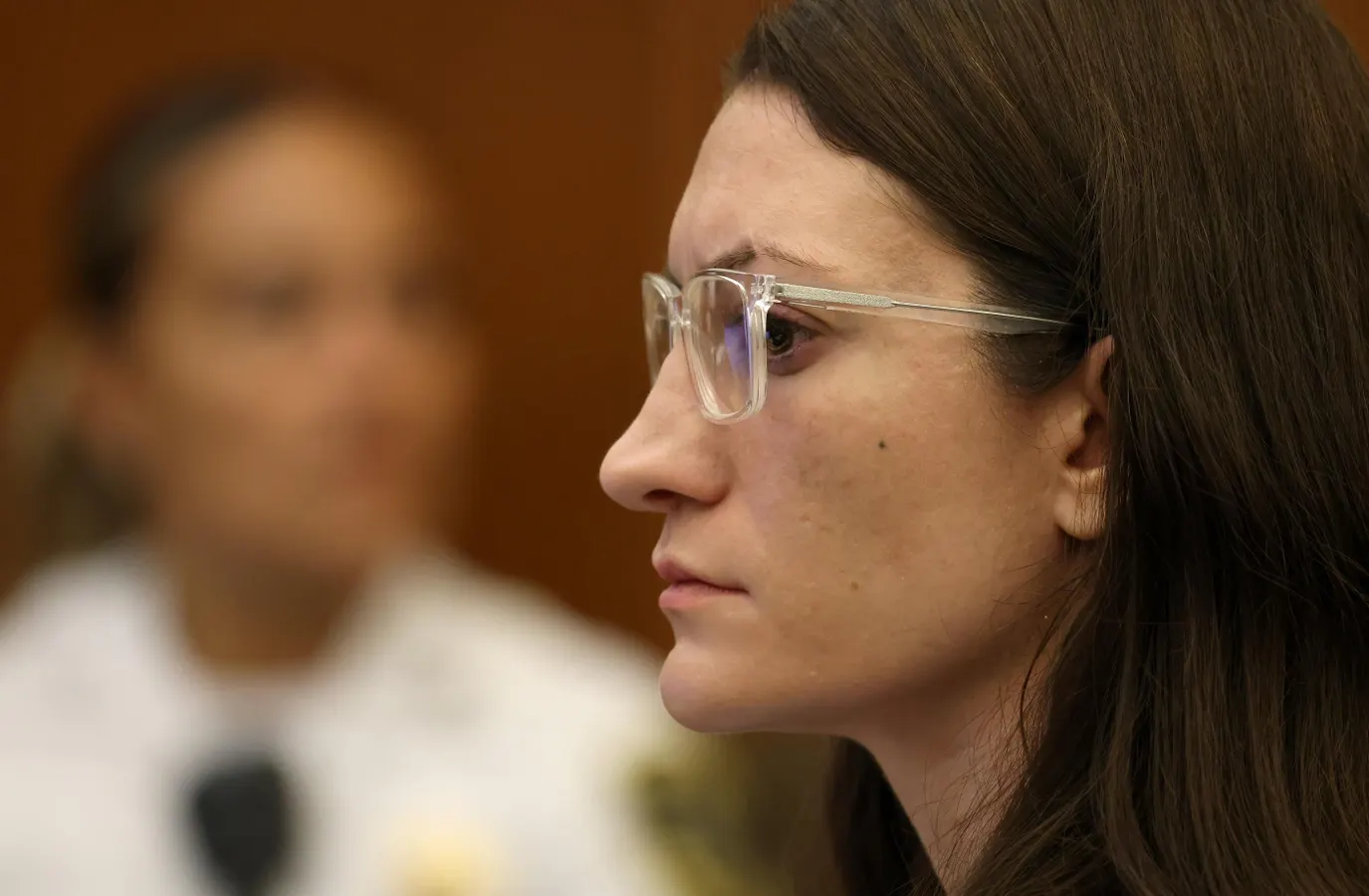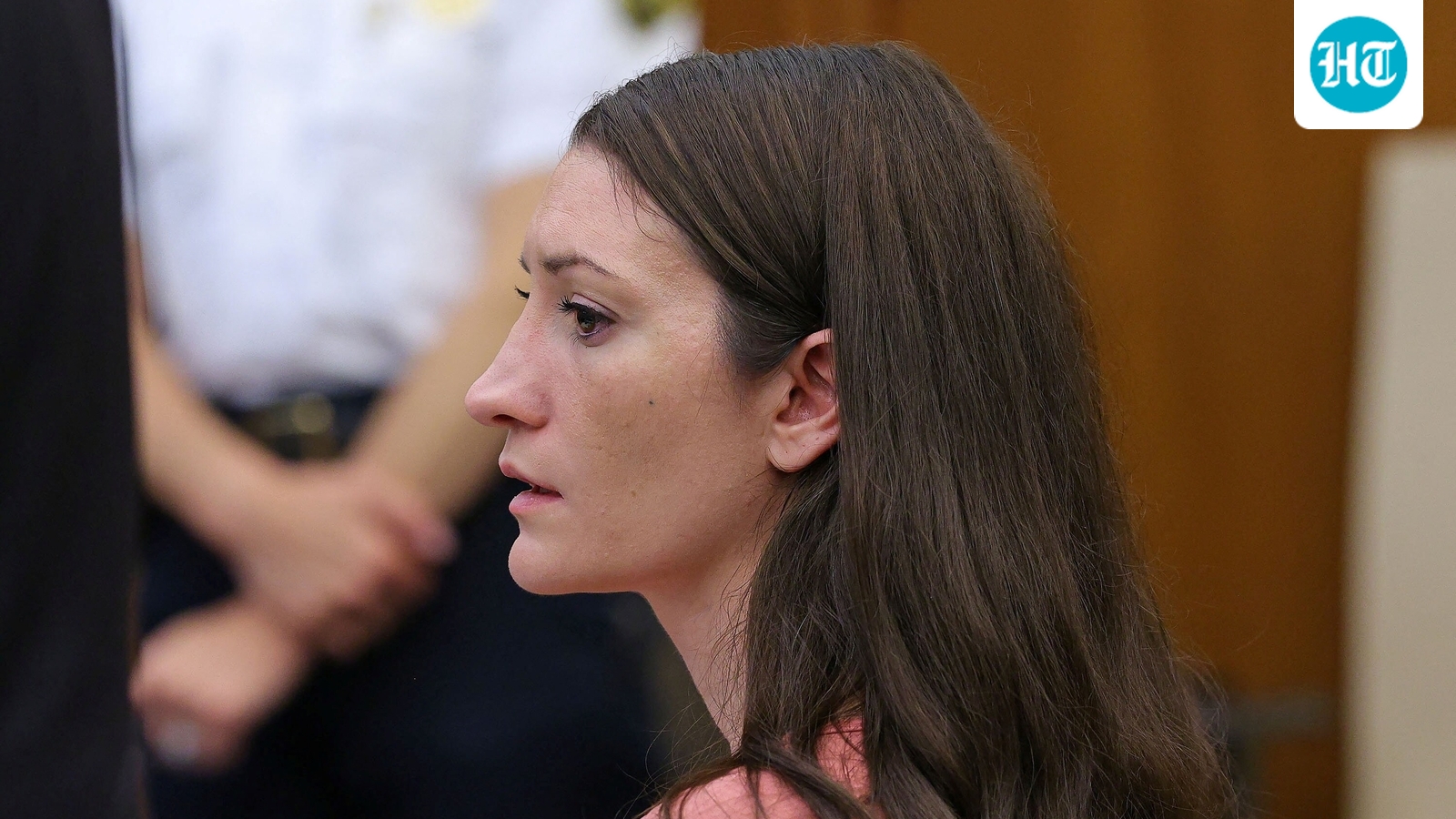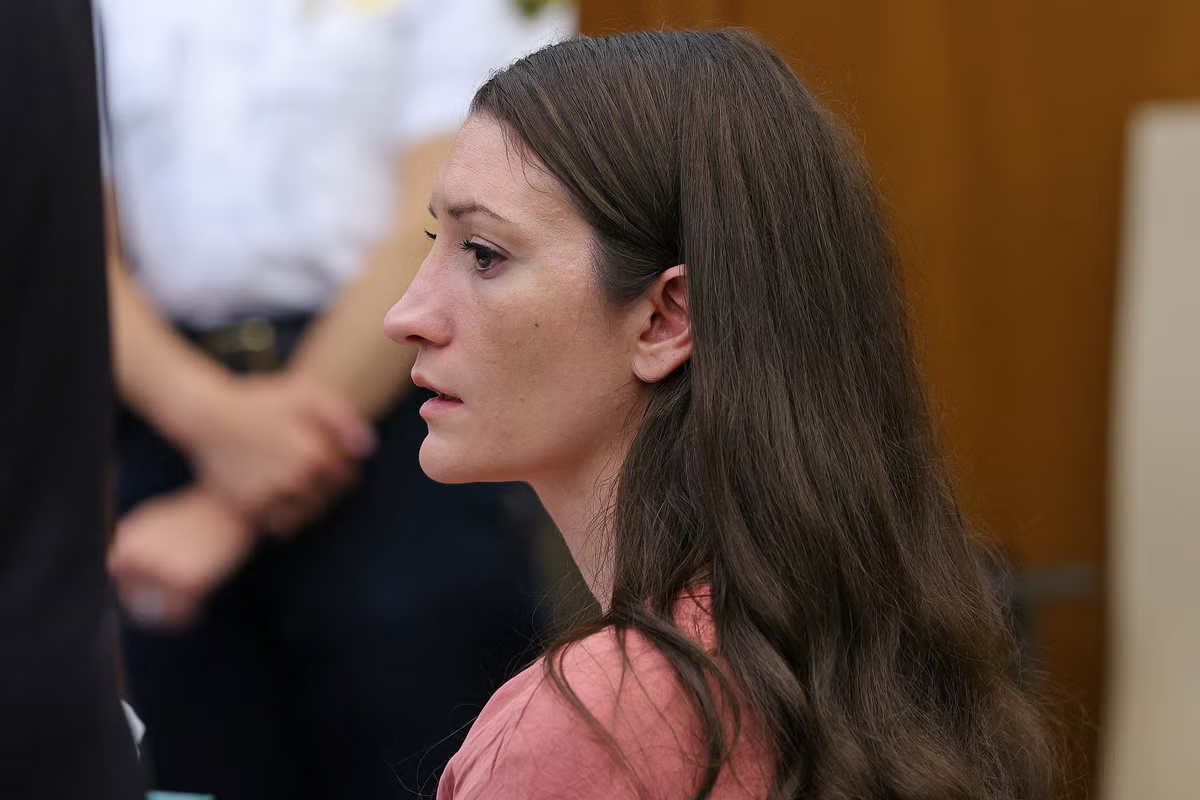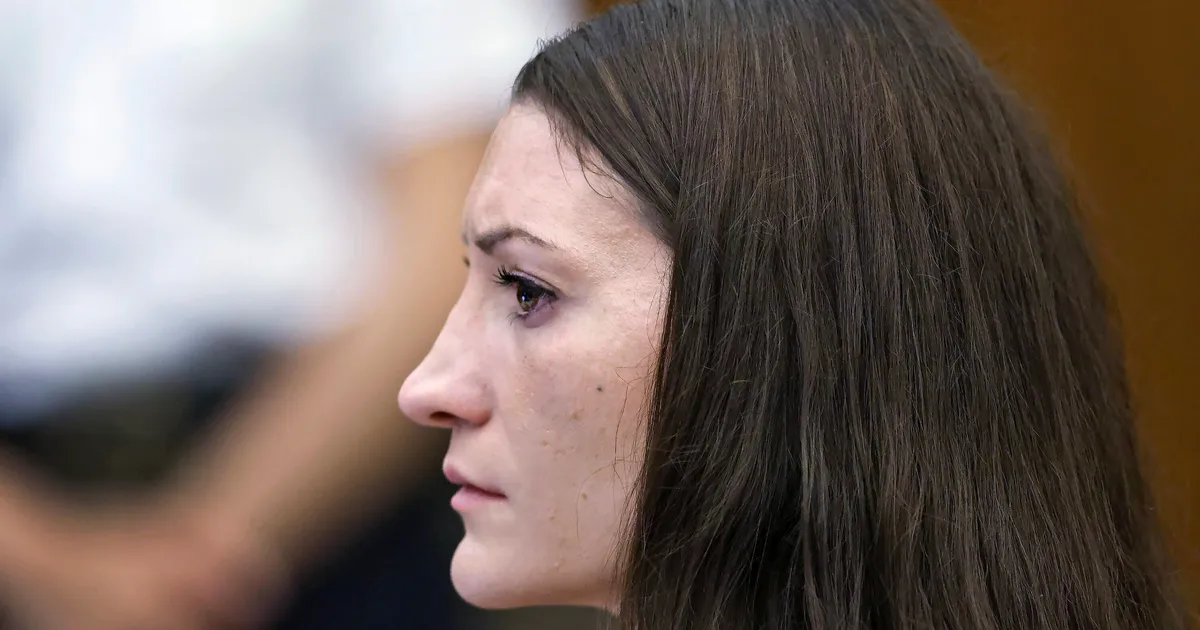
Right now, social media and news outlets are bombarding us with updates from the trial of 32-year-old Lindsay Clancy, accused of murdering her three small children back in 2023.Neither Clancy or her legal team dispute that fact, but they say it happened because she was suffering from postpartum psychosis, a severe mental health issue she sought help for repeatedly in the days before the tragedy. With each new piece of information, I am left struggling to make sense of “the truth” of what happened that day. Regardless of the trial’s outcome, it has put a spotlight on one undeniable fact: There is a severe and persistent lack of understanding regarding postpartum mental health.Near my house, there’s a bridge over an inlet where I walk often. On a clear, calm day, you can spot pods of dolphins on the horizon. After I gave birth, I would stroll my newborn across the bridge, until one day I had the thought: “It would be so easy to throw this baby off the bridge. She is so vulnerable and helpless ― what is stopping me?”The beauty of the moment contrasted with the ugliness of the thought ― a hallmark of Postpartum Obsessive-Compulsive Disorder (PPOCD).I had similar intrusive thoughts throughout my first year of motherhood: What if I suffocate my baby with a pillow? What if I drown her in the tub? What if I fall down the stairs with her or we get hit by a car? What if I stab her with my kitchen knife? Precious time with my baby was punctuated by heinous ruminations. Of course, I loved my daughter dearly. So why did these thoughts constantly fill my head?Everyone experiences unwanted thoughts from time to time, but for those with OCD, the thoughts become “stuck.”The loop goes like this: A person has a distressing thought, which causes anxiety. The feelings of anxiety drive the person to perform a compulsion to release the anxiety. The compulsion may temporarily release the anxiety, but it reinforces the pattern. What follows is that the sufferer becomes trapped in the obsessive/compulsive cycle to the point that it impacts their daily functioning. For example, I had the thought about throwing my baby off the bridge (obsession), so I stopped walking over the bridge (compulsion). It temporarily relieved my anxiety. But then I had another version of the thought again while driving over the bridge: I could drive us into the water and we would drown. So I avoided the bridge altogether, which helped for a time, until I began having thoughts about driving my car off the road…What comes next? Quit driving all together? It’s not always so extreme. For example, a mom who is trying to decide whether or not to sleep train has a thought that sleep training might harm her baby, which gives her anxiety. In response, she reads research articles about the benefits of sleep training and the anxiety dissipates. But the thought returns. Each time she has the thought, she immediately turns to research. She spends a huge amount of time and energy absorbed in the data and opinions online. But the more she researches, the more she is paralyzed by her inability to decide. Eventually, she struggles to focus on anything else.The author safely crossing the bridge with her baby.Photo Courtesy of Lauren Salles GumpertI eventually found a therapist who specialized in OCD, and with her I learned how to confront my fears with Exposure and Response Prevention (ERP), and how to distance myself from my thoughts with mindfulness and acceptance. Most new moms have likely experienced a distressing thought about harming their child unintentionally ― for example, by dropping the baby. In most cases, people are able to dismiss the thoughts as unwanted. For some (between 2 and 9%), however, the thoughts become debilitating and warrant a formal diagnosis of PPOCD. Of that group, about half will have intrusive thoughts about intentionally harming their child ― for example, throwing the baby instead of accidentally dropping it. For a much smaller percentage of individuals (0.1-0.2%), their disturbing thoughts are part of a larger delusional scheme symptomatic of Postpartum Psychosis (PPP).In both of the obsessive-compulsive examples mentioned, a fear of harming the baby drives the intrusive thoughts. The sufferer recognizes these thoughts as “ego-dystonic,” or against their core beliefs and values, which is why they cause so much distress.Psychosis is a mood disorder characterized by delusions, voices and hallucinations that immerse the sufferer in an alternate reality. Someone suffering with PPP lacks the insight to recognize their thoughts as “irrational” or “unwanted.” They may act in unpredictable ways that “break” from their true values, desires and personality, because their perception of reality is so distorted.The differentiation matters because while PPOCD can be treated with various types of cognitive behavioral therapy and improve over time, PPP is a medical emergency, and treatment usually requires immediate hospitalization.Despite the American College of Obstetrics and Gynecology guidelines that patients be screened for postpartum mental health disorders ― including postpartum psychosis ― the data shows that less than 20% actually receive the screening, and only half of those who screen positive receive any follow-up treatment. Moms who experience intrusive thoughts related to their children may avoid disclosing anyway, out of intense shame, and the fear of being judged by family, the public, and healthcare providers who could even potentially report them to protective agencies. Overall, an estimated 75% of women who experience perinatal mental health disorders go untreated. This despite the fact that the CDC’s most recent data show that mental health conditions are the biggest challenge new mothers face, as well as the leading-cause of pregnancy-related death, often by suicide or substance use disorder.Inversely, Lindsay Clancy’s husband Patrick says she sought help from doctors for her postpartum mental health, even asking to be hospitalized, but was allegedly told she simply had “anxiety,” despite the fact she was hearing voices and had thoughts of suicide. They both allege she was misdiagnosed, causing the “treatment” to actually make things worse.While I’d desperately prefer that the deaths of three defenseless children had never happened, I hope that the publicity around this case proves how badly we need to dedicate more research and resources to maternal mental health care. That’s also why I’m sharing my own story. In order to prevent future tragedies, we must reduce the stigma of talking about mental illness postpartum, educate both providers and the public, and provide access to appropriate treatments.Lauren Salles Gumpert is a freelance writer, Speech-Language Therapist and aspiring author. She lives in Virginia Beach with her husband and 3 young kids. You can connect with her via Substack.Need help with a disorder or mental health issues? In the U.S., call 800-662-HELP (4357) for the SAMHSA National Helpline.Do you have a compelling personal story you’d like to see published on HuffPost? Find out what we’re looking for here and send us a pitch at pitch@huffpost.com. RelatedMental HealthBabiesmothersPostpartum DepressionObsessive–compulsive disorder
Moms Are Struggling To Make Sense Of A High-Profile Trial — And It’s Exposing An Uncomfortable Reality
“Without more awareness on how to differentiate between a complex range of maternal mental health disorders, ‘treatment’ may actually make things worse.”
1,156 words~5 min read