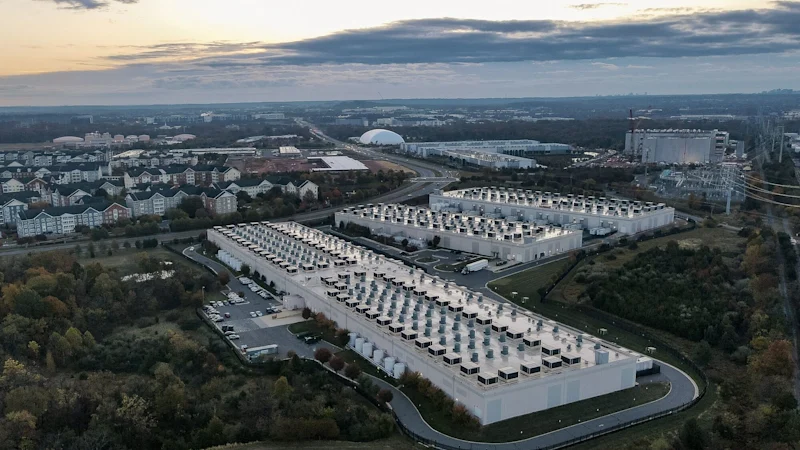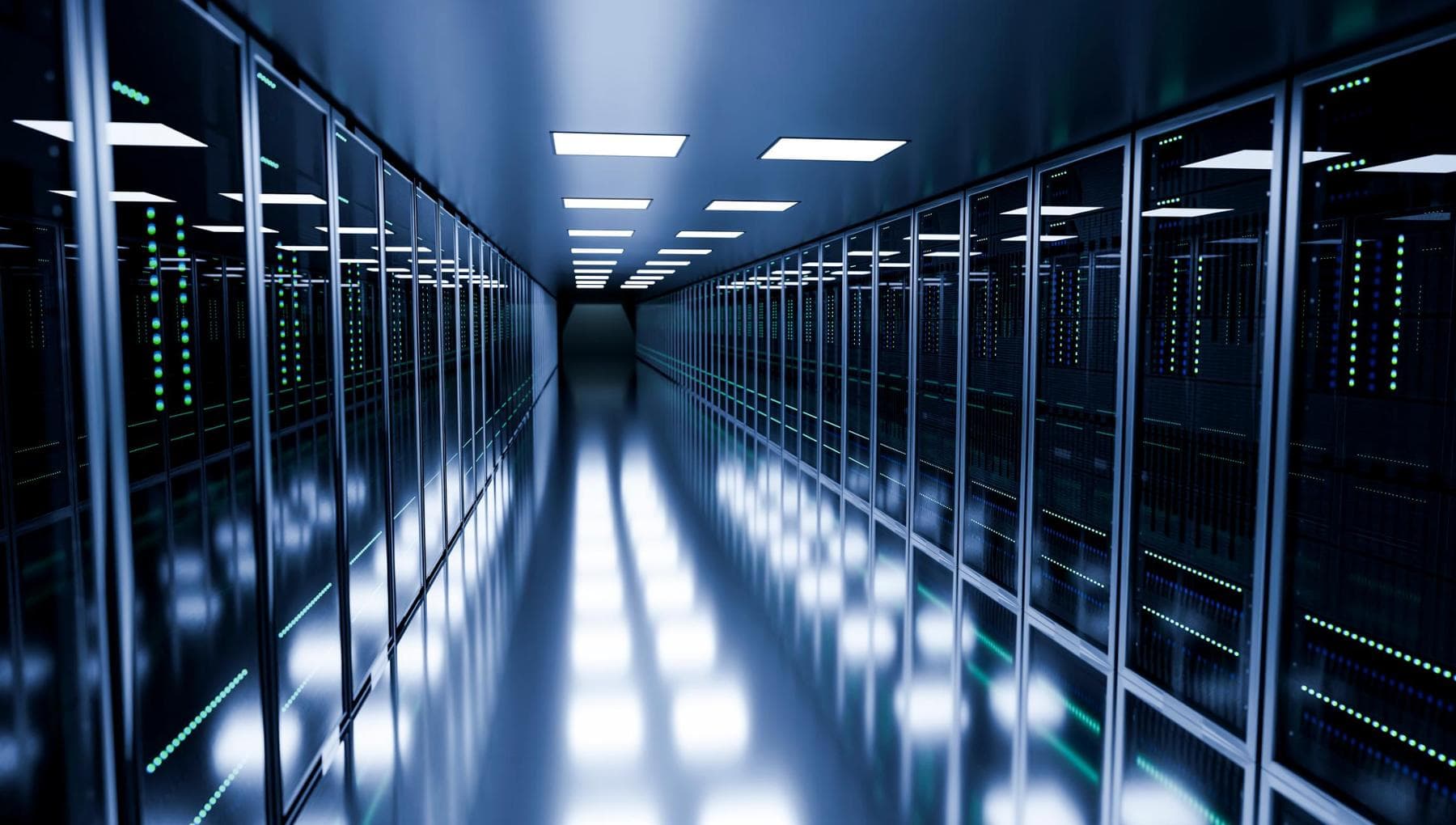
Australia’s data centers currently sip about 5 TWh of electricity per year, a modest 3% slice of the national grid. By 2035-36, that number is expected to hit 34 TWh, a sevenfold increase that would make data centers responsible for 13% of all grid-supplied power in the country’s National Electricity Market.
The projections come from the Australian Energy Market Operator’s (AEMO) 2026 Electricity Statement of Opportunities report, which paints a picture of a power grid about to be reshaped by artificial intelligence and cloud computing in ways that would have seemed implausible even a few years ago.
The numbers behind the boom
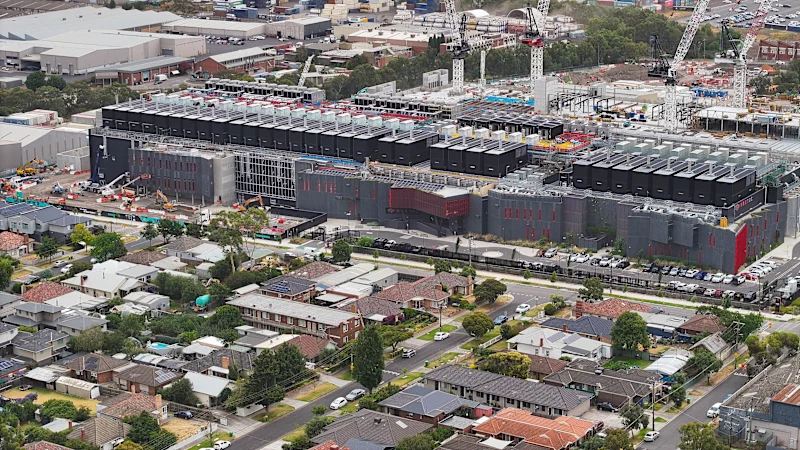
The scale of the buildout is staggering. AEMO’s report shows the number of data centers currently in development has doubled to 225, up from just 97 the previous year. That kind of year-over-year growth has prompted AEMO to classify data centers as their own distinct load category, a sign that regulators now view them as a structural force in the energy landscape rather than a rounding error.
Most of these facilities are clustering around Australia’s major population centers. Sydney, Newcastle, Wollongong, Melbourne, and Geelong are the primary hotspots, driven by demand for AI processing and cloud infrastructure that benefits from proximity to undersea cable landing points and dense fiber networks.