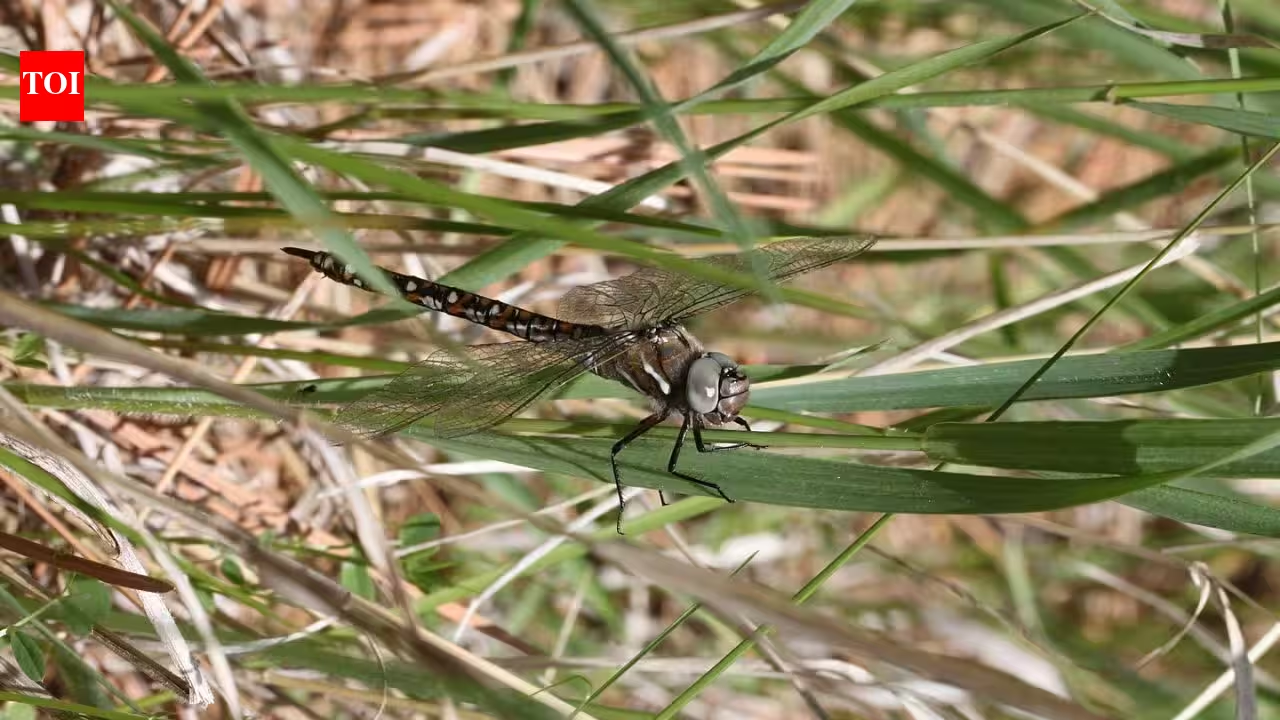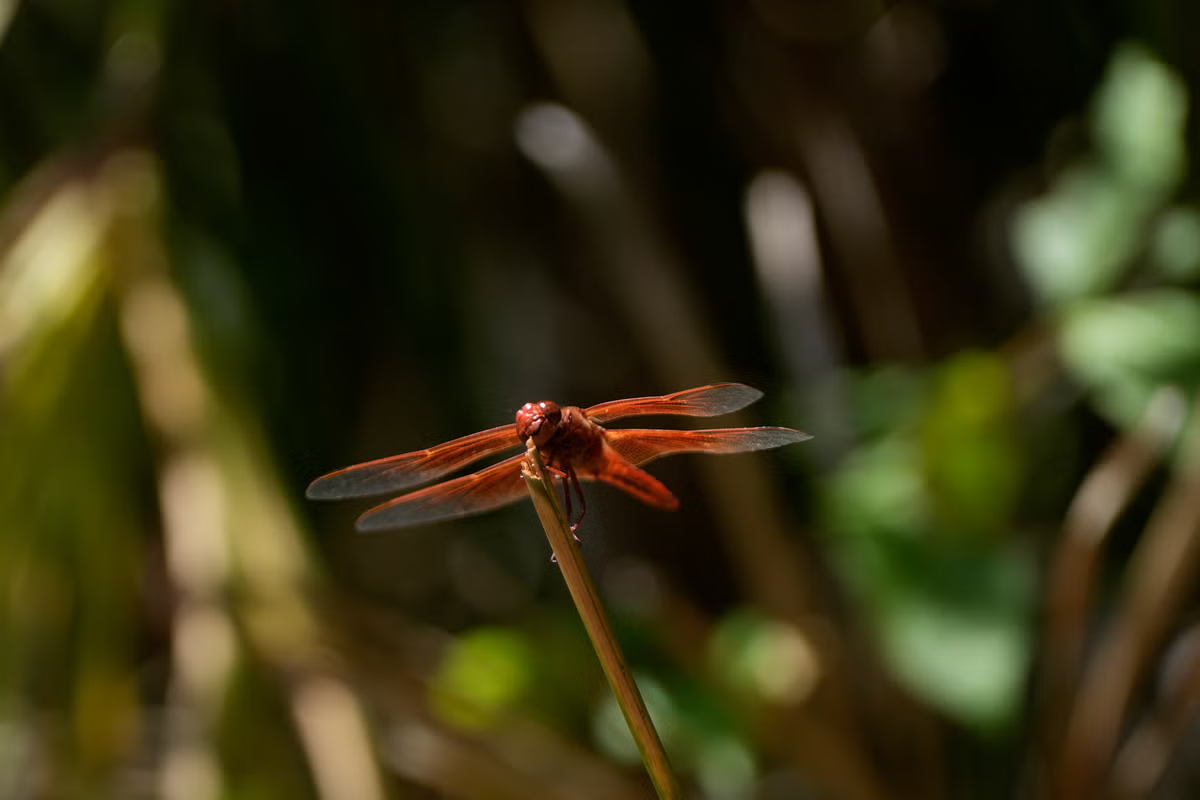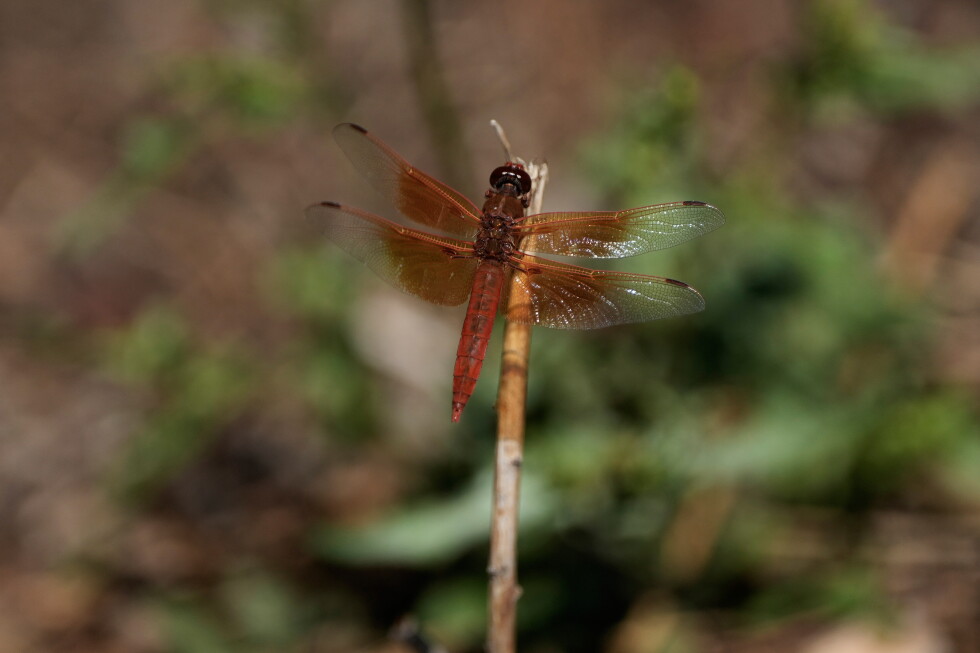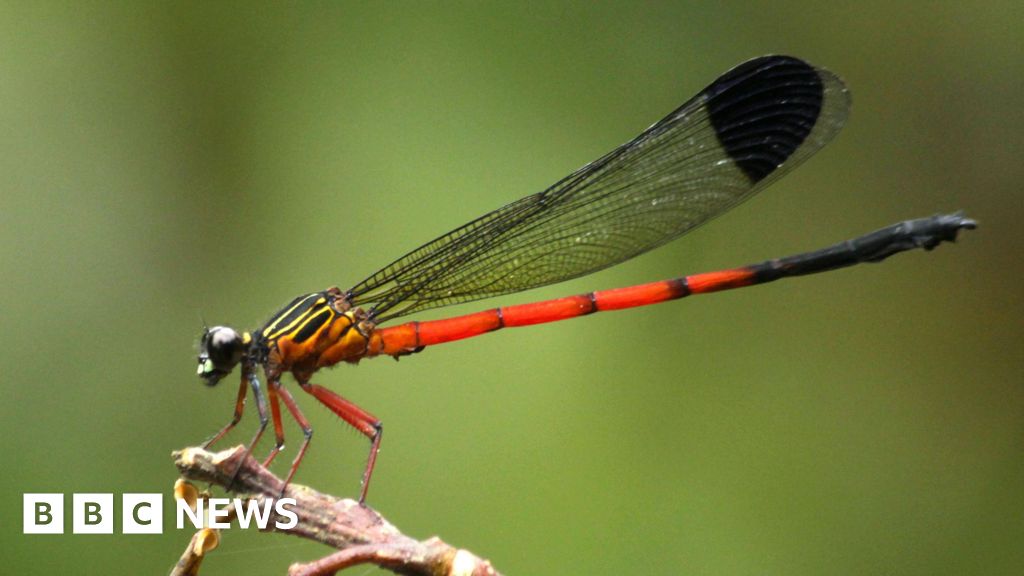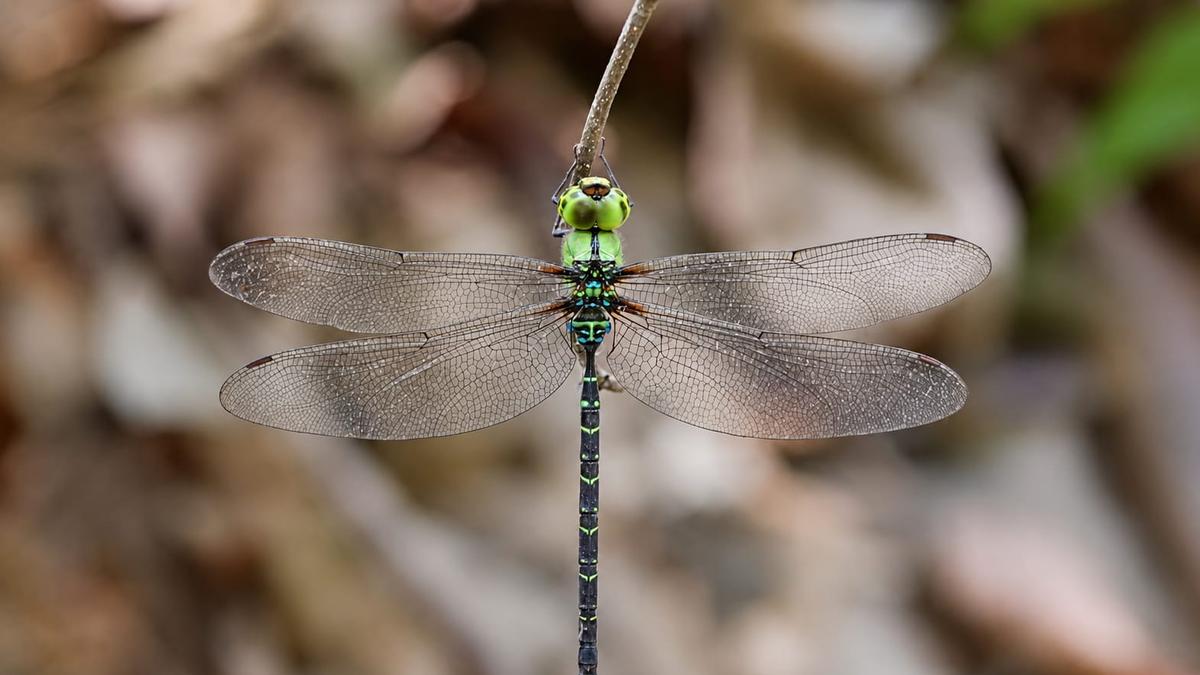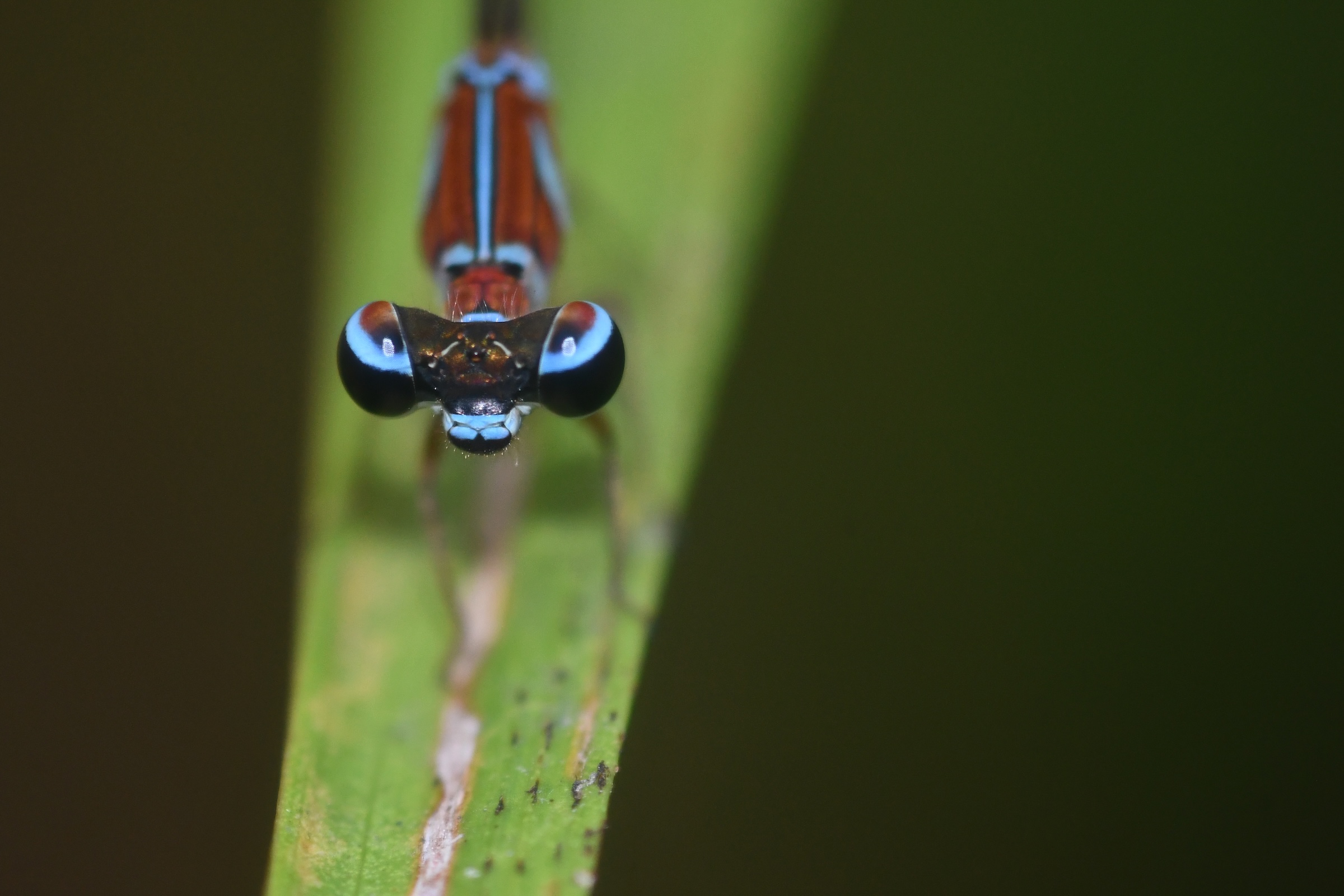
Researchers investigating Colombia’s remote region of Guainía have identified nearly 120 dragonfly and damselfly species, uncovering a biodiversity hotspot for these insects.Dragonflies rely on pristine freshwater ecosystems, but their aquatic habitats face growing pressure from regional deforestation, unmanaged waste and exponential tourism.By naming in their ancestral languages and monitoring local dragonflies, communities are deepening their understanding of ecosystem health and connecting biodiversity and ancestral wisdom with water protection.
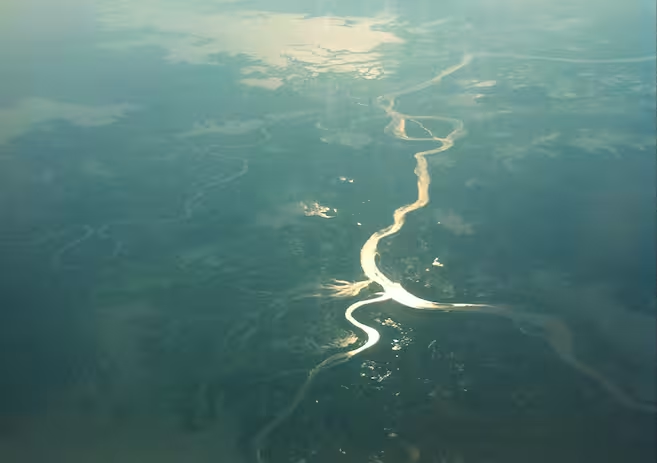
Every dragonfly story starts in the water, and Guainía, known as the land of many waters, should be the Olympus of these insects. The mix of waters from the Orinoquia and the Amazon with the vast pristine rainforest should make this region a dragonfly biodiversity hotspot. But little to nothing is known about the diversity of these flying predators in this remote part of eastern Colombia.
“When we started, very little was known; there were about 10 reported species,” Yiselle Cano, a doctoral candidate at the National University of La Plata, Argentina, and biodiversity leader of the project Dragones Guainía, told Mongabay in a video call.
With rubber boots, long-sleeved shirts, hats and sweeping nets, Cano and her colleague Jenilee Montes go out every day and explore the waters of the Guainía in search of these insects. From small puddles to the deep-red waters of the Inirida River, these Colombian researchers have spent the last three years collecting and identifying dragonflies and damselflies in order to understand what is still left to protect, according to Cano.